



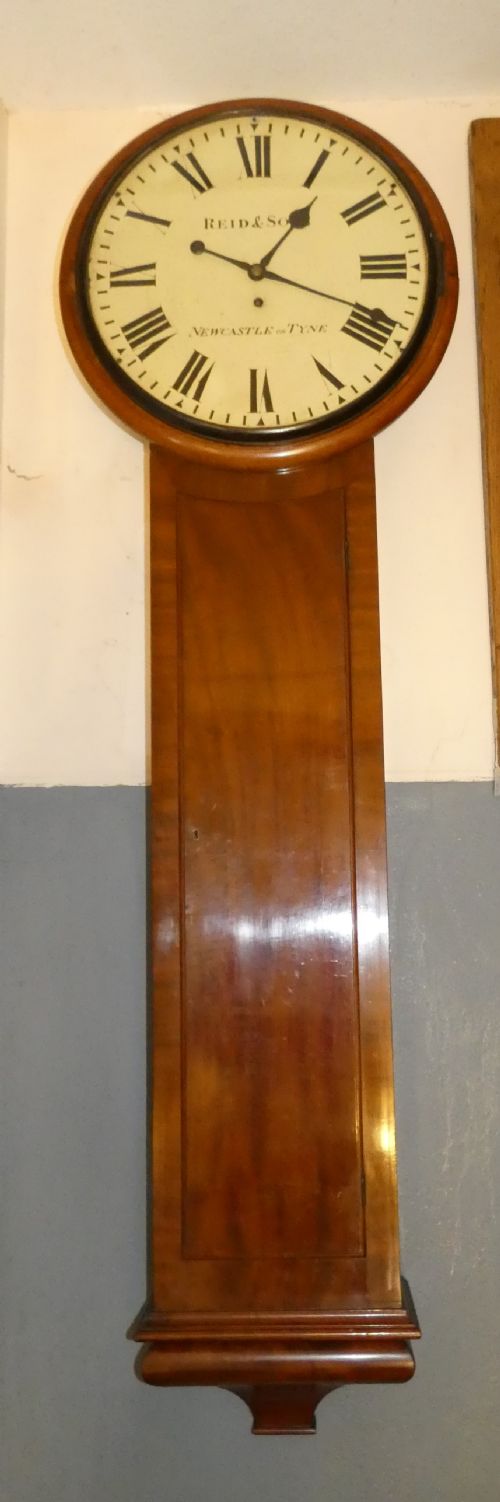


Victorian Railway Clock
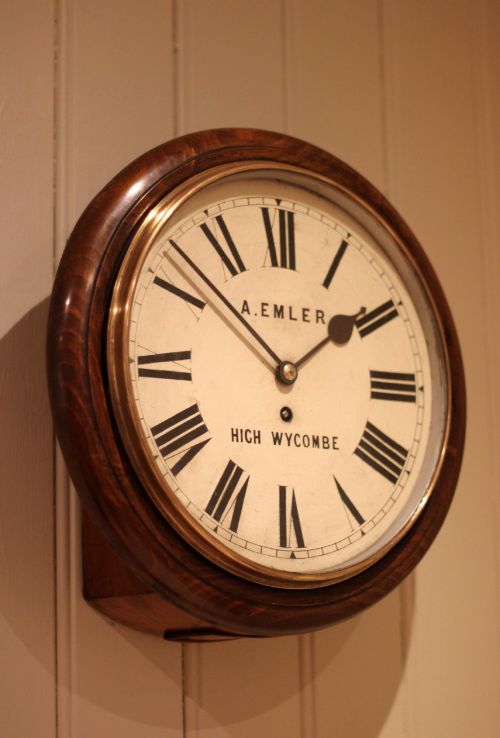
A victorian railway clock is a robust timekeeper built for busy platforms and offices, prized for its reliable fusee movement and clear dial.
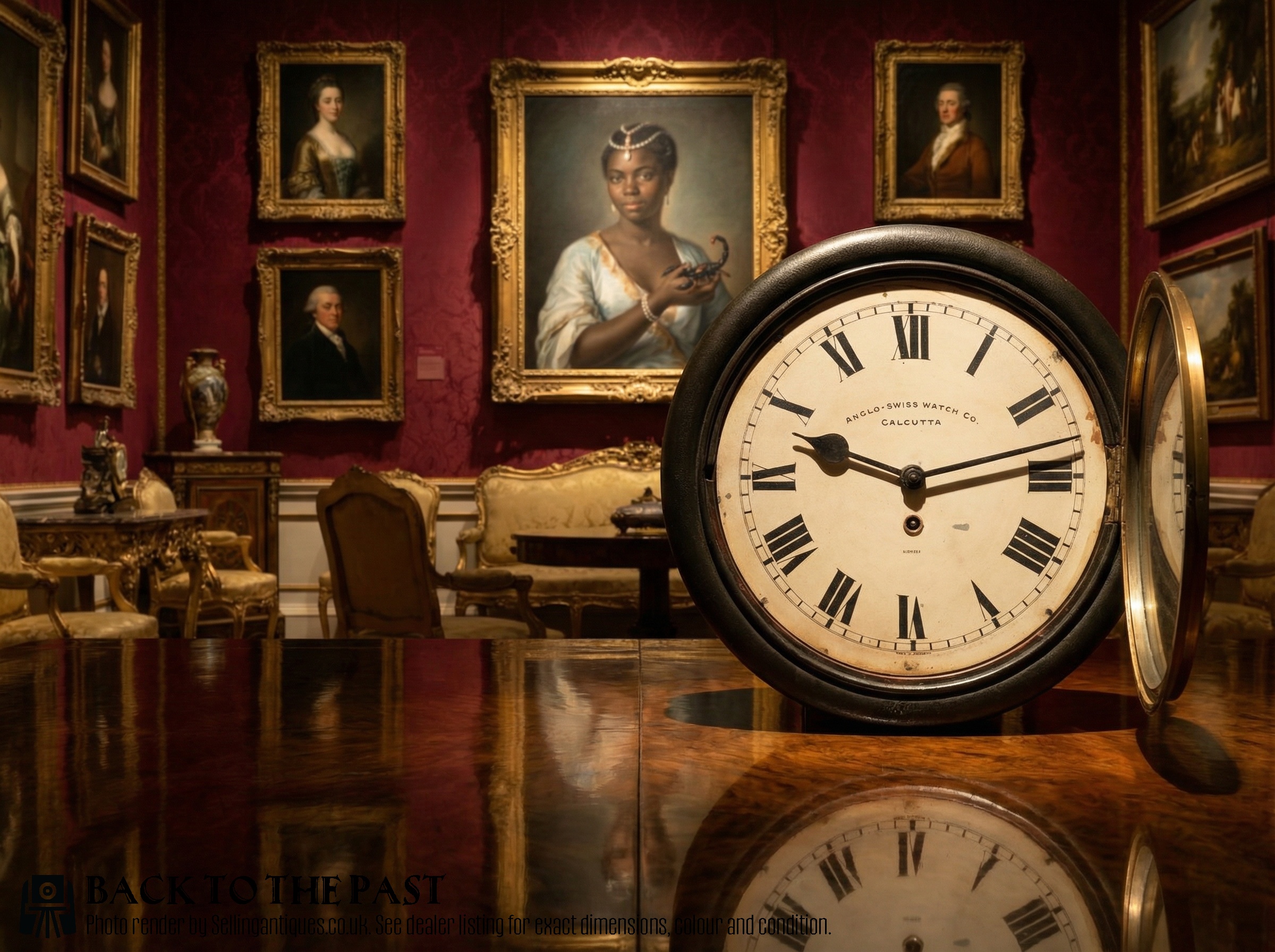
Victorian Railway Clock
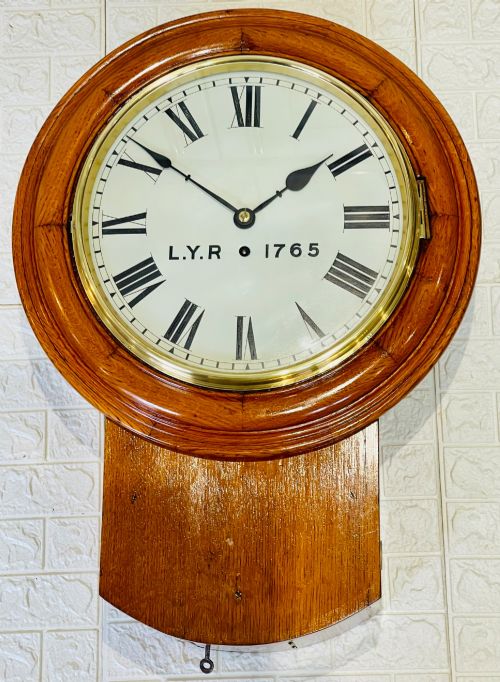
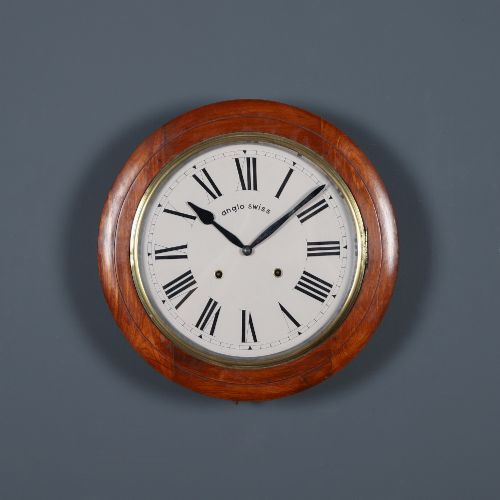
When you search for a victorian railway clock, you encounter substantial wall-mounted timepieces designed to keep precise time for station staff and travellers alike. These pieces originate from major networks such as the Great Western Railway, London, Midland and Scottish Railway, and Lancashire and Yorkshire Railway, reflecting the expansion of Britain's transport network.
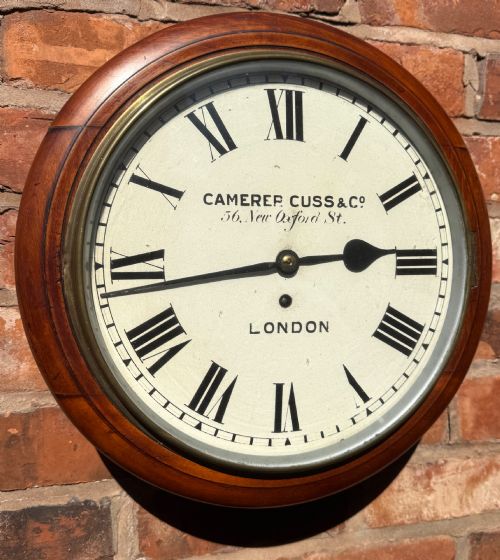
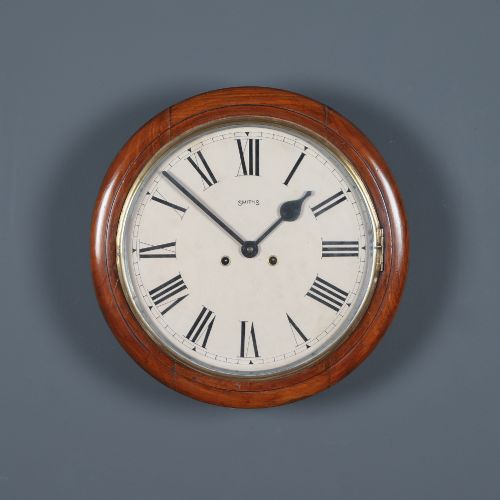
The version you are most likely to meet on this page is the fusee dial wall clock housed in a round timber case. Drop-dial variants with lower wooden trunk cases also appear frequently, alongside occasional striking or chiming station clocks from the early twentieth century.
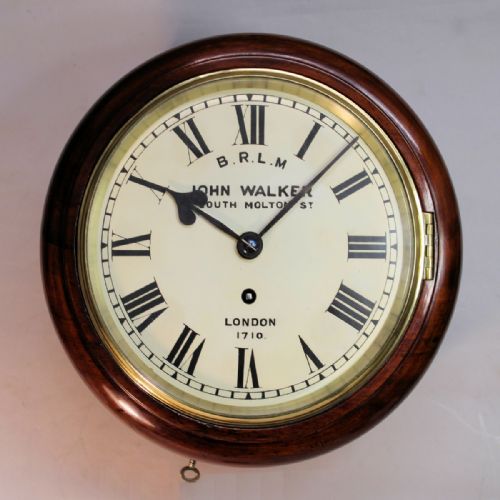
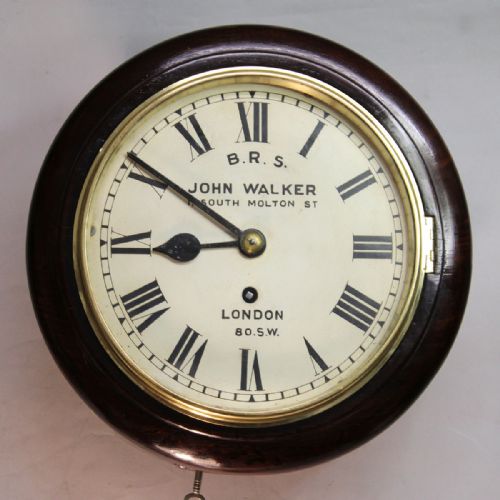
The evidence shows production spanning the nineteenth century into the 1930s, encompassing standard dial clocks and large regulator wall clocks. Makers and retailers such as John Walker and Camerer Cuss & Co stamped their names on dials and movements, linking utility with reputable London craftsmanship.
Materials and construction methods
Makers housed these movements in sturdy wooden cases turned from solid timber. Mahogany is the predominant material recorded in the listings, complemented by oak, beech, and painted wood.
The mechanical heart relies on a fusee movement, which uses a cone-shaped pulley and a chain or gut line to ensure even power delivery as the mainspring unwinds. This mechanical arrangement allows the heavy dial clock to maintain steady accuracy over its running period.
Protection comes from heavy brass bezels and thick glass covers that shield the painted iron or wood dials from dust, moisture, and the soot of steam engines.
Victorian Railway Clock Retail Price Guide 2026
Typical asking prices for victorian railway clock among the pieces listed under this phrase on Sellingantiques today, from the lower quarter to the upper quarter. They describe what is for sale here now, not the wider market.
Some station clocks feature subtle scratch marks inside the case where hurried maintenance men recorded generations of quick adjustments.
Distinctions in execution and finish
Quality rests in the precision of the fusee movement and the crispness of the dial markings. Finer examples display clean, hand-cut gear wheels and original engraved maker signatures on the dial face.
Case timber selection dictates the visual hierarchy of these pieces. Solid mahogany cases with tight grain, well-fitted side doors, and robust locking mechanisms sit above utilitarian beech or painted softwood alternatives.
The presence of identifiable railway company lettering or specific station provenance adds historical depth, separating standard office timepieces from documented line-side equipment.
Camerer Cuss and Co·John Walker·Thomas Gibbs
The Victorian Railway Clock Glossary
- Fusee
- A conical pulley connected to the mainspring by a chain or cord. This clever device equalises the torque of the spring as it winds down, ensuring consistent timekeeping.
- Dial clock
- A wall-mounted timepiece featuring a round face designed for quick legibility. These clocks hung in station master offices, ticket halls, and boardrooms.
- Drop dial
- A clock case featuring a circular dial at the top and an extended lower wooden trunk. This lower section accommodates the swing of a longer pendulum.
- Bezel
- The brass or wooden ring that holds the protective glass in place over the clock face. It often opens on a hinge to allow hand-setting.
- Timepiece
- A clock that indicates the hours and minutes but lacks a striking or chiming mechanism. Most standard railway dial clocks operate as pure timepieces.
Victorian Railway Clock: Frequently Asked Questions
How do I wind a fusee wall clock?
Use the appropriate winding key on the dial arbor to turn the movement clockwise until resistance meets you. Take care not to overwind the chain.
Ensure you support the heavy pendulum and secure the case door properly after completing the winding process.
Were these clocks used on platforms?
Most fusee dial clocks hung inside booking offices, waiting rooms, and signal boxes rather than open platforms. Their wooden cases and painted dials required shelter from harsh weather.
Larger double-dial variants or specially housed outdoor clocks did exist, but standard interior models dominated daily operations.
How can I identify a railway company clock?
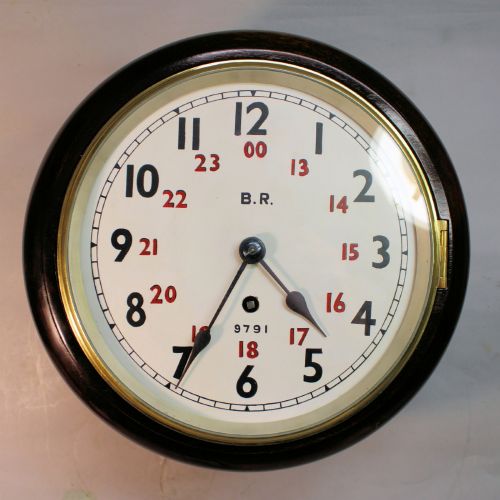
Look for painted initials, engraved company names, or inventory numbers on the dial face and wooden case. Initials such as GWR or LMS point directly to specific historic networks.
Makers' signatures like John Walker often appear alongside these railway markings, confirming official supply contracts.
Why do some dials say school or office?
Clockmakers built identical fusee dial movements for railways, schools, and offices because the clear round layout suited any institutional setting. Dealers sometimes use these descriptive terms interchangeably.
Inspect the case and dial for transport company stamps to confirm whether an office clock actually served a railway station.