


Wooden Wall Clock
A wooden wall clock brings warmth and precise mechanical timekeeping to any room, and these examples combine period craftsmanship with reliable daily utility.
What these wooden wall clocks are
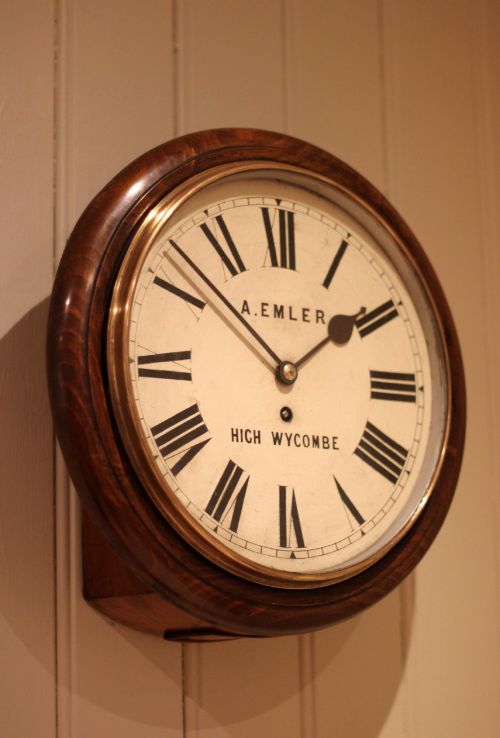
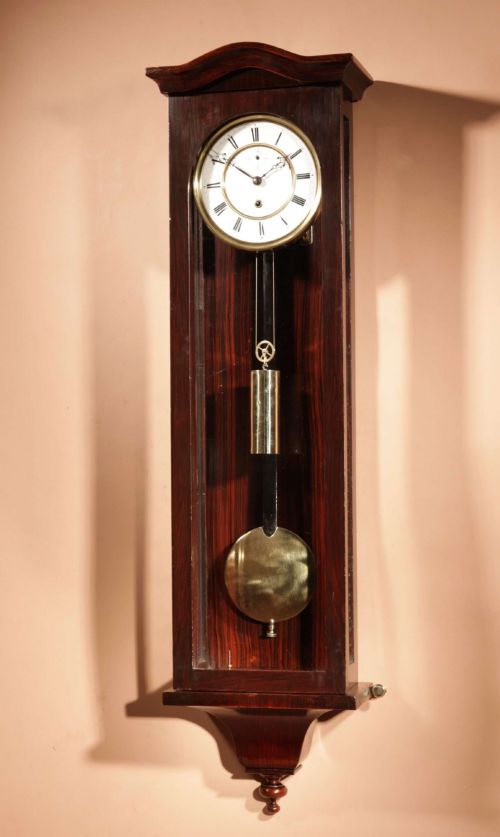
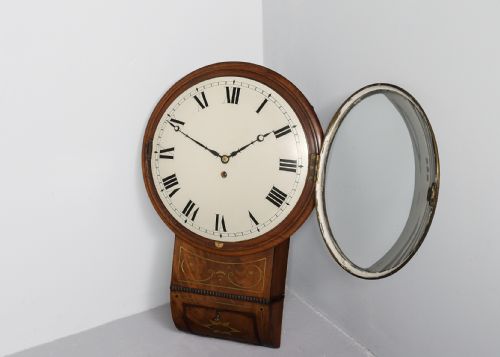
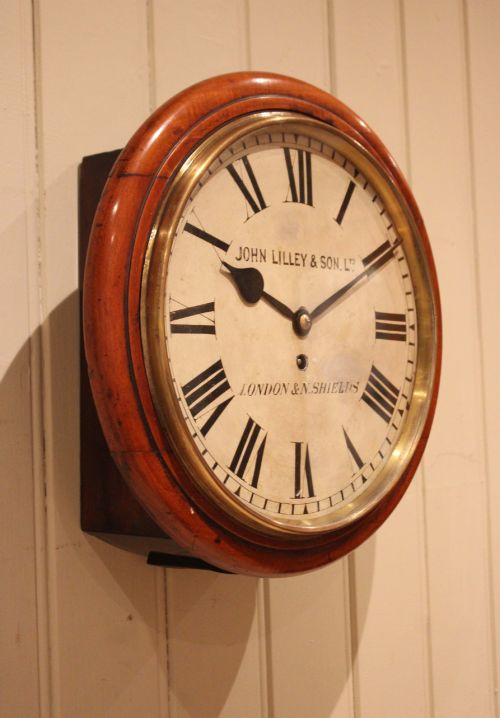
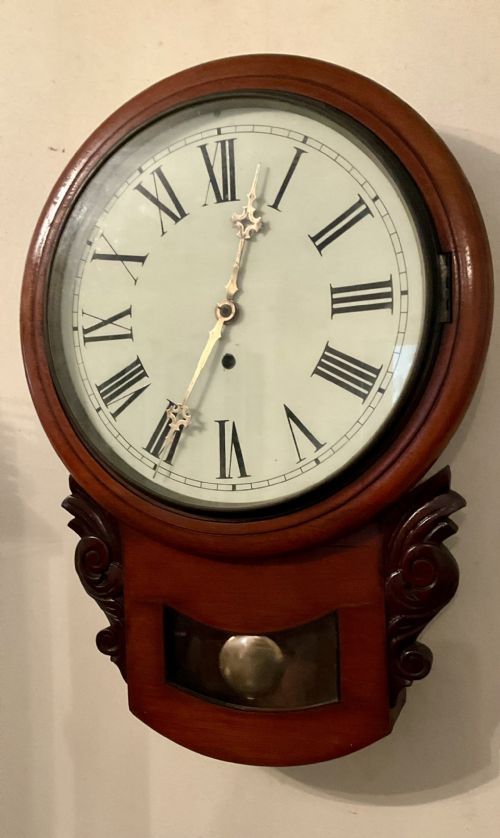
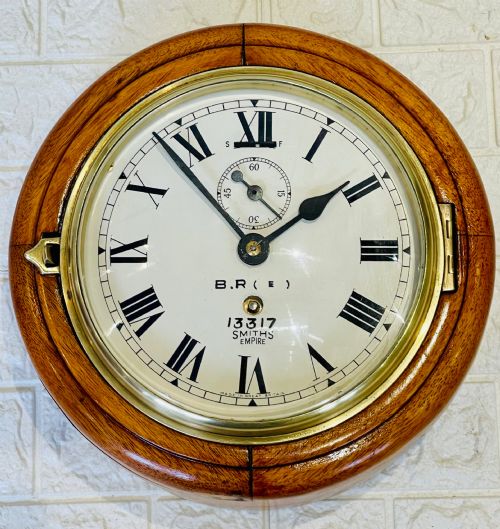
A wooden wall clock serves as both a practical timekeeper and a striking interior feature, drawing on established traditions of horology across multiple historical periods. When searching for a wooden wall clock, buyers encounter diverse forms ranging from Victorian fusee models and Arts and Crafts oak designs to Art Deco elm and walnut pieces.
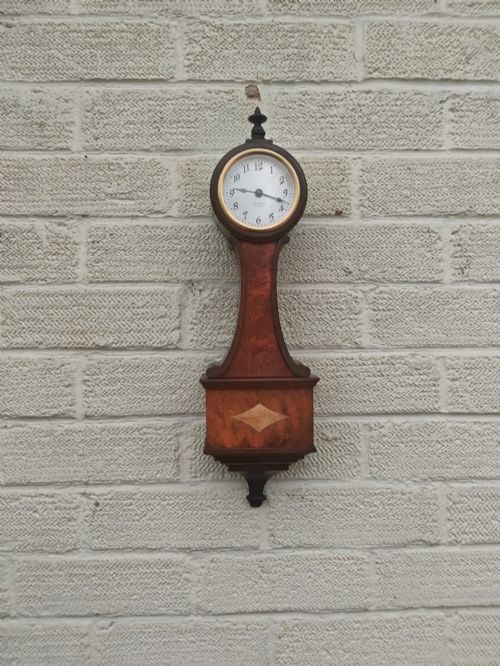
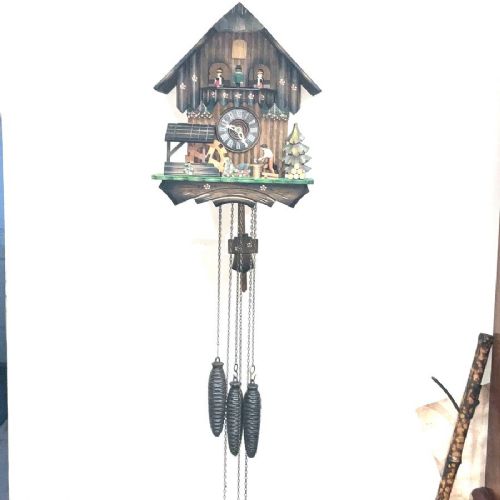
The selection includes specialised regional variations such as Black Forest cuckoo clocks, Colonial Revival pieces, and banjo clocks by makers like Seth Thomas. Examples span from the late nineteenth century through to the mid-twentieth century, with Victorian and 1930s pieces appearing frequently.
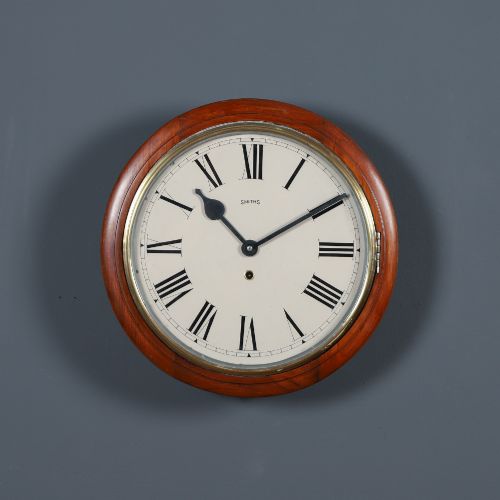
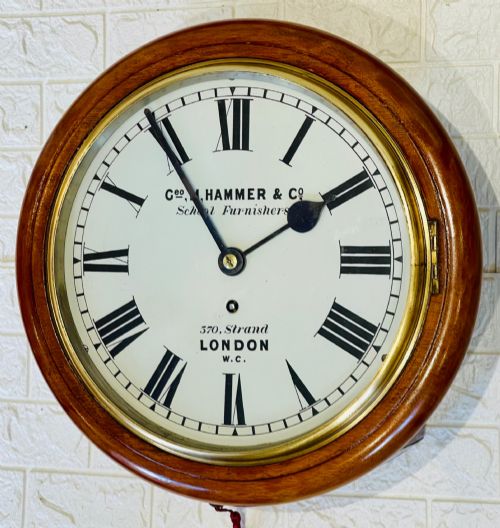
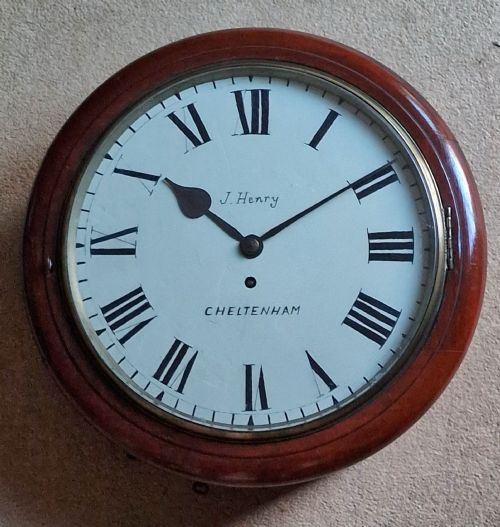
Dial materials and case timbers vary significantly across the inventory, reflecting the shifting aesthetic preferences of each decade. Buyers find everything from railway dial clocks housed in mahogany to architectural oak clocks with brass numerals.
How they were made
Cabinetmakers utilised robust hardwoods such as mahogany, oak, elm, and walnut to construct durable cases designed to house complex mechanical movements. Glass panels protect the dials, while brass components feature heavily within the internal movements and exterior numeral rings.
Movements incorporate traditional fusee mechanisms, eight-day striking systems, and mechanical musical automatons. Dials often feature painted wooden surfaces, contrasting numerals, and precise hand-cut brass hands.
Retail Price Guide 2026
Typical UK retail prices for wooden wall clock, calculated from the Sellingantiques database of over a million retail prices indexed since 2003. This retail price guide relies exclusively on Sellingantiques data; no external sources or auction records are used, so the figures do not describe the wider market.
The listings span from 1802 through to 1950, showcasing timber cases in mahogany, oak, elm, and walnut alongside painted wooden dials.
What varies in quality
The sophistication of the internal movement distinguishes standard wall clocks from superior examples, particularly mechanical fusee systems designed for exceptional timekeeping accuracy. The choice and finish of the timber case, from richly grained mahogany to selected Art Deco veneers, dictates the visual presence of the piece.
Signatures on dials or movements elevate a clock's standing, connecting the piece to recognised workshops and makers. The preservation of original painted wooden dials and secondary brass mounts demonstrates superior historical integrity.
Seth Thomas·Zenith·Thwaites·Alex Purvis·Thomas Harrison·Thwaites and Reed
The Wooden Wall Clock Glossary
- Fusee
- A conical pulley connected to the mainspring by a cord or chain, designed to equalize the driving force as the spring unwinds. This mechanism is crucial for maintaining consistent timekeeping accuracy in high-grade clocks.
- Drop-dial
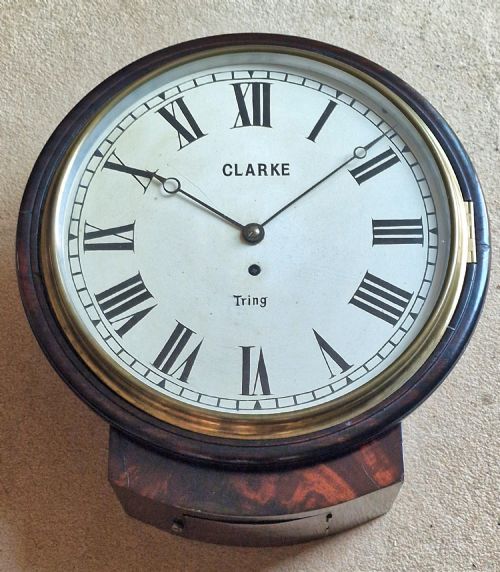
- A clock case featuring an extended lower portion beneath the main dial, often used to house a longer pendulum and trunk. This design became popular in English offices, railways, and domestic spaces during the nineteenth century.
- Automaton
- A mechanical figure or mechanism that moves independently during the operation of the clock, commonly seen in musical cuckoo clocks. These animated elements add an interactive, visual layer to the timekeeping experience.
- Banjo clock
- A wall clock characterised by a long, vertical pendulum box and a round dial, shaped broadly like a banjo. This form gained prominence in American horology during the early twentieth century.
- Arts and Crafts
- A design movement emphasising handcraftsmanship, visible construction methods, and simple vernacular forms. Clocks from this tradition utilise solid oak and straightforward brass detailing to highlight natural materials.
Frequently Asked Questions
How do I wind an eight day wall clock?
An eight day wall clock requires winding approximately once a week using a matching key inserted into the winding arbor on the dial. Care must be taken not to overwind the spring, stopping as soon as firm resistance is felt.
Maintaining a regular winding schedule ensures the movement retains consistent tension, which preserves the accuracy of the timepiece over its operational cycle.
Where should I hang a wooden wall clock?
Hang your clock on a secure interior wall free from dampness, direct sunlight, and excessive temperature fluctuations that can warp wooden cases. A solid wall provides the stability needed for the pendulum to beat evenly.
Ensure the clock hangs completely plumb so the tick remains even and the movement operates without binding or stopping prematurely.
How do I tell Victorian clocks apart from Art Deco pieces?
Victorian clocks typically feature heavier dark mahogany or oak cases with carved details, Roman numerals, and traditional dial surrounds suited to formal period interiors. They lean towards historical revivals and functional utility.
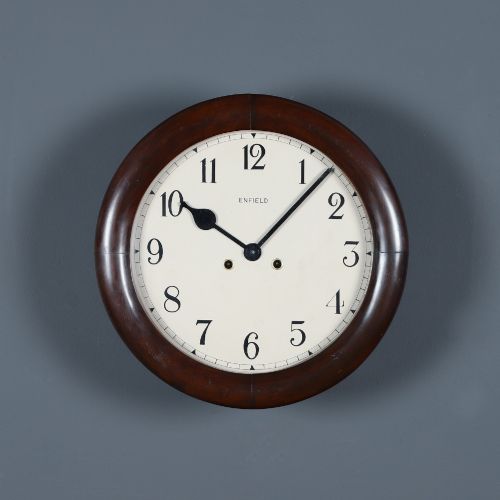
Art Deco clocks utilise streamlined geometric forms, lighter timbers like elm and walnut, and stylized numerals that reflect modern design sensibilities of the 1930s.
What is the function of a fusee movement?
A fusee movement uses a conical pulley and chain to regulate the power delivered from the mainspring to the gear train. As the spring unwinds, the chain moves to a wider part of the cone to maintain steady torque.
This clever mechanical compensation prevents the clock from losing speed as the power source diminishes, marking it out as a superior timekeeping system.