
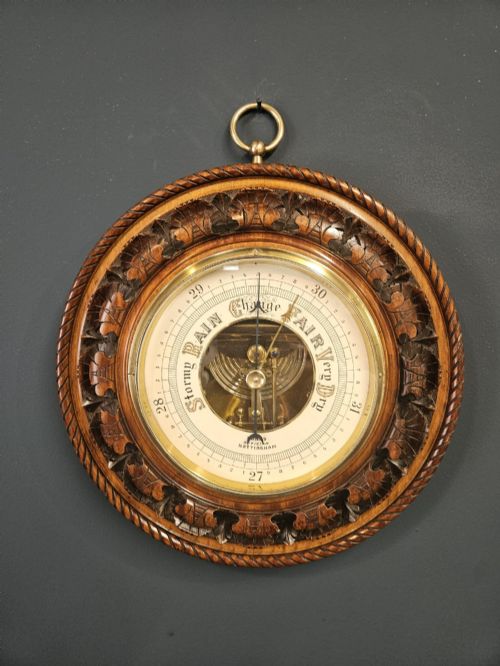

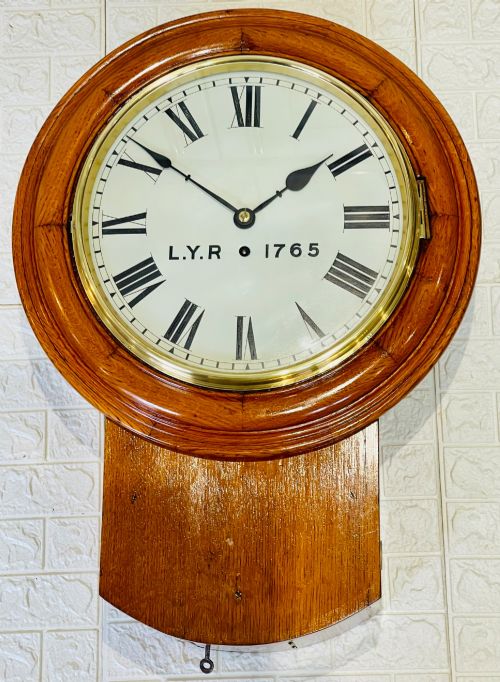
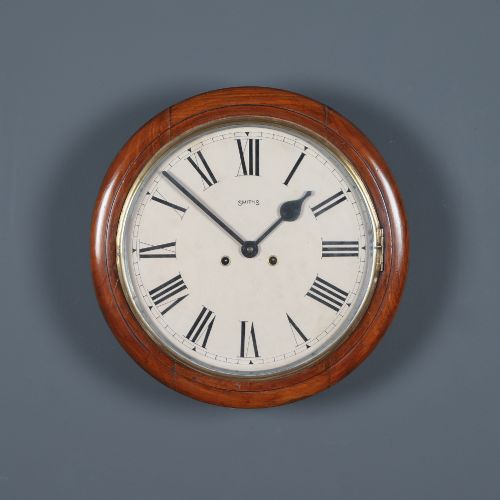
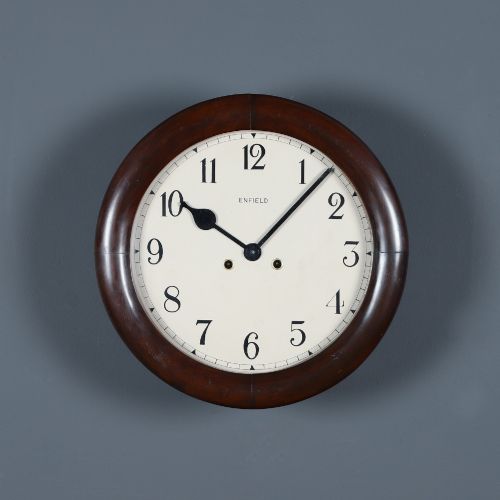
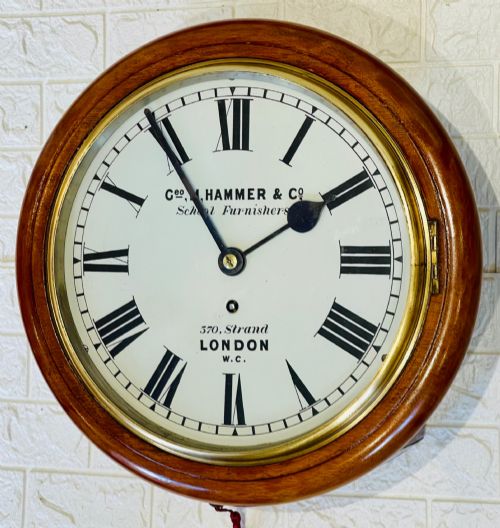
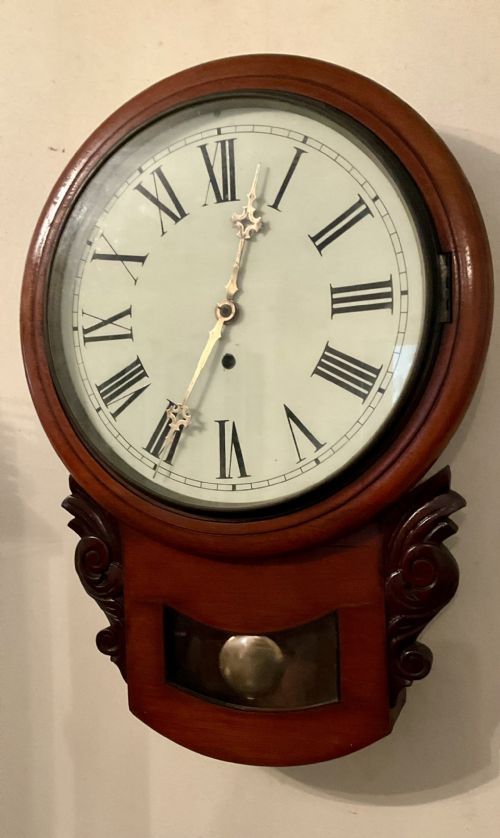
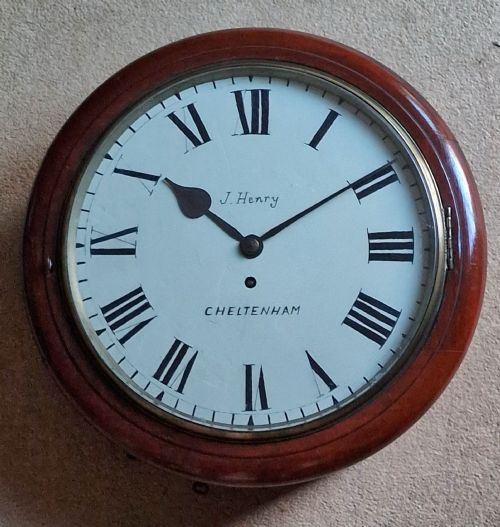
Vintage Wall Clock
These vintage wall clock pieces bring striking nineteenth and twentieth century timekeeping into modern rooms with architectural presence.
Identifying a vintage wall clock
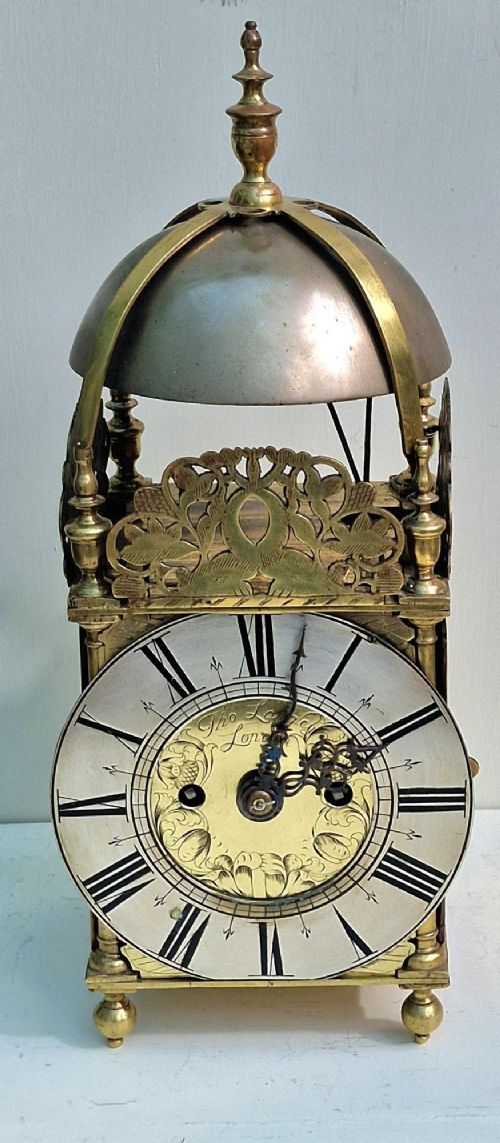
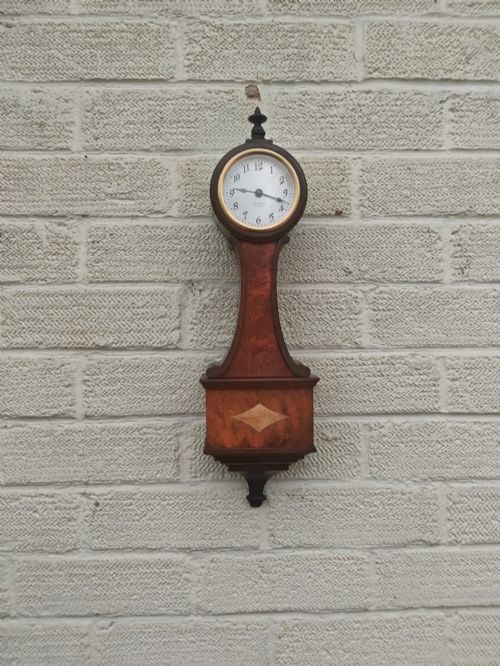
A vintage wall clock combines practical timekeeping with distinct period character, drawing collectors who appreciate functional antique items. The selection ranges from nineteenth century round railway dials to twentieth century English designs and earlier eighteenth century fusee movements.
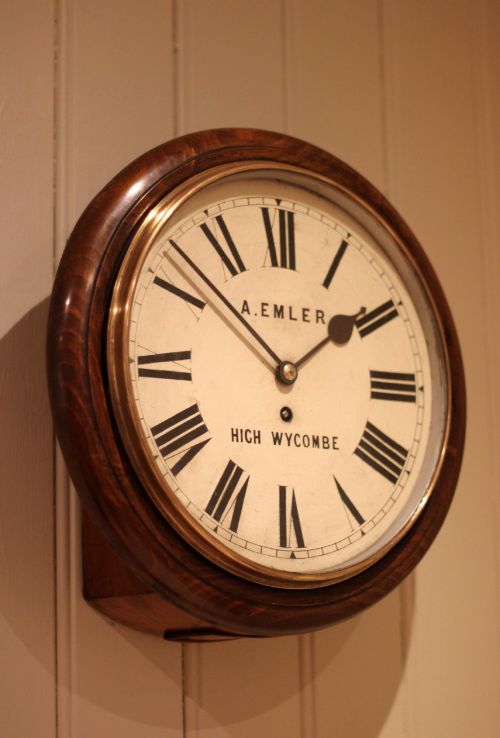
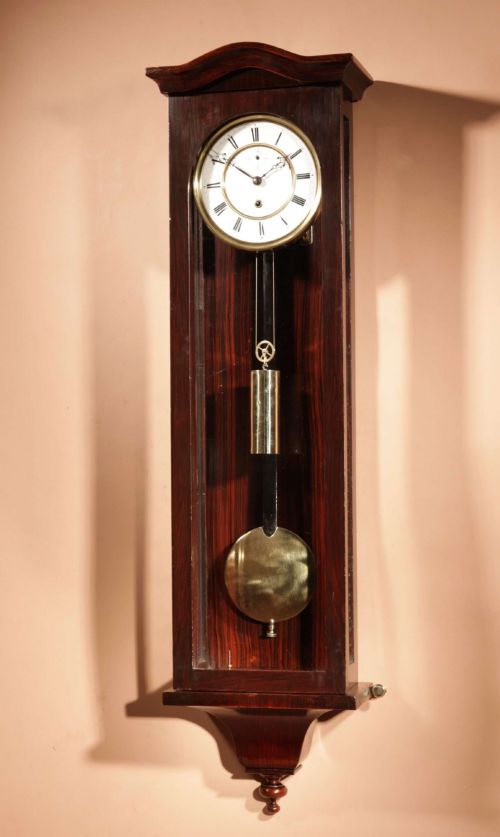
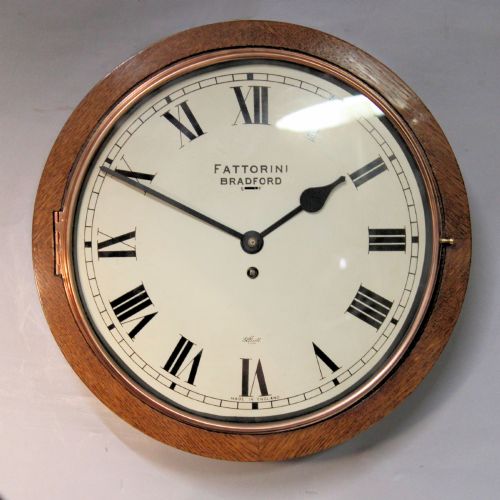
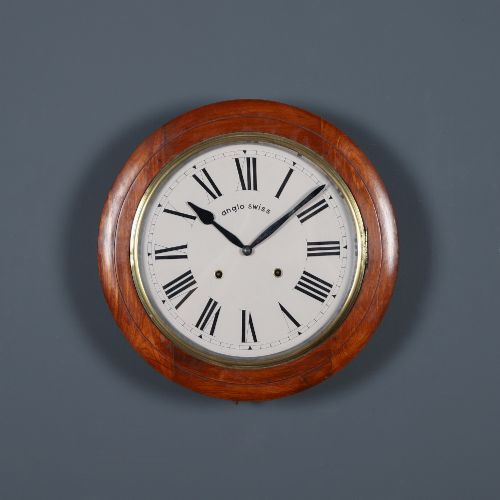
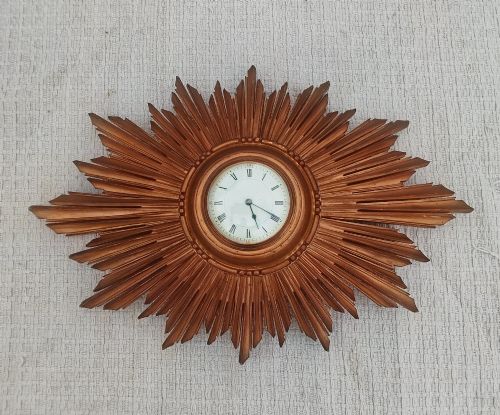
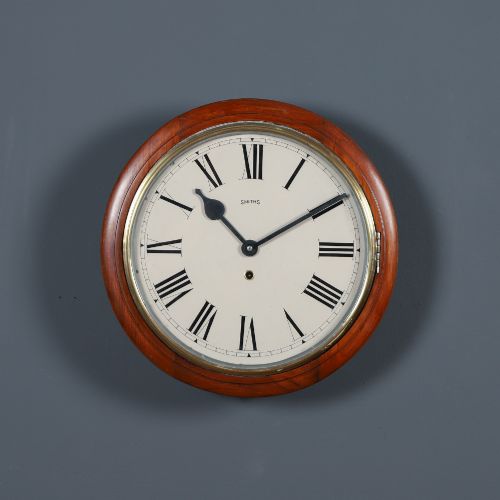
Buyers most frequently encounter robust oak and mahogany school or station round dial pieces alongside walnut Art Deco models from the nineteen thirties. Simpler nineteenth century regulator formats and smaller six inch dials also appear across the listings.
Materials and construction
Cranes of timber such as mahogany, oak, walnut, and burr walnut form the structural cases that house the mechanical movements. Glass protects the visible dials while brass and copper components add metallic contrast and structural detail.
Clockmakers utilised reliable mechanisms including lever escapements and fusee systems to drive eight day chimes and precise dial rotations. Each piece combines cabinet making skills with horological engineering suited for daily domestic or public use.
Retail Price Guide 2026
Typical UK retail prices for vintage wall clock, calculated from the Sellingantiques database of over a million retail prices indexed since 2003. This retail price guide relies exclusively on Sellingantiques data; no external sources or auction records are used, so the figures do not describe the wider market.
Railway waiting rooms once relied on these stout round dials to keep impatient commuters from missing the morning steam train.
Assessing quality
Quality rests in the precision of the timber selection, from plain oak utility cases to highly figured burr walnut and rich mahogany veneers. Finer examples display meticulous attention to dial legibility, bezel metalwork, and the sophistication of the internal movement.
The integration of the clock face with the surrounding cabinet work distinguishes standard production from superior workshop output. Original mechanical configurations, such as traditional fusee drives, carry distinct horological merit compared to later adaptations.
Elliott·Enfield·Webster
The Vintage Wall Clock Glossary
- Dial
- The face of the clock where the hours and minutes are displayed. Round dial formats dominate railway and school timepieces.
- Fusee
- A conical pulley used in older clocks to maintain even tension on the chain as the mainspring unwinds. This mechanism is typical of eighteenth century examples.
- Lever escapement
- A mechanical linkage that controls the release of gear train energy to give impulse to the pendulum or balance wheel. It provides reliable timekeeping in twentieth century pieces.
- Regulator
- A precision pendulum clock designed to keep exceptionally accurate time. These nineteenth century items served as reference standards for other clocks.
Frequently Asked Questions
How do I hang a heavy wall clock?
Secure the clock directly into a wall stud or use heavy duty plaster anchors rated for the specific weight of the timber case. Ensure the hanging bracket or internal mounting points bear the load evenly.
Level the case carefully after mounting to ensure the mechanical escapement beats in correct rhythm and the pendulum swings freely without catching.
What is a fusee dial clock?
A fusee dial clock utilises a conical drum and chain mechanism to equalise the declining power of the mainspring as it unwinds. This traditional system improves timekeeping accuracy across the duration of the winding cycle.
These movements are frequently found in older pieces and represent traditional British horological craftsmanship.
How often should an antique clock be wound?
Most eight day clocks require winding once a week to maintain continuous operation and consistent tension on the mainspring. Establishing a regular routine helps preserve the mechanical condition of the gear train.
Consult the specific movement type, as different escapement designs and spring configurations dictate their own servicing and winding intervals.
Where were round dial wall clocks used?
Round dial wall clocks were traditionally installed in public buildings, railway stations, schools, and offices where clear legibility from a distance was essential. Their bold numbers and simple bezels prioritized functional visibility.
Over time, these utilitarian designs transitioned into domestic interiors for their robust construction and distinct industrial aesthetic.