


Antique Walnut Clock
An antique walnut clock brings rich grain and steady mechanical life into a room, spanning grand longcase forms and neat mantel designs.
The forms and periods of an antique walnut clock
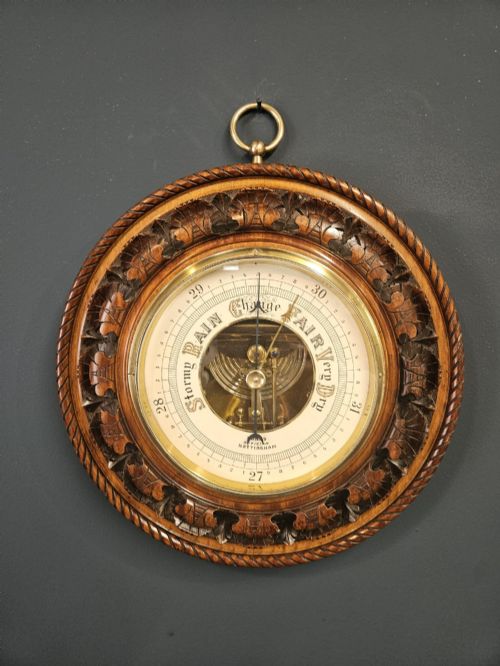
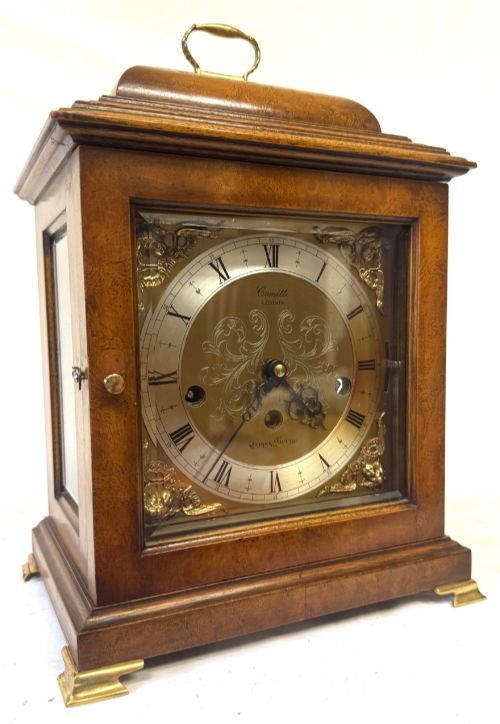
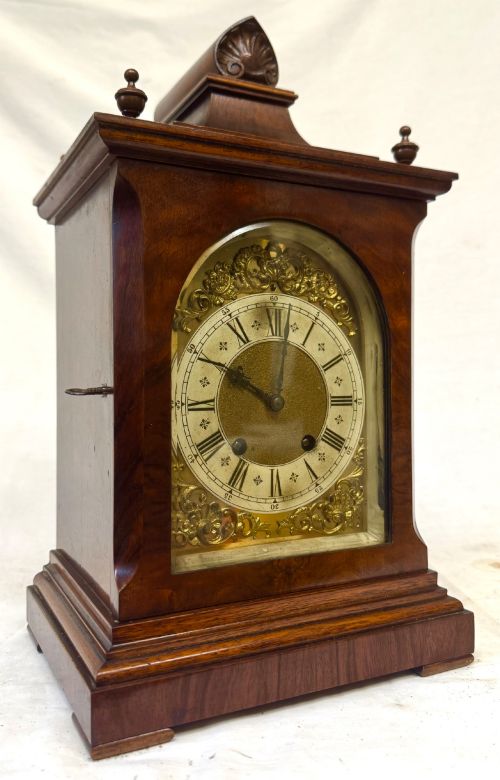
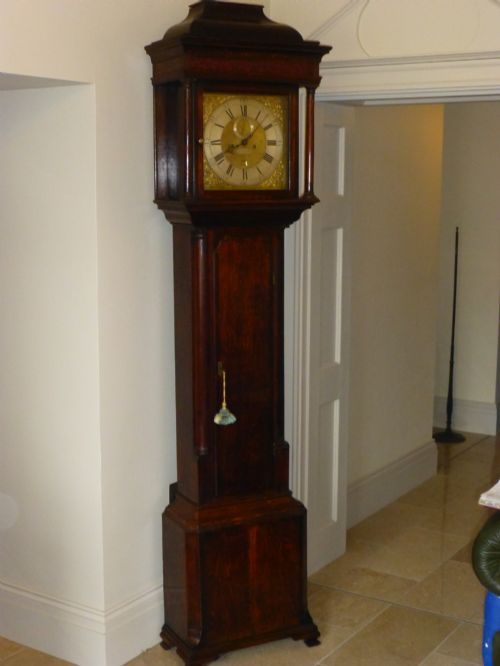
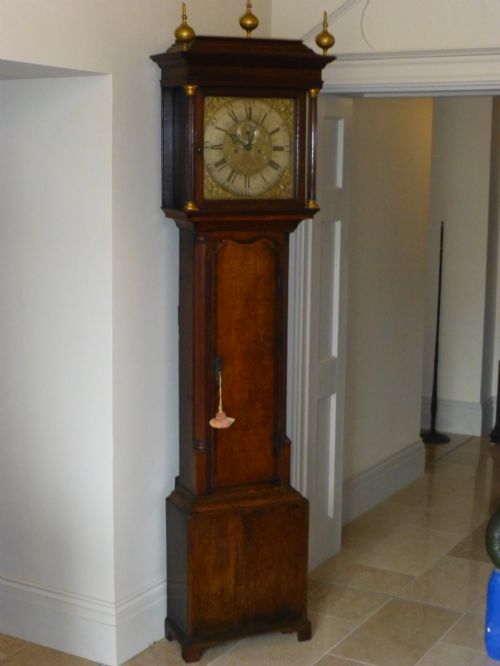
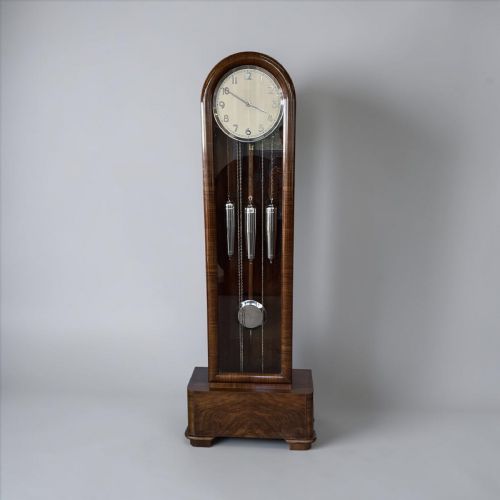
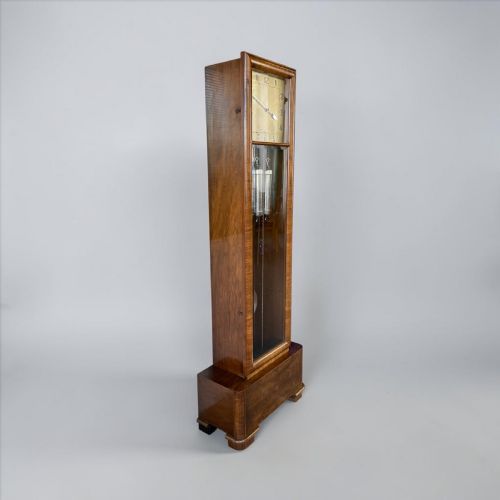
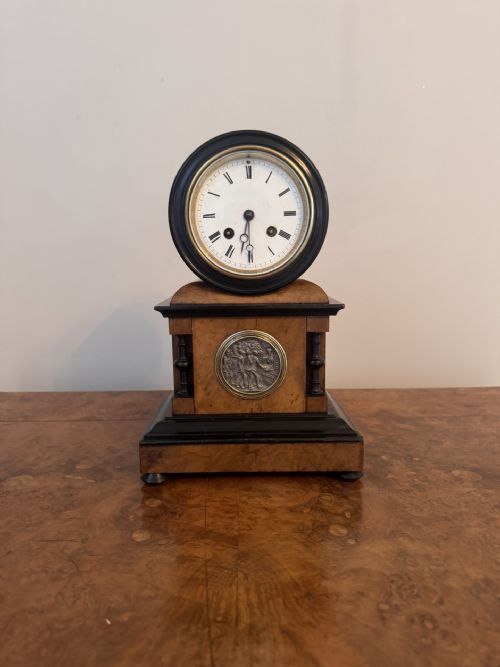
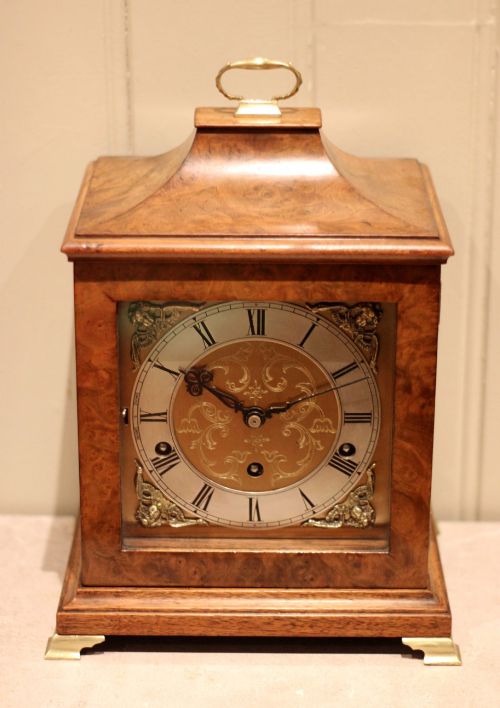
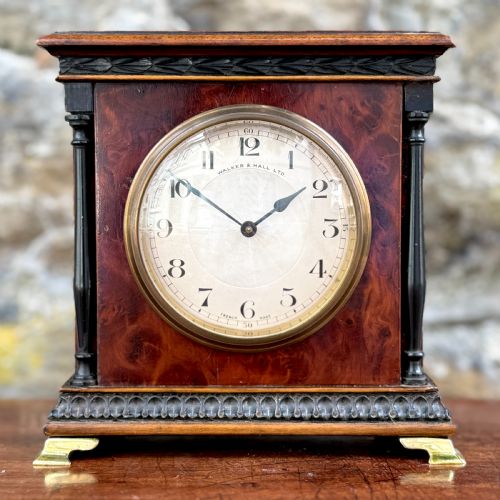
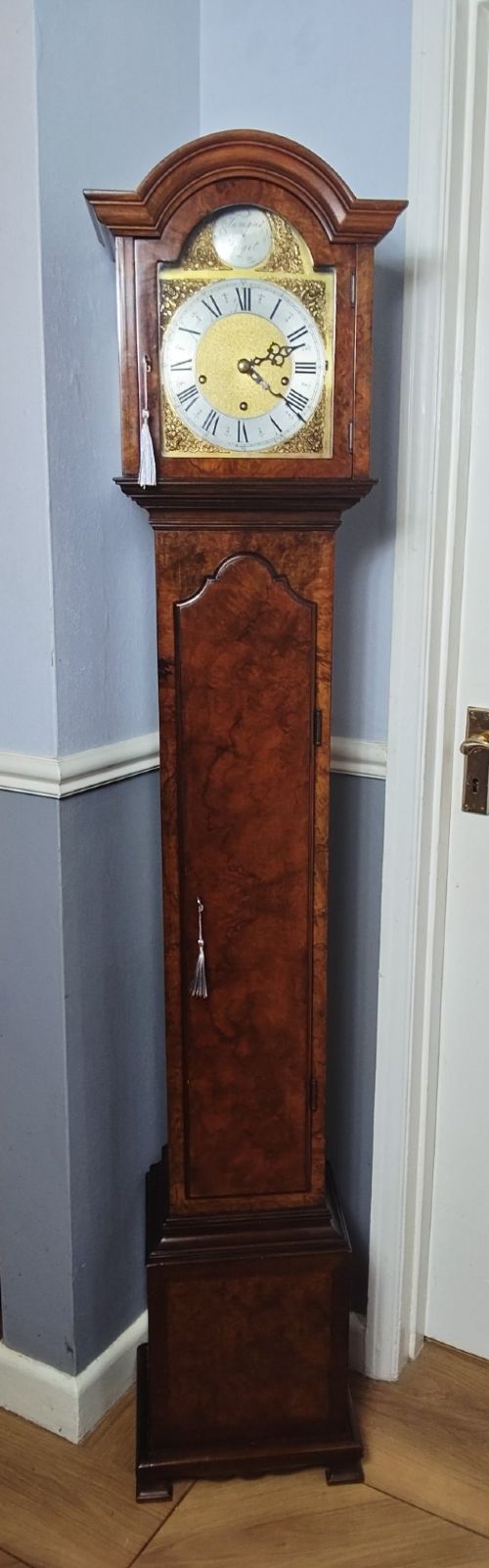
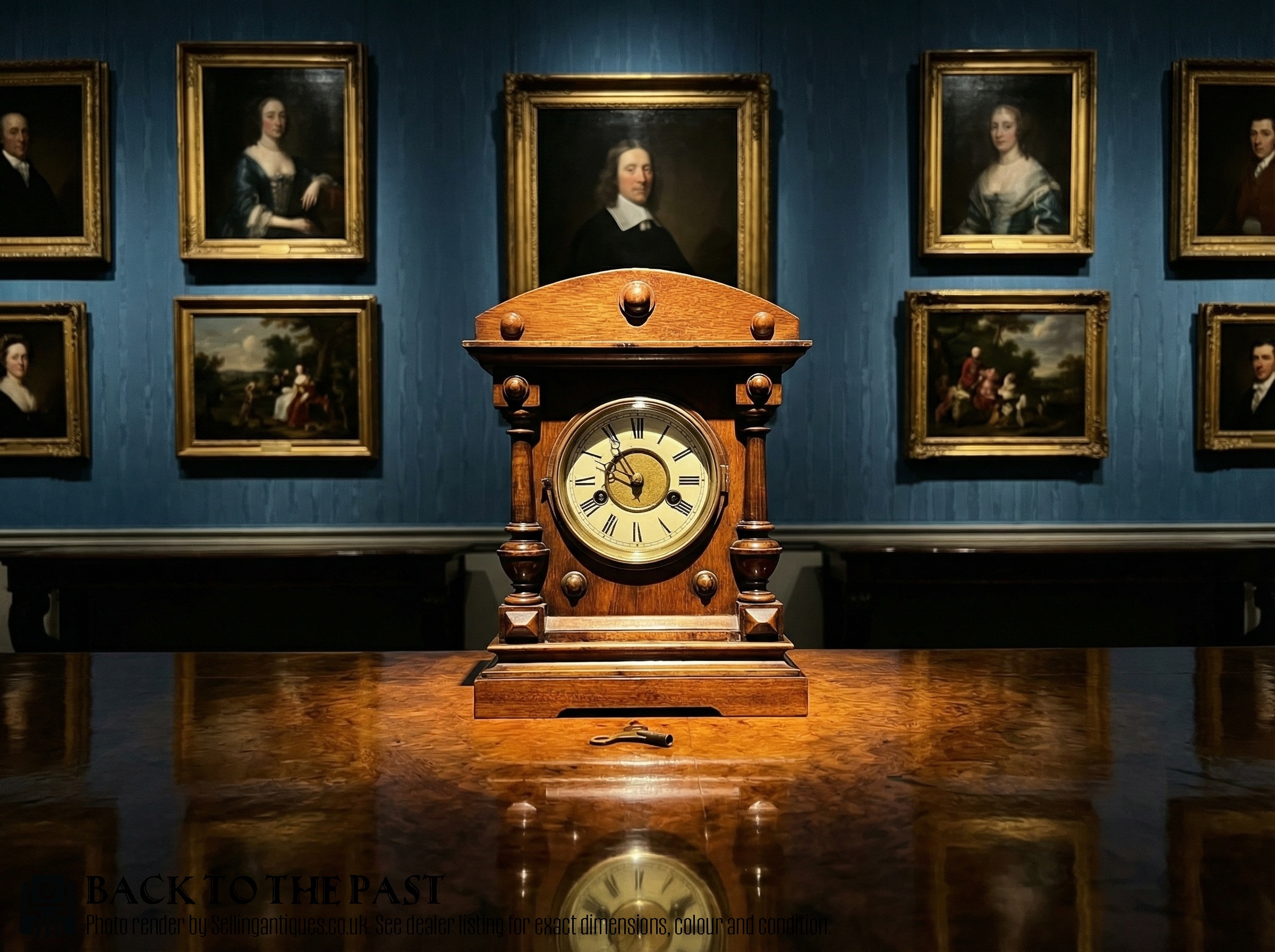
When searching for an antique walnut clock, buyers encounter a diverse selection of timepieces ranging from towering longcase models to compact mantel and wall versions. Longcase examples, including grandmother clocks, anchor the lower floor spaces with substantial cases and musical movements. Smaller bracket and wall pieces suit tighter interior spaces while maintaining the warmth of the dark timber.
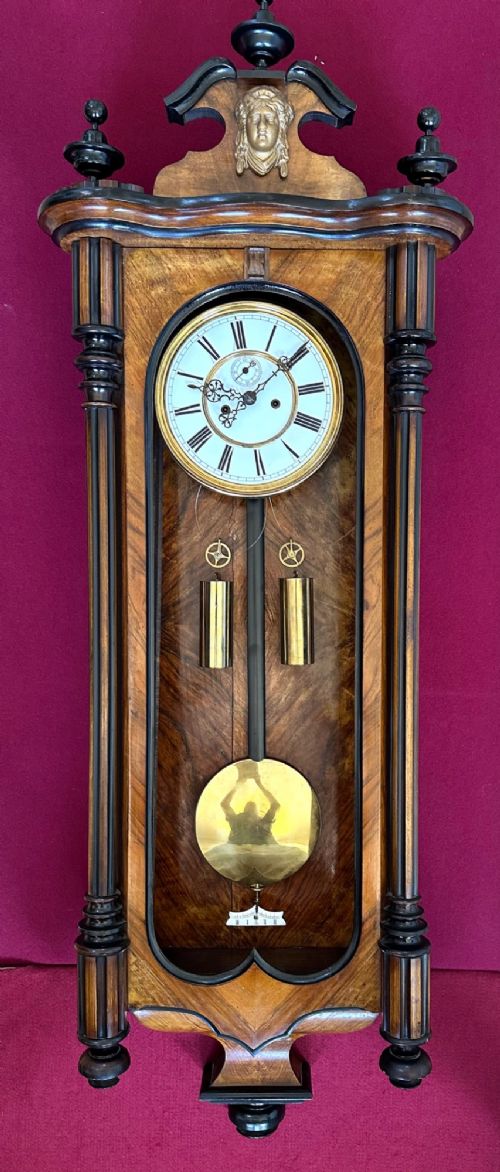
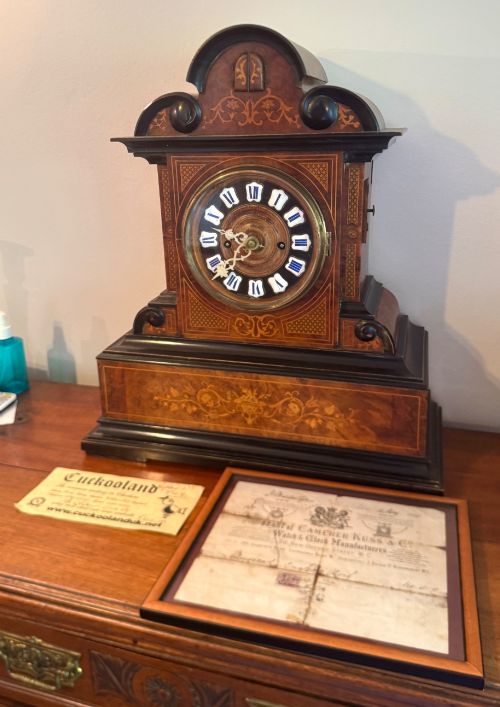
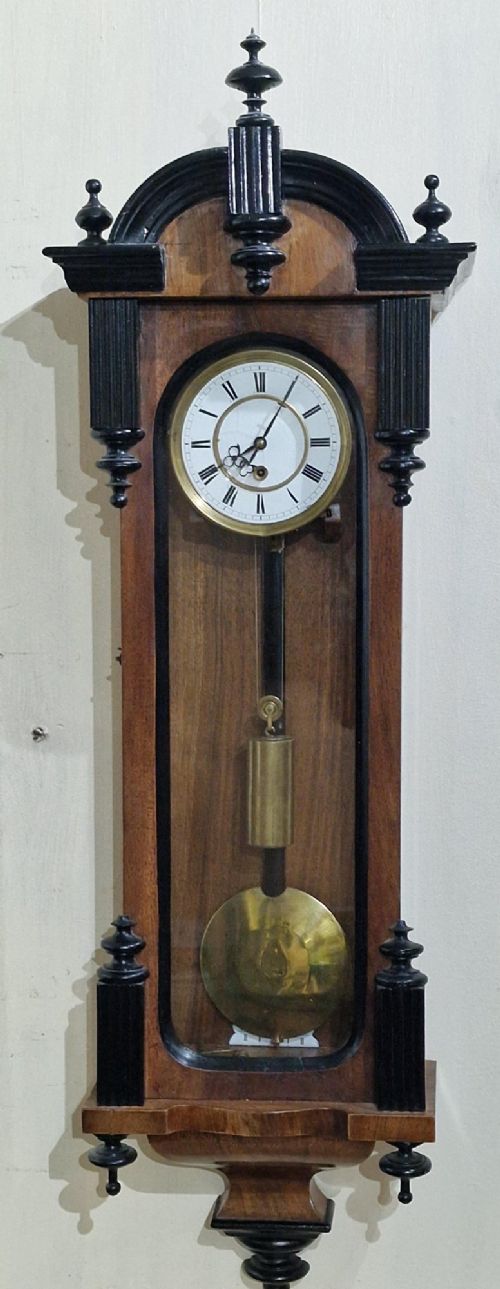
Victorian examples dominate the available styles, often seen in wall-hung Vienna regulators alongside carved mantel pieces. Earlier centuries contribute refined George II and Queen Anne designs, while later twentieth-century items include art deco wall units and musical movements. Walnut frames alternate with burr walnut veneers, brass dials, and occasional copper or ormolu mounts across these historical periods.
Materials and construction
Cabinet makers utilised solid walnut, burr walnut, fruitwood, oak and mahogany to construct robust carcases that housed complex brass movements. Burr walnut veneers provided intricate patterns across door panels and dial surrounds, often complemented by inlaid detailing and carved decorative motifs.
Dials incorporate engraved brass, metal numerals, glass bezels and exposed ormolu mounts to frame the mechanical works. Wall clocks and longcase models integrate weights, pendulums, and striking mechanisms driven by brass gear trains.
Retail Price Guide 2026
Typical UK retail prices for walnut clock, calculated from the Sellingantiques database of over a million retail prices indexed since 2003. This retail price guide relies exclusively on Sellingantiques data; no external sources or auction records are used, so the figures do not describe the wider market.
Materials appearing across the listings include solid walnut, burr walnut, brass, glass, copper, oak and fruitwood.
The markers of distinction
Superior examples separate themselves through the depth of the burr walnut figuring across the case and the precision of the carved ornamentation. Finer longcase and bracket pieces exhibit complex musical movements, quarter striking capabilities, and signed brass dials from notable makers.
The integration of original mounts, glass panels, and well-preserved mechanical parts elevates a piece above standard utility clocks. Craftsmanship in the timber preparation and the clarity of the striking tones define the upper tier of surviving horology.
Henry Massy·Joseph Oxley·Mappin and Webb·John Bagshaw and Sons·Lenzkirch·Camerer Kuss·Kendal and Dent·George Blackie·Gustav Becker·George Rice
The Antique Walnut Clock Glossary
- Burr walnut
- A veneer sliced from the grotesque growth of a walnut tree, prized for its swirling grain patterns. It decorates the front panels of high-status clock cases.
- Grandmother clock
- A slender, shorter version of the longcase clock, typically standing under six feet tall. These pieces fit spaces with lower ceilings while retaining full mechanical movements.
- Ting tang
- A striking mechanism that sounds two different notes on the quarters before sounding the hour on a bell or gong. This chime style appears frequently in bracket and mantel clocks.
- Vienna regulator
- A precision wall clock developed in Austria, featuring a visible pendulum and weight-driven movement. Victorian examples often display elaborate carved walnut cases.
- Bracket clock
- A portable spring-driven clock originally designed to sit on a wall bracket or table. Many feature ornate ormolu mounts and brass dials.
Frequently Asked Questions
How do I wind an antique walnut clock?
Most mechanical pieces utilise a key inserted into winding holes on the dial to tension the internal springs or lift the driving weights.
Care must be taken not to overwind the movement, stopping as soon as resistance is felt.
Where should I place a longcase clock?
Longcase models require a stable, dry interior wall away from direct sunlight and sudden temperature changes to protect the walnut timber and keep the pendulum swinging truly.
Securing the tall case to the wall prevents accidental tipping and ensures accurate timekeeping.
What is a quarter striking movement?
A quarter striking movement sounds a chime every fifteen minutes, breaking the hour into musical segments before tolling the full hour.
These systems often employ multiple gongs or bells to create distinct melodies.
How do I identify a Vienna wall clock?
Vienna regulators feature long glass doors displaying a descending weight and a swinging pendulum, housed inside a carved walnut case.
They were designed for high accuracy and typically hang prominently in domestic hallways or living rooms.