
Vintage Floor Clock
A vintage floor clock grounds a room with steady gravity, marking the hours in tall timber cases from Georgian, Victorian, and Edwardian workshops.
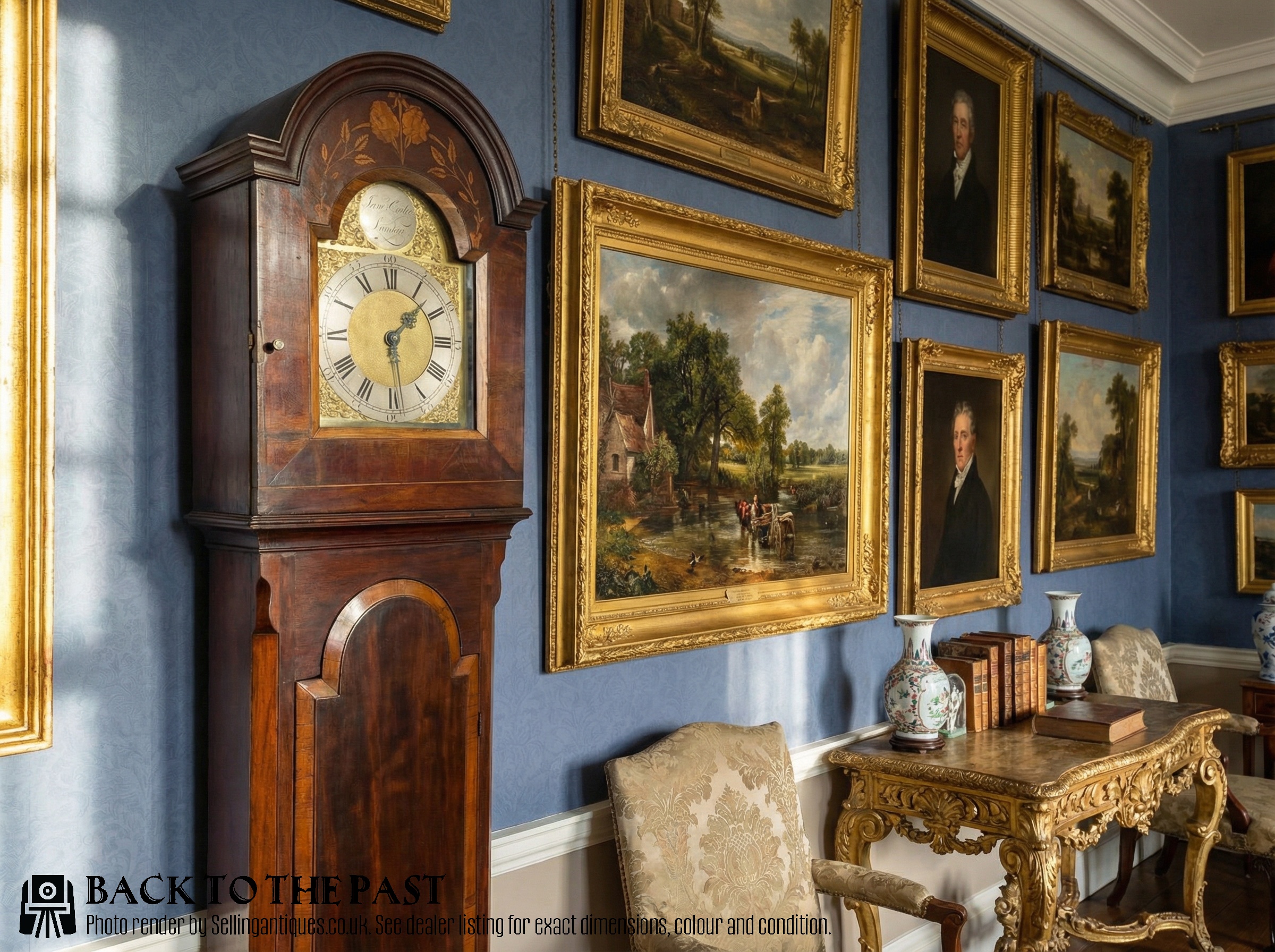
Vintage Floor Clock
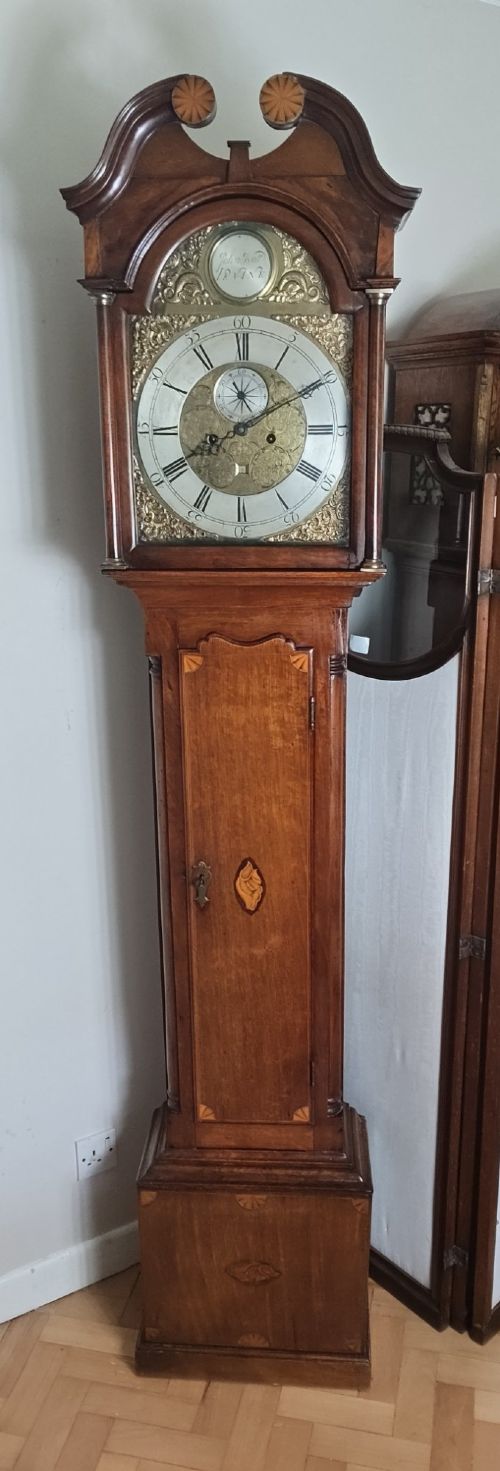
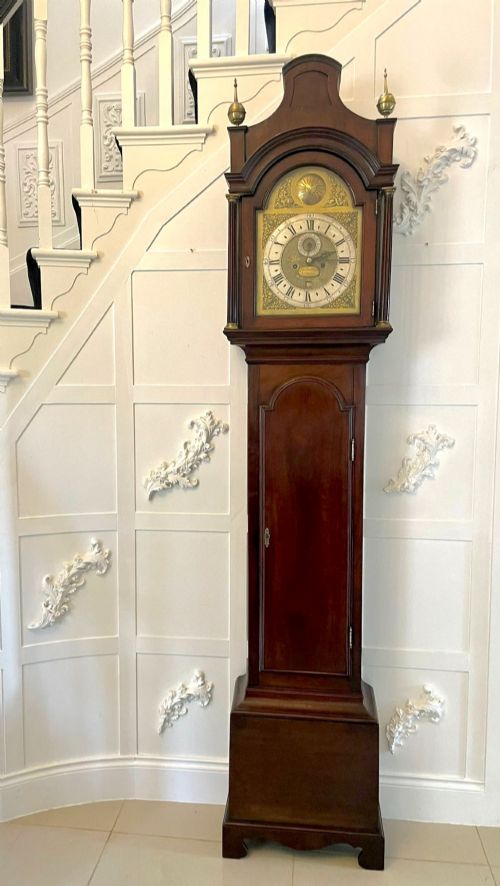
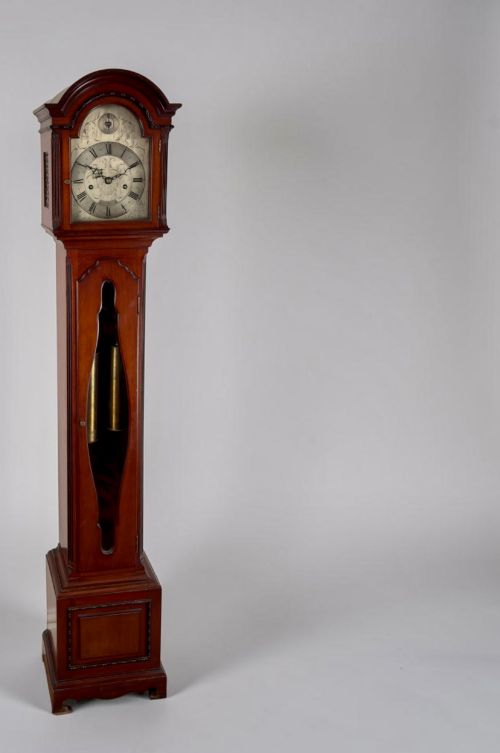
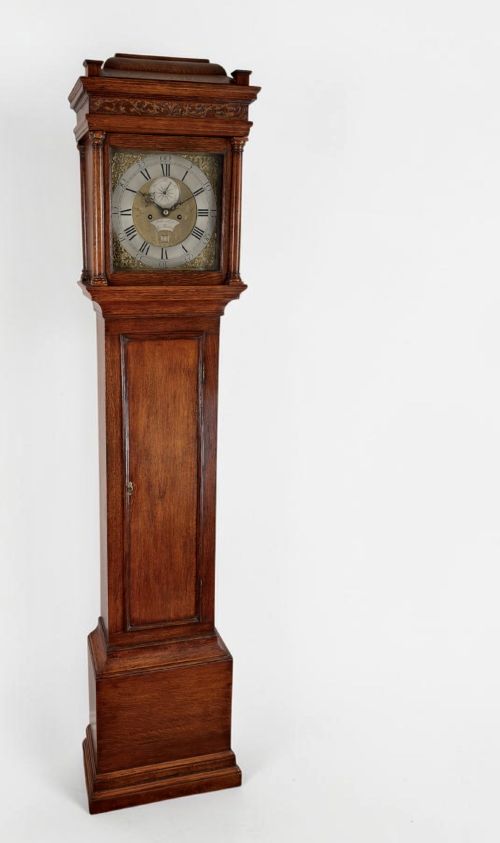
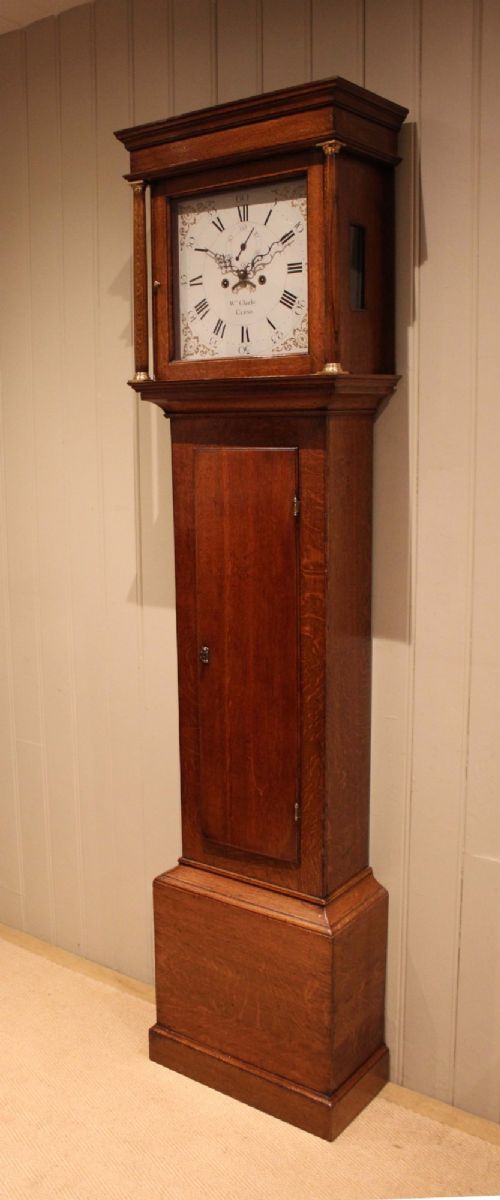
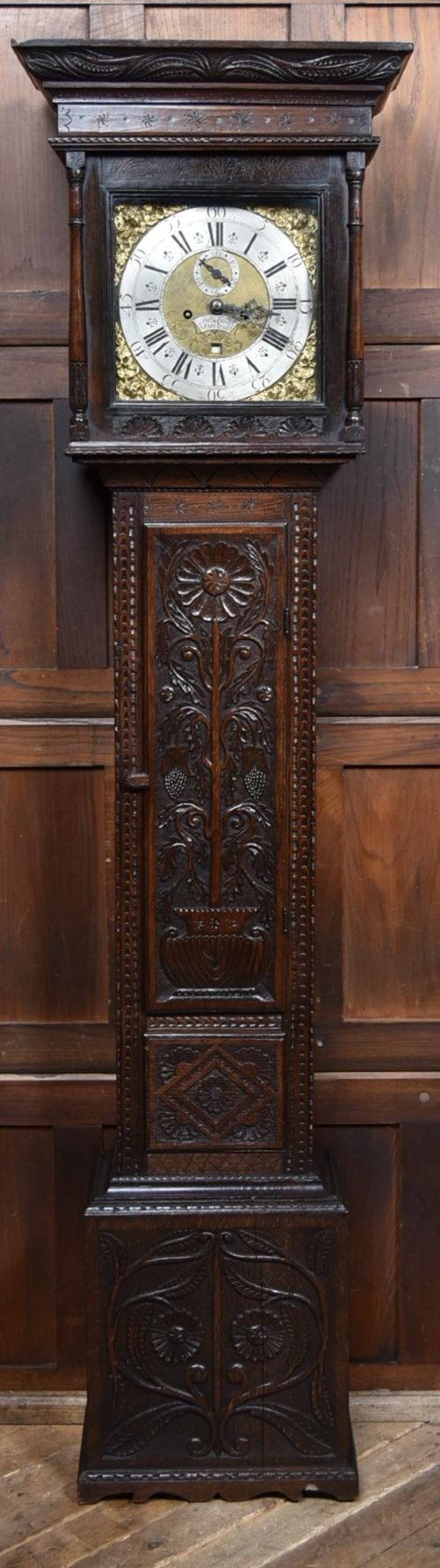
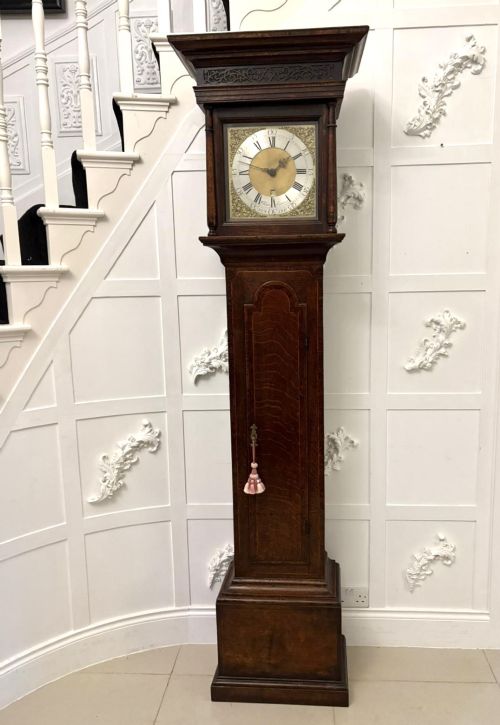
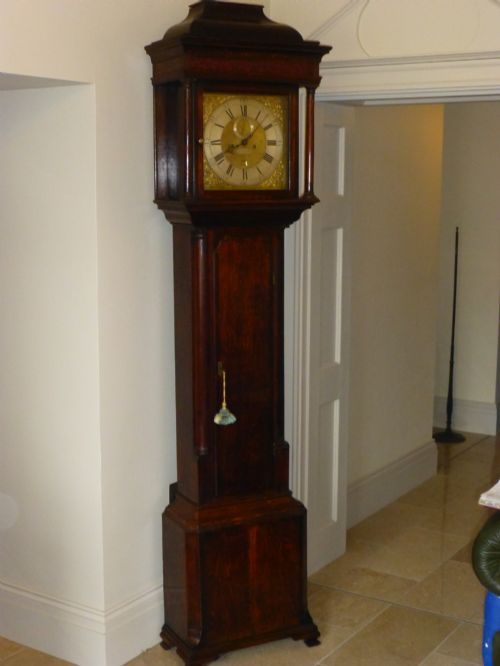
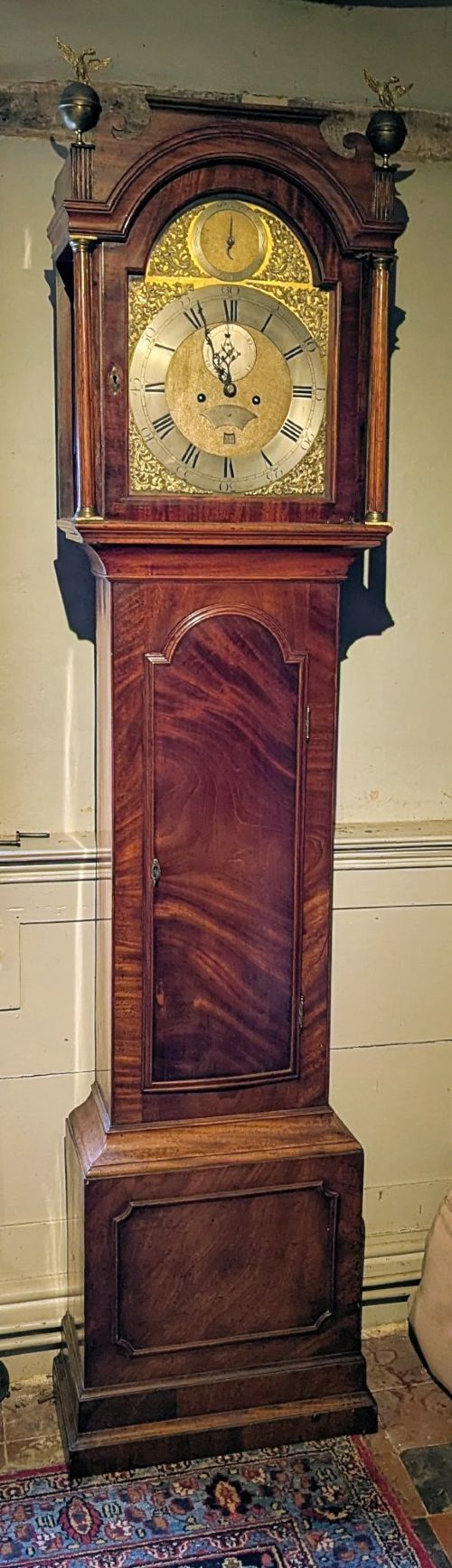
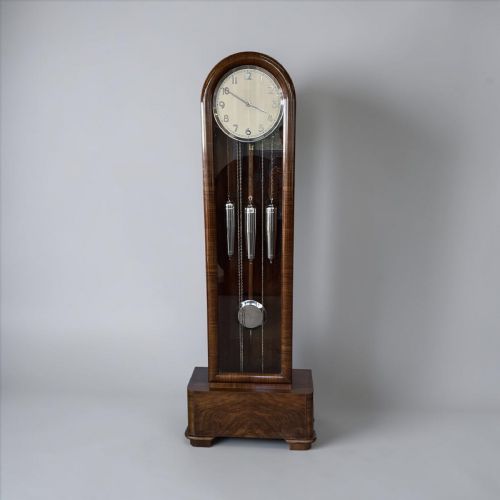
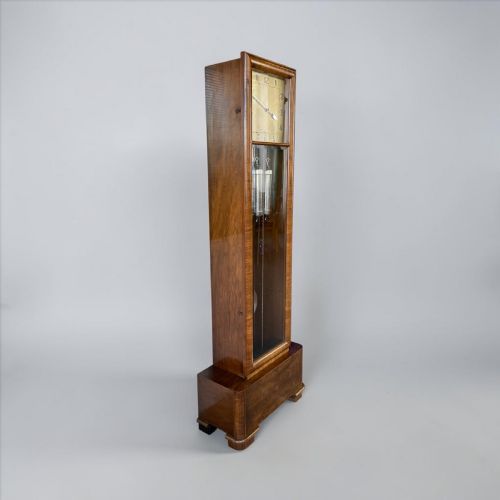
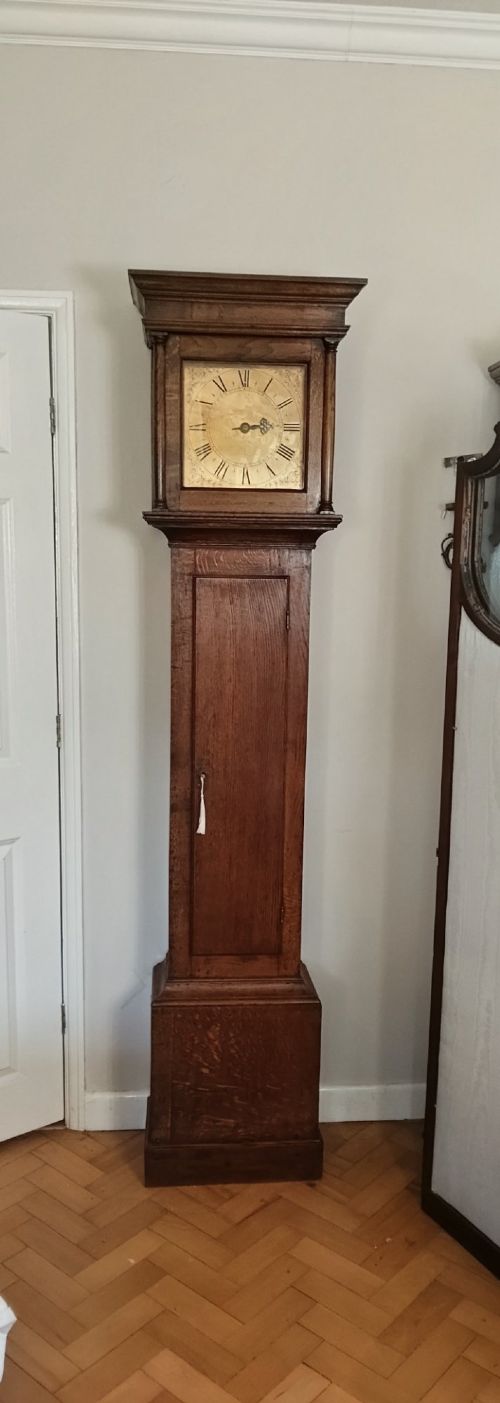
A vintage floor clock covers tall timepieces known variously as longcase, grandfather, grandmother, and granddaughter clocks. The selection here ranges from substantial 18th-century oak and mahogany cases down to more compact Edwardian and Art Deco examples.
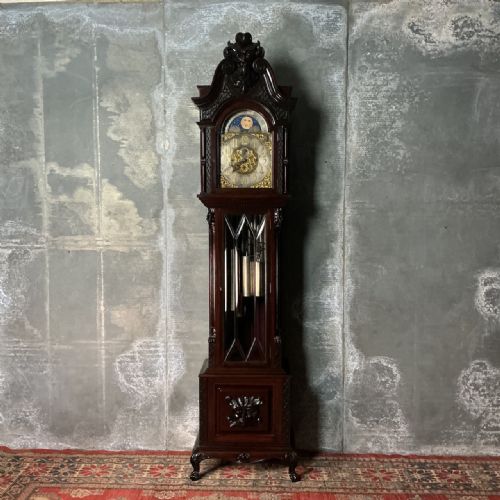
Most pieces you meet belong to the Georgian and 18th-century periods, alongside Victorian, Edwardian, and 1930s variations. Forms span traditional brass-dial longcase clocks to smaller musical grandmother clocks housing tubular bells.
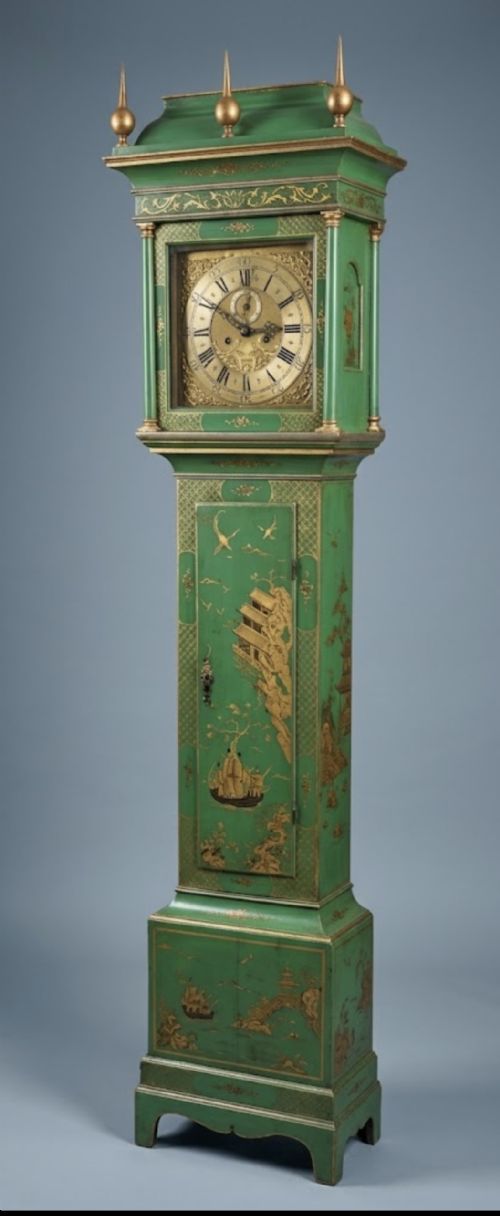
Origin points stretch across English regions and London makers, utilising timber cases from local oak to figured walnut and green lacquered chinoiserie. Buyers encounter everything from simple thirty-hour movements to eight-day strikes and three-train musical mechanisms.
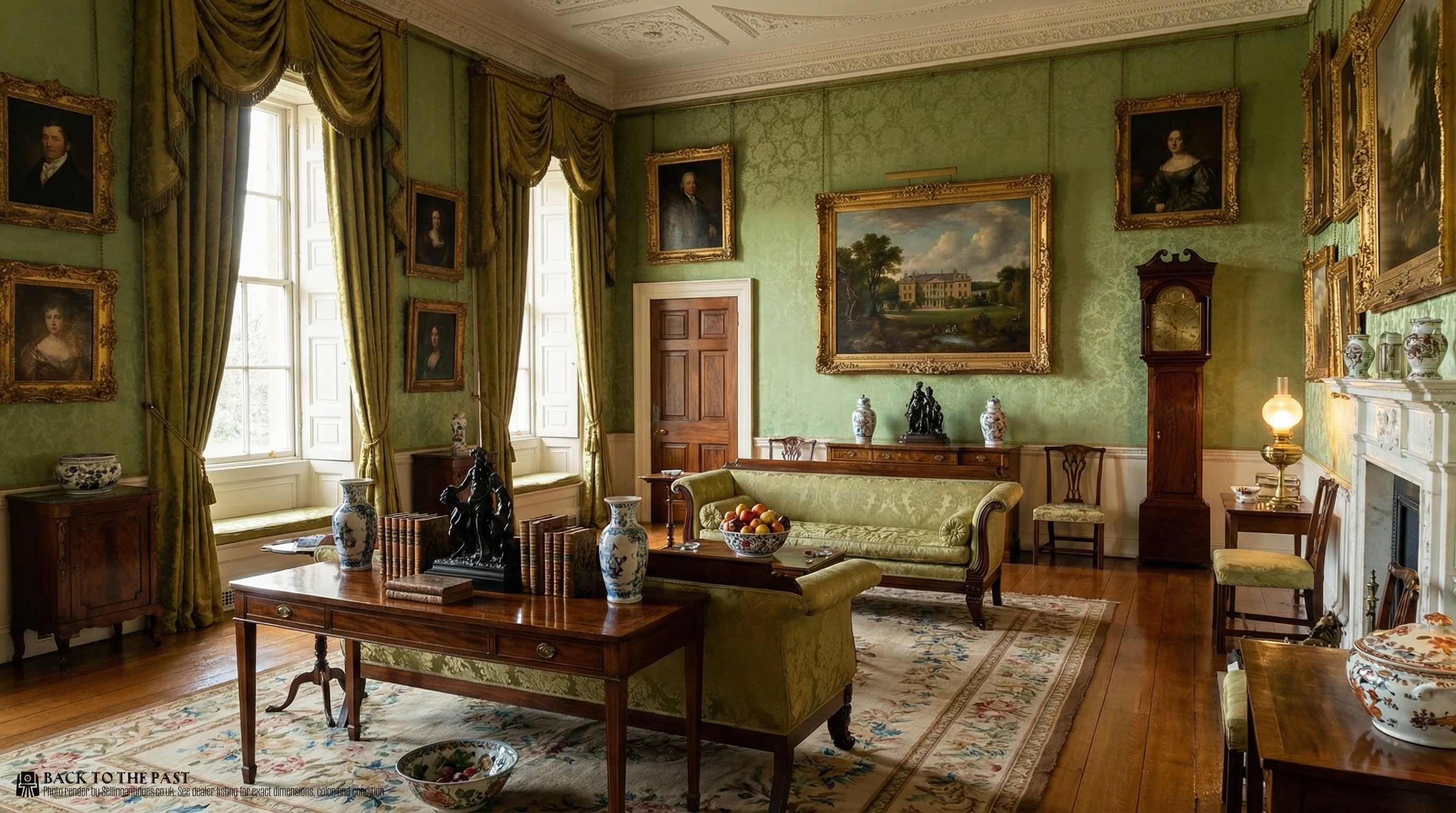
Materials and construction methods
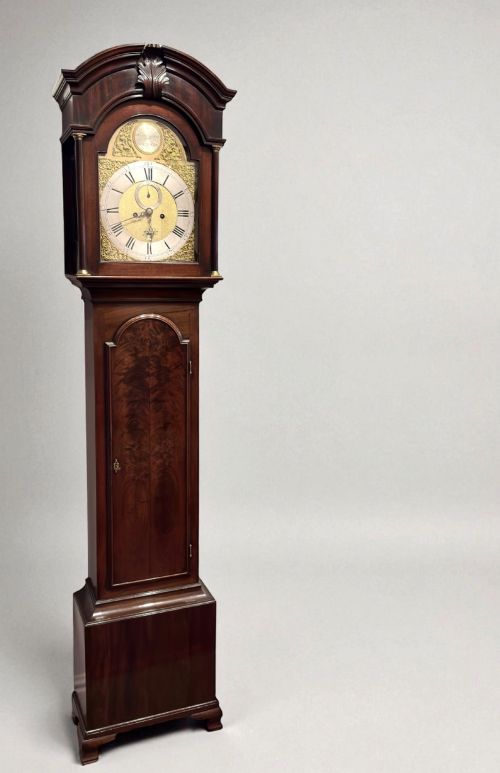
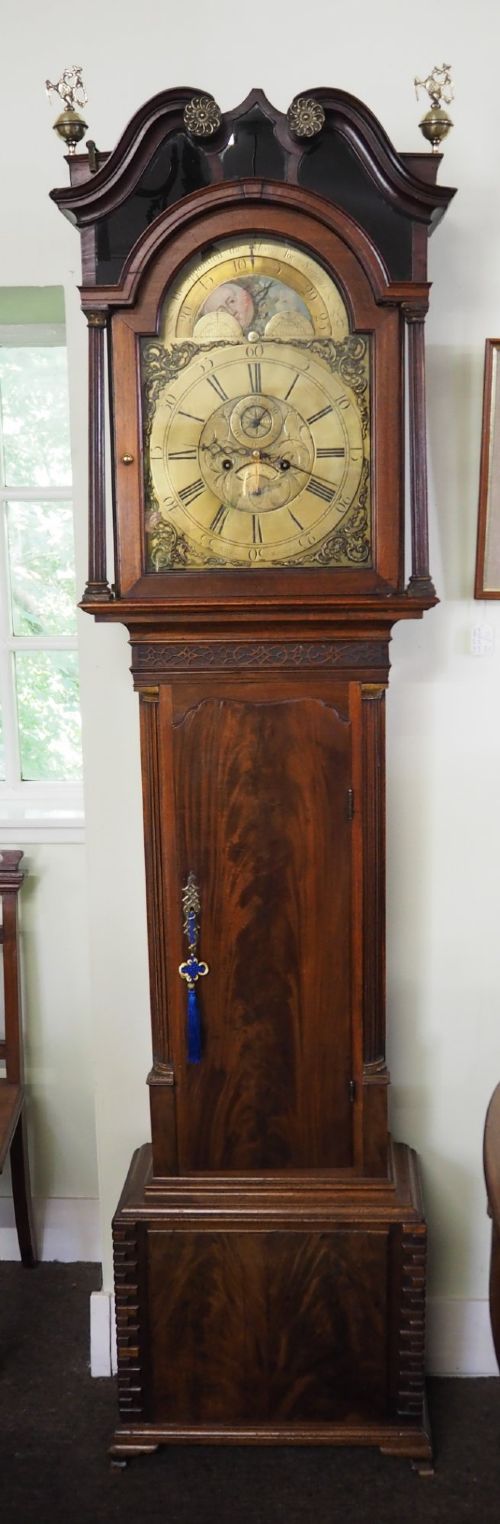
Cabinet makers built these tall cases primarily in solid mahogany, oak, and walnut, often applying burr walnut veneers or flame mahogany surfaces to the principal doors and plinths. Brass featured extensively in the construction of dials, spandrels, and movement plates.
Movements relied on cast brass, steel wheels, and pinions driven by heavy lead or iron weights suspended on cords or lines. Dial faces combined engraved brass chapter rings with silvered auxiliary circles, steel hands, and occasionally hand-painted moon phases.
Vintage Floor Clock Retail Price Guide 2026
Typical asking prices for vintage floor clock among the pieces listed under this phrase on Sellingantiques today, from the lower quarter to the upper quarter. They describe what is for sale here now, not the wider market.
Some tall timepieces come equipped with a strike-silent lever, allowing peace during the night without stopping the pendulum.
Separating the ordinary from the exceptional
Quality rests heavily on the harmony between the cabinet proportions and the movement within. Superior pieces display crisp timber figuring, well-executed brass dial engraving, and movements bearing the signature of a recorded regional or London maker.
The sophistication of the mechanism alters the character of the piece entirely, moving from standard time-and-strike systems to complex three-train musical arrangements with multiple bells or gongs.
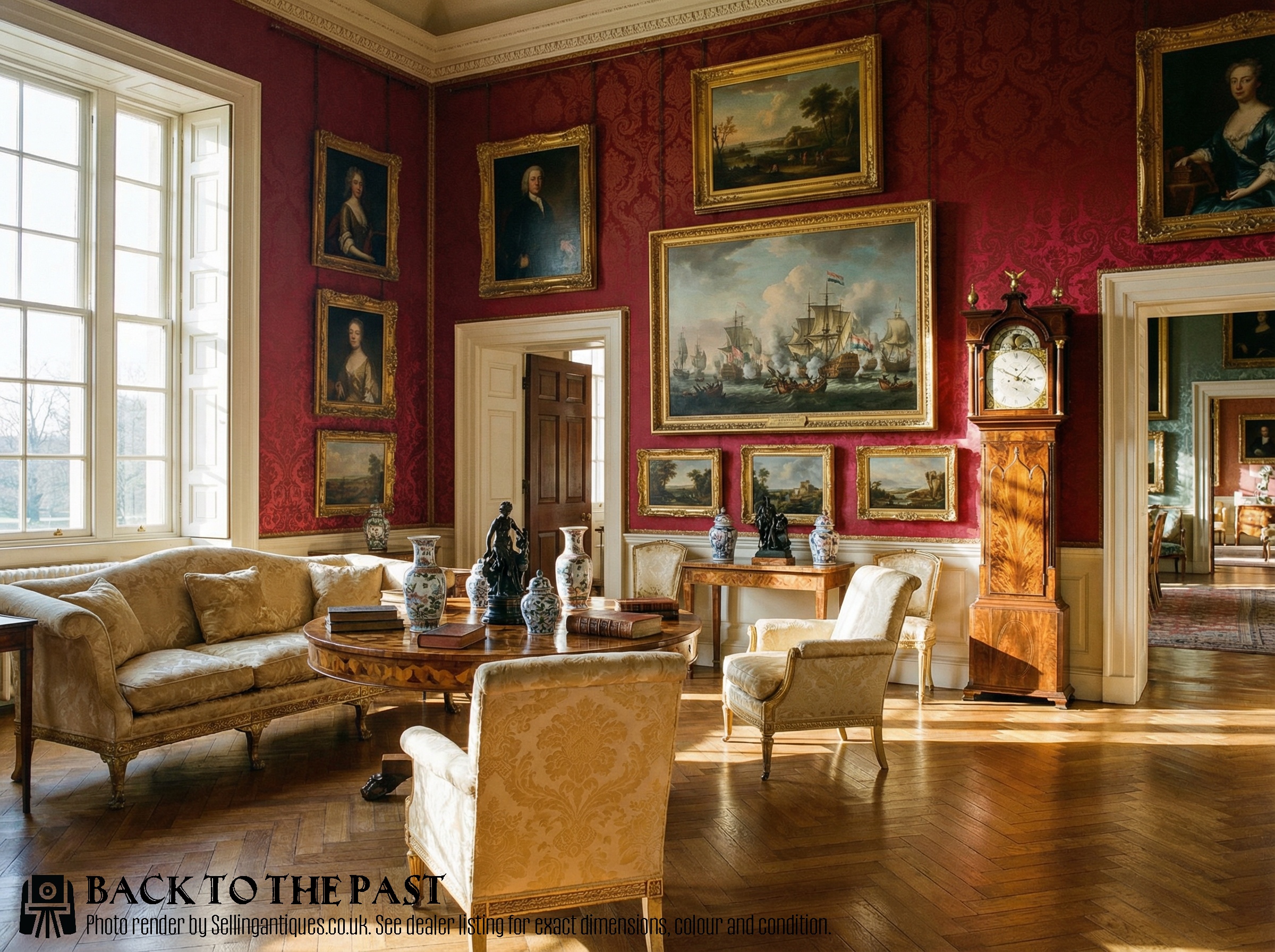
John Fielder of Alton·Charles Shuckburgh London·Gordon of Aberdeen·Gillett and Johnston of Croydon·Lee of Great Marlow·Jn Smith Macclesfield·Richard Corless of Stockport·Handley and Moore London·Rickards Wotton Under Edge·George Hallifax of Doncaster
The Vintage Floor Clock Glossary
- Longcase clock
- A tall pendulum-regulated timepiece enclosed in a wooden case standing directly on the floor. This term serves as the primary technical descriptor for grandfather and grandmother clocks.
- Grandmother clock
- A smaller, scaled-down version of the traditional longcase clock produced largely during the 20th century. These pieces suit lower ceilings and more compact domestic spaces while retaining weight-driven movements.
- Chinoiserie
- European decorative lacquerwork imitating East Asian designs, frequently seen on green or blue lacquered clock cases. This decorative technique involves raised metallic decoration on a painted ground.
- Paterae
- Small circular ornamental motifs carved or inlaid into furniture surfaces, commonly found on 19th-century mahogany clock cases. They add subtle neoclassical detail to the architectural lines of the hood and trunk.
- Three train
- A clock movement featuring three separate gear trains to drive the timekeeping, the hour striking, and the musical tune or quarter chimes. Such movements require three separate weights or spring barrels.
Vintage Floor Clock: Frequently Asked Questions
What is the difference between a grandfather and grandmother clock?
A grandfather clock is the traditional full-size longcase timepiece, typically standing over six feet tall and housing an eight-day movement with heavy weights.
A grandmother clock is a smaller, slender variant developed later, designed to fit modern domestic spaces without dominating the room.
How do eight-day movements differ from thirty-hour movements?
An eight-day movement requires winding only once a week, utilising twin weights suspended on lines within the tall trunk.
Thirty-hour movements require more frequent winding, often driven by a single weight or simpler chain system housed behind the dial.
Where should I place a floor clock in my home?
Floor clocks require a stable, level floor and a firm interior wall where the case can be secured safely to prevent tipping.
Avoid placing them in areas subject to dampness, direct sunlight, or heavy drafts that might disturb the pendulum swing.
How do I identify a Georgian longcase clock?
Georgian examples usually feature architectural hoods with pillared columns, brass dial plates with cast corner spandrels, and solid oak or mahogany cases.
The woodwork often displays hand-cut joinery and proportions characteristic of the 18th and early 19th centuries.