


Chippendale Longcase Clock
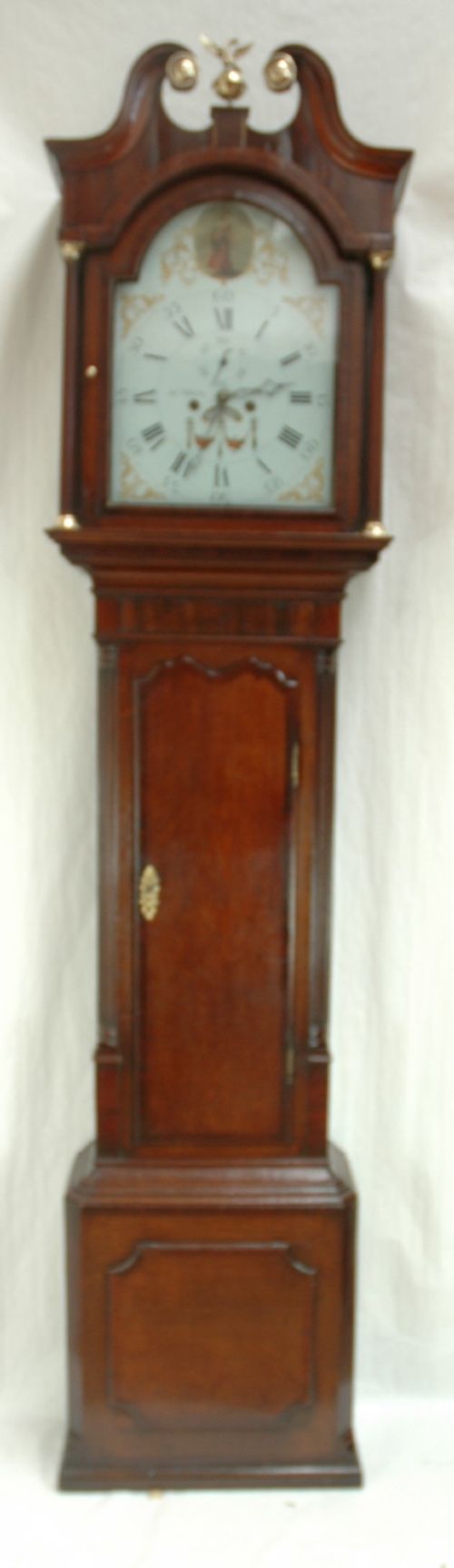
A chippendale longcase clock brings architectural presence and mechanical precision into a room, offering the enduring craftsmanship of mahogany and brass.
Identifying a Chippendale Longcase Clock
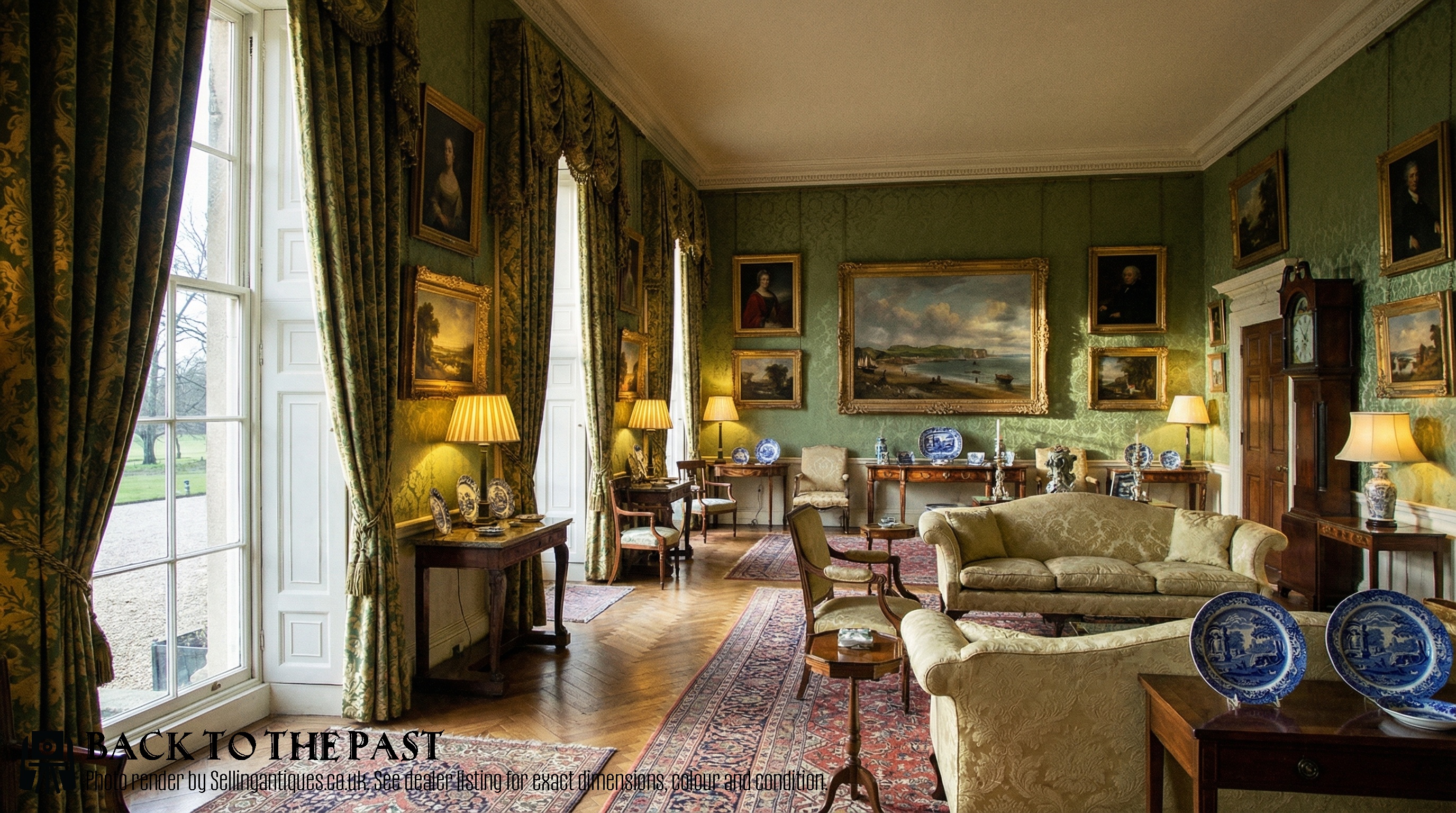
A chippendale longcase clock combines tall wooden cases with weight-driven timekeeping mechanisms, appearing in forms ranging in scale from standard grandfathers to miniatures and grandmother clocks. These timepieces span several periods, including the eighteenth century, the nineteenth century, the Edwardian era, and the nineteen-twenties.
The aesthetic draws heavily on Georgian design principles and the specific Chippendale taste, often featuring revival interpretations alongside period examples. Dial configurations vary, with certain pieces including painted faces or moonphase indicators.
Buyers encountering this group will find both full-size eight-day movements and smaller three-train musical or chiming systems. Mahogany serves as the primary timber across the surviving examples.
Materials and Construction
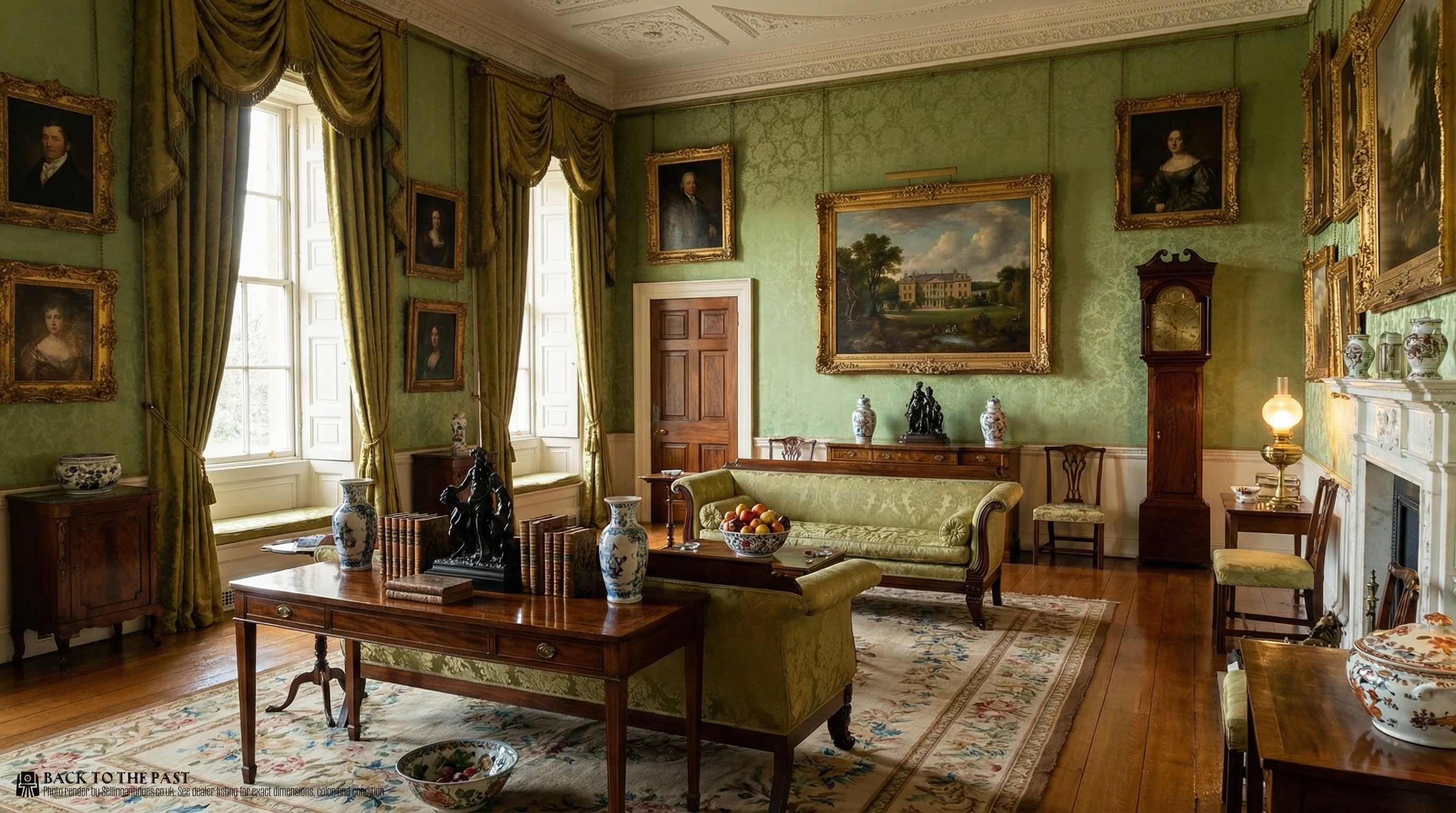
Cabinetmakers constructed the tall cases predominantly from mahogany, frequently incorporating carving and inlay work to define the distinct Chippendale style. The timber provides a rich surface grain that responds to traditional finishing techniques.
Internal mechanisms rely on brass components, iron work, and protective glass panels fitted to the hood doors. Dial faces combine painted metal or brass elements with intricate chapter rings and hands.
Retail Price Guide 2026
Typical UK retail prices for chippendale longcase clock, calculated from the Sellingantiques database of over a million retail prices indexed since 2003. This retail price guide relies exclusively on Sellingantiques data; no external sources or auction records are used, so the figures do not describe the wider market.
Some clocks feature painted dials with moonphases, ensuring the moon tracks its path even when you forget to look outside.
Assessing Quality and Merit
Quality separates the standard production from the exceptional through the depth of the cabinet carving and the sophistication of the internal movement. Three-train musical mechanisms and intricate moonphase dials elevate a piece far above a simple time-only clock.
The choice and figuring of the mahogany timber dictate the visual impact of the case, alongside the precision evident in any inlay work. Revival pieces from later periods are judged by how closely they adhere to the proportions and execution of eighteenth-century originals.
The Chippendale Longcase Clock Glossary
- Grandmother clock
- A smaller version of the traditional longcase clock, typically standing lower in height while retaining similar proportions. These smaller cases often date from Edwardian or later revival periods.
- Moonphase
- A dial mechanism that tracks the phases of the lunar cycle through a rotating disk behind the clock face. This complication adds visual movement and technical complexity to the dial.
- Three-train movement
- A mechanical system that powers three separate functions: timekeeping, striking the hours, and playing tunes or chimes. This indicates a higher level of clockmaking skill.
- Chippendale style
- A design aesthetic derived from eighteenth-century cabinetmaking patterns, characterised by specific proportions, carved details, and mahogany construction. Revival versions reinterpreted these motifs in later decades.
- Longcase clock
- A tall pendulum clock enclosed in a wooden case designed to stand directly on the floor. It is also commonly referred to as a grandfather clock.
Frequently Asked Questions
How do I tell an original eighteenth-century clock from a revival piece?
Eighteenth-century examples display period-appropriate construction methods and wear consistent with age, whereas revival pieces often date from the Edwardian era or the nineteen-twenties.
Examining the internal movement, timber ageing, and specific cabinet joinery helps clarify the exact period of manufacture.
What is the difference between a grandfather and a grandmother clock?
The primary distinction lies in the overall height and scale of the wooden case. Grandmother clocks offer a more compact footprint suited to smaller rooms.
Both utilise similar weight-driven mechanisms and mahogany cases.
How do these clocks maintain time?
The mechanisms rely on falling weights suspended inside the trunk, regulated by a swinging pendulum. Winding keys or pulls are used to reset the train.
Eight-day movements require weekly attention, while other configurations may differ.
Where should I place a longcase clock in my home?
These clocks require a stable, plumb wall surface and a level floor to ensure the pendulum swings evenly. Avoiding areas with rapid temperature fluctuations protects the mahogany case.
Sufficient ceiling clearance is essential given the tall proportions of the case.