
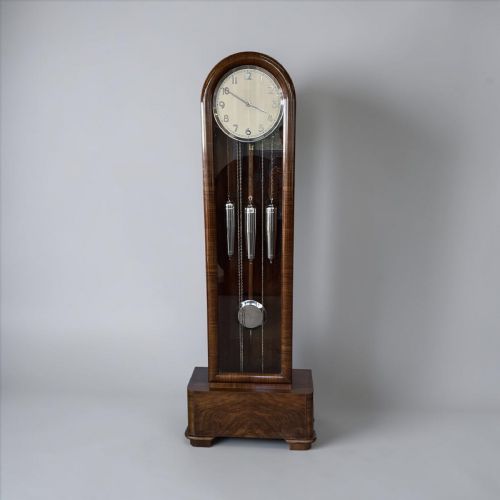
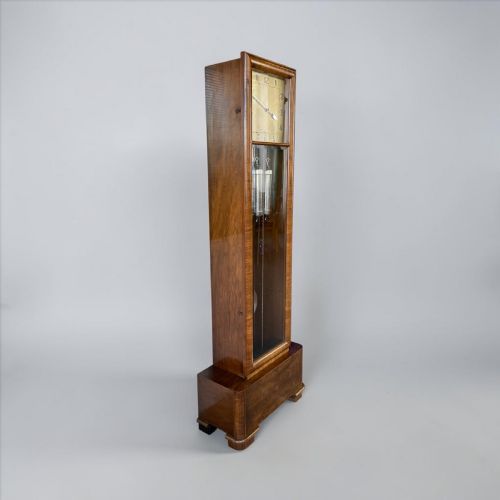
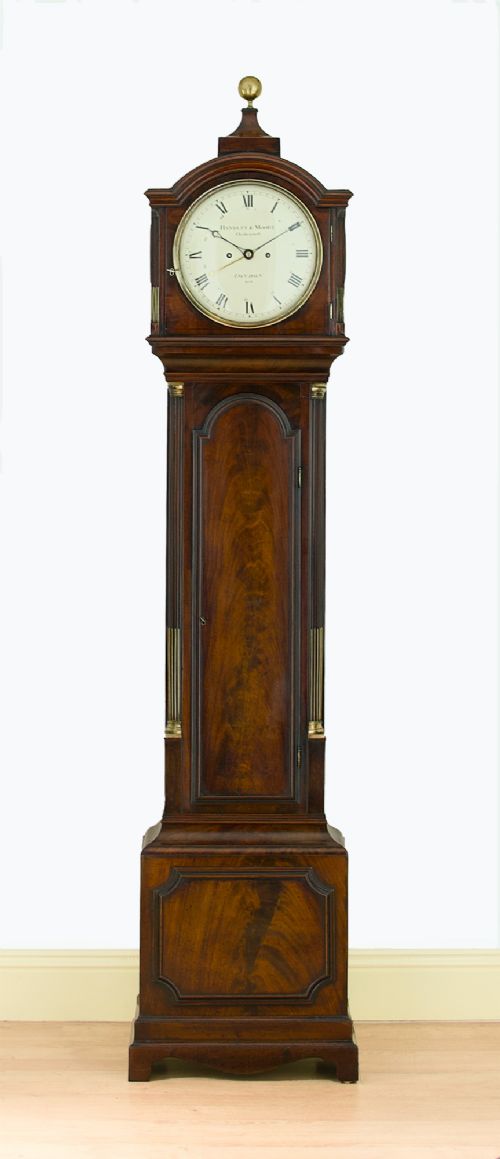
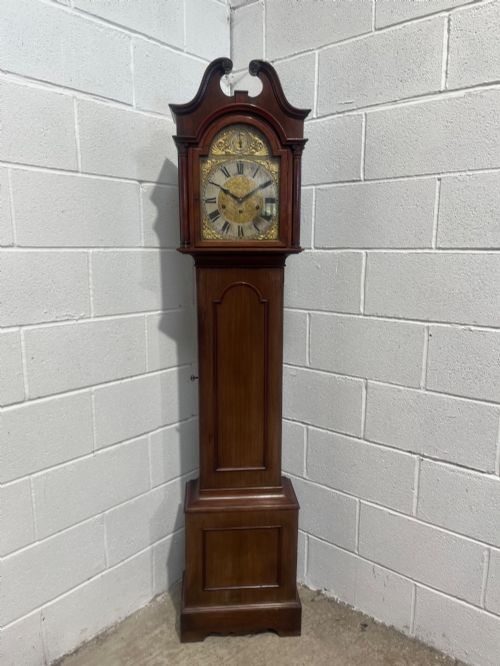
Vintage Tall Case Clock
A vintage tall case clock stands as a towering piece of functional furniture, offering mechanical precision housed within stately timber cabinetry for the discerning interior.
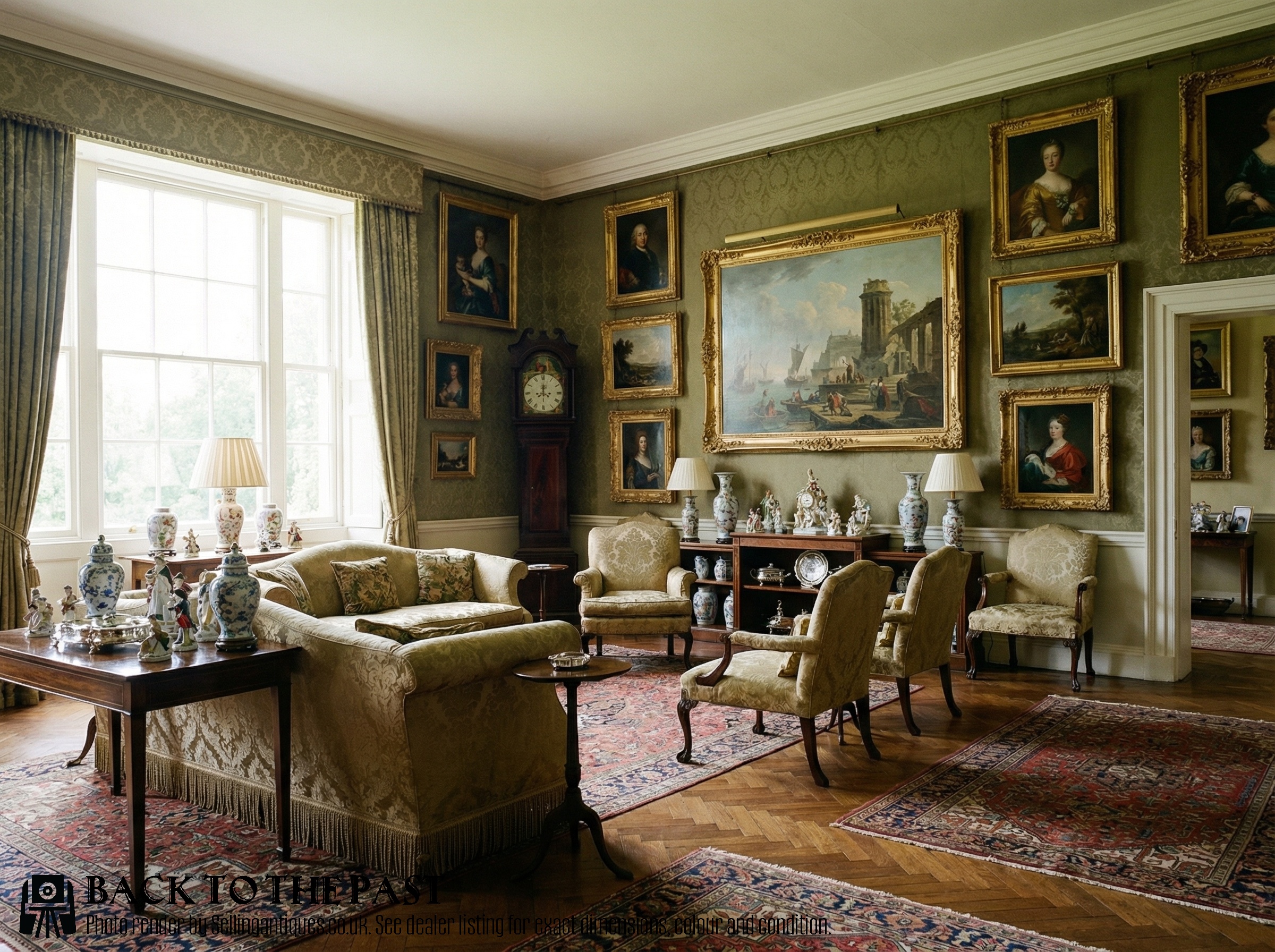
Vintage Tall Case Clock
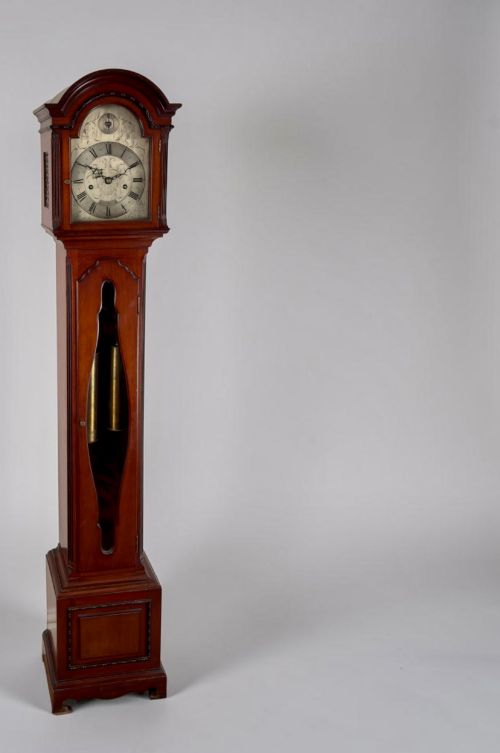
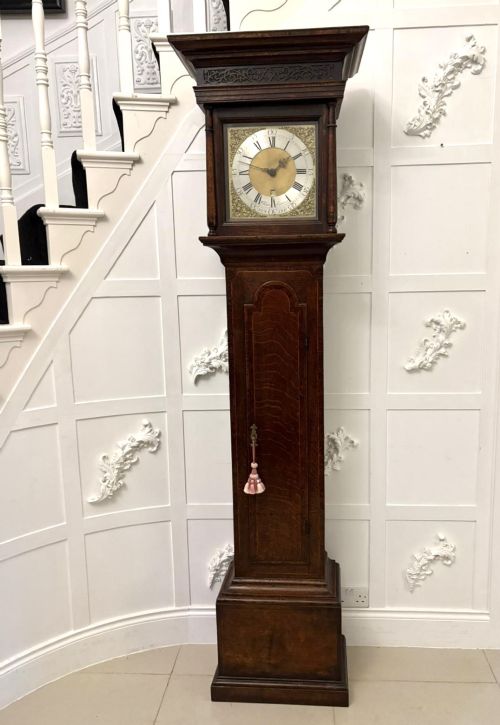
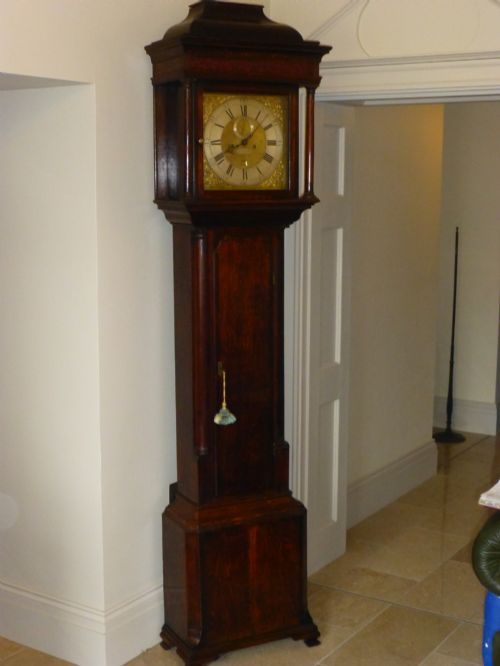
A vintage tall case clock, also known by collectors as a grandfather, grandmother, or longcase clock, combines a weight-driven or spring-driven movement with a tall wooden housing designed to stand directly on the floor. These floor clocks appear in various proportions, ranging from full-scale 18th-century and Georgian architectural pieces down to smaller Edwardian and Art Deco scaled variants.
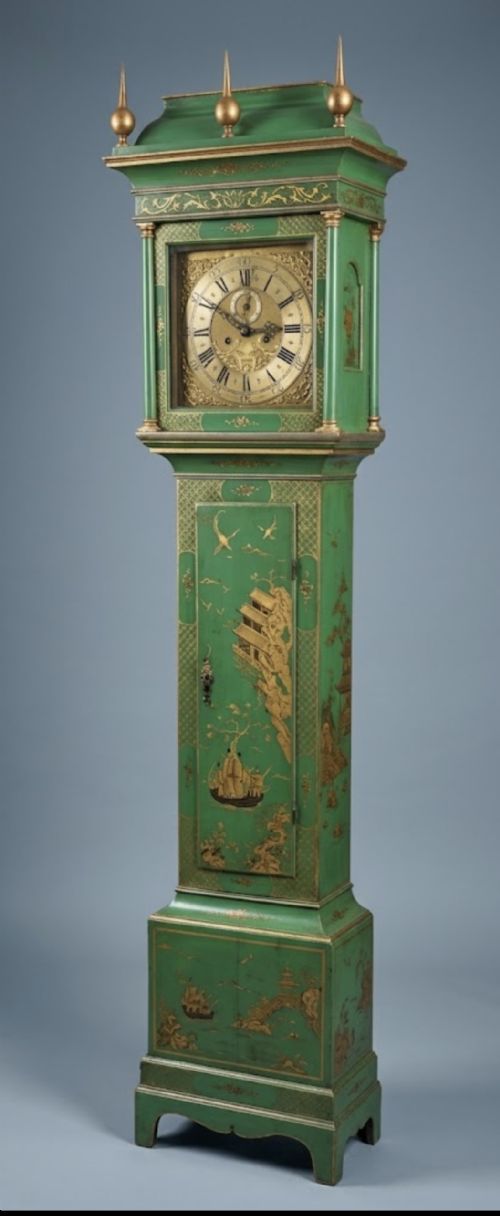
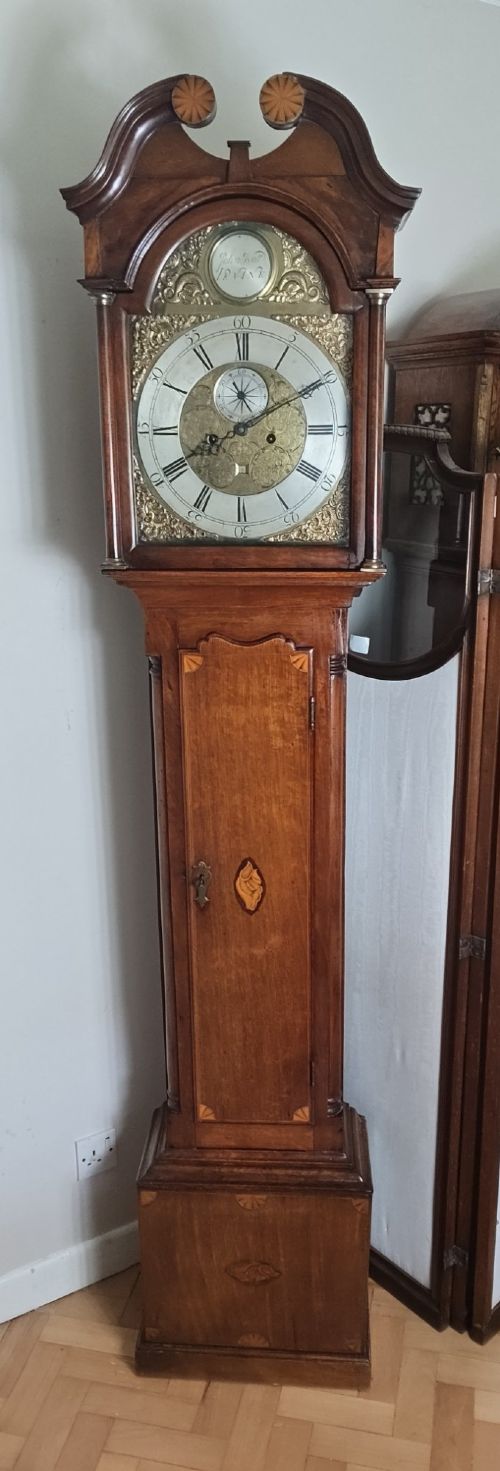
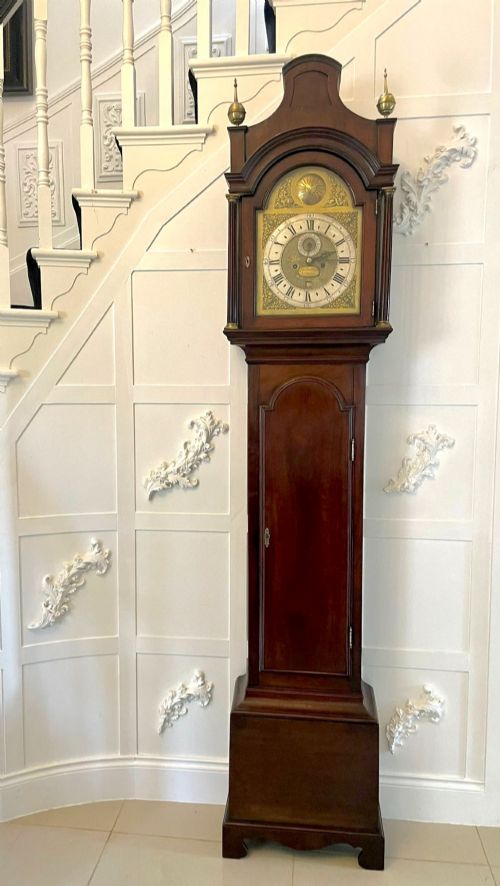
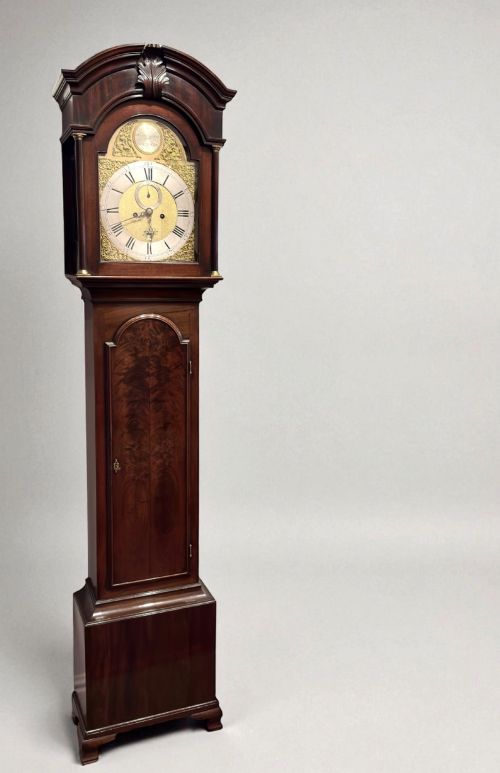
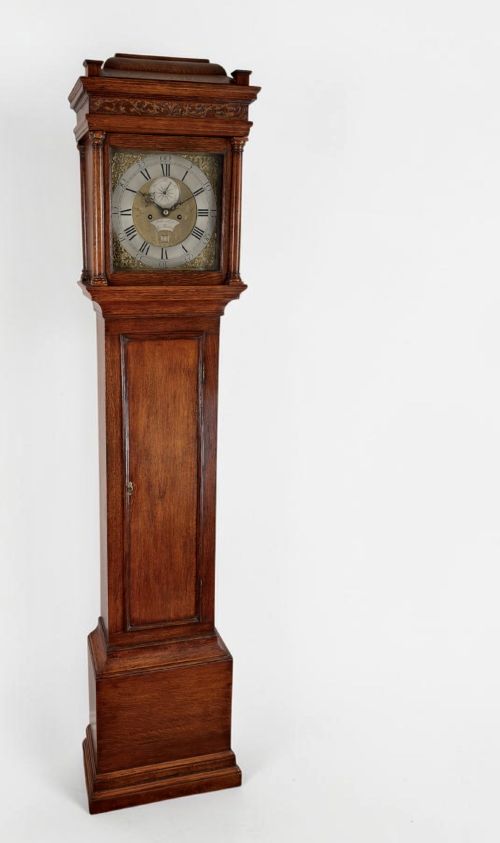
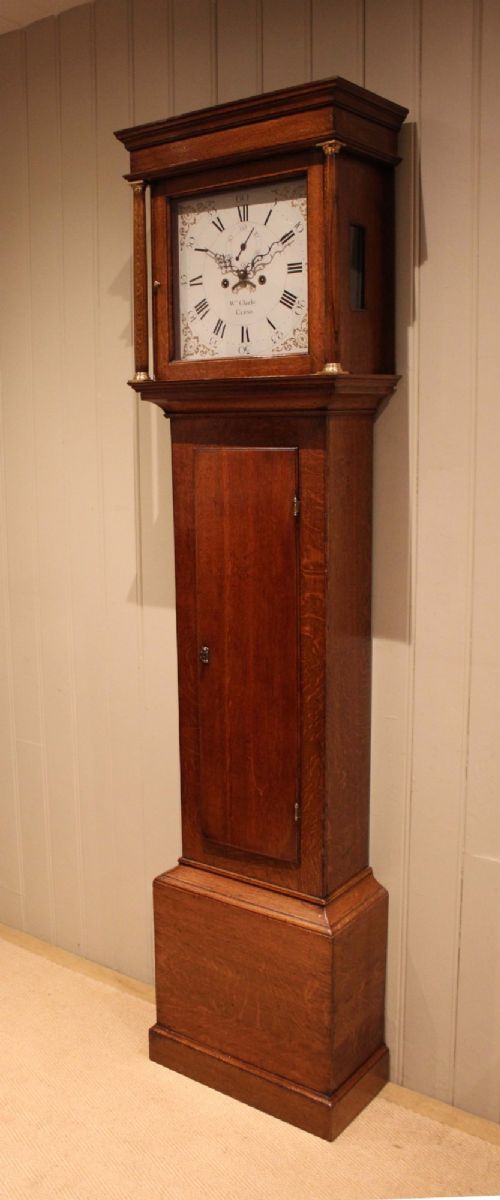
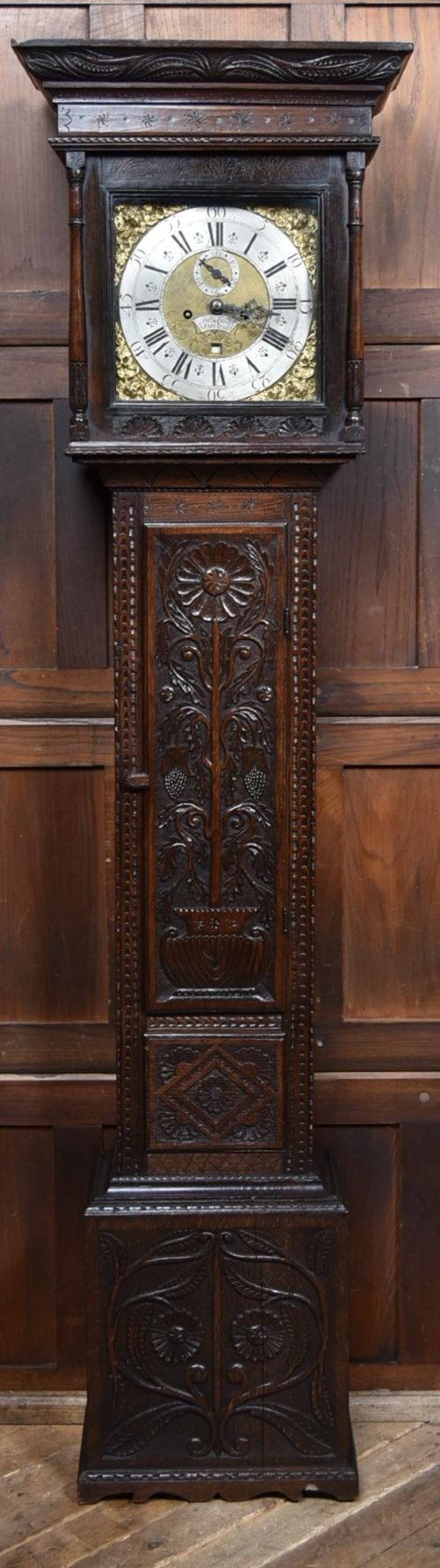
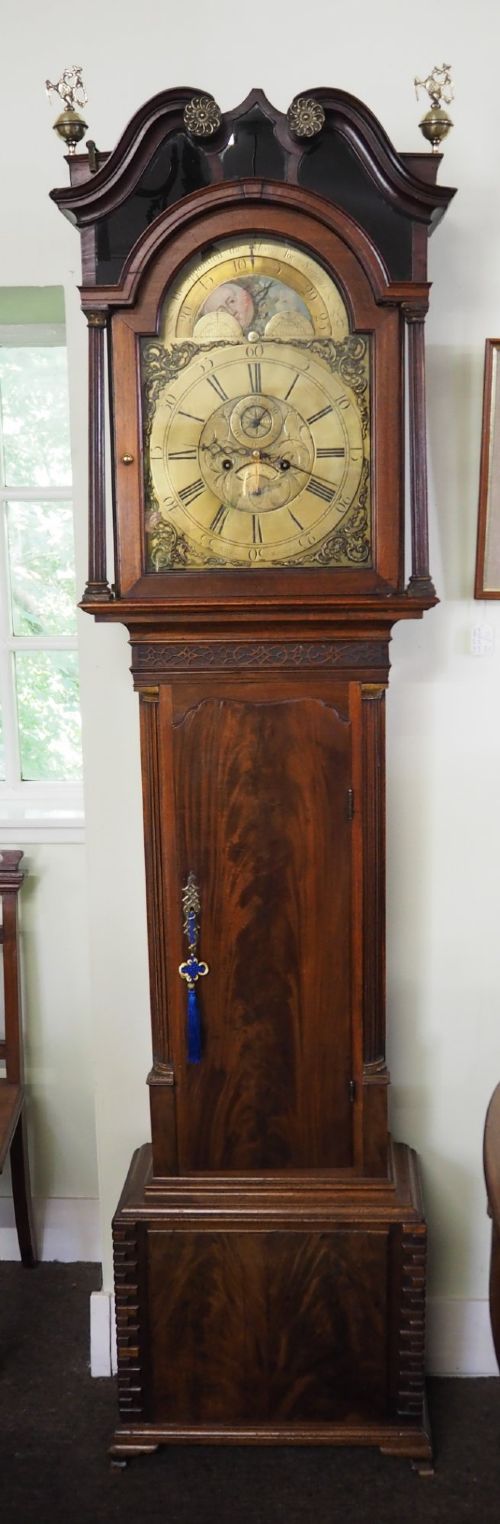
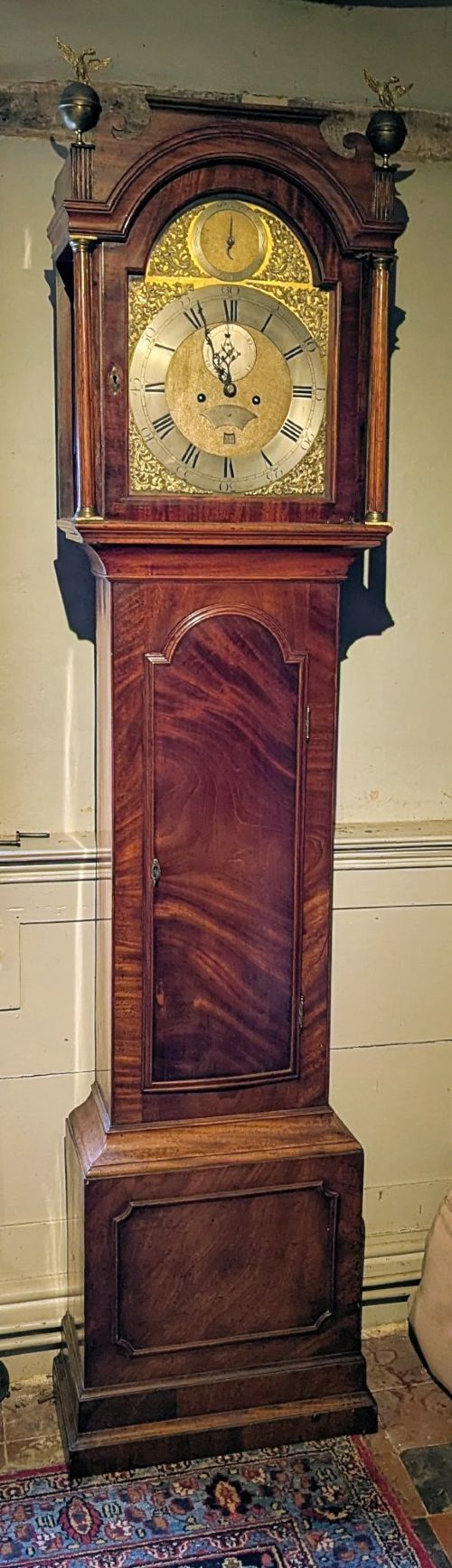
The selections available span multiple centuries and regional British workshops, encompassing robust oak and mahogany cases alongside highly decorative lacquered chinoiserie surfaces. Buyers encounter both grand London examples carrying signed brass dials and provincial Scottish or Welsh pieces displaying regional timber characteristics and moon phases.
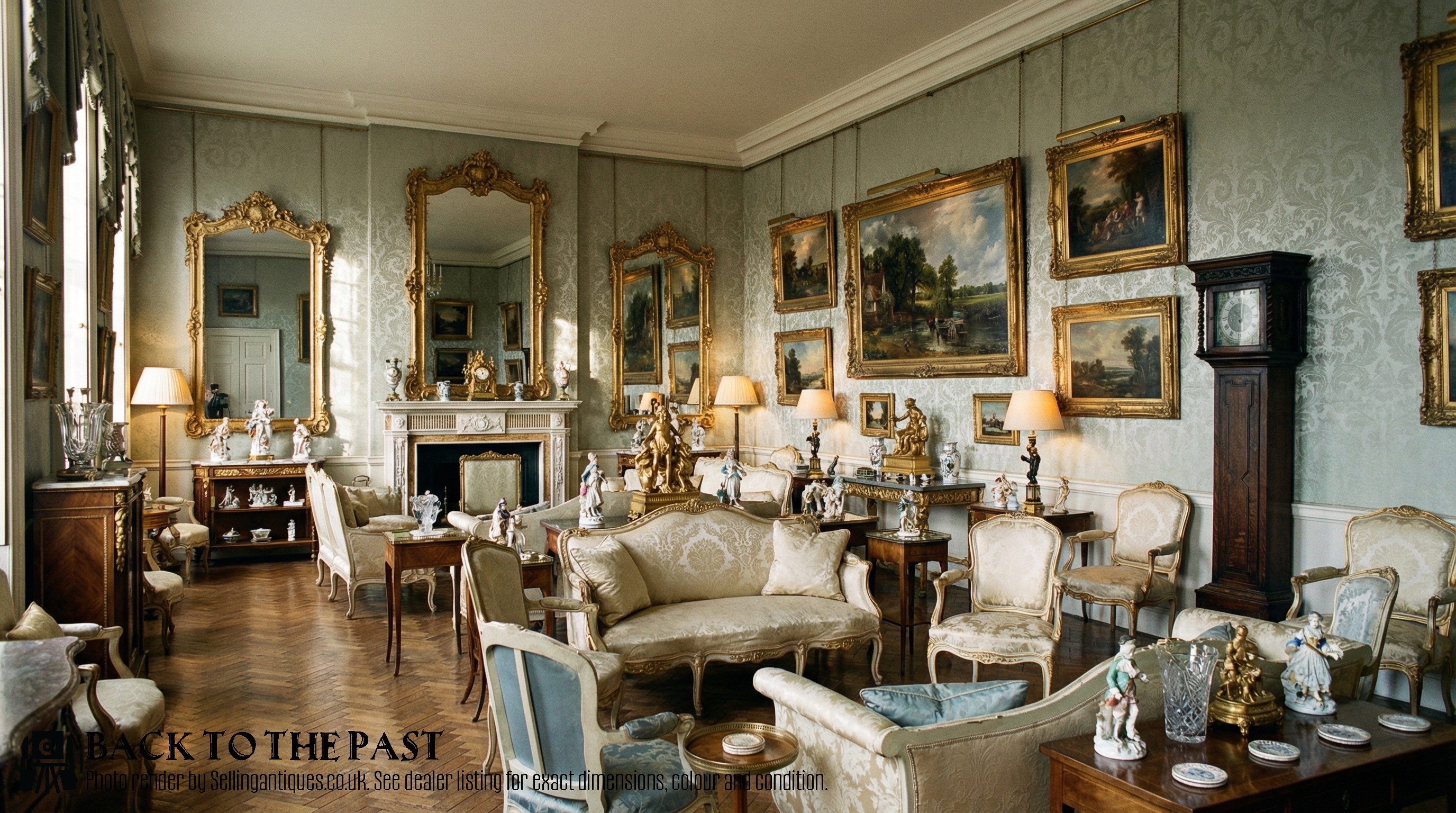
How they were made
Cabinetmakers constructed the tall housing using native and imported timbers, employing solid oak, mahogany, walnut, and burr walnut veneers over secondary woods to create architectural trunk and hood structures. Dial faces utilise engraved or cast brass, sometimes complemented by painted metal details and subsidiary hands.
Horologists fitted intricate brass and steel movements driven by hanging weights or springs, often incorporating 8-day mechanisms, striking trains, and musical chimes. Surface finishes rely on traditional polishing methods, alongside painted and lacquered green or blue Chinoiserie decoration on select cases.
Vintage Tall Case Clock Retail Price Guide 2026
Typical asking prices for vintage tall case clock among the pieces listed under this phrase on Sellingantiques today, from the lower quarter to the upper quarter. They describe what is for sale here now, not the wider market.
Selected models chime up to three distinct tunes, proving that even Victorian time could carry a lively soundtrack.
What varies in quality
The refinement of the cabinetwork dictates much of the distinction, separating provincial vernacular joinery from sophisticated London cabinetmaking with well-figured veneers and carved architectural details. Dial artistry similarly sets apart standard engraved brass faces from complex examples featuring subsidiary seconds, calendar rings, and painted moon phases.
Movement integrity and original component retention influence the standing of any given piece, distinguishing clocks retaining their original matching train from those with later alterations. The harmony between the proportions of the hood, trunk, and base further defines the aesthetic success of the finished clock.
John fielder of Alton·Charles Shuckburgh·Gordon of Aberdeen·Gillett & Johnston of Croydon·Lee of Great Marlow·Jn° Smith·Richard Corless of Stockport·Handley & Moore·Edward Shepley·Thomas Webbe·Charles Dowsett·George Hallifax
The Vintage Tall Case Clock Glossary
- Longcase clock
- An alternative term for a tall floor-standing pendulum clock housed in a wooden case. These tall wooden enclosures protect the weights and pendulum while displaying the dial at eye level.
- Grandfather clock
- A large floor-standing pendulum clock, typically exceeding six feet in height. This colloquial name emerged following the popularity of the song written about such a timepiece in the 19th century.
- Grandmother clock
- A scaled-down version of the traditional longcase clock, generally standing significantly shorter. These smaller variations appear frequently in Edwardian and 20th-century contexts.
- Chinoiserie
- A decorative European style reflecting Chinese artistic influences, frequently seen on lacquered clock cases. This technique involves painted figures and landscapes applied over coloured ground layers.
- Moon dial
- A specialised clock dial mechanism that tracks the phases of the lunar cycle through a rotating painted disc. These displays often sit in the arch above the primary time ring.
Vintage Tall Case Clock: Frequently Asked Questions
How do I wind a tall case clock?
Winding requires raising the internal weights using a crank key inserted into the dial face, taking care not to over-wind the mechanism.
Most 8-day movements require this attention weekly, while thirty-hour models need more frequent winding to maintain operation.
What is the difference between a grandfather and grandmother clock?
The primary distinction lies in the overall height and proportions of the wooden case, with grandmother clocks offering a much more compact footprint.
Grandmother clocks suit smaller domestic rooms where a full-sized grandfather clock would overwhelm the available wall space.
Where should I place a longcase clock in my home?
Position the clock against a solid interior wall away from direct sunlight, heating vents, and damp areas to protect the timber case and delicate movement.
A stable floor surface ensures the pendulum swings evenly and the escapement keeps accurate time.
How do I identify the period of a tall case clock?
Examine the architectural style of the hood, the timber selection, and the engraving or painting style upon the dial face.
Cabinet construction techniques and the signature of the maker recorded on the dial often provide a reliable indication of the date of manufacture.