


George III Grandfather Clock
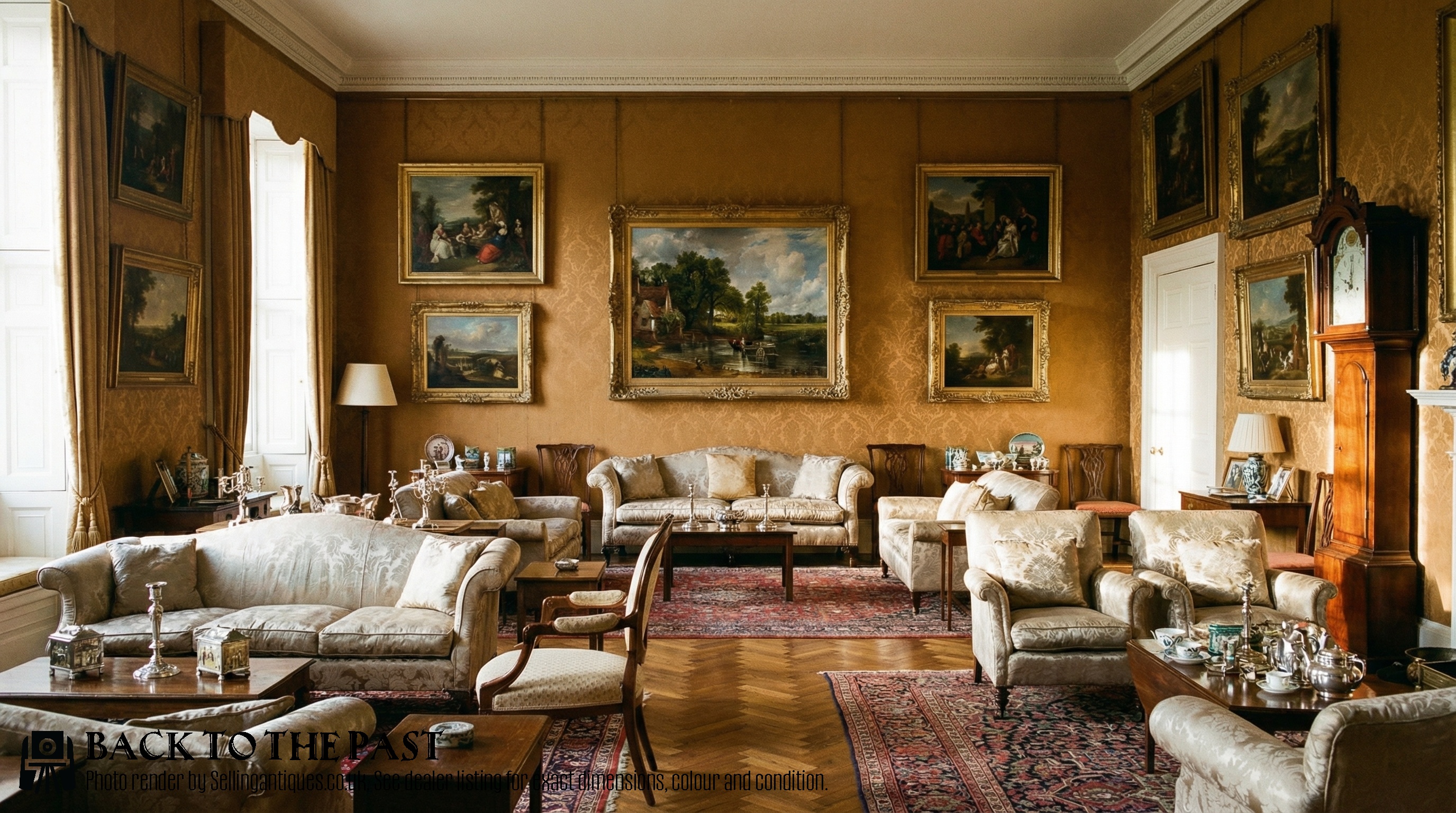
A george iii grandfather clock brings weight and precise mechanical movement into a room, measured through centuries of cabinetmaking skill.

George III Grandfather Clock
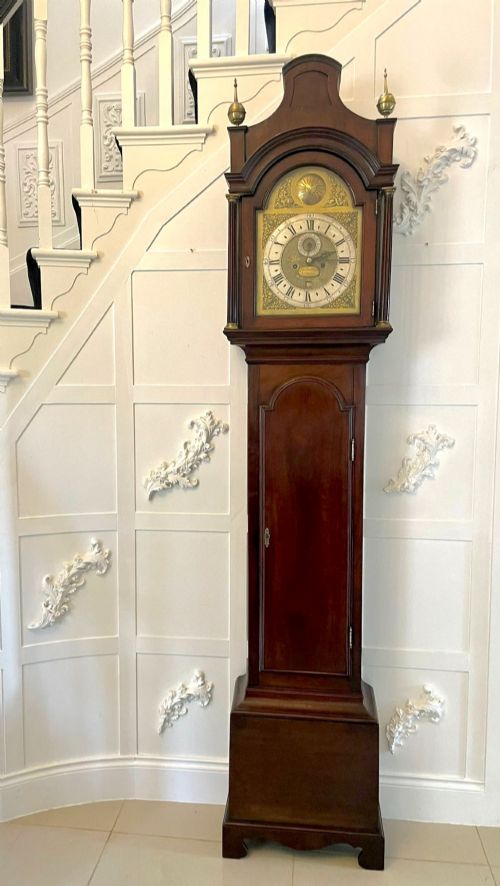
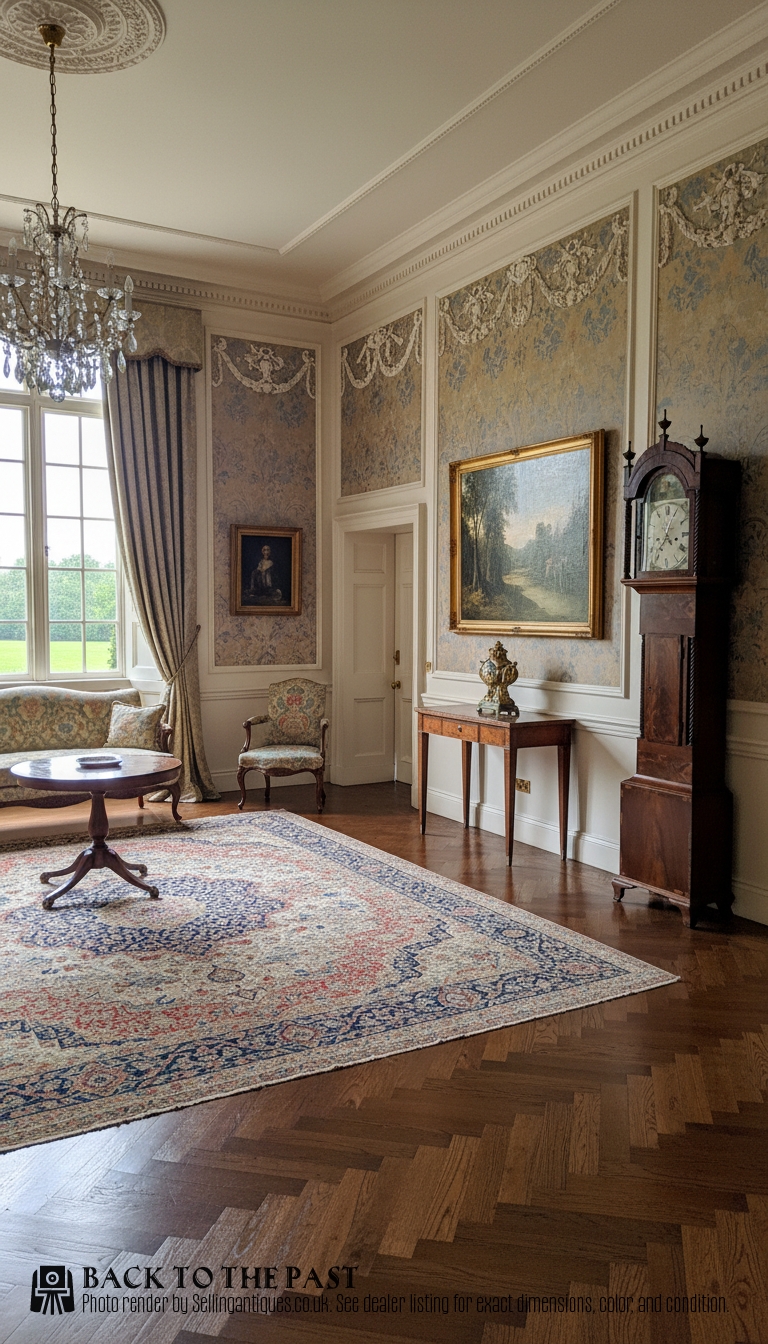
A george iii grandfather clock is a tall floor-standing timekeeper produced during the Georgian period, typically housing an eight-day or thirty-hour weight-driven movement.
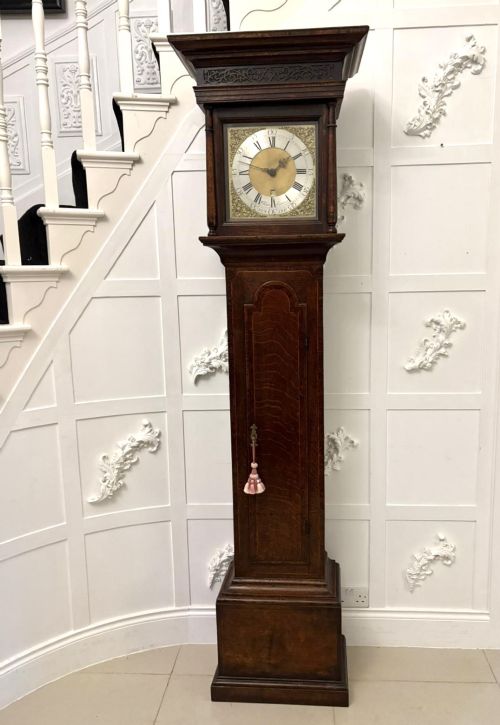
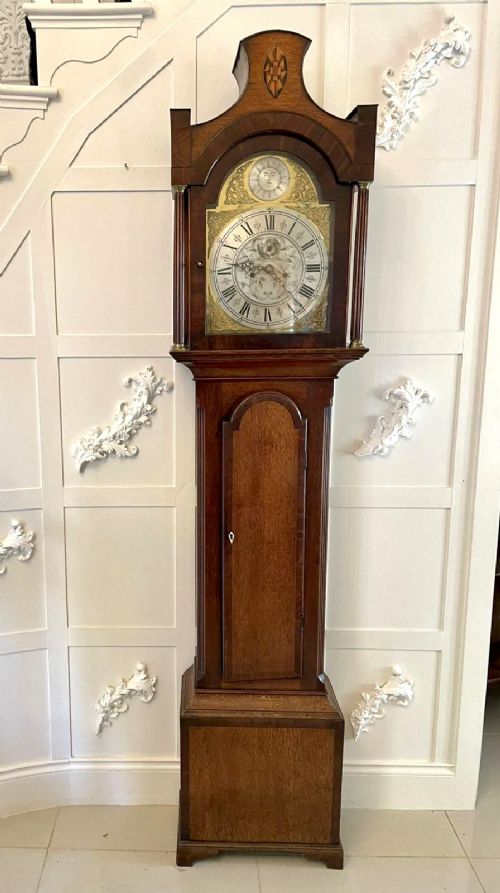
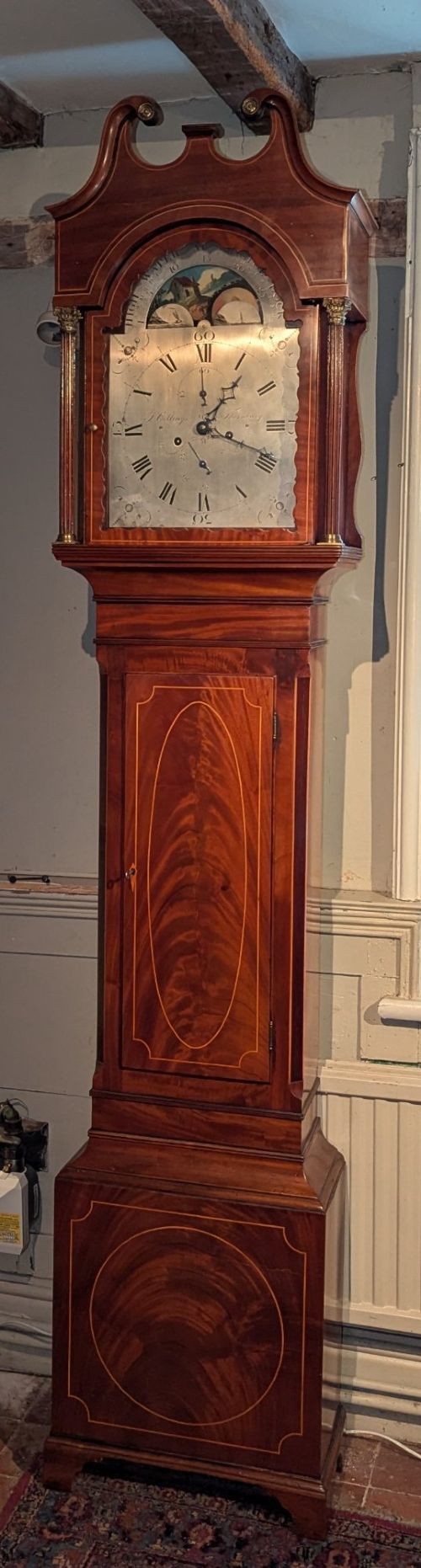
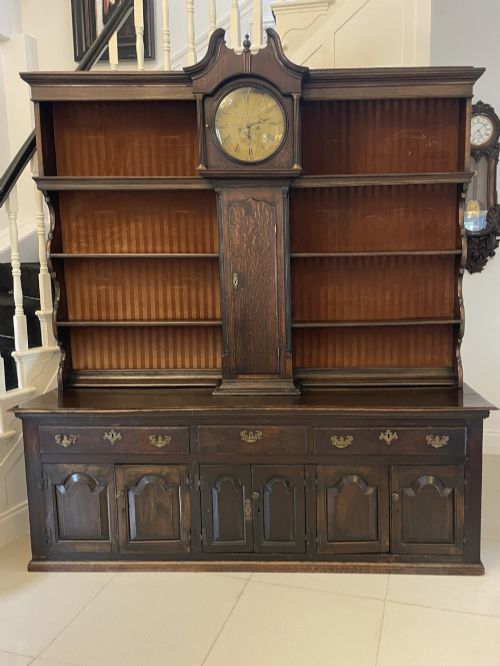
Buyers searching for a george iii grandfather clock encounter pieces ranging from simple regional oak cases to sophisticated London mahogany models with arch dials.
Most examples found on this page combine traditional timber construction with brass or painted iron dials made by provincial and city clockmakers.
How They Were Made
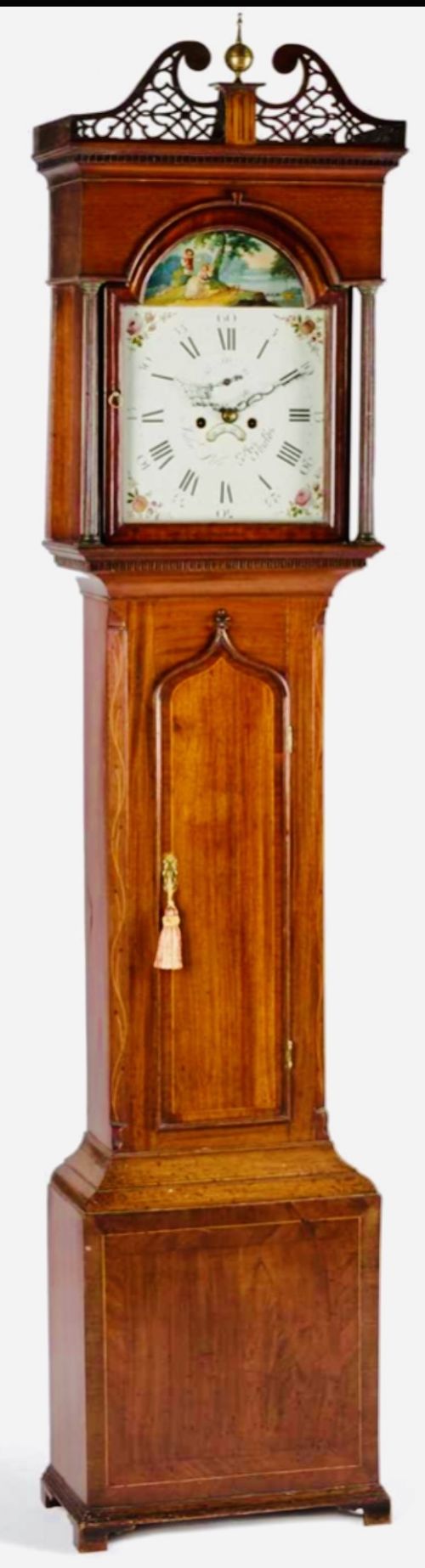
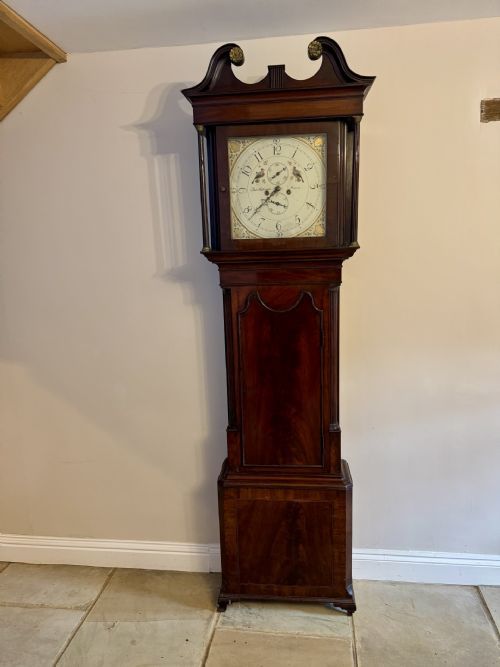
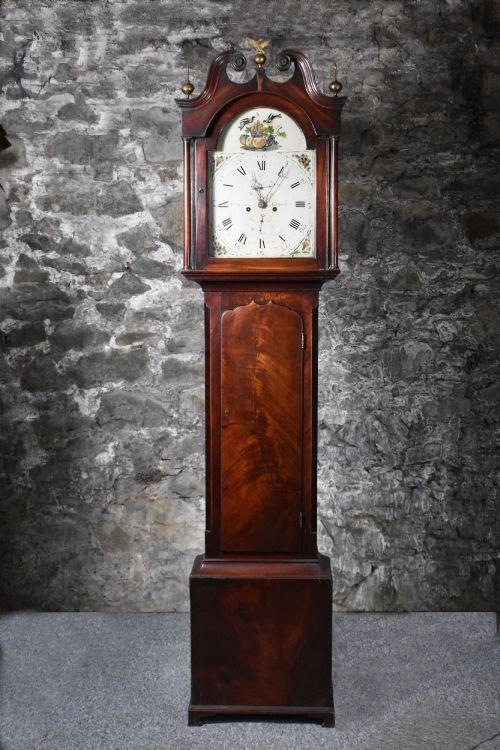
Cabinetmakers constructed the tall cases primarily from native oak or imported mahogany, often incorporating burr veneers, inlay, and brass fittings.
Dial faces combined cast brass chapters and spandrels, or sheet iron painted with numerals and moon phase displays, protected behind glass doors.
Iron and steel mechanical trains utilised weights and pendulums to drive the gear systems housed within the trunk.
George III Grandfather Clock Retail Price Guide 2026
Typical asking prices for george iii grandfather clock among the pieces listed under this phrase on Sellingantiques today, from the lower quarter to the upper quarter. They describe what is for sale here now, not the wider market.
One Lake District clock bears the stubborn motto I Tarry For None.
What Varies In Quality
Quality rests upon the crispness of the cabinet carving, the figuring of the timber veneers, and the structural integrity of the long case.
Dial execution separates standard production from finer pieces, seen in the depth of brass engraving or the delicacy of painted floral details.
The reputation of the maker inscribed on the dial and the complexity of the movement, such as moon phase indicators or eight-day durations, elevate the standing of a clock.
Charles Shuckburgh·William McEwan·Charles Dowsett·John Denbigh·Edward White·James Tregent·Dwerrihouse And Carter·John Pollard·Walker Of Nantwich·Wm Stanford·Dan Williams·Hudfon Of Nottingham·Benjamin Barlow·Jackson Of Frodsham·Richard Honeybone·John Cook·Thomas Dicker·John Birtles·John Reynolds·John Taylor·T Campbell·Handley And Moore·Restell·John Bates·John Stancliffe
The George III Grandfather Clock Glossary
- Longcase clock
- A tall pendulum clock enclosed in a wooden case designed to stand on the floor. These pieces are frequently referred to as grandfather clocks.
- Moon dial
- A specialised dial mechanism displaying the phases of the lunar cycle within an arched opening. It tracks the moon's age across a painted rotating disc.
- Spandrel
- An ornamental corner piece fitted to the dial face of a clock. Early examples feature cast brass relief work, while later versions utilise painted decoration.
- Eight day
- A movement requiring winding once a week using suspended weights. This contrasts with thirty-hour movements that need daily or frequent attention.
- Banded
- Timber decoration featuring thin strips of contrasting wood veneer inlaid around the edges of door panels or trunk borders.
George III Grandfather Clock: Frequently Asked Questions
How tall is a typical grandfather clock?
Most longcase clocks measure between six and eight feet in height, requiring adequate ceiling clearance in the room where they stand.
The proportions of the case include a base, a long trunk to accommodate the swinging pendulum, and an upper hood housing the dial and movement.
What is the difference between oak and mahogany cases?
Oak cases generally point to earlier periods or regional provincial workshops, offering a dense, textured grain that develops a deep patina over time.
Mahogany became the favoured timber for refined urban pieces, allowing cabinetmakers to utilise rich flame figures and polished surfaces.
How do eight day movements work?
An eight-day movement relies on heavy lead or iron weights suspended by cords or chains inside the trunk, which slowly descend as the gears turn.
Owners use a crank key to wind the weights back to the top of the case once a week to maintain accurate timekeeping.
What does a moon phase dial show?
A moon phase mechanism tracks the twenty-nine-and-a-half-day lunar month through a rotating painted disc visible beneath an arched cutout on the dial face.
This complication served a practical purpose for evening travel and tide calculations before artificial lighting was widespread.