
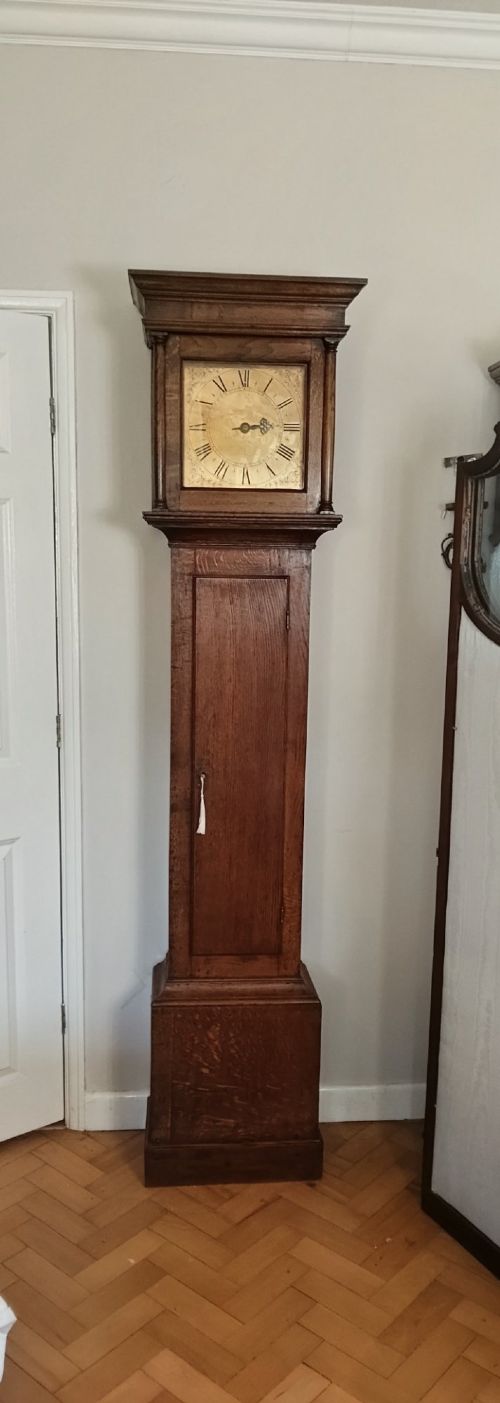
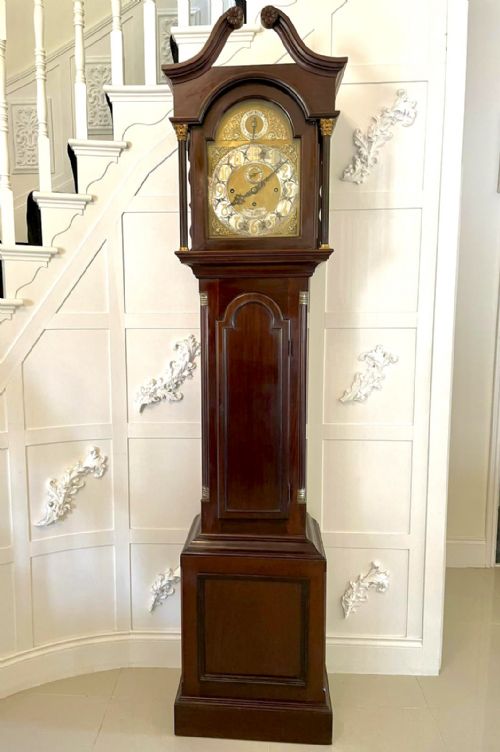
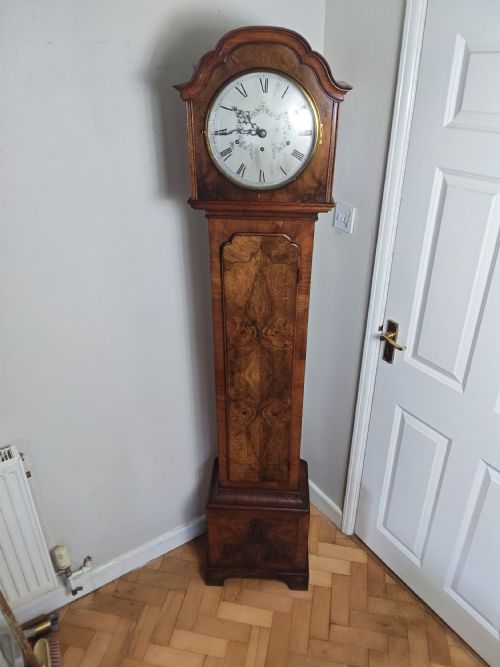
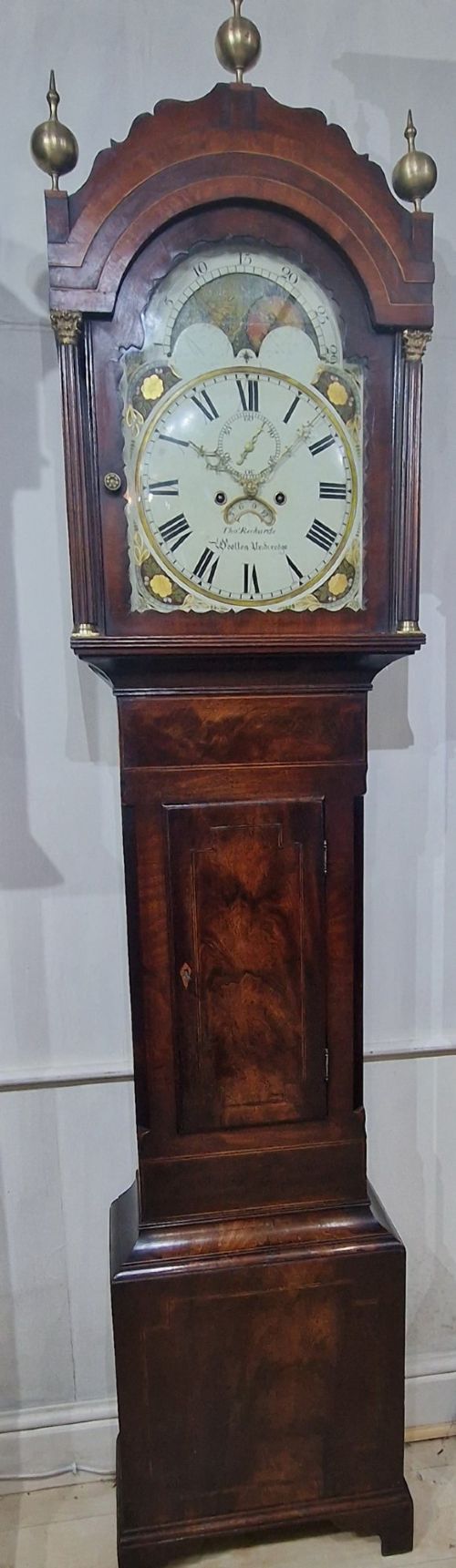
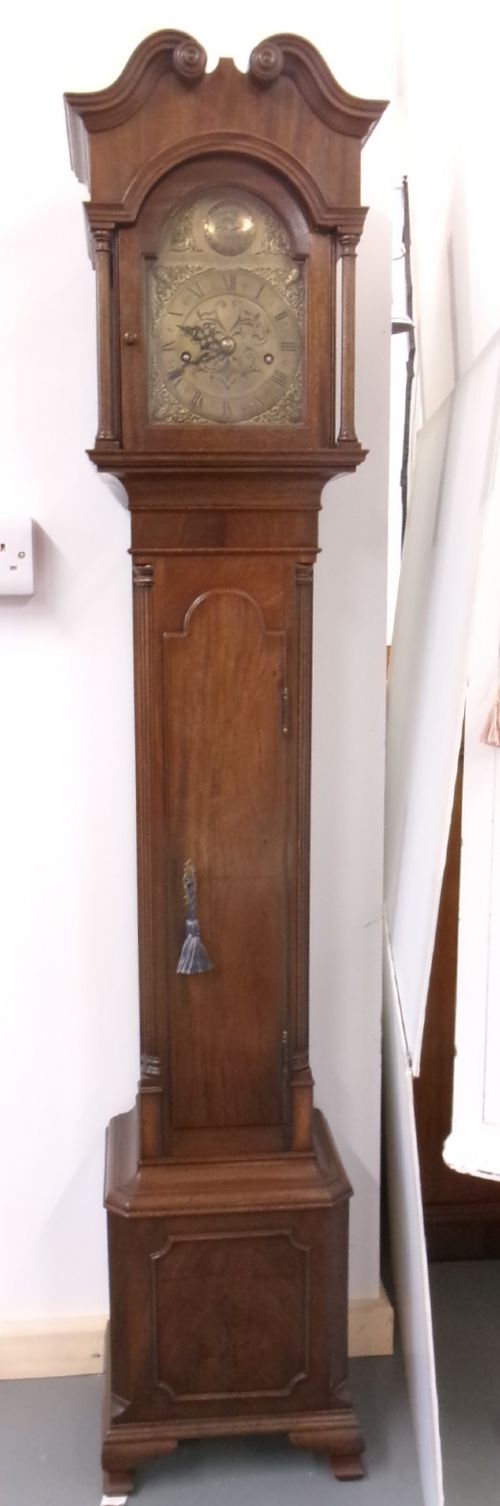


Brown Wooden Floor Clock
A brown wooden floor clock anchors a room with mechanical rhythm, offering the steady chime and measured tick of tall horology.
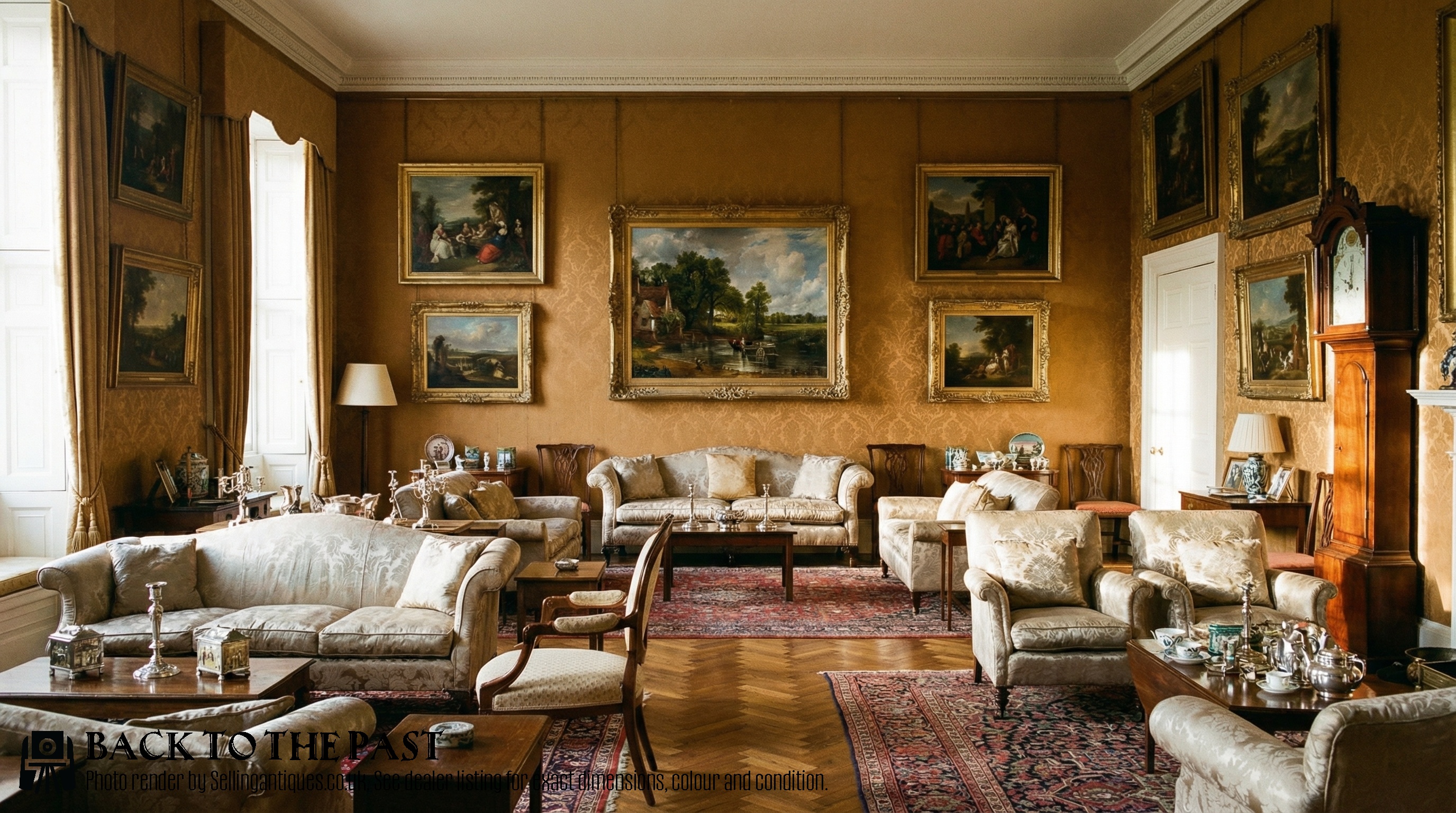
Brown Wooden Floor Clock
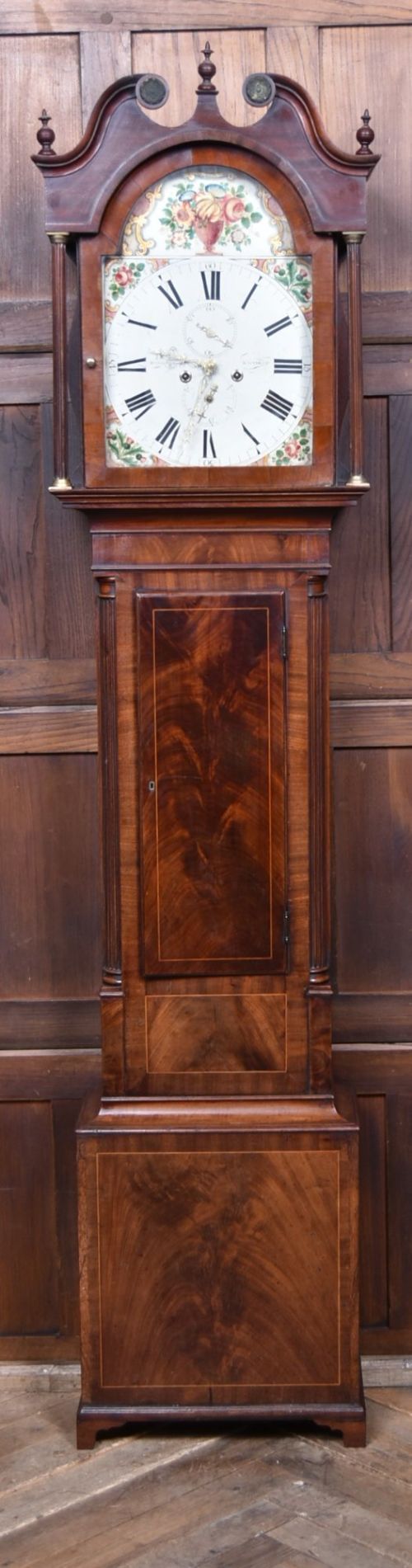
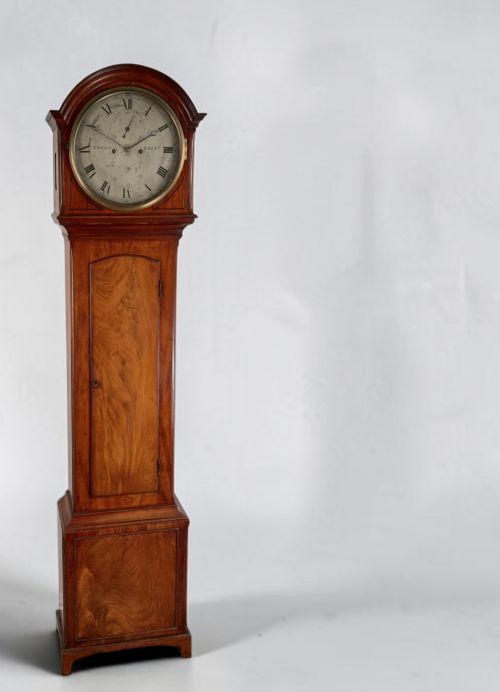
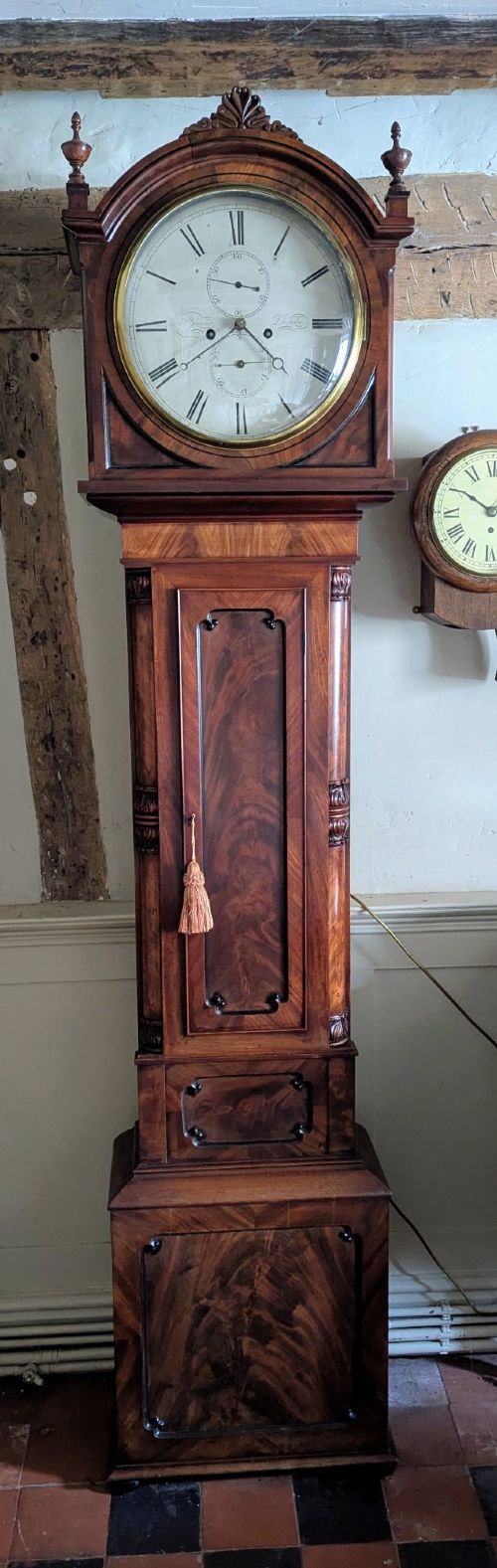
A brown wooden floor clock encompasses tall timepieces commonly known as longcase, grandfather, grandmother, and granddaughter clocks. These standing instruments range from full-sized architectural floor clocks to smaller scaled variants produced during the Georgian, Victorian, and later periods.
The materials span oak, mahogany, walnut, and flame mahogany, often paired with brass dials and glass face covers. Buyers encounter regional English, Scottish, and Welsh variations, alongside French examples and later revival styles.
Traditional longcases dominate the selection, standing tall in hardwood cases with weight-driven or spring-driven movements. Smaller grandmother and granddaughter clocks appear frequently, offering similar tall proportions in reduced dimensions.
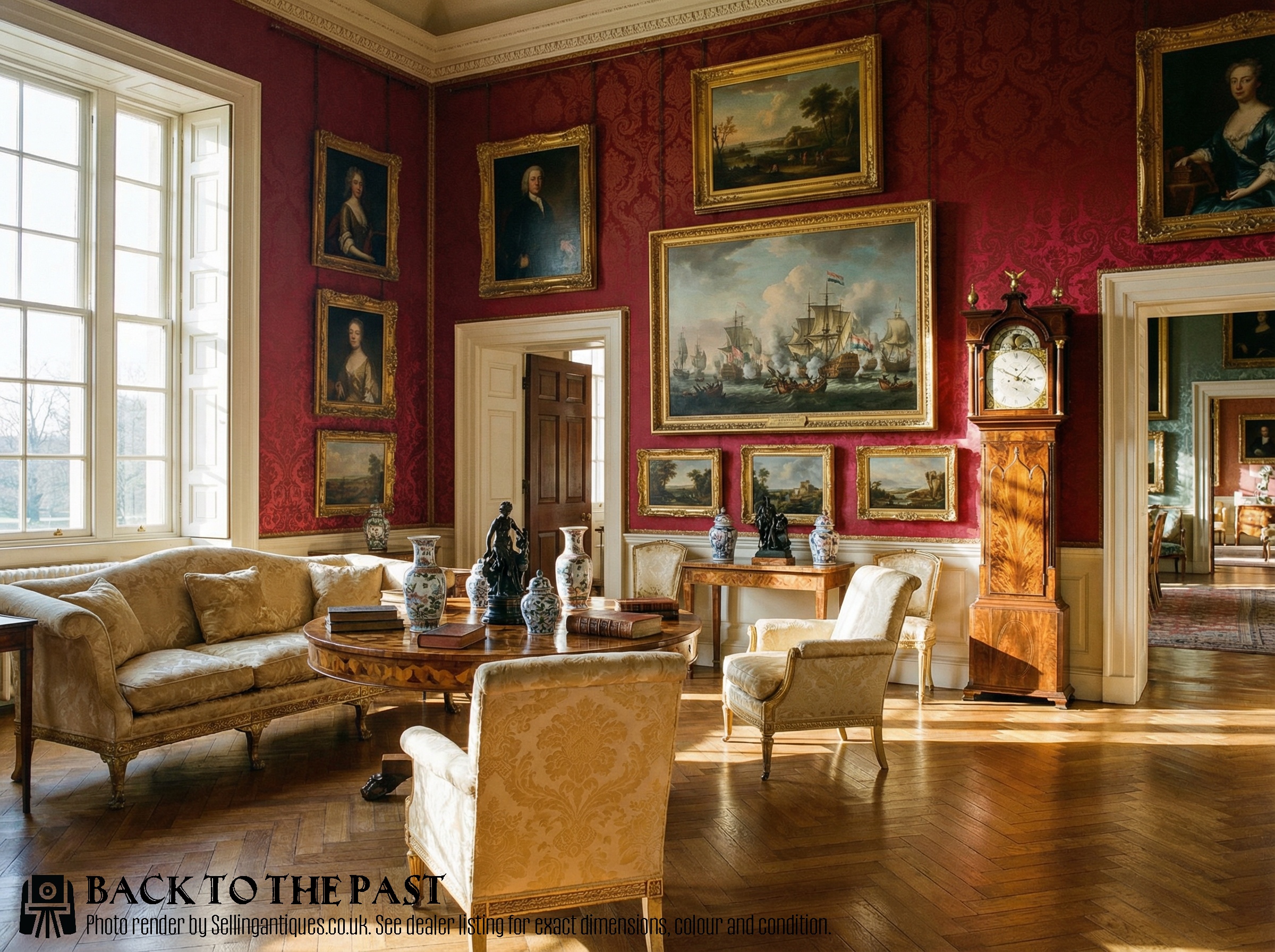
Materials and construction
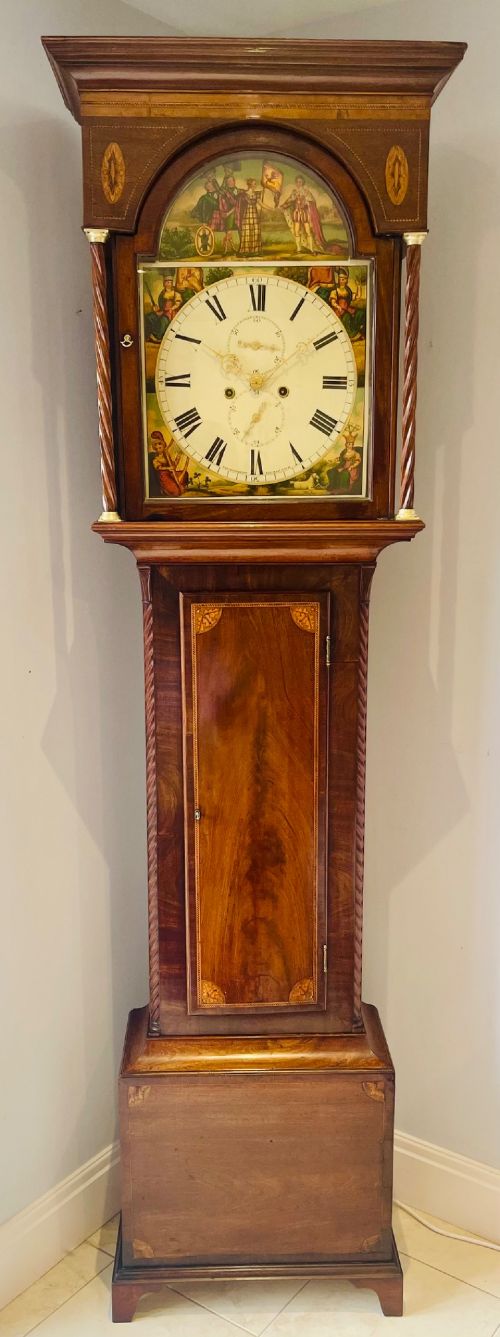
Cabinetmakers utilised solid timbers such as oak and mahogany, frequently applying figured veneers like walnut, flame mahogany, and crossbanding to the long cases. Wood selection determined the visual depth of the grain, while iron and brass formed the internal wheel trains and movement plates.
Clockmakers fitted brass or enamel dials, sometimes incorporating moon phases, painted scenes, or subsidiary seconds rings. Protective glass doors and hoods shielded the swinging pendulums and hanging weights from dust and air currents.
Brown Wooden Floor Clock Retail Price Guide 2026
Typical asking prices for brown wooden floor clock among the pieces listed under this phrase on Sellingantiques today, from the lower quarter to the upper quarter. They describe what is for sale here now, not the wider market.
Listings feature woods spanning oak, walnut, mahogany, and flame mahogany across Georgian, Victorian, and 19th-century periods.
Differentiating quality
The refinement of the cabinetwork and the complexity of the internal movement separate standard timepieces from finer works. Finely figured veneers, intricate dial engraving, and musical chime configurations indicate superior workshop production.
Proportion and dial execution dictate the overall presence of the clock. Crisp casting on brass spandrels, well-executed hand-painted enamel faces, and clean architectural lines in the timber case reflect maker expertise.
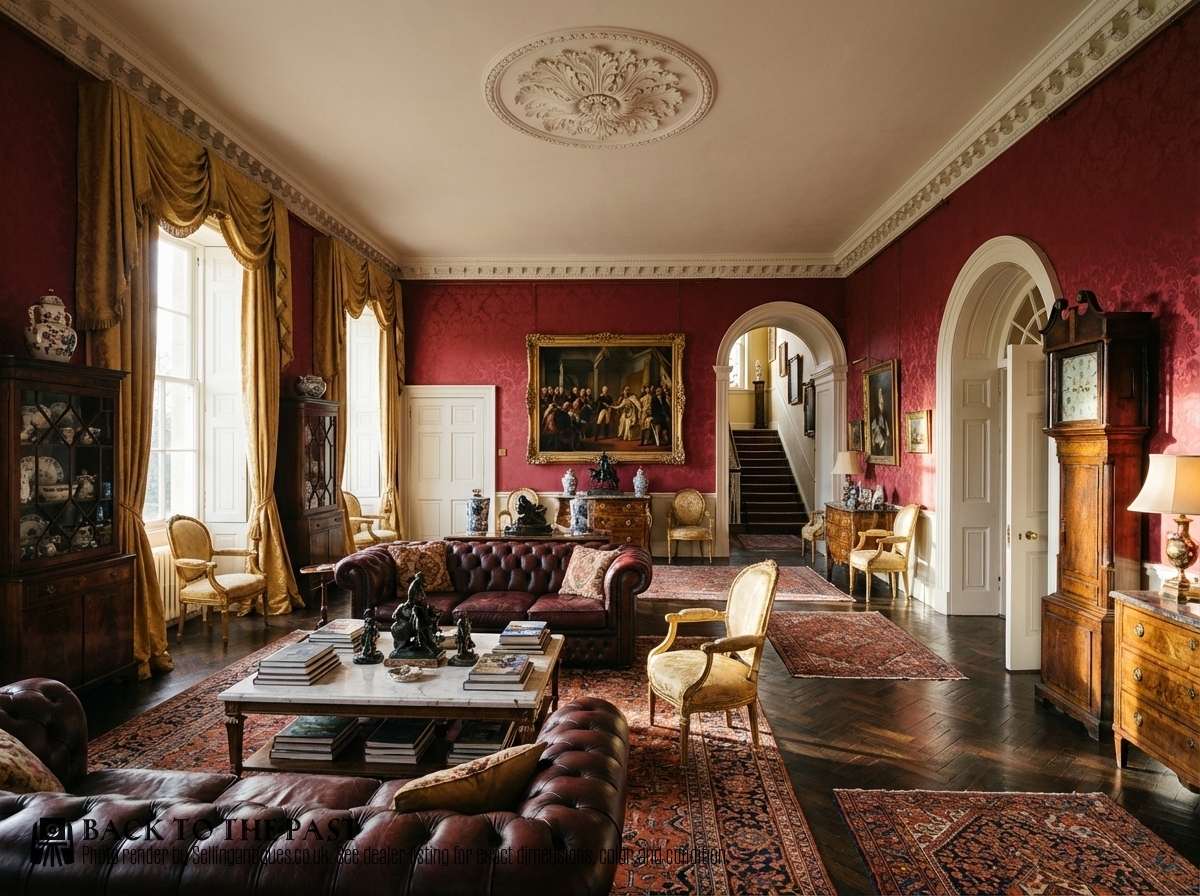
Hendrie Ogg Dunfermline·Green of Edinburgh·Winsor Bishop Norwich·Rickards Wotton Under Edge·Benjamin Peers Chester·Edward Upjohn Exon·James Coster Henley·Edward East·Joseph KnibB·Garman Meonstoke·Wm Stanford Great Yarmouth·Dent of London·W Prior Skipton·John Harrington London·Jn Wright Linton
The Brown Wooden Floor Clock Glossary
- Longcase clock
- A tall pendulum clock enclosed in a wooden case that rests directly on the floor. These tall horological instruments are frequently called grandfather clocks.
- Grandmother clock
- A scaled-down version of the traditional longcase clock. These shorter standing timepieces were produced in smaller proportions.
- Crossbanding
- A decorative border technique where thin strips of veneer are laid so the grain runs perpendicular to the surrounding wood. This method frames the central panel of the clock door.
- Regulator
- A precision timekeeping clock designed to maintain exact time. These movements were traditionally used as standard references for setting other clocks.
Brown Wooden Floor Clock: Frequently Asked Questions
What is a brown wooden floor clock?
A brown wooden floor clock is a tall standing timepiece housed in an upright wooden case made from timbers like oak, mahogany, or walnut. These instruments use a pendulum and falling weights or springs to drive the internal movement and time display.
They appear in various heights, ranging from grand architectural longcase clocks down to smaller grandmother and granddaughter variants produced across multiple centuries.
How do I wind an antique floor clock?
Winding depends on whether the movement uses suspended weights or a spring-driven barrel system. You typically insert a winding key into specific holes on the dial face to raise the weights or tension the springs.
Care must be taken not to overwind the movement, and weights should be guided carefully to prevent damage to the internal cords or chains.
Where should I place a longcase clock?
Longcase clocks require a stable, dry interior location away from direct sunlight, heating vents, and exterior doors. Fluctuations in temperature and humidity can affect the wooden case and the expansion of internal components.
The clock must stand on a firm, level surface so the pendulum swings symmetrically and the beat remains even.
How do I tell the age of a clock?
Dating relies on examining the construction of the wooden case, the style of the dial, and the signature of the maker inscribed on the face or movement. Georgian, Victorian, and earlier 17th-century styles exhibit distinct decorative motifs and dial architectures.
Changes in dial materials, from brass brass-spandrel faces to painted enamel and moonphase displays, provide clear chronological markers.