
Georgian Pendulum Clock
A georgian pendulum clock measures time through the swing of a weighted bob, offering traditional mechanics and period cabinet work.
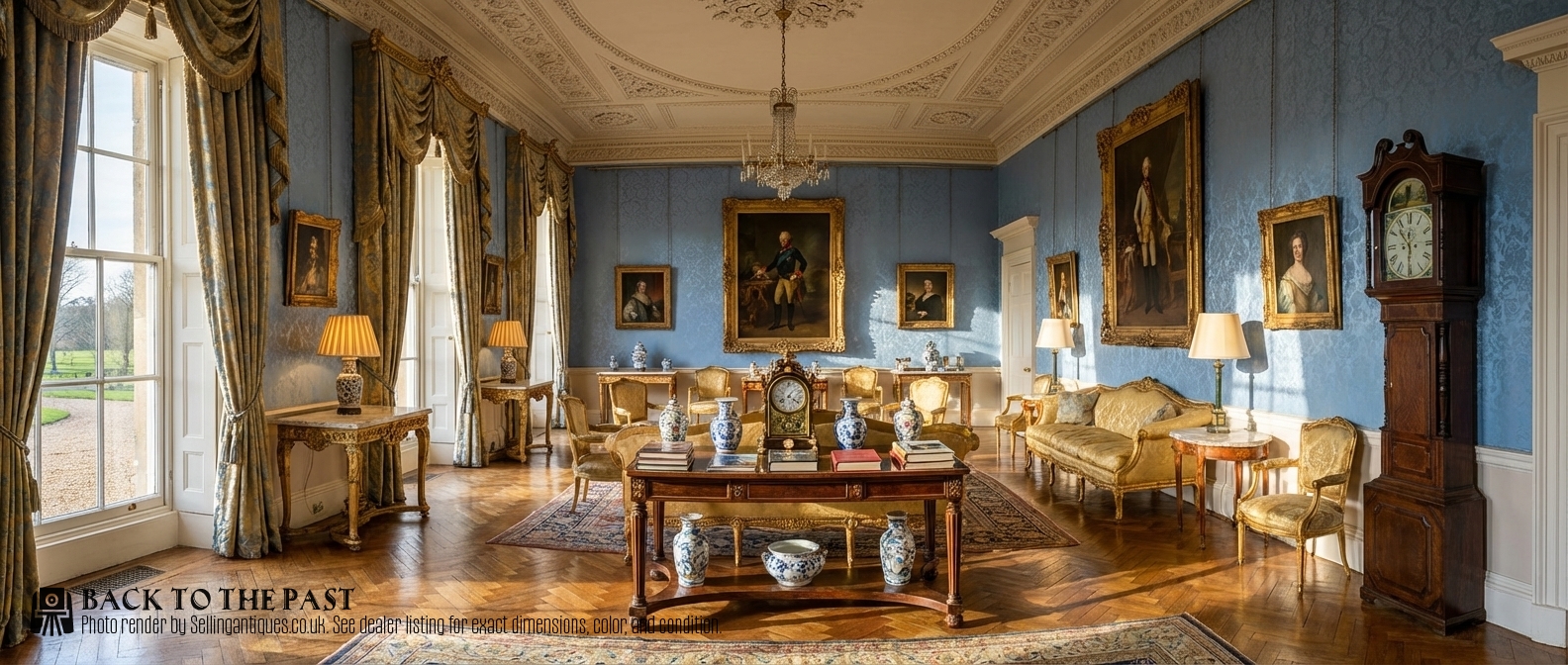
Identifying georgian pendulum clocks
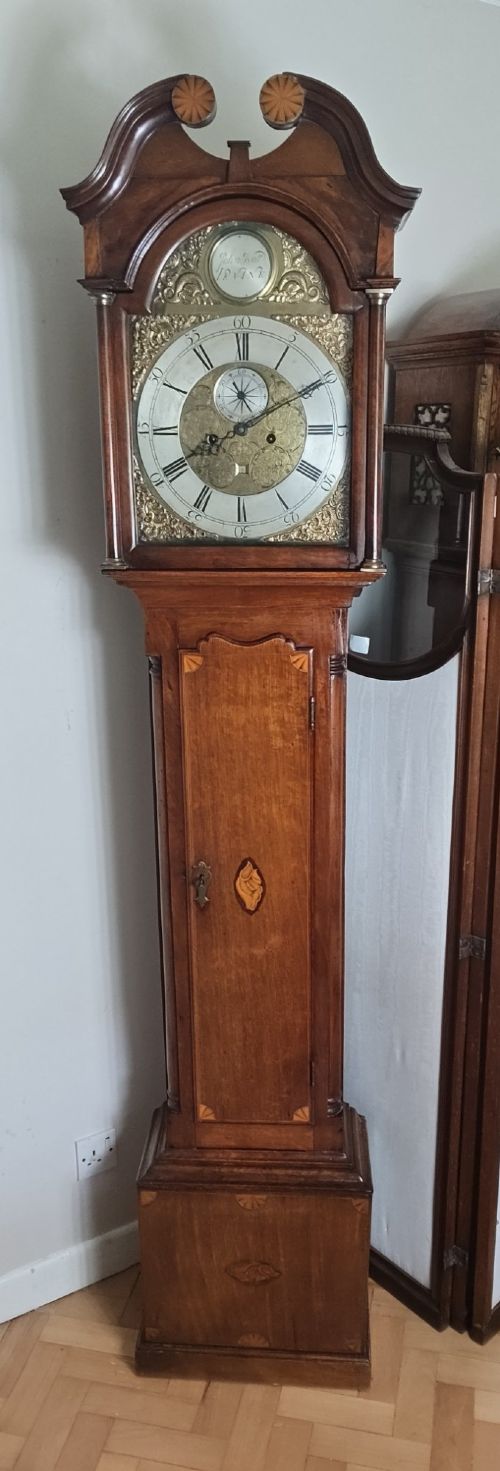
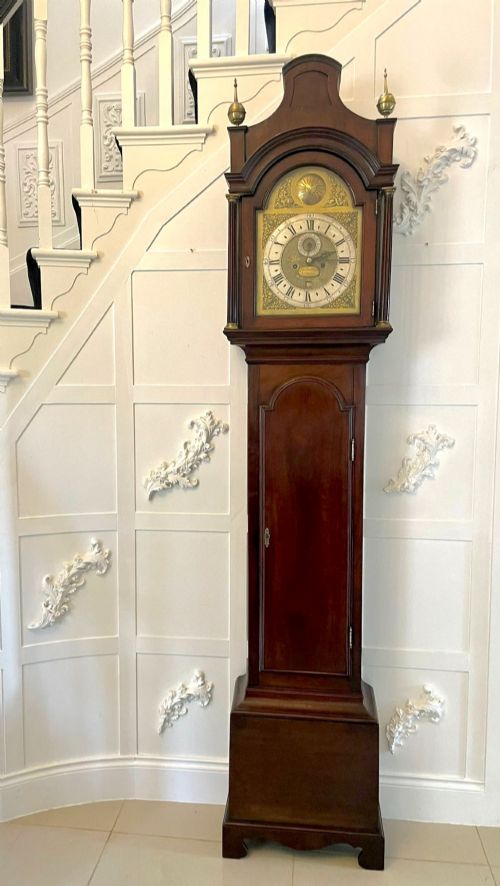
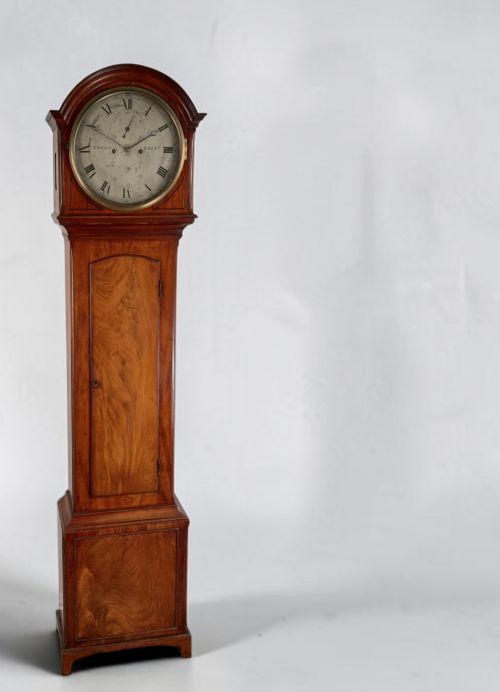
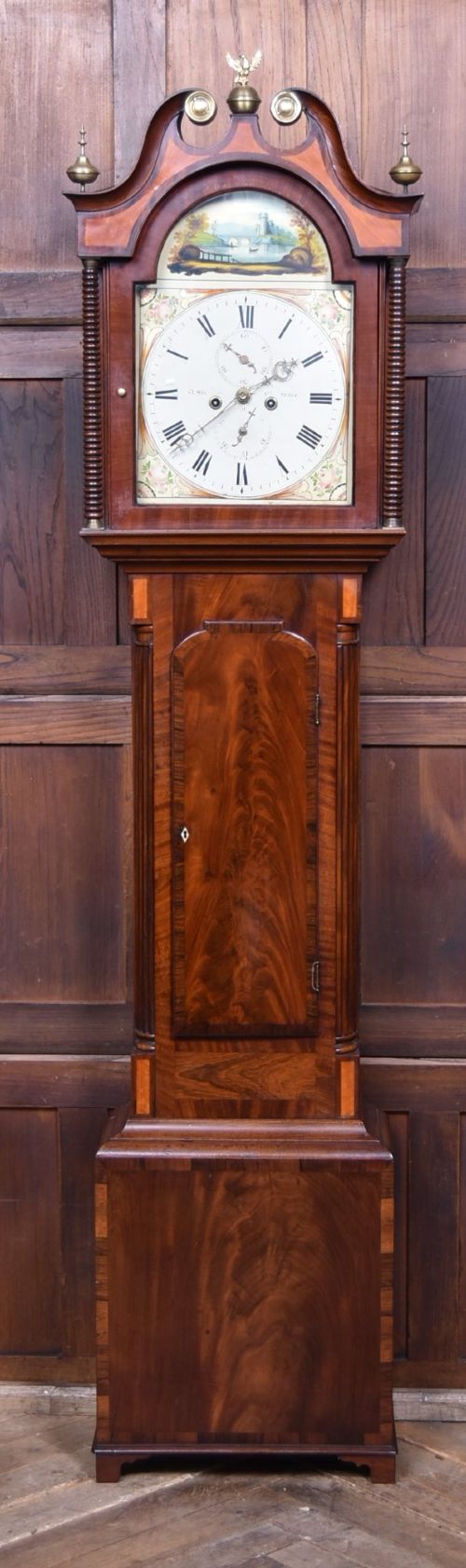
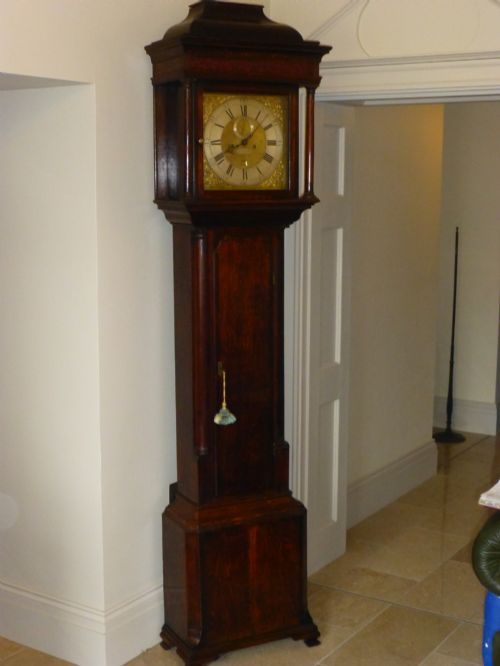
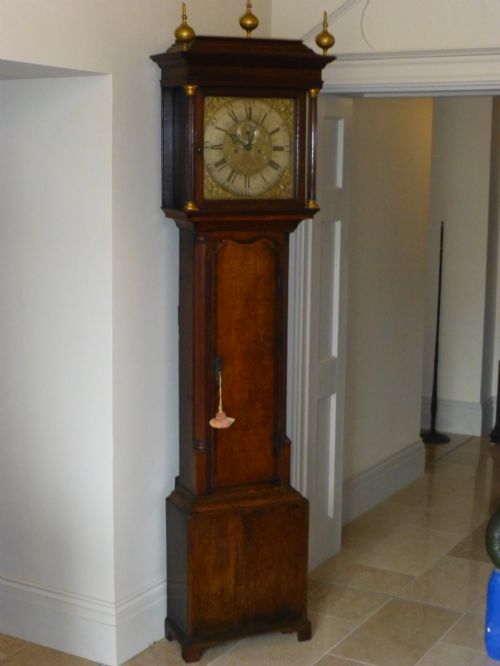
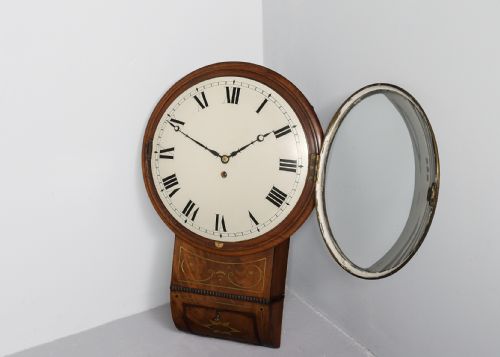
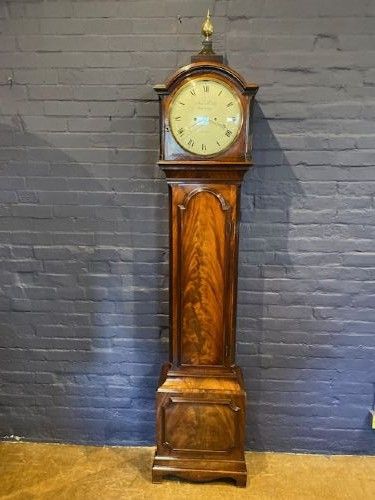
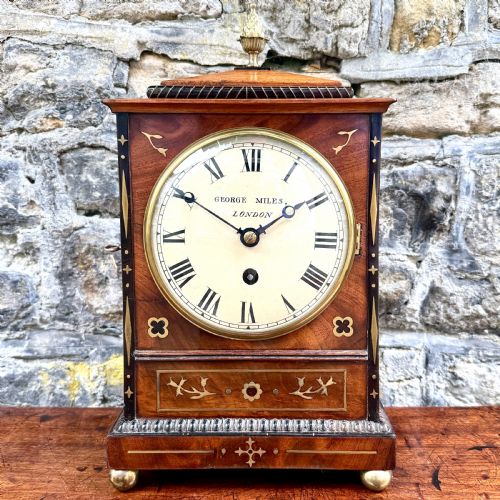
A georgian pendulum clock encompasses tall floor standing longcase clocks and wall mounted drop dial timepieces from the eighteenth and early nineteenth centuries. These pieces reflect the cabinet making and horological standards of the Georgian, George II, and George III eras, spanning significant stylistic developments in British clockmaking.
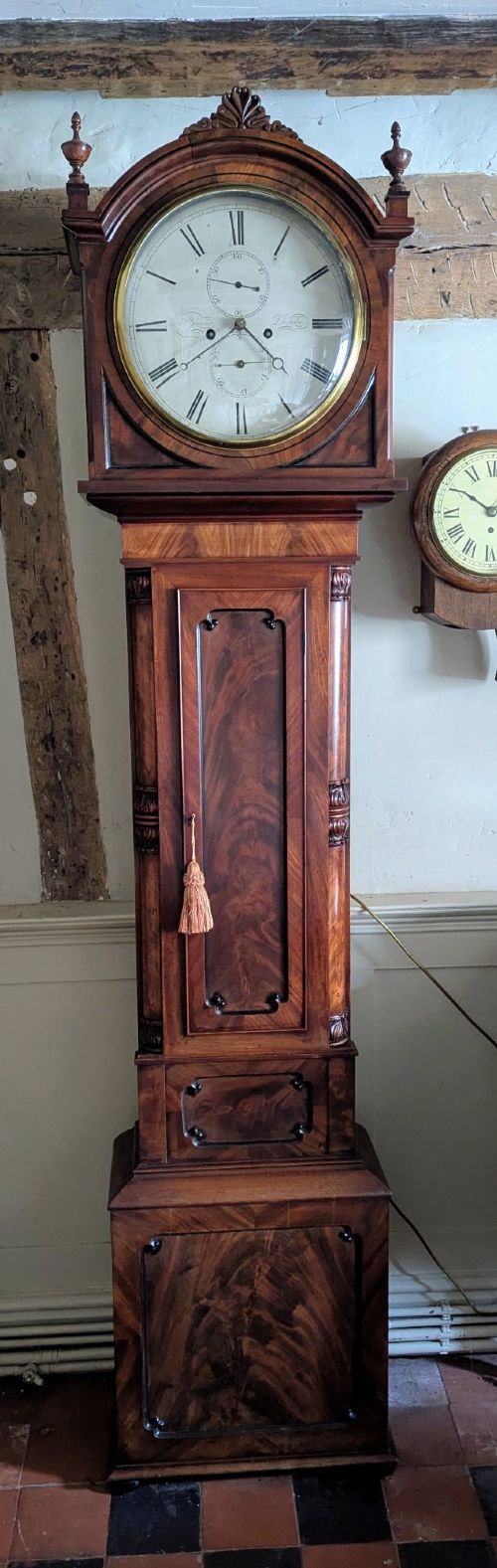
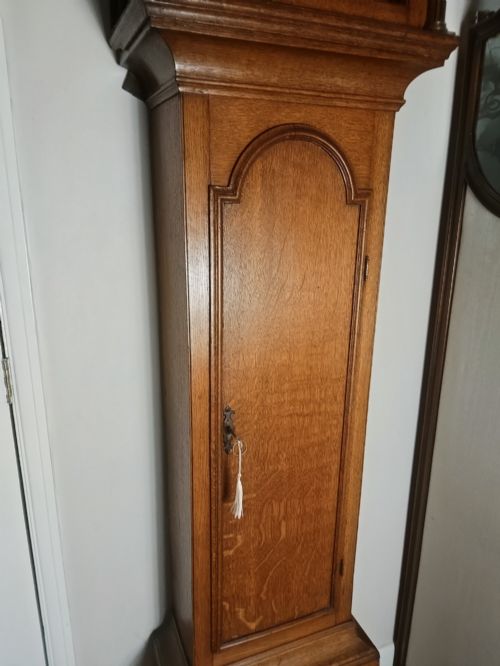
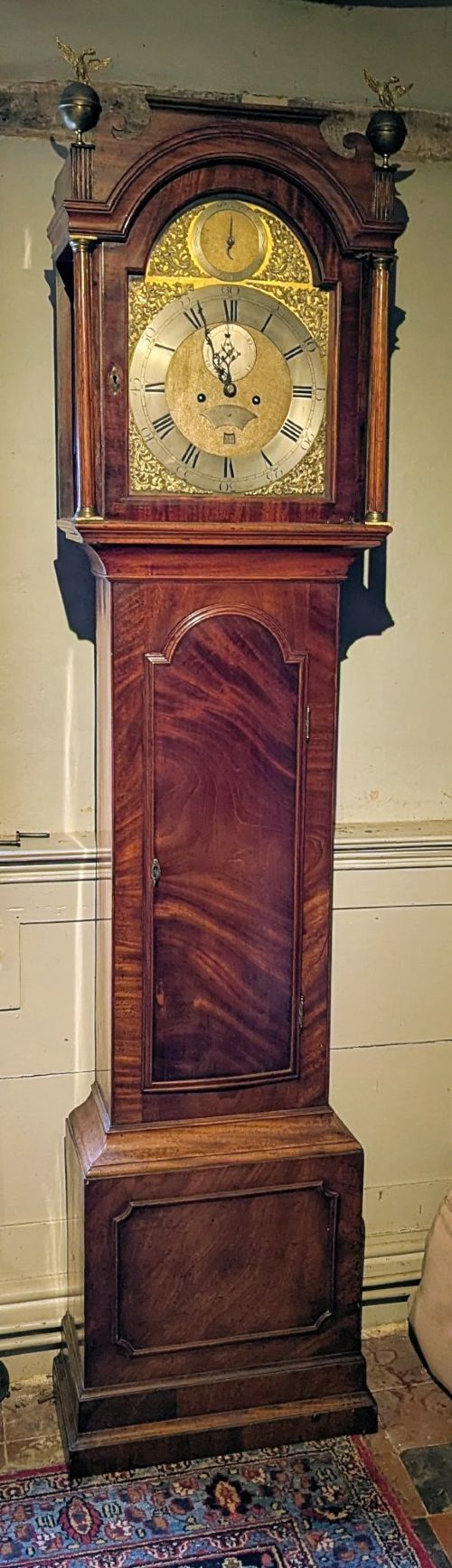
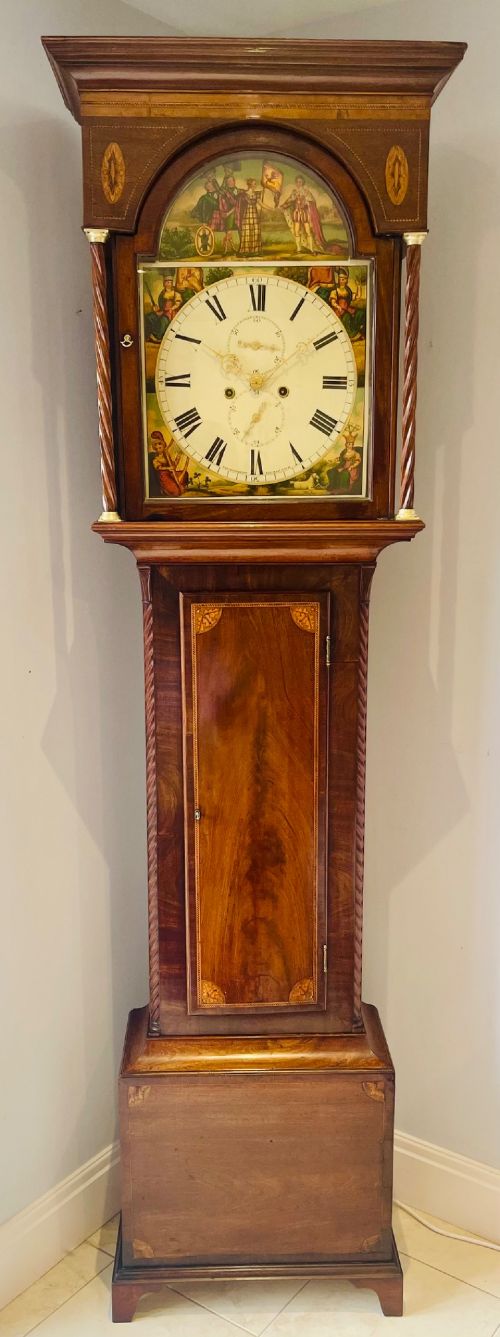
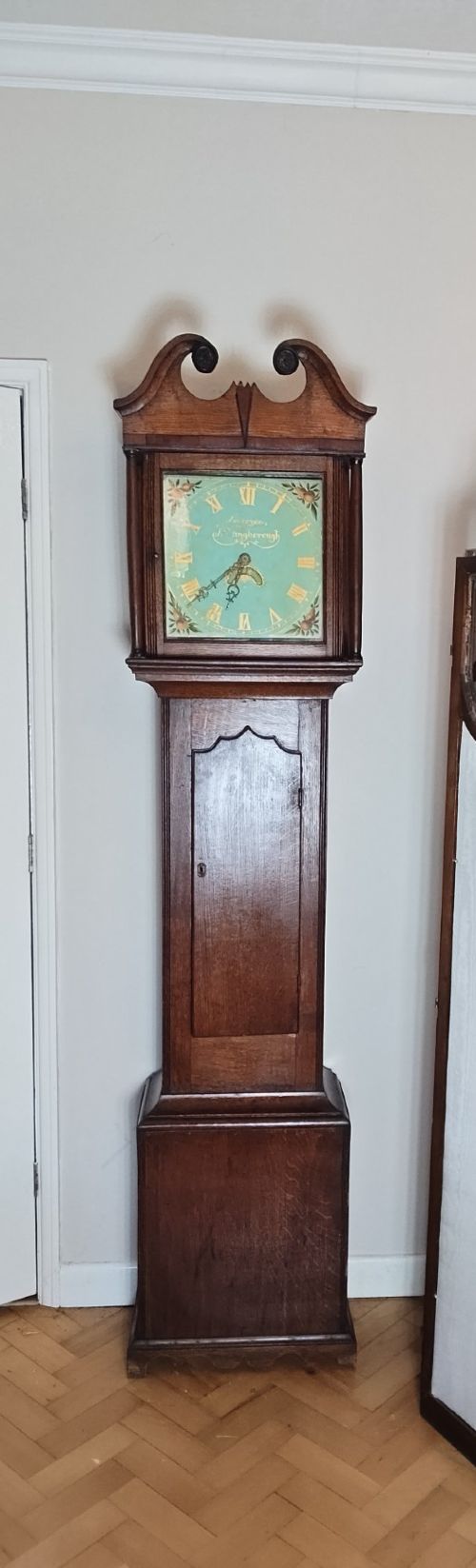
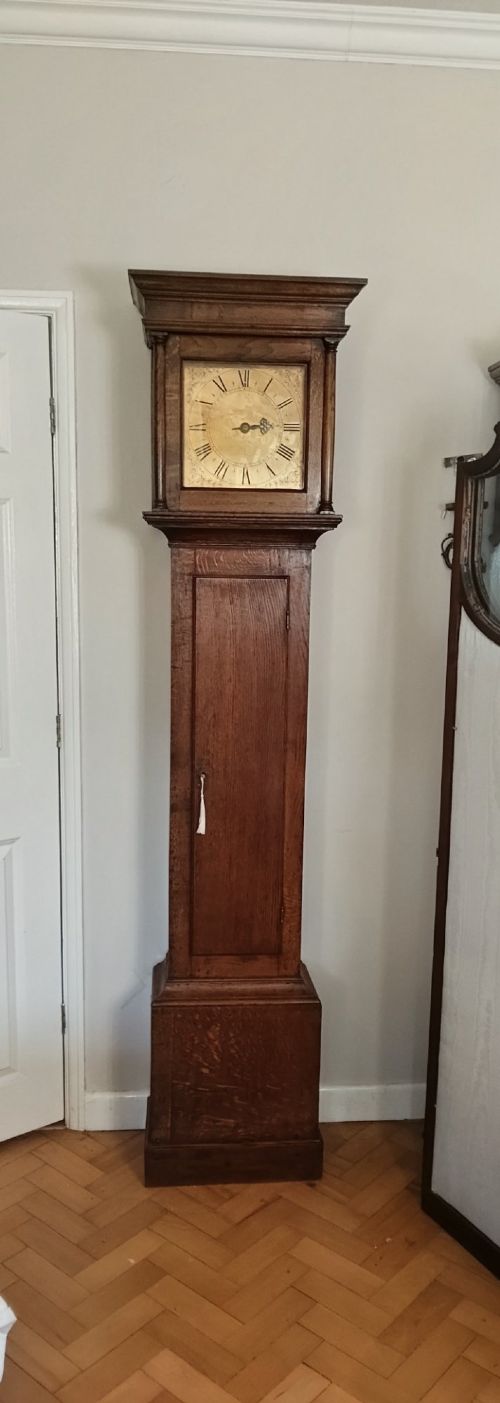
Buyers most frequently encounter tall mahogany longcase clocks featuring brass or painted iron dials, alongside occasional oak examples and compact wall clocks. The tall cases serve both to house the hanging driving weights and long pendulums necessary for accurate timekeeping, whilst displaying the timber grains favoured during the period.
Materials and construction
Makers constructed the tall floor cases primarily in mahogany and oak, selecting dense hardwoods to house and protect the delicate internal gear trains. Cabinet makers utilised solid timbers and figured veneers, housing the movement within glazed upper hoods that lifted or swung open for winding and regulation.
The mechanical movements rely on brass plates, wheels, and escapements paired with steel arbors and heavy cast metal pendulum bobs. Dials feature engraved or painted iron faces protected by heavy glass panels within brass bezels or timber framing.
Retail Price Guide 2026
Typical UK retail prices for georgian pendulum clock, calculated from the Sellingantiques database of over a million retail prices indexed since 2003. This retail price guide relies exclusively on Sellingantiques data; no external sources or auction records are used, so the figures do not describe the wider market.
Some provincial clockmakers signed their painted iron dials with names and distant Lincolnshire towns, leaving permanent records in rustic script.
Judging quality in horology
Quality in a georgian pendulum clock rests upon the precision of the internal movement and the crispness of the dial engraving or hand painted numerals. Finer gear trains exhibit careful finishing on the pivots and teeth, ensuring consistent energy transfer from the weights to the pendulum.
Cabinet work distinguishes standard production from high grade pieces through timber selection, secondary wood choice, and the integration of architectural details such as fluted columns and brass stop flutings. The harmony between the dial signature, movement complexity, and cabinet proportion dictates the standing of an individual clock.
Henry Weedon London·George Clapham
The Georgian Pendulum Clock Glossary
- Longcase clock
- A tall freestanding weight driven timepiece housed in a protective wooden case, commonly known as a grandfather clock. These tall enclosures allow the heavy driving weights sufficient drop for extended running periods.
- Strike silent
- A mechanism that allows the striking train to be disengaged so the clock sounds no hours while continuing to keep time. This feature prevents unwanted chimes during sleeping hours.
- Fusee
- A conical pulley used in spring driven clocks to maintain even tension on the gear train as the mainspring unwinds. This device compensates for the decreasing force of a relaxing spring.
- Drop dial clock
- A wall mounted timepiece featuring a short circular dial above an extended wooden box that houses the pendulum. This form became popular in public buildings, offices, and large halls during the period.
- Arch dial
- An upper semicircular extension to square clock faces used to display subsidiary dials, maker details, or decorative brass spandrels. This shape creates a more formal architectural facade.
Frequently Asked Questions
How do I wind a georgian pendulum clock?
Winding involves inserting a key into the winding holes on the dial face and turning it slowly to draw the weights back up to the top of the case. Care must be taken not to overwind the movement, stopping as soon as resistance increases.
Most eight day movements require winding once a week on the same day to maintain consistent tension and timekeeping accuracy.
Where should I place a longcase clock?
A longcase clock requires a stable, dry interior wall away from direct sunlight, heating vents, and draughts that can alter wood moisture and affect the pendulum swing. The floor must be level to ensure the beat of the escapement remains even.
Securing the tall wooden case to the wall via brackets provided prevents tipping and maintains the vertical alignment necessary for proper operation.
What is the difference between brass and painted iron dials?
Brass dials feature engraved numerals, maker details, and cast corner ornaments mounted on a matted or polished brass plate, typical of earlier eighteenth century work. These faces offer a traditional metallic aesthetic.
Painted iron dials emerged later, presenting white enamel surfaces decorated with floral motifs, Arabic or Roman numerals, and calendar apertures under protective glass.
How do I tell George II from George III clocks?
George II clocks, dating roughly from the second quarter of the eighteenth century, often display square brass dials with classical cast spandrels and rich, dark mahogany or walnut cabinetry. Proportions tend to be robust and architectural.
George III clocks, spanning the later decades of the century into the early eighteen hundreds, frequently introduce arched dials, painted iron faces, and lighter mahogany veneers with satinwood stringing or neoclassical detailing.