
Brown Mahogany Clock
These brown mahogany clock pieces bring traditional woodwork and dependable timekeeping into a room, offering both standing and wall-mounted formats from past centuries.
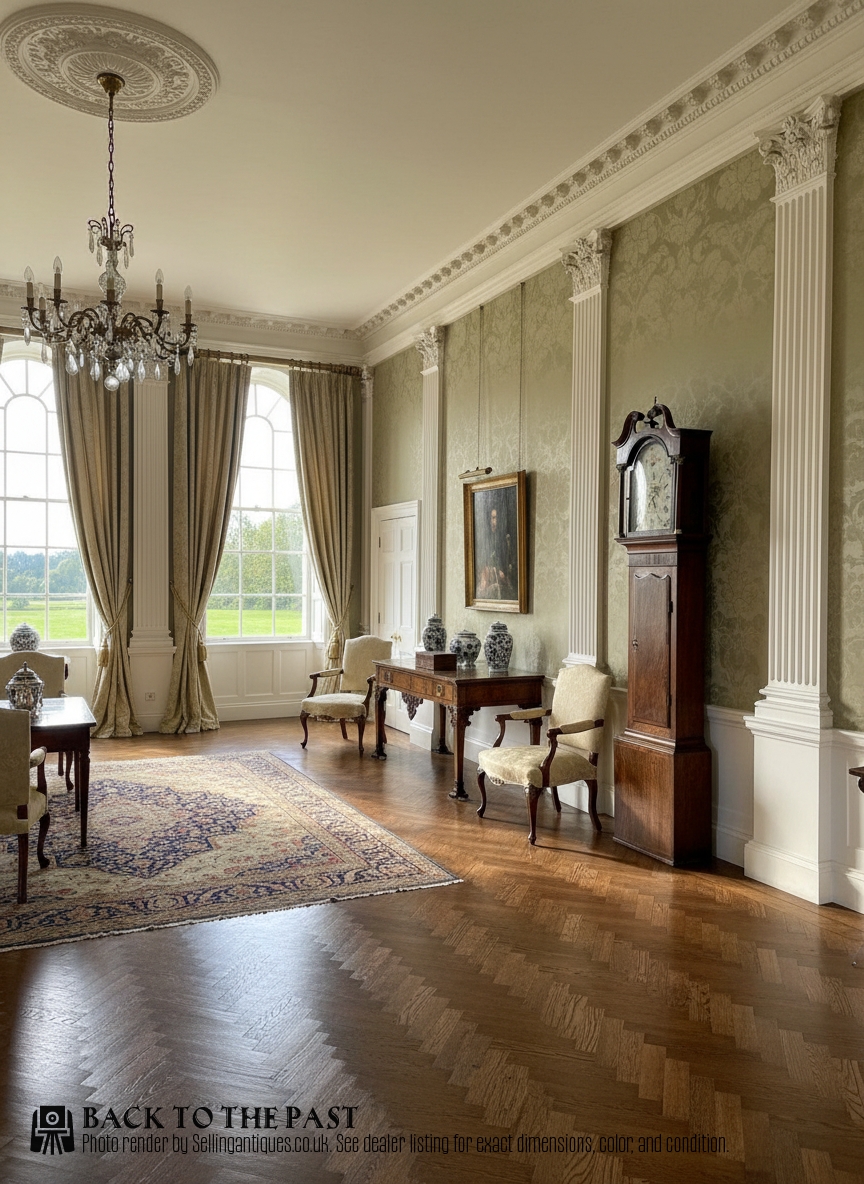
Brown Mahogany Clock
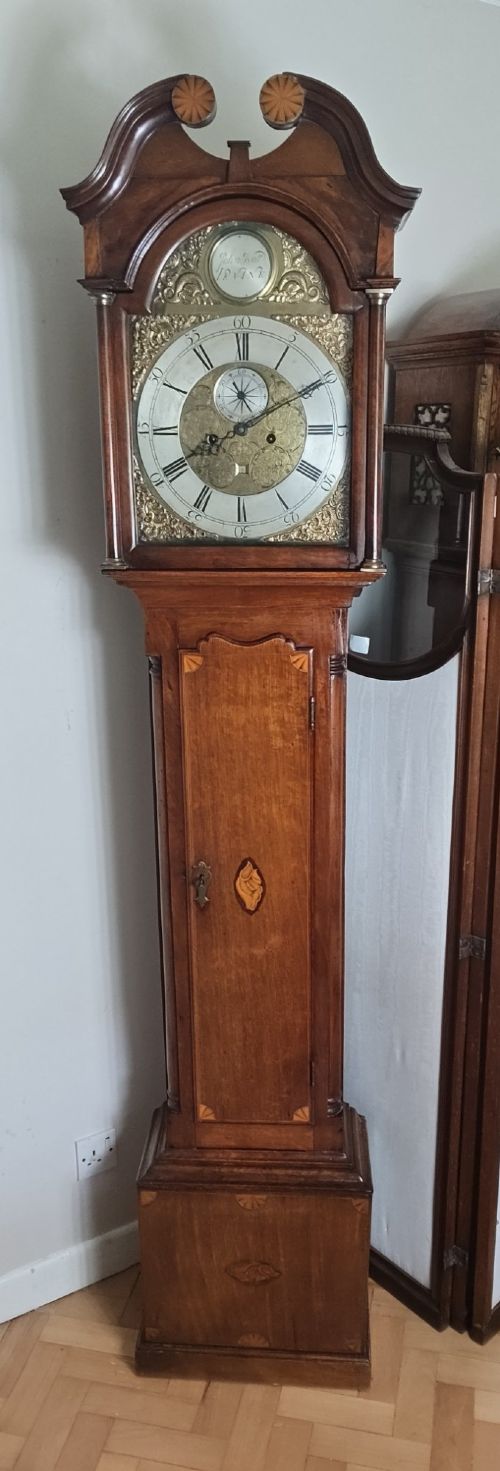
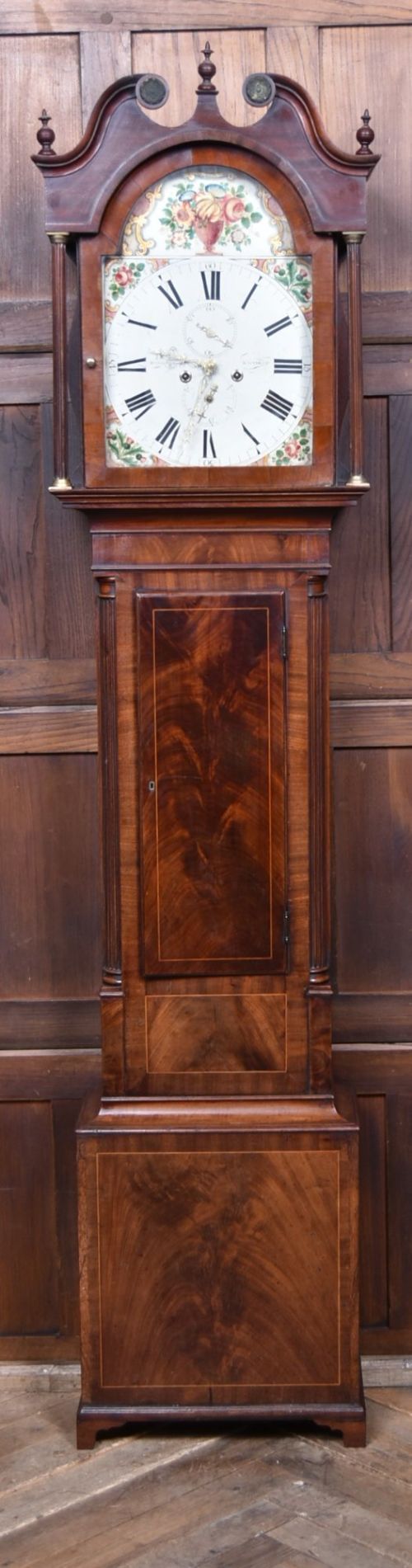
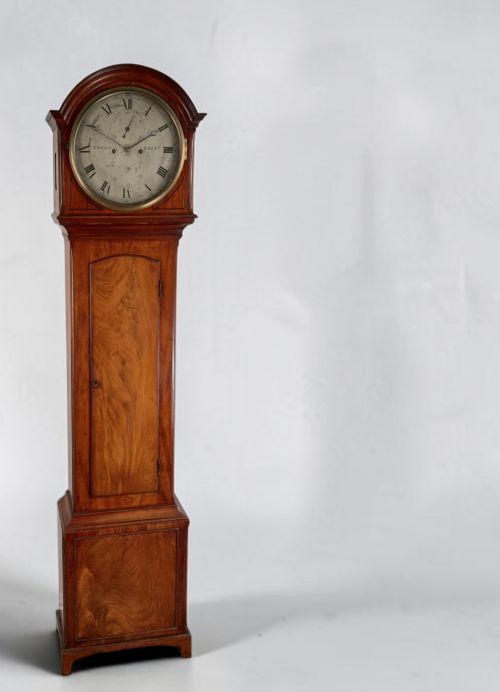
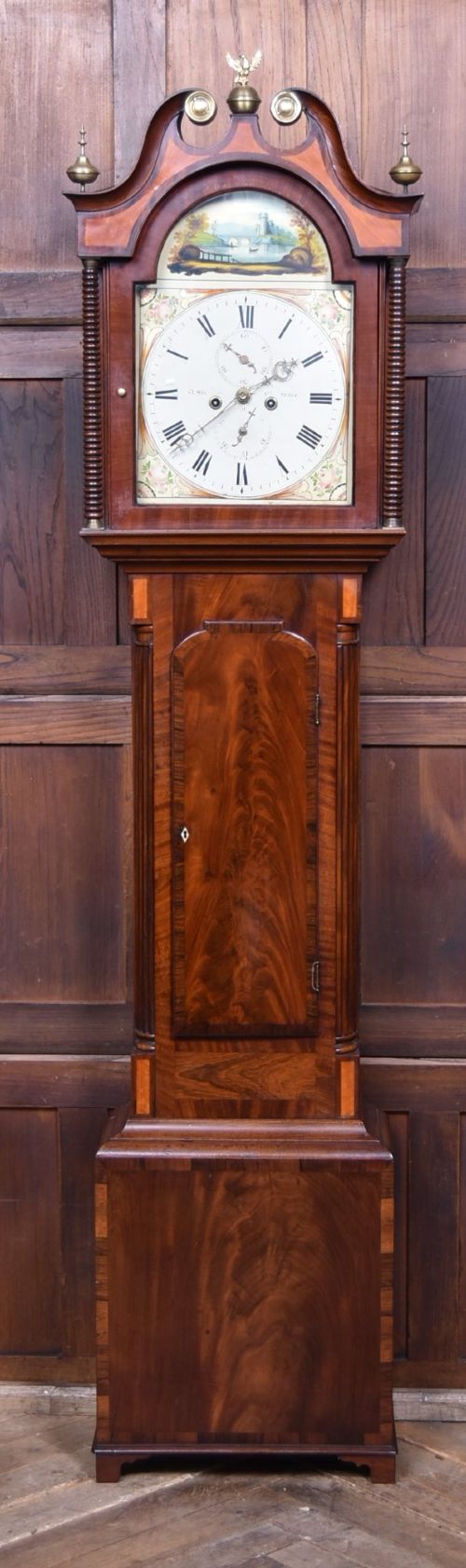
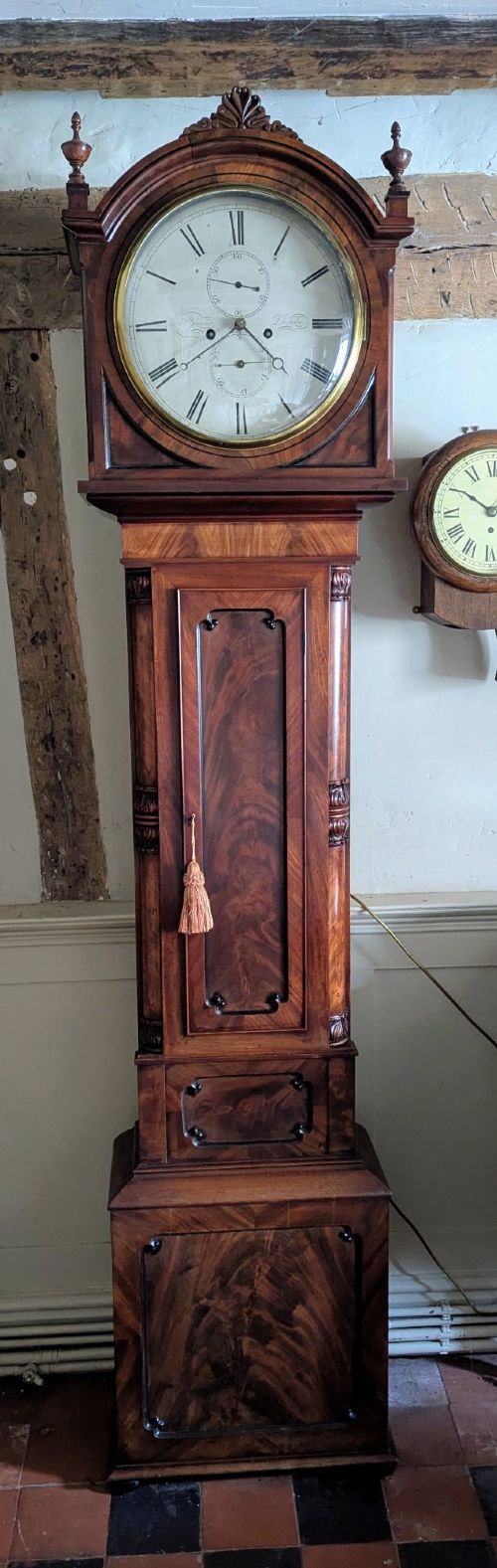
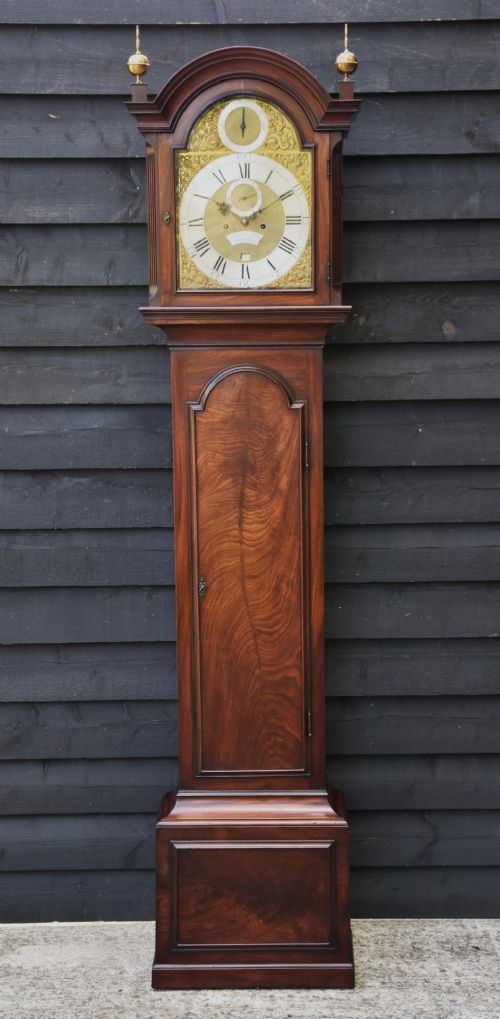
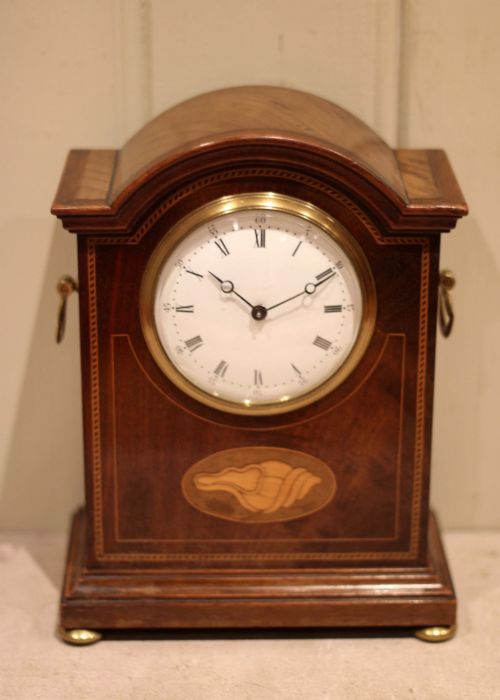
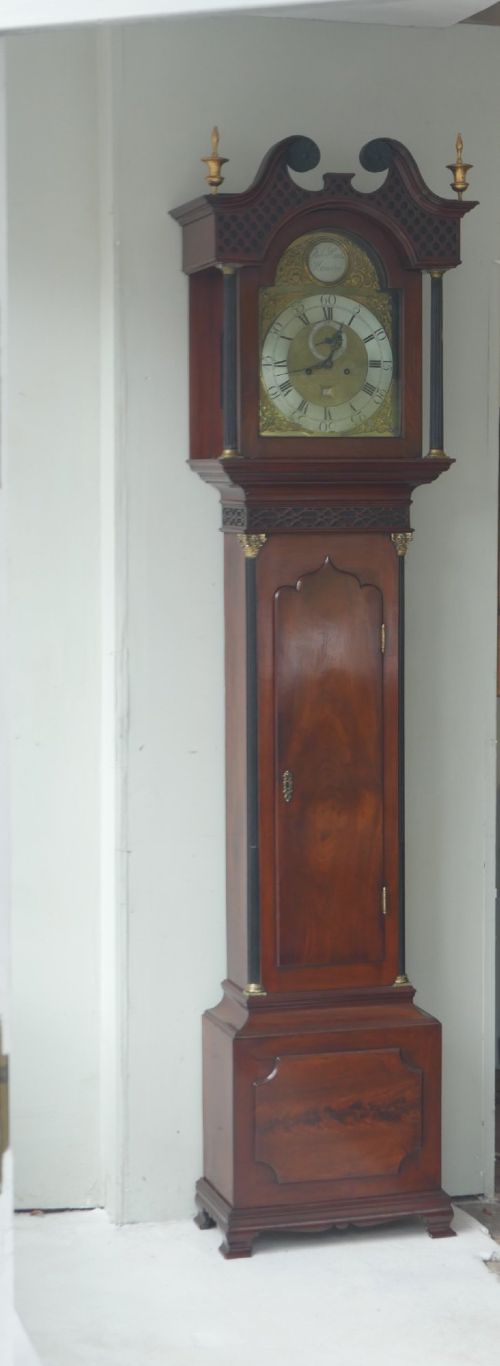
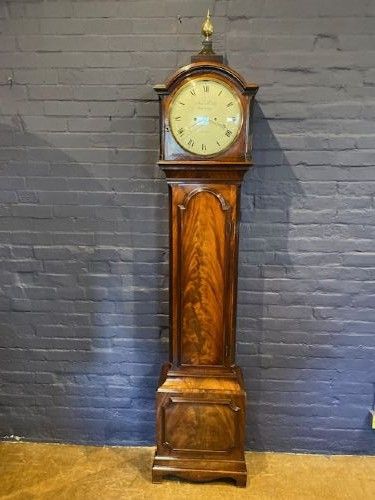
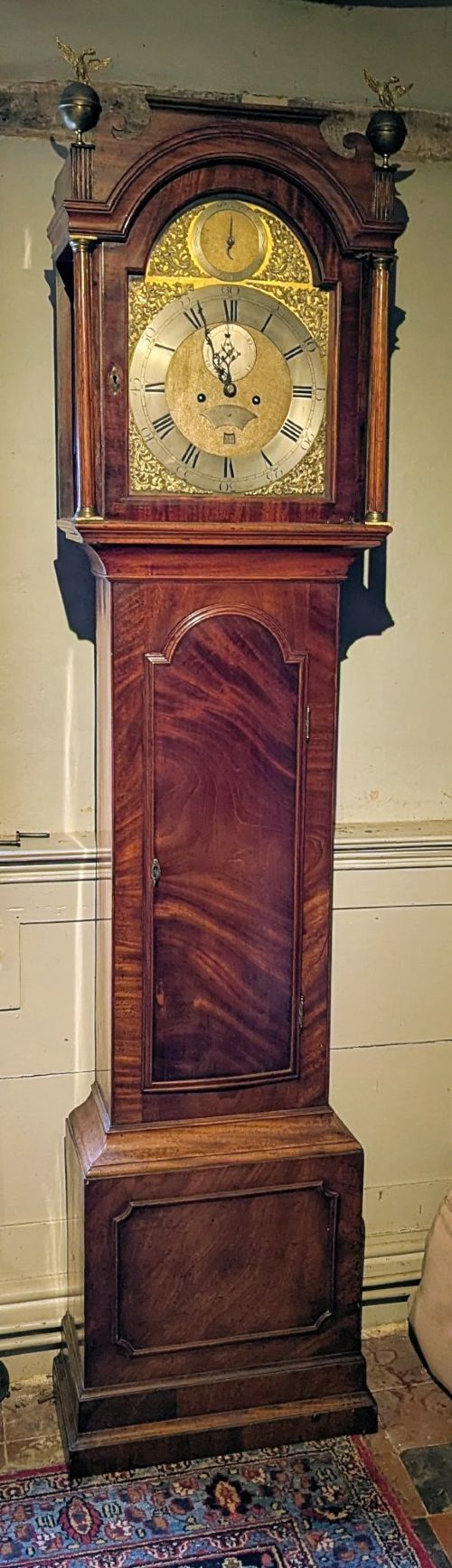
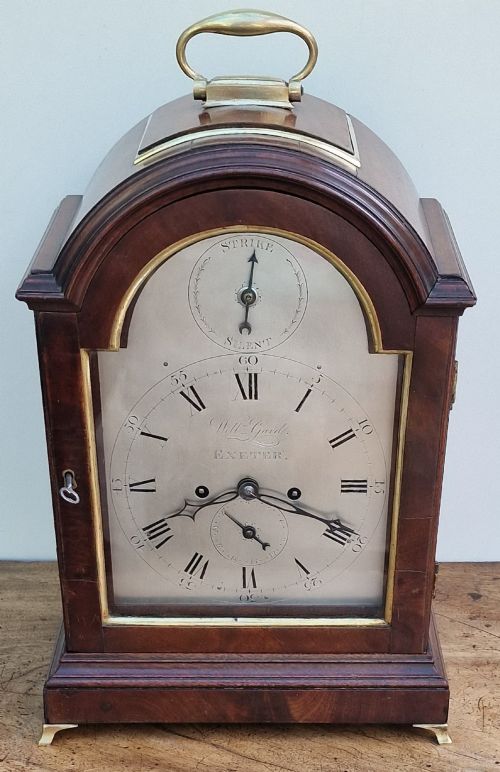
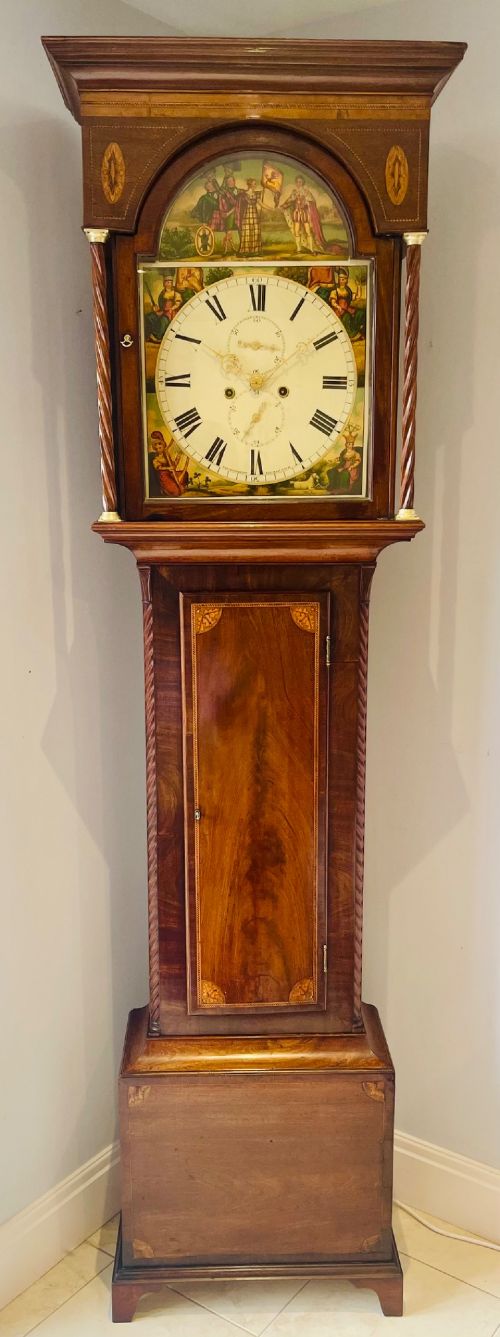
A brown mahogany clock encompasses tall longcase and grandfather forms, wall-mounted dial clocks, and smaller mantel or bracket pieces. These items originate predominantly from Georgian, Victorian, and Edwardian periods.
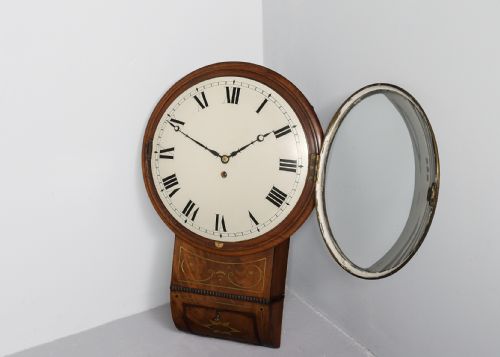
The most common formats met on this page are tall longcase pieces housed in mahogany cases, alongside round dial wall clocks and decorative mantel pieces made of mahogany and brass.
Makers and regional origins span English, Scottish, and Welsh workshops, alongside specific provincial towns and London makers recorded in the evidence.

How they were made
Cases combine solid and veneered mahogany, sometimes enriched with satinwood inlay, brass mounts, and painted or enamelled iron dials protected by glass. Iron and steel components form the internal movements, regulated by escapements and powered by weights or chains.
Movements utilise fusee mechanisms, eight-day trains, and striking or chiming arrangements, occasionally incorporating moon rollers, automata such as rocking ships, or musical bells.
Brown Mahogany Clock Retail Price Guide 2026
Typical asking prices for brown mahogany clock among the pieces listed under this phrase on Sellingantiques today, from the lower quarter to the upper quarter. They describe what is for sale here now, not the wider market.
Some Welsh longcase pieces keep time while a miniature ship rocks upon a painted sea via an internal automaton.
What varies in quality
The refinement of the timber figure and the precision of brass inlay separate standard examples from finer works. Case proportions, crispness of carved details like paterae, and the complexity of the dial work contribute to distinction.
Movement sophistication dictates standing within the range, from simple timepieces to eight-day striking mechanisms, musical or automaton additions, and signed dials by known makers.

Hendrie Ogg·Green of Edinburgh·D. Straiton·James McCabe·Handley & Moore·Winsor Bishop Norwich·Mappin & Webb·D & J Wellby·Robert Brown·Brown of Glasgow
The Brown Mahogany Clock Glossary
- Longcase clock
- A tall pendulum clock enclosed in a wooden case resting on the floor, frequently termed a grandfather clock.
- Fusee
- A conical pulley used with a chain or cord to maintain equal power as the mainspring unwinds.
- Dial clock
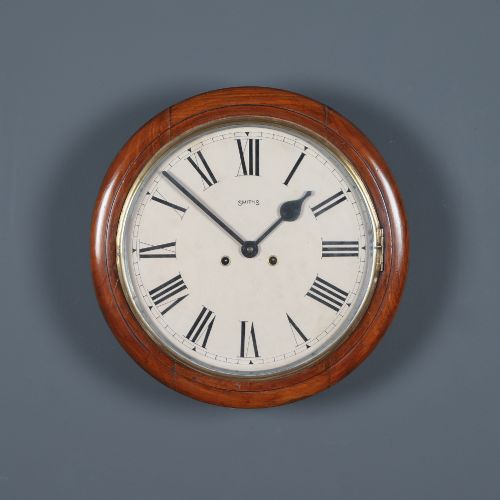
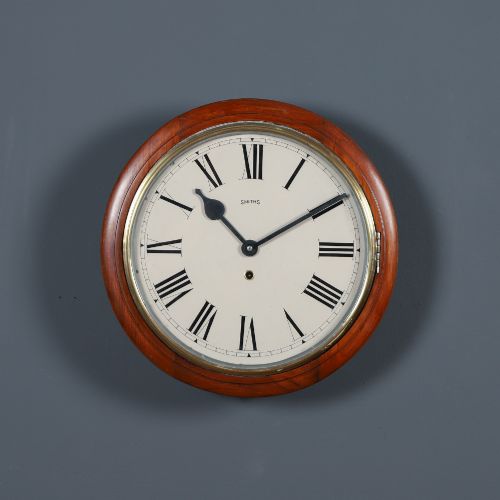
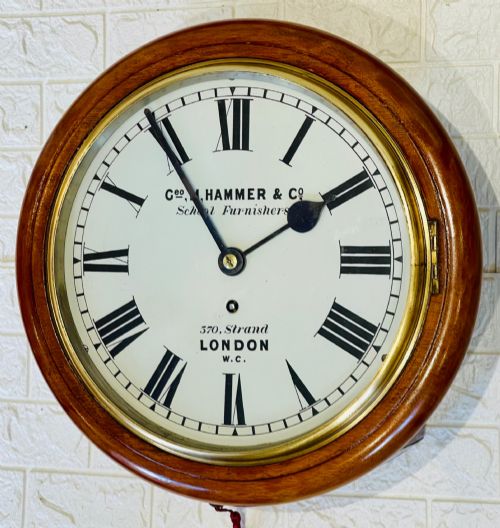
- A round-faced wall clock, often fitted with a fusee movement, used extensively in railway stations, schools, and offices.
- Bracket clock
- A portable table or mantel clock, originating when such pieces sat on architectural wall brackets.
- Paterae
- Small circular ornamental carvings resembling rosettes, frequently inlaid or carved on Georgian and Edwardian mahogany cases.
- Verge escapement
- An early type of escapement mechanism that controls the release of power in a clock movement.
Brown Mahogany Clock: Frequently Asked Questions
What is a fusee wall clock?
A fusee wall clock uses a conical pulley and chain system inside a mahogany case to regulate the spring's power output. These round dial pieces were common in public spaces.
They display a clean face behind glass, mounted on a wooden surround that fastens directly to the wall.
How do I identify a Georgian longcase clock?
Georgian longcase clocks date from the eighteenth or early nineteenth century and feature tall wooden cases housing pendulum movements. Their brass or painted iron dials often bear the maker's name.
Proportions tend to be classical, sometimes incorporating brass inlay or moon rollers above the primary dial.
Where were bracket clocks placed?
Bracket clocks sat upon wooden wall brackets or tables in principal rooms. They functioned as portable timekeepers before becoming decorative mantel pieces.
Most examples from the evidence possess smaller mahogany cases with striking or chiming capabilities.
What is an Edwardian mantel clock?
Edwardian mantel clocks are smaller timepieces made around the early twentieth century, often shaped as balloon designs. They combine mahogany timber with inlaid decoration.
These clocks sit directly on fireplace mantelpieces or shelves, serving as domestic timepieces.