
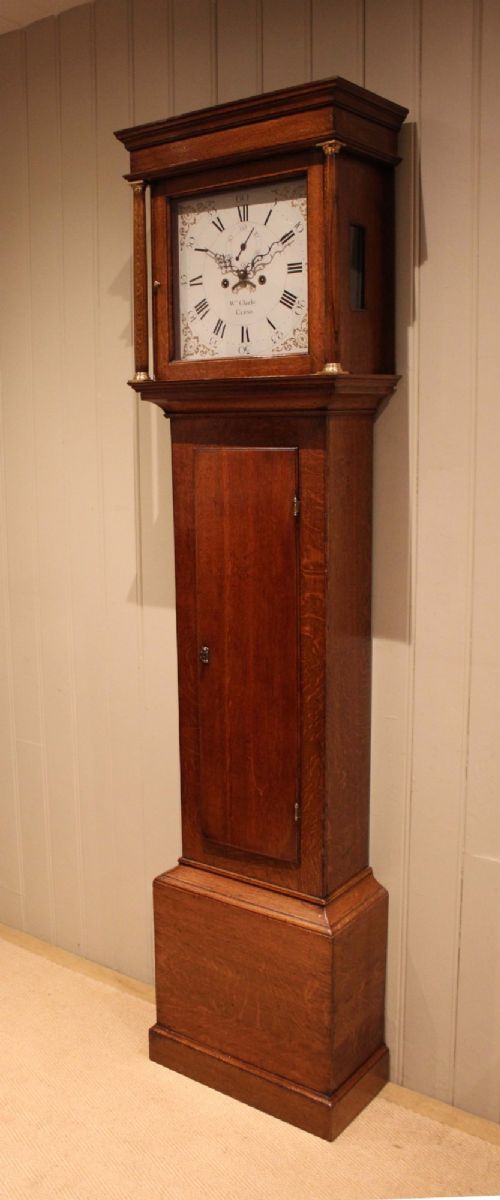
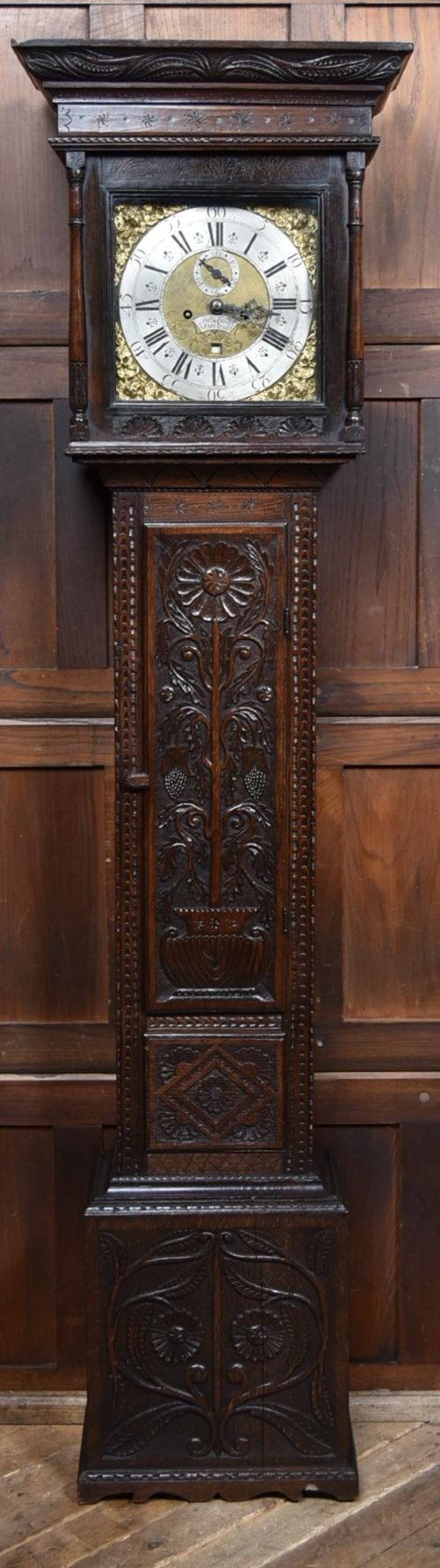
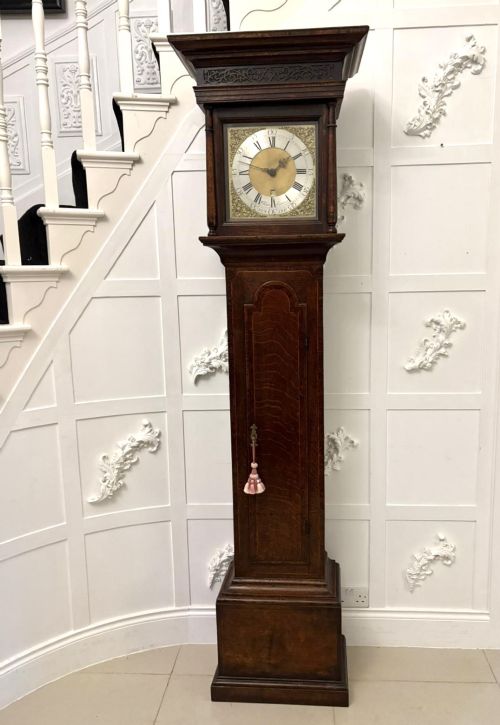
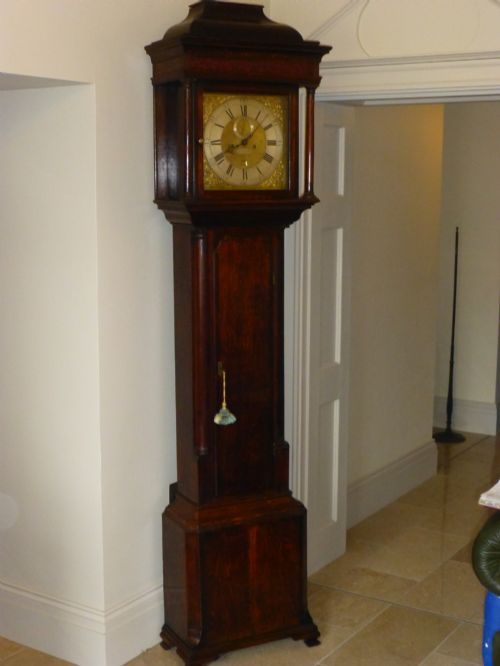
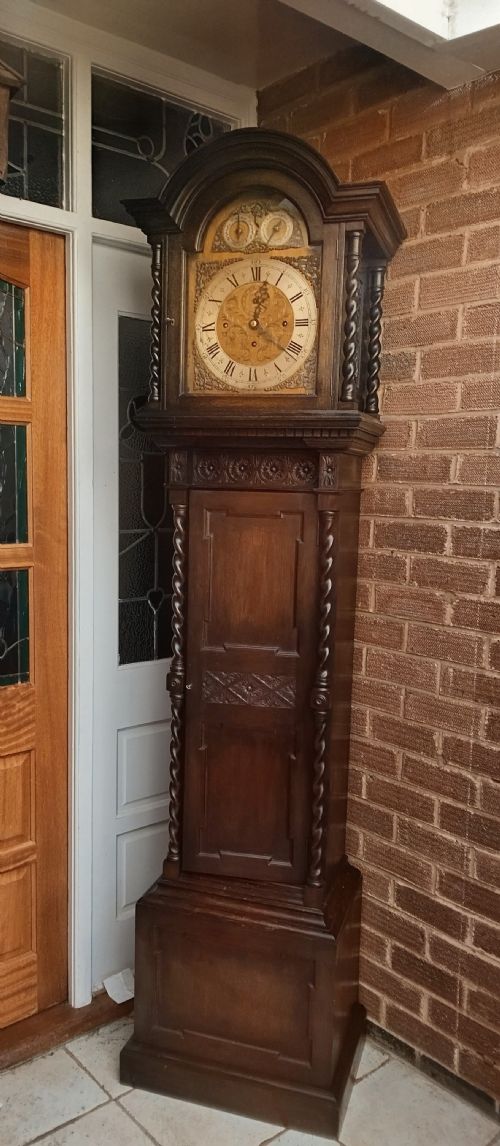
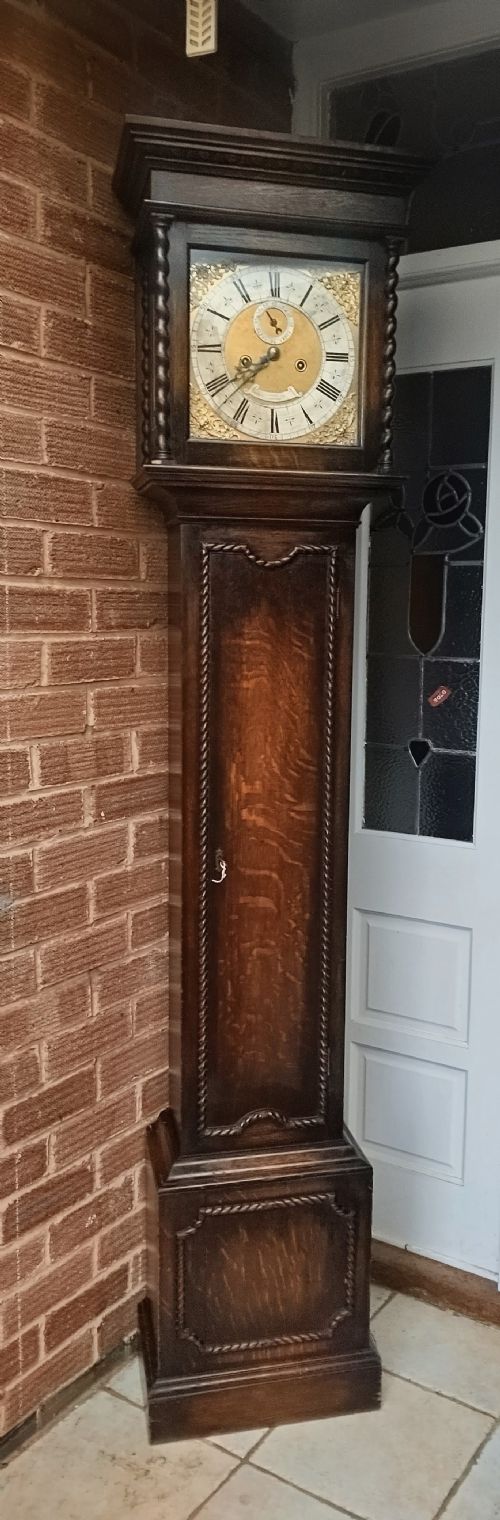
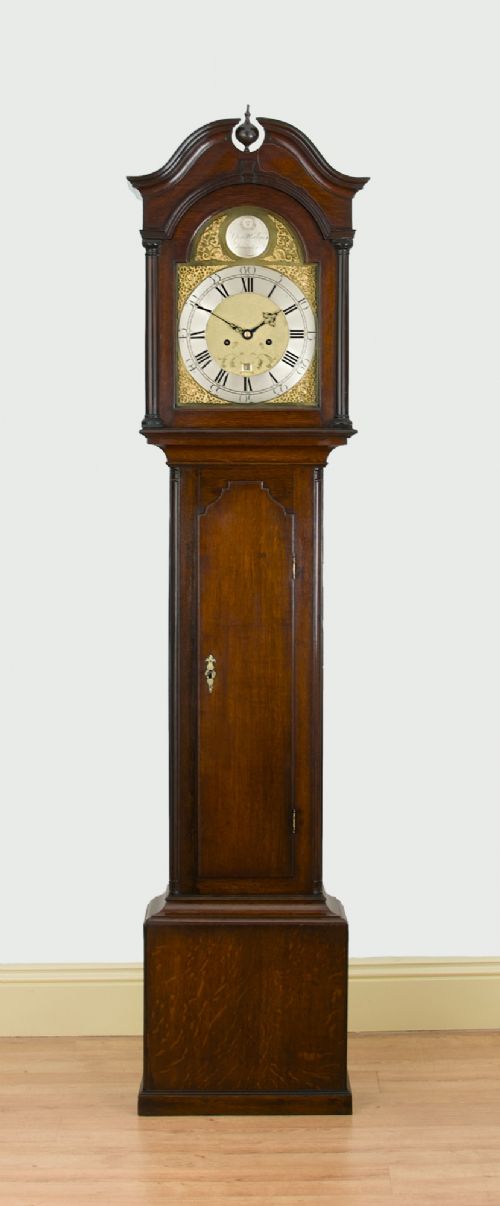

Dark Oak Floor Clock
A dark oak floor clock anchors a room with steady gravity, measuring time through centuries of timber, brass dials, and measured chimes.
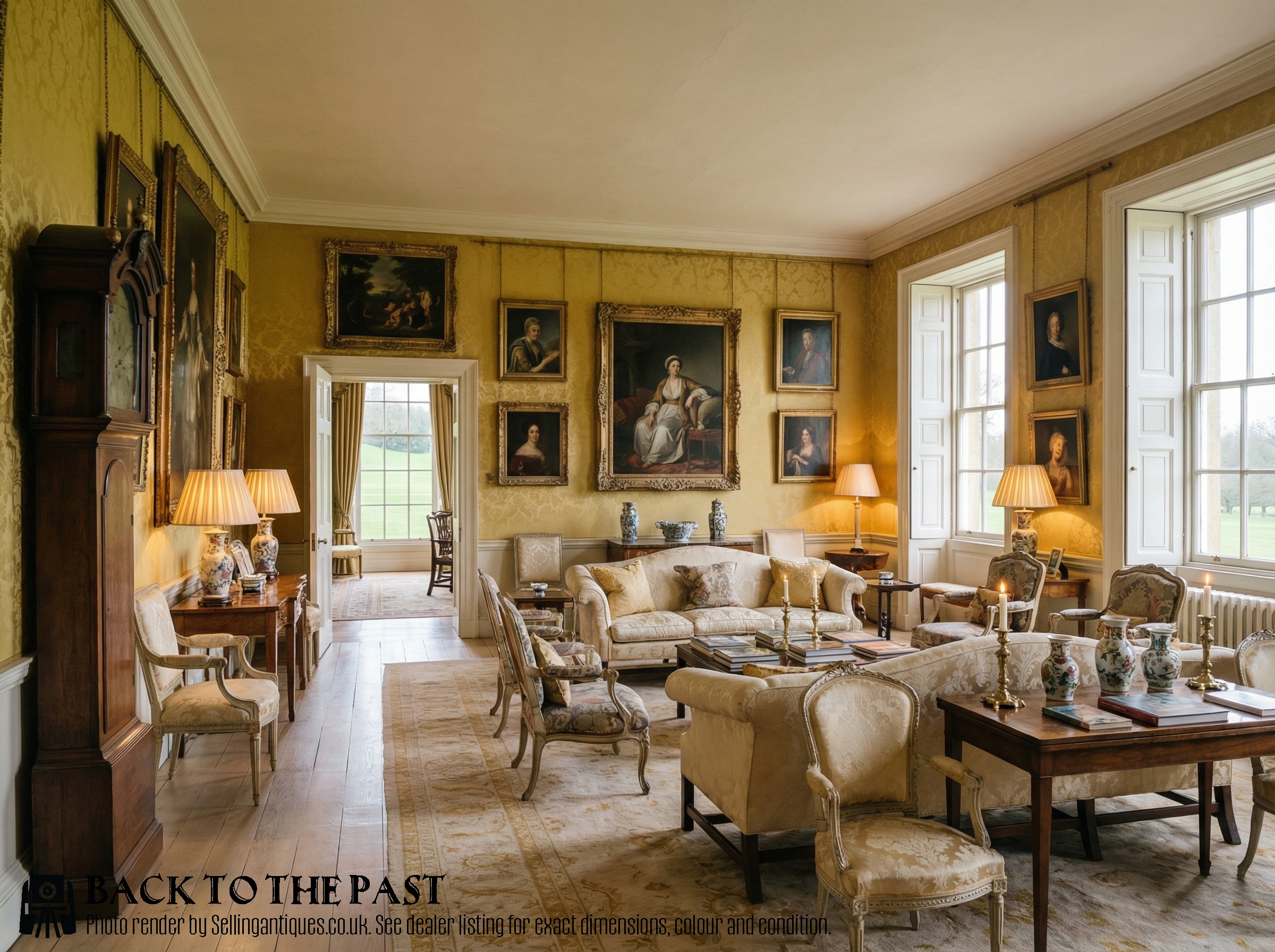
Dark Oak Floor Clock
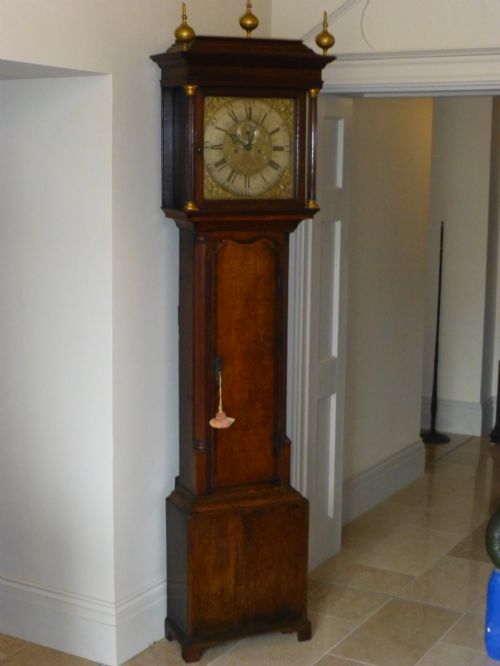
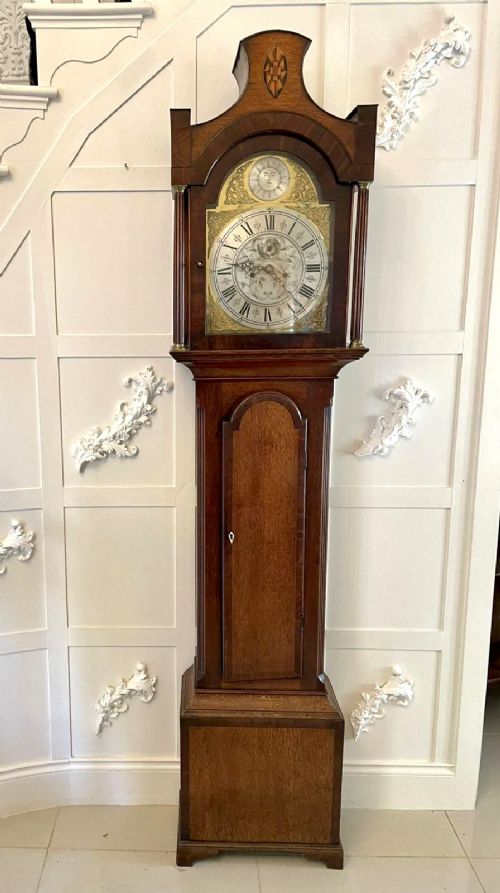
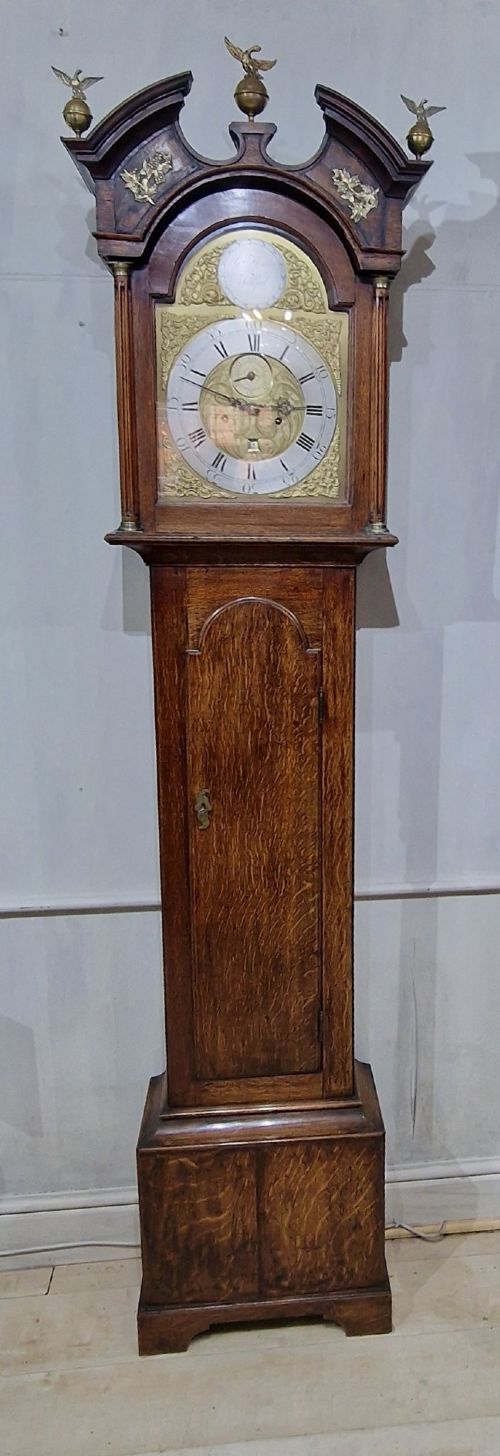
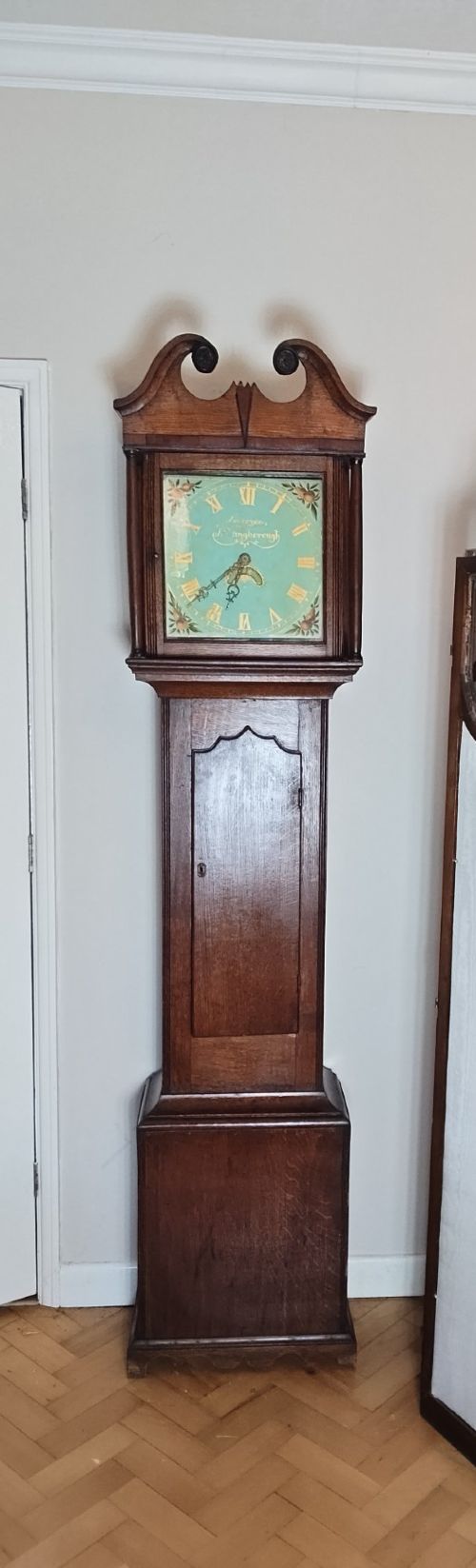
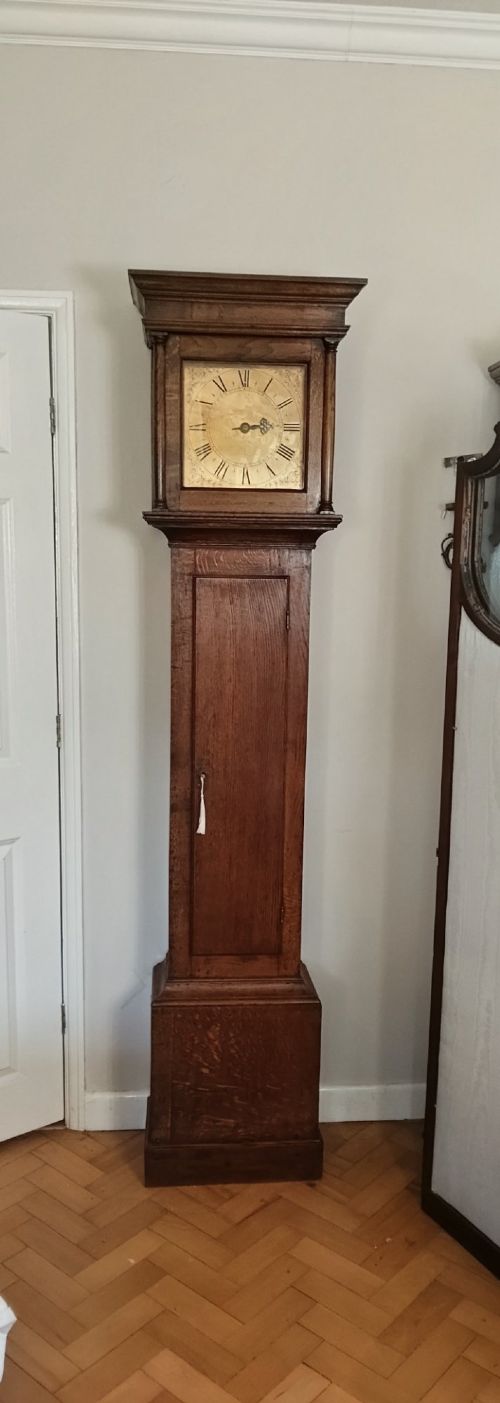
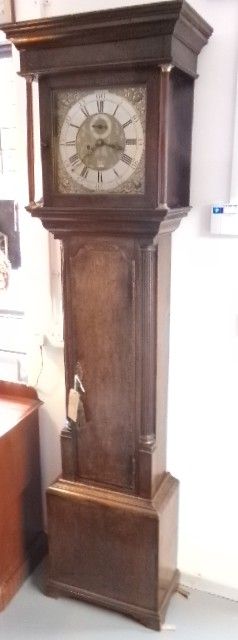
A dark oak floor clock stands as a tall case timepiece designed to house a weight-driven movement within a protective wooden housing. When searching for this phrase, a buyer encounters upright timekeepers spanning regional English workshops and later revivals. These objects combine architectural timber cases with intricate brass or painted metal dials.
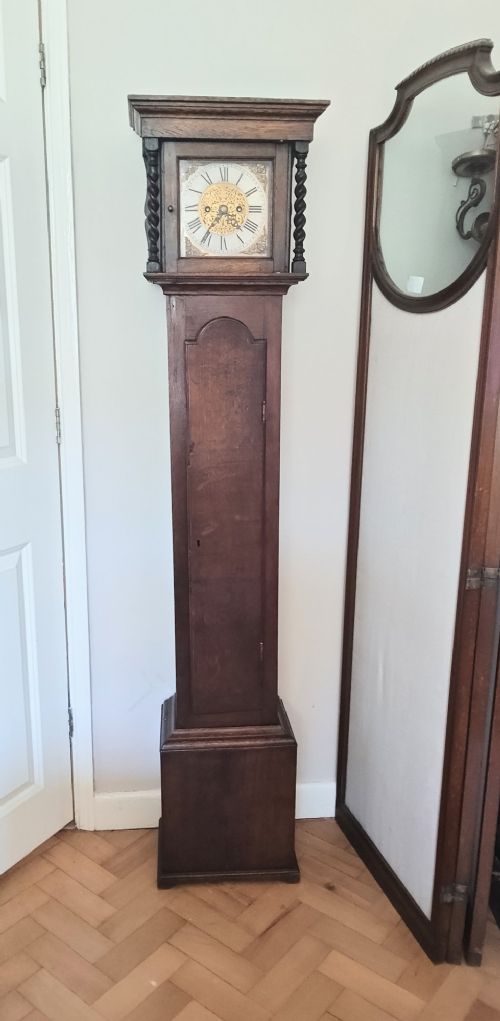
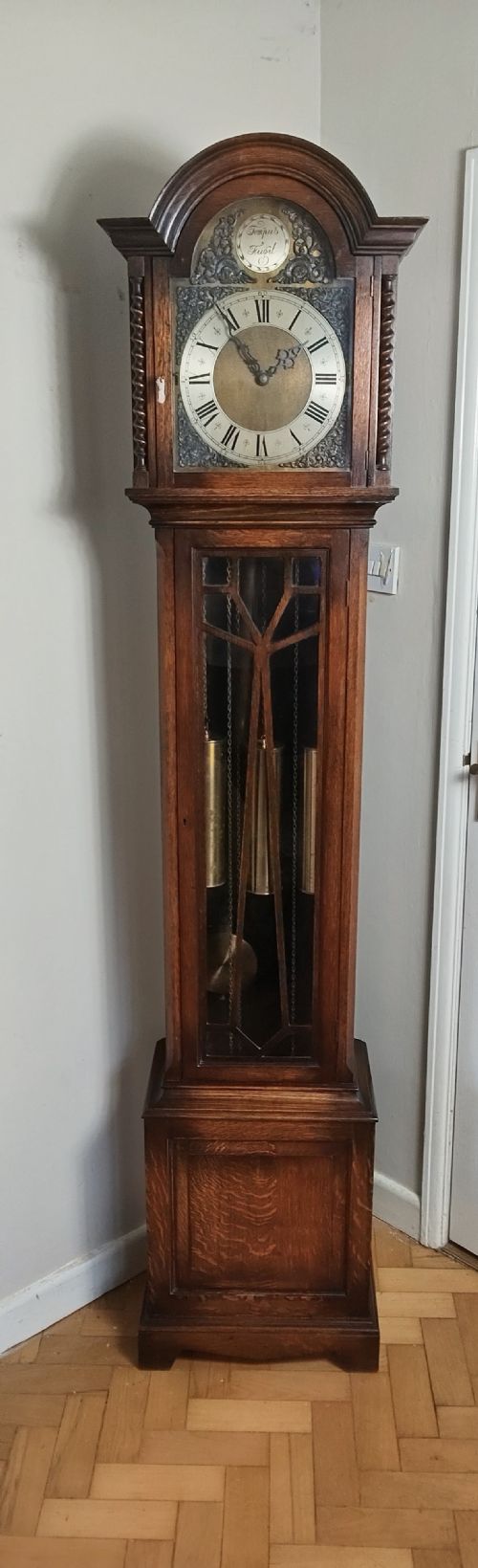
The pieces on this page lean heavily towards eighteenth-century Georgian origins and later Edwardian or early twentieth-century interpretations. Forms range from full-height grandfather clocks to more compact grandmother clocks scaled for modest interiors. Oak predominates as the primary structural timber, often enriched with walnut or mahogany crossbanding.
Regional diversity shapes the selection, with maker signatures pointing to provincial towns across England and Scotland. Dial sizes and mechanical complications, from single-hand movements to moon phases and quarter-chiming barrels, define the individual character of each survivor.
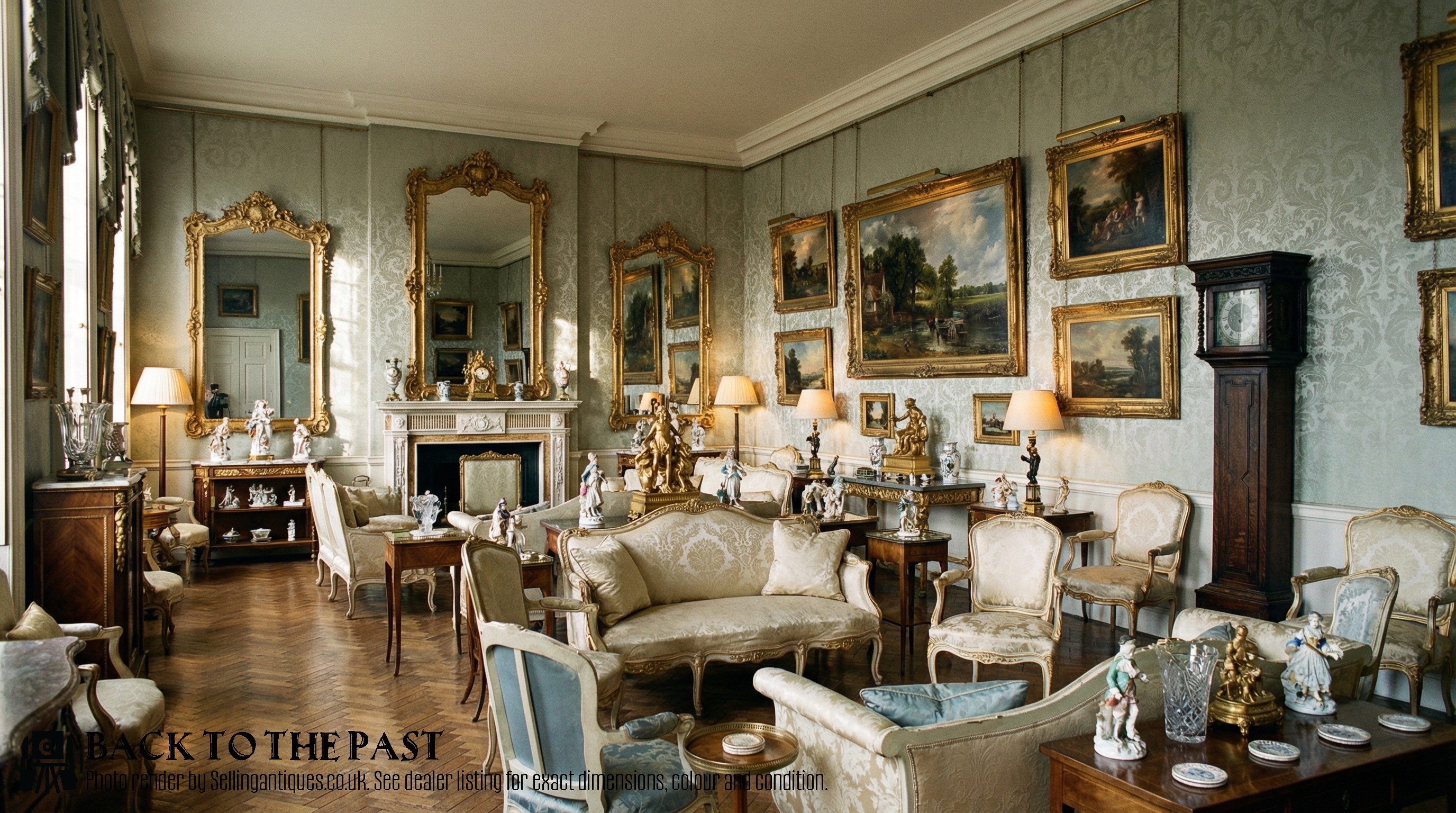
Materials and construction
Cabinetmakers constructed these clock bodies using solid oak planks, frequently quarter-sawn to reveal dense medullary rays. Secondary timbers such as deal or pine appear internally for dial platforms and weight ducts, while higher-tier examples incorporate burr oak or mahogany veneers on the trunk doors.
Movements rely on heavy cast brass wheels, iron arbors, and lead or cast iron weights suspended by cords or chains. Dial faces combine engraved brass chapter rings with applied spandrels in the earlier Georgian pieces, moving towards painted iron dials in subsequent decades.
Glass panels protect the delicate dial faces and allow glimpses of the swinging pendulum within the trunk door. Brass bells and steel tubular gongs provide the acoustic element, mounted securely to the upper hood framing.
Dark Oak Floor Clock Retail Price Guide 2026
Typical asking prices for dark oak floor clock among the pieces listed under this phrase on Sellingantiques today, from the lower quarter to the upper quarter. They describe what is for sale here now, not the wider market.
Materials recorded across the inventory include solid oak, walnut, mahogany, brass, glass, iron, and steel.
Judging quality and proportion
Proportion dictates the visual success of a floor clock, where slender waists and balanced hood cornices separate master cabinetmakers from provincial joiners. The relationship between the dial width and the overall case stature reveals whether a movement sits within its original housing or represents a later marriage of parts.
Dial execution marks the difference between standard production and fine workshop output, visible in the depth of engraving, the crispness of brass casting, and the skill of the signator's script. Movement finishing, including polished pivots and engraved backplates, indicates the time and cost invested by the original horologist.
Timber selection and surface preservation further divide the range, favouring cases retaining deep patination and minimal structural alteration over heavily stripped or over-restored surfaces.
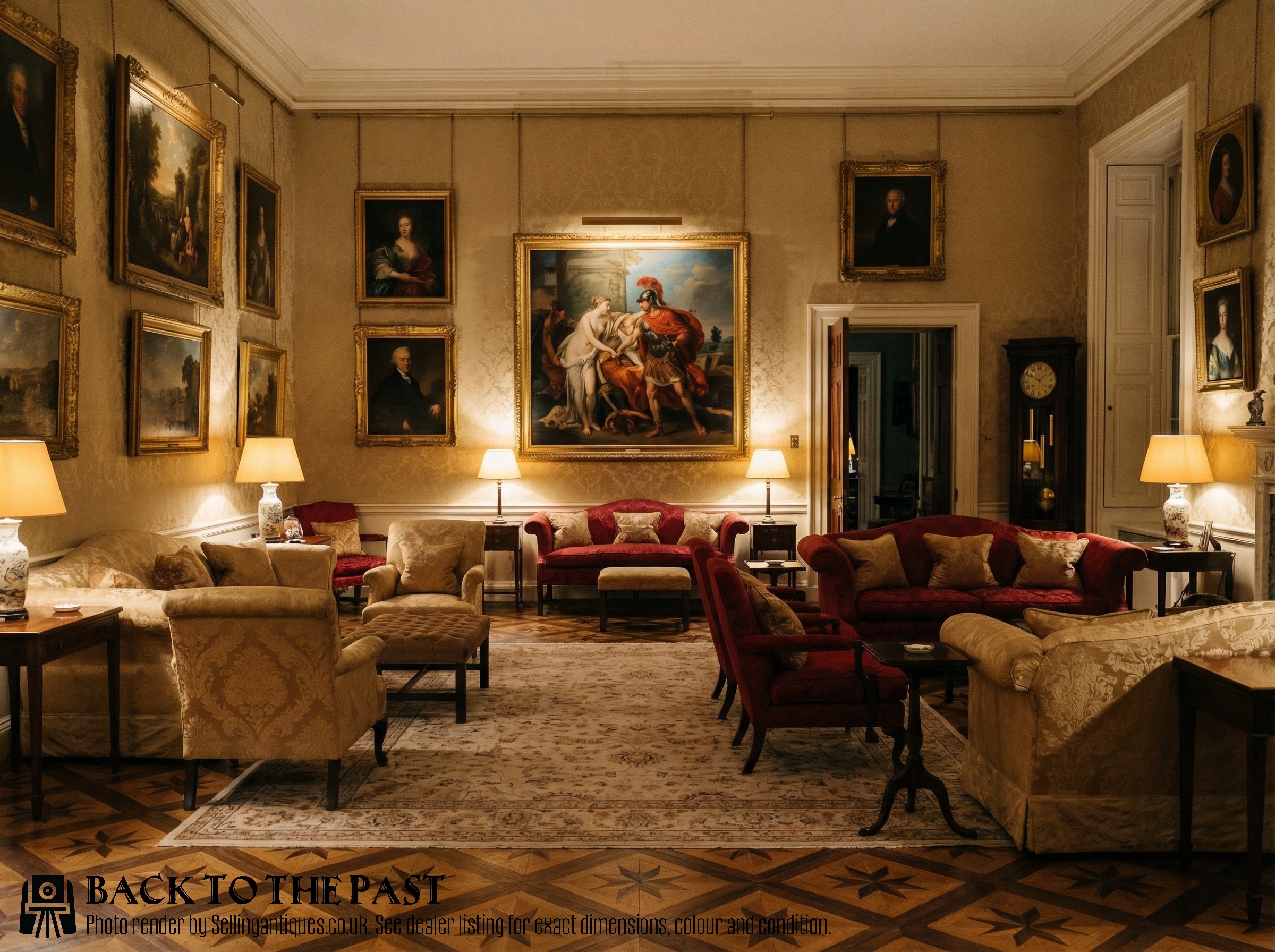
Jn° Smith, Macclesfd·Richard Corless of Stockport·Smith of Chester·James Hendrie, Falkirk·Fisher Of Preston·George Hallifax Of Doncaster·Edward White Birmingham·Thomas May Of Witney·MAPPIN & WEBB LONDON
The Dark Oak Floor Clock Glossary
- Longcase clock
- A tall freestanding weight-driven timekeeper with a pendulum, commonly called a grandfather clock. These housing units protect the movement while displaying the time at eye level.
- Grandmother clock
- A smaller, more slender version of the longcase clock produced during the early twentieth century. It offers the traditional movement mechanics within a reduced vertical footprint.
- Spandrel
- The decorative corner ornament applied to the dial plate outside the circular chapter ring. These brass castings evolved from ornate foliate designs in the Georgian period to simpler geometric motifs.
- Chapter ring
- The metal ring fixed to the dial face that displays the hour and minute numerals. Traditional examples feature engraved Roman numerals filled with black wax.
- Moon phase
- A mechanical complication displayed on a subsidiary dial that tracks the lunar cycle through a rotating painted disk. It indicates the phases of the moon alongside standard timekeeping.
Dark Oak Floor Clock: Frequently Asked Questions
How do I wind an 8 day oak floor clock?
Winding requires inserting a crank key into the winding holes on the dial face and turning clockwise until the weights reach the top of the case.
Care must be taken not to overwind the movement, stopping immediately when resistance tightens.
What is the difference between a grandfather and grandmother clock?
Grandfather clocks are full-sized tallcase timepieces generally exceeding six feet in height, dating primarily from the eighteenth and nineteenth centuries.
Grandmother clocks are significantly shorter and slimmer scaled versions produced mostly during the early twentieth century.
How can I tell an 18th century clock from a later revival?
Eighteenth-century examples display hand-cut brass movements, thick oak case timber with pegged joints, and engraved brass dials with cast spandrels.
Revival pieces from the twentieth century often utilise standardised industrial movements, machine-sawn pine linings, and quarter-chiming barrel systems.
Where should I place a floor clock in my home?
Floor clocks require a stable, level floor surface away from direct sunlight, heating vents, and exterior doors that cause temperature fluctuations.
Securing the upper hood to a wall stud prevents accidental tipping and ensures the pendulum swings evenly without striking the case sides.