
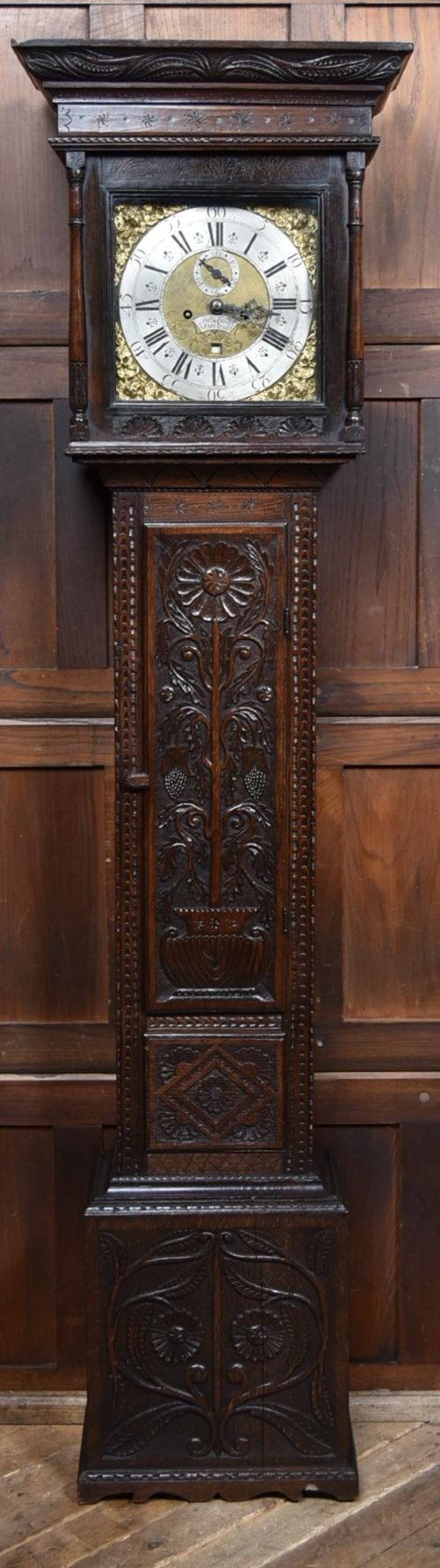
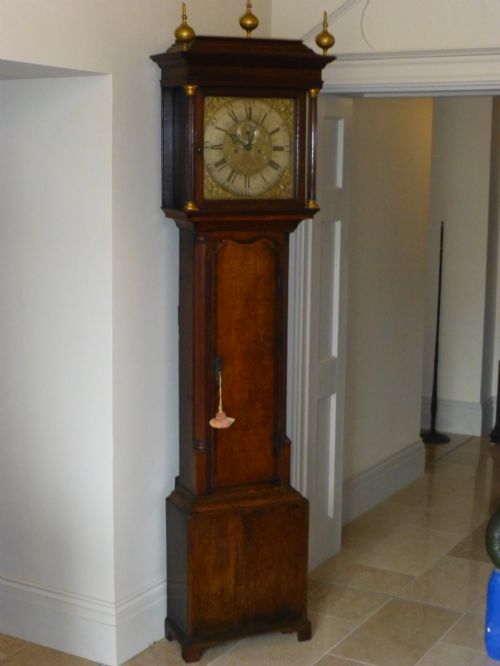
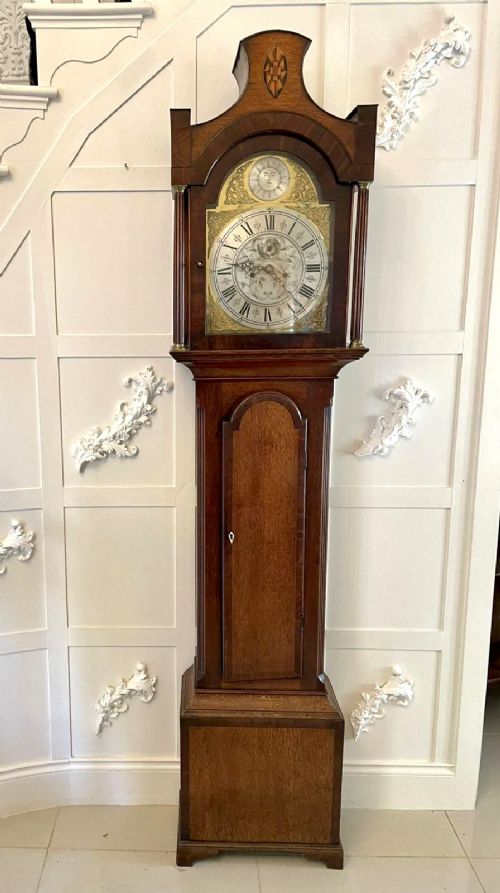
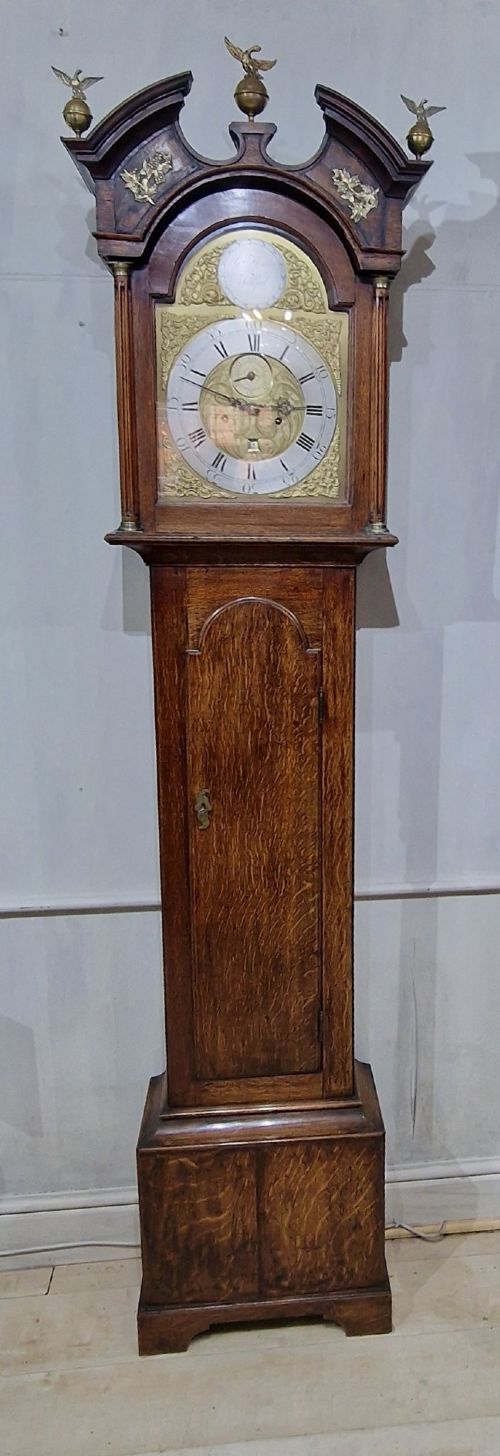
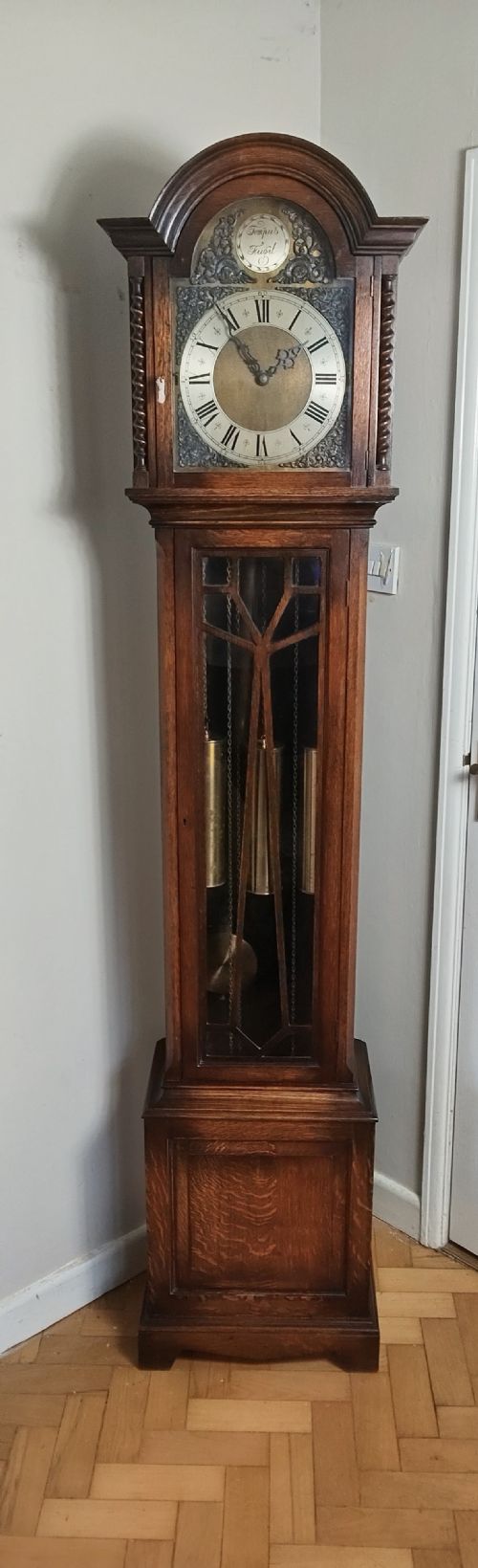
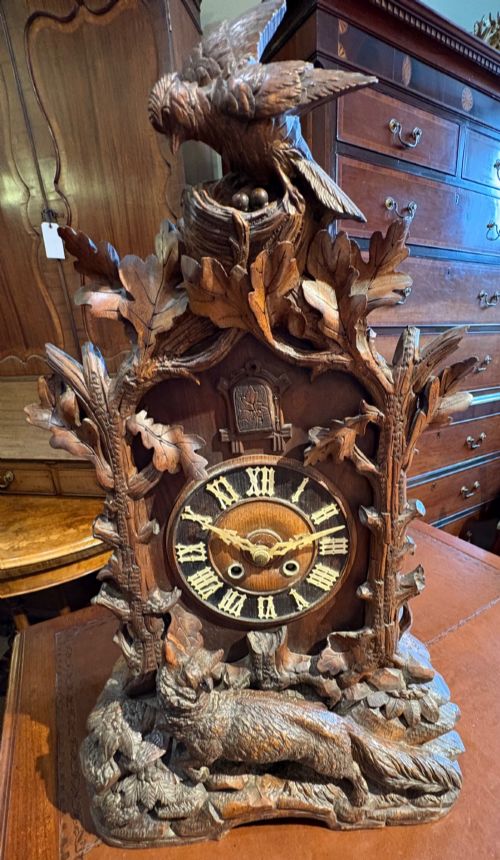

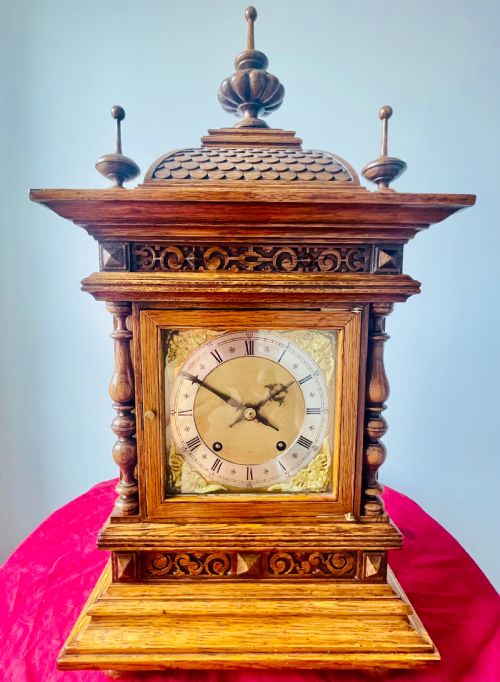
Traditional Oak Clock
A traditional oak clock brings solid timber presence and mechanical timekeeping into a room, offering the weighty character that collectors prize in domestic horology.
What traditional oak clock designs involve
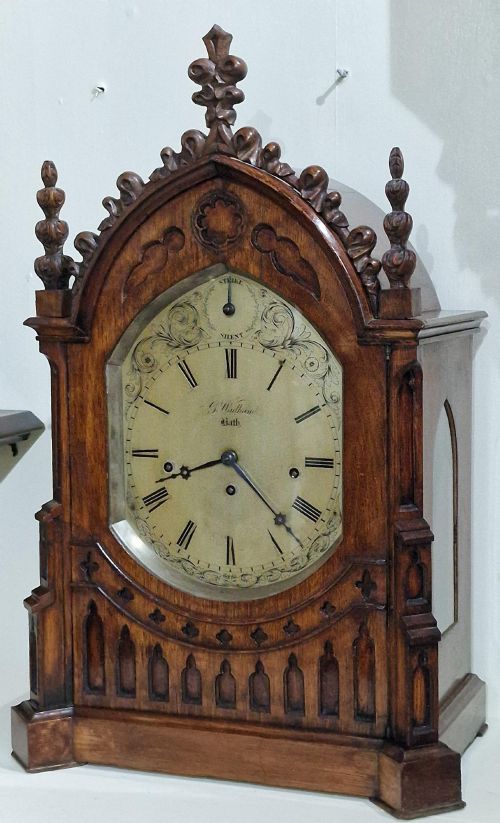
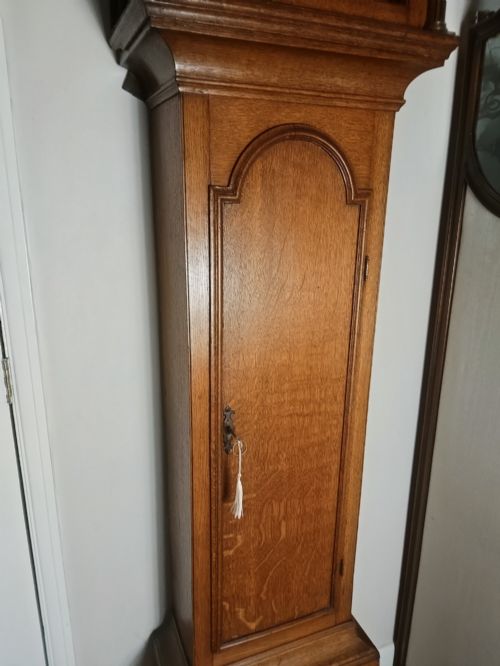
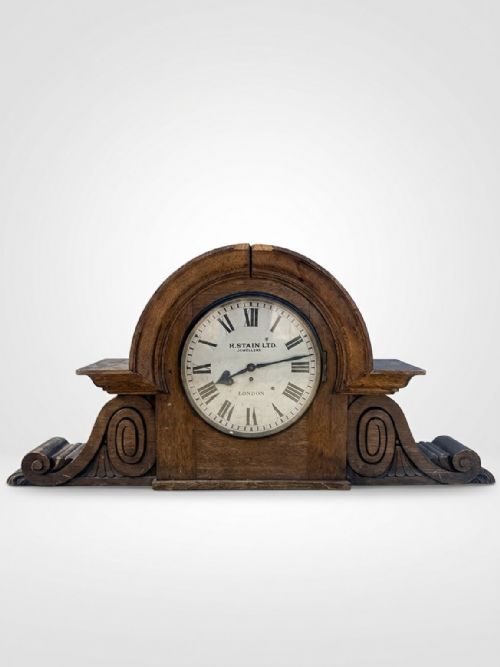
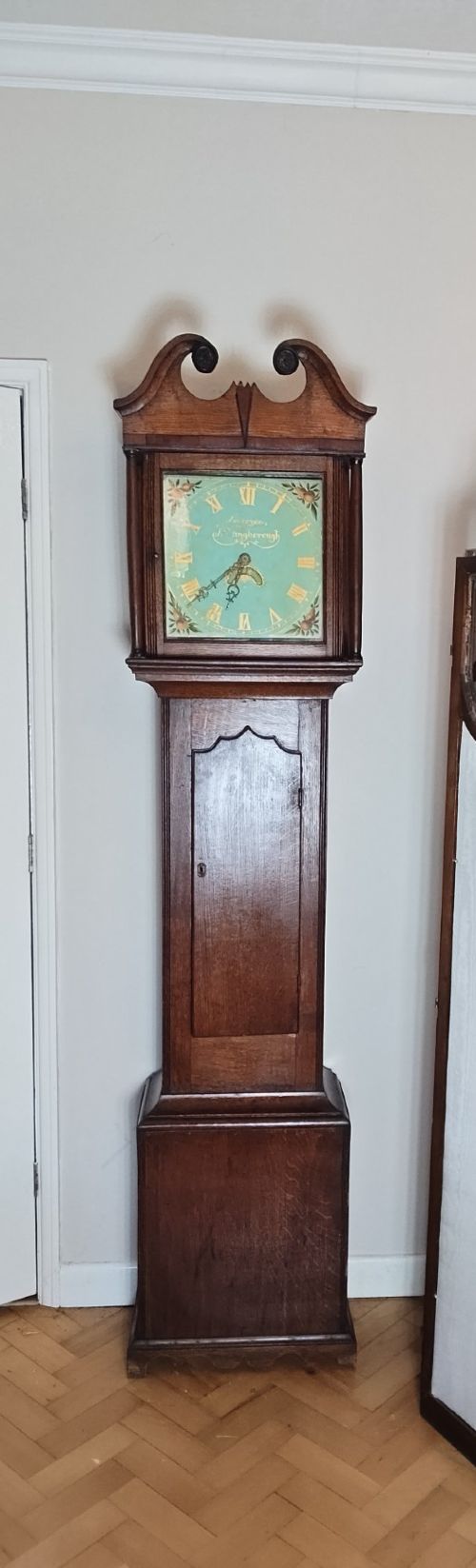
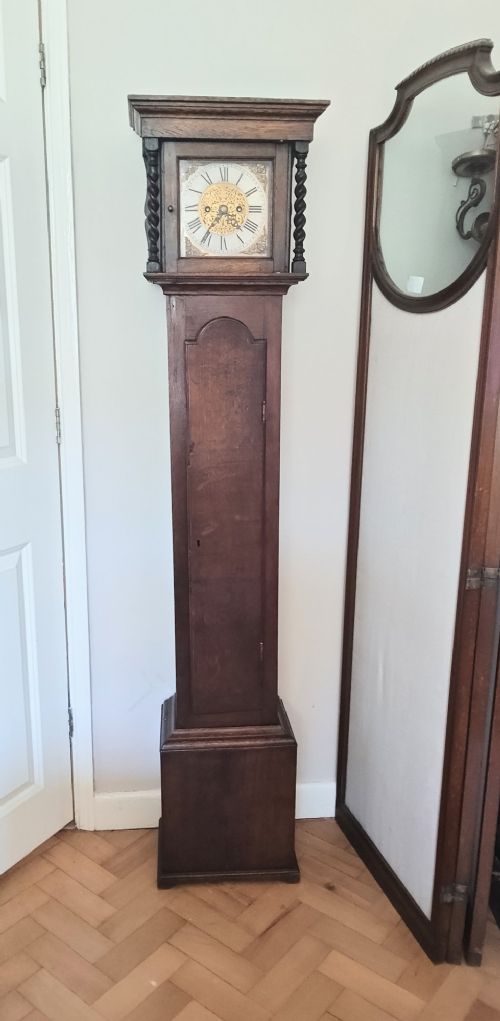
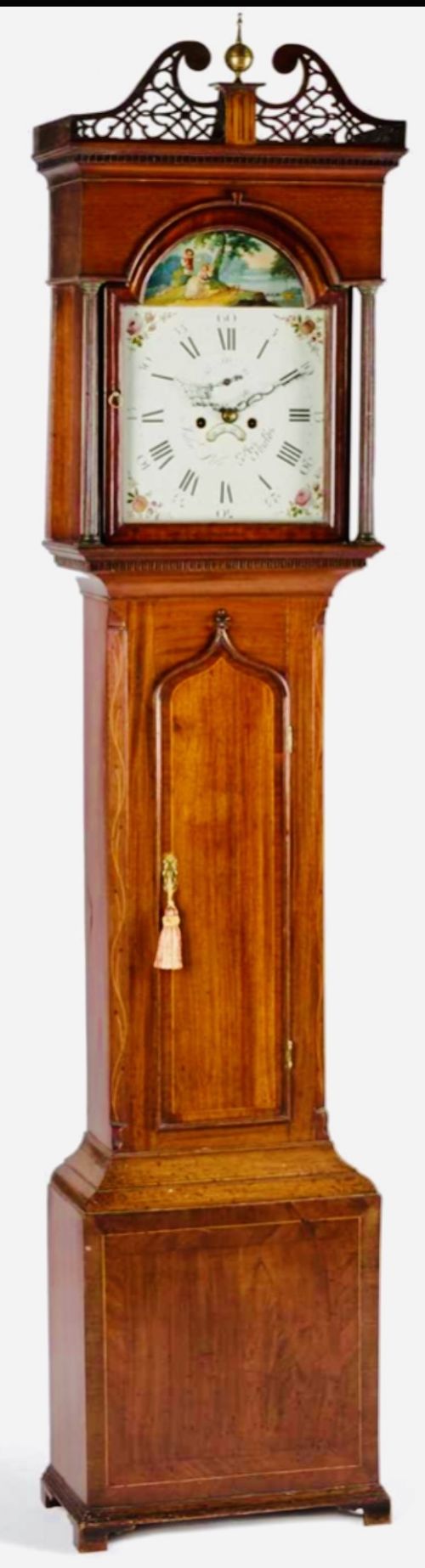
A traditional oak clock spans substantial floor-standing longcase examples and smaller mantel pieces designed for domestic interiors. These objects appear in various historical iterations, ranging from early Georgian forms to Edwardian and Art Deco interpretations.
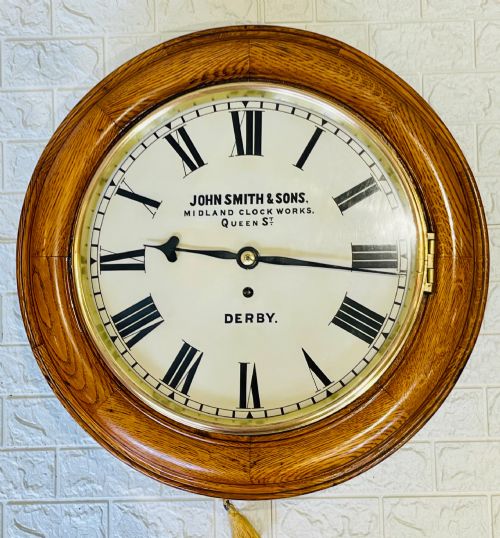
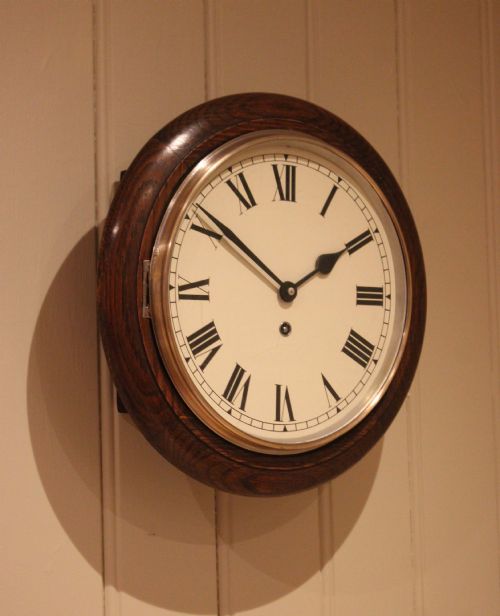
The materials and construction reflect the periods in which they were made, utilising solid timber cases paired with brass dials, glass covers, and metal or steel movements. Buyers encounter both striking grandfather clocks and simpler timepiece mantel variants within this grouping.
Materials and construction methods
Clockmakers built these traditional oak clock pieces using sturdy native timber for the outer housings, often housing mechanical movements driven by weights or springs. Dials incorporated contrasting metals like brass and steel alongside glass bezels to protect the face.
Enamel featured prominently on dials for legibility, while structural joinery secured the timber components of both large longcase housings and compact mantel designs.
Retail Price Guide 2026
Typical UK retail prices for traditional oak clock, calculated from the Sellingantiques database of over a million retail prices indexed since 2003. This retail price guide relies exclusively on Sellingantiques data; no external sources or auction records are used, so the figures do not describe the wider market.
Some grandfather clocks quietly count down the decades while pretending to keep the present hour.
Distinctions in quality and execution
The distinction between standard examples and superior pieces rests in the sophistication of the mechanical movement and the crispness of the dial work. Quarter chiming systems and signed movements by known makers elevate an item above basic timepieces.
Cabinetry execution also dictates merit, where finely proportioned timber cases with well-preserved brass and enamel elements demonstrate superior craftsmanship compared to plain utility housings.
Enfield·George Adams
The Traditional Oak Clock Glossary
- Longcase clock
- A tall pendulum clock enclosed in a wooden case, historically standing directly on the floor. These are frequently referred to as grandfather clocks.
- Mantel clock
- A smaller clock designed to sit upon the shelf or mantelpiece above a fireplace. These rely on spring-driven movements rather than hanging weights.
- Enamel dial
- A clock face finished with a glassy fused coating applied to metal. This technique provided a bright, durable surface for painted numerals.
- Vienna regulator
- A weight-driven precision clock style originating in Austria and widely emulated. They are known for accurate timekeeping and visible swinging pendulums.
Frequently Asked Questions
What is a traditional oak clock?
A traditional oak clock is a mechanical timepiece housed within an oak wooden case, taking the form of either a tall floor-standing longcase or a smaller mantel design.
These pieces utilise metal movements, brass dials, and glass covers, spanning periods from the eighteenth century through the Edwardian era and the nineteen-thirties.
How do I wind a mechanical clock?
Mechanical clocks require the periodic tensioning of their springs or the manual drawing up of hanging weights using a specialised key or crank.
Care must be taken not to over-wind the mechanism, ensuring the longevity of the vintage gears and springs inside the timber case.
Where should I place a longcase clock?
Longcase clocks need a stable, level floor against a solid interior wall to ensure the pendulum swings evenly without interference.
Placing them away from direct sunlight and damp exterior walls protects the antique oak timber and keeps the internal movement functioning correctly.
How do I identify the period of an oak clock?
Dating relies on stylistic clues within the woodwork, the shape of the dial, and the engineering of the internal mechanical movement.
Eighteenth-century examples display different architectural proportions compared to Edwardian or Art Deco pieces produced in the early twentieth century.