


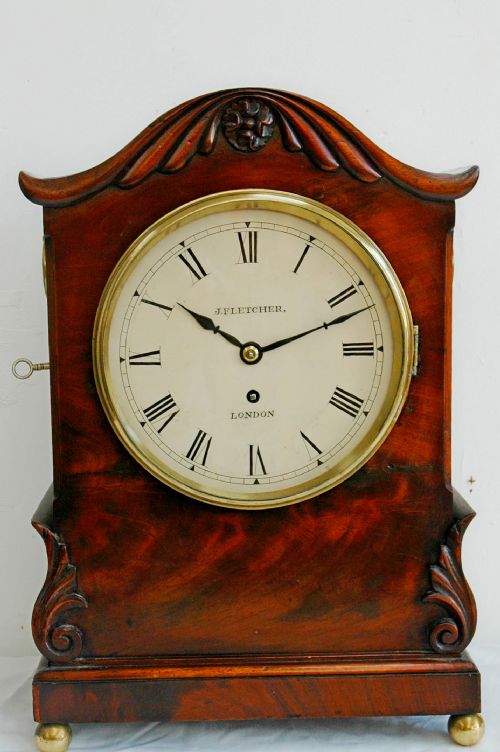
Brass Bezel Mantel Clock
A brass bezel mantel clock is a timekeeper defined by its prominent metal dial surround, offering both practical utility and period decorative charm.
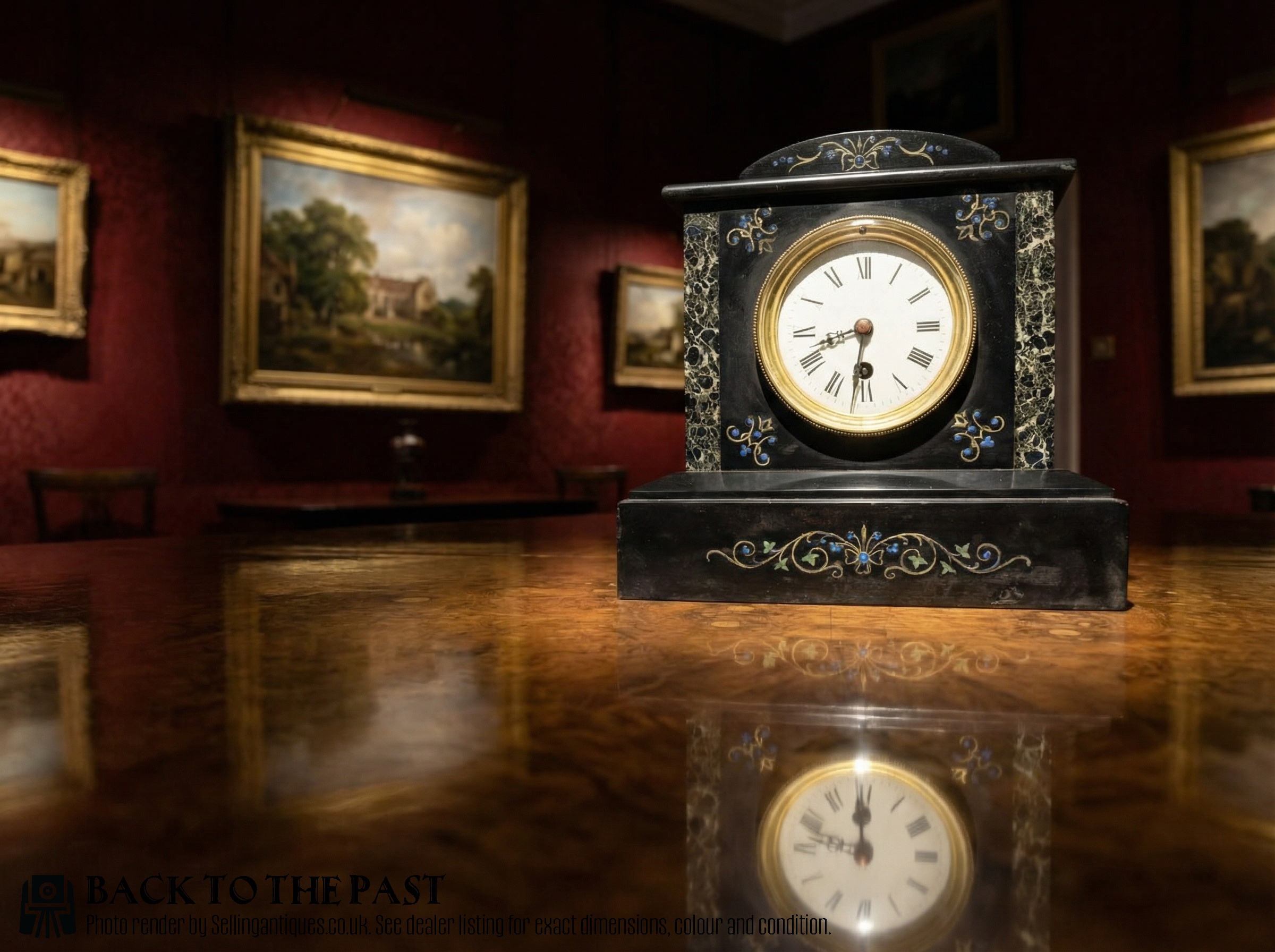
Brass Bezel Mantel Clock
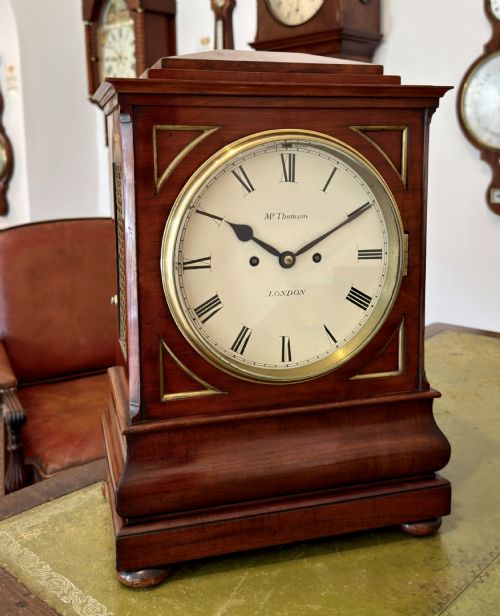
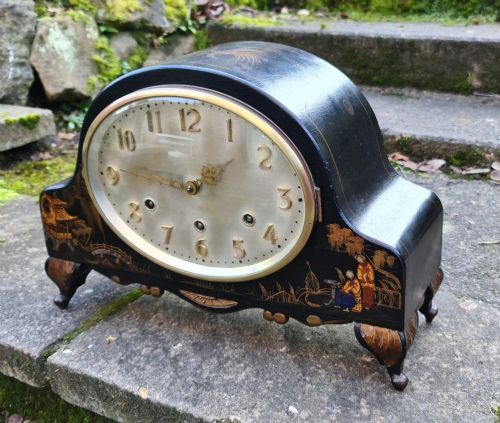
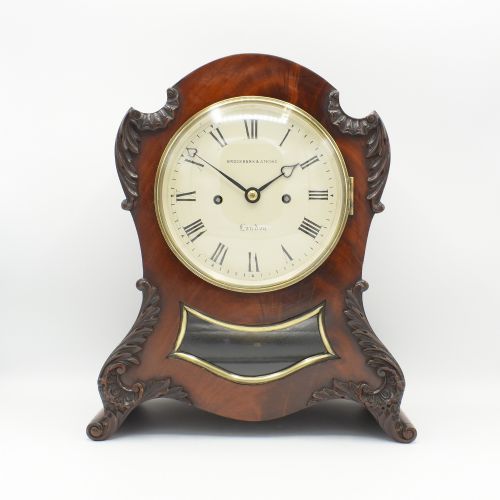
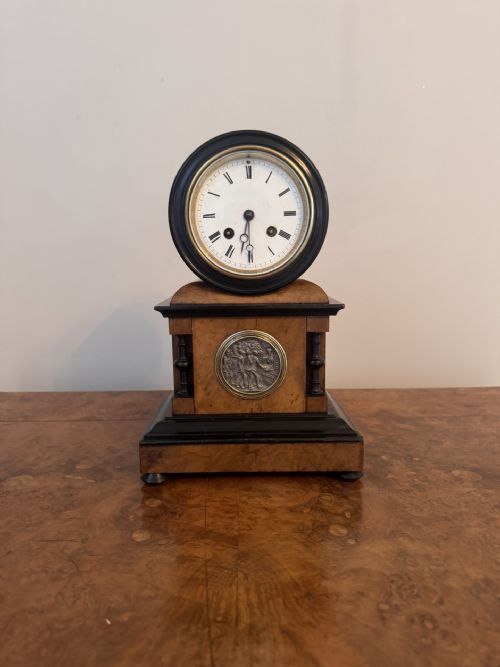
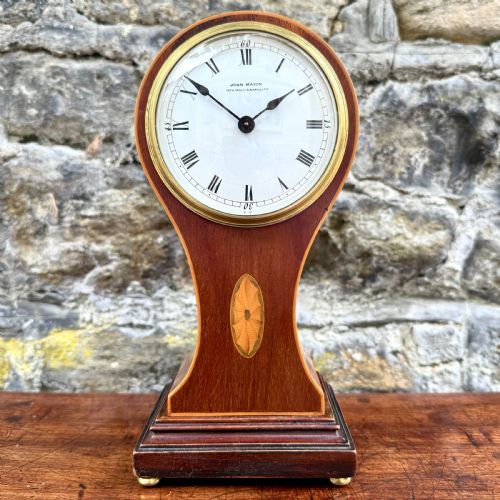
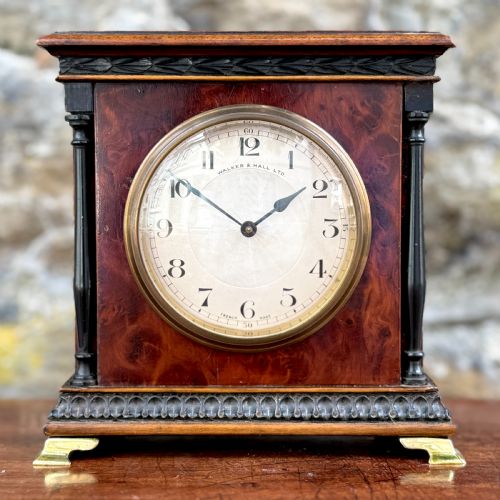
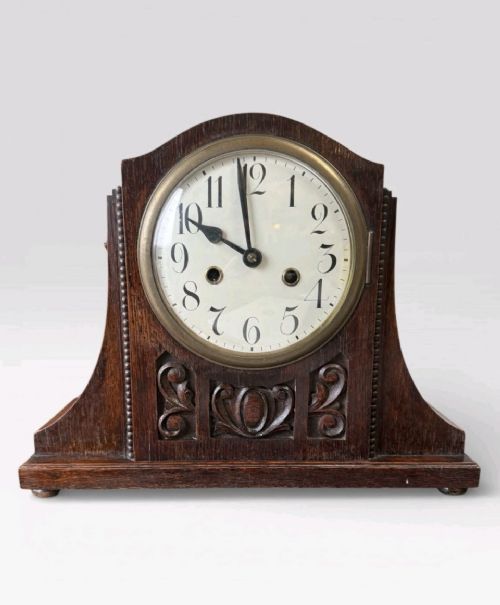
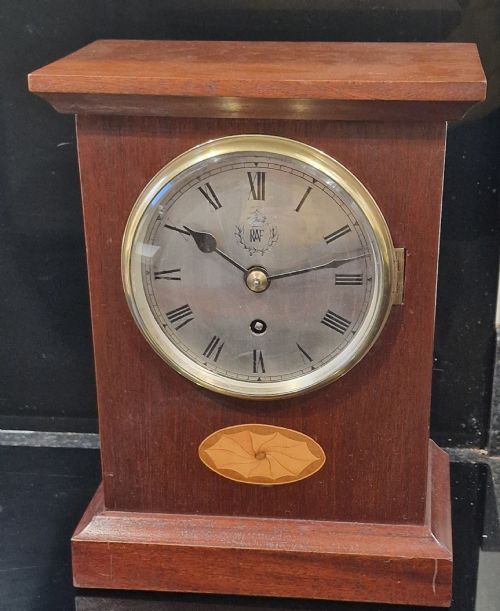
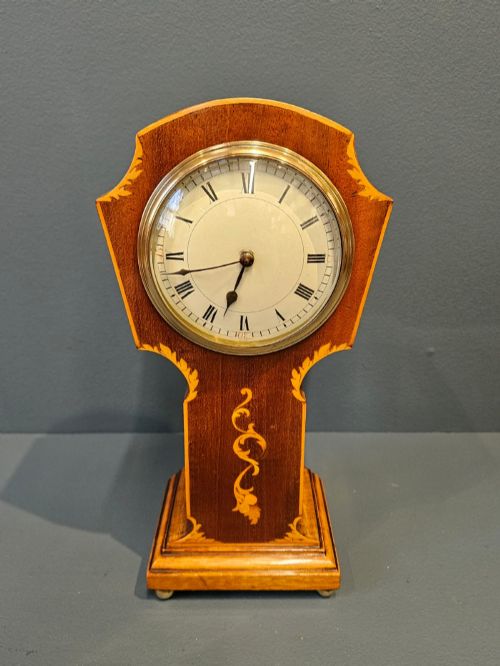
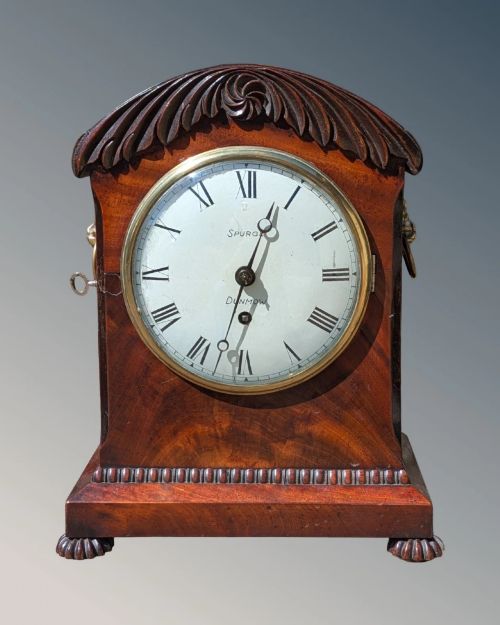
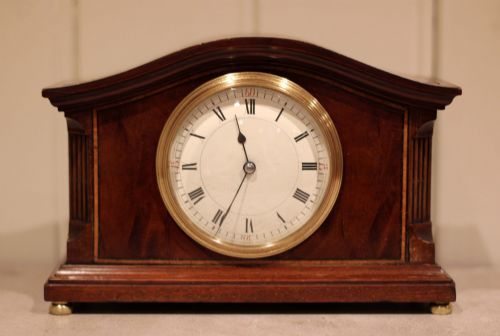
When searching for a brass bezel mantel clock, collectors encounter pieces spanning from the nineteenth century into the early twentieth century. These timepieces take various forms, from Edwardian mahogany balloon cases to Victorian marble structures and Regency bracket clocks. The defining characteristic across these examples is the protective metal ring encircling the glass and dial.
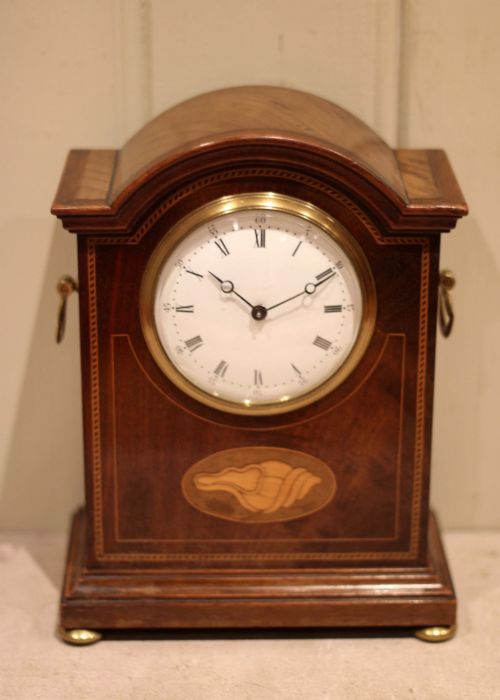
The Edwardian era contributes numerous inlaid mahogany and balloon-shaped versions to the selection. Alongside these, Victorian marble models and French designs appear frequently. Each piece reflects the interior taste of its respective period, utilising domestic timbers and imported stone.

Materials and construction
Cases utilise a range of woods including mahogany, oak, satinwood, and ebonised finishes, often enhanced with boxwood stringing or marquetry. Marble and ormolu feature in heavier architectural designs, while faux tortoiseshell offers an alternative decorative surface. Enamel and silvered metal provide contrasting backgrounds for the clock faces.
Mechanical movements drive the hands, frequently utilising fusee mechanisms for steady power delivery. Heavy glass lenses sit snugly within cast brass bezels, protecting the delicate dials and hands beneath. Cabinet makers and clockmakers combined structural timberwork with precision metal components to ensure reliable timekeeping.
Brass Bezel Mantel Clock Retail Price Guide 2026
Typical asking prices for brass bezel mantel clock among the pieces listed under this phrase on Sellingantiques today, from the lower quarter to the upper quarter. They describe what is for sale here now, not the wider market.
Some clocks preserve the historic character of institutional life, including models once housed in maritime vessels and military mess rooms.
Assessing craftsmanship and finish
Quality rests upon the precision of the cabinet work and the fidelity of the movement inside. Finer examples display crisp inlay, well-matched wood veneers, and robust brass castings that fit the case without gaps. The integration of signed movements by known makers elevates the standing of a piece.
Material selection and decorative restraint distinguish superior items from standard production. Well-executed dial painting, clear enamel numerals, and substantial brass bezels indicate higher standards of workshop output. The weight and stability of the case material further separate ordinary clocks from exceptional specimens.
Thomson of London·Brockbanks and Atkins·Walker and Hall·Spurge Dunmow·W. Burton·Piggin Norwich·Baby and Jannings·Hampson and Son·Louis Recordon·Henry Marc·Jas Whitelaw of Edinburgh
The Brass Bezel Mantel Clock Glossary
- Brass bezel
- The metal ring that holds the glass door or cover in front of the clock dial. It usually opens on a hinge to allow hand-setting.
- Fusee movement
- A conical pulley mechanism connected to a cord or chain that equalises the declining power of the mainspring as it unwinds. This system improves accuracy.
- Bracket clock
- A portable household clock originally designed to sit on a wall bracket or table. Many retain their traditional proportions despite living on mantelpieces today.
- Timepiece
- A clock that tells the time without incorporating a striking mechanism or chime. These simpler movements focus entirely on the primary function of rotation.
Brass Bezel Mantel Clock: Frequently Asked Questions
How do I wind my clock?
Use the appropriate key on the winding squares located on the dial face. Turn gently until resistance is felt.
Avoid over-winding, as this can damage the internal mainspring and disrupt the beat of the movement.
Where should I place a mantel clock?
Select a stable, level surface away from direct sunlight, draughts, and dampness. Wooden mantelpieces and sideboards suit these heavy wooden and marble cases.
Ensure the location is free from excessive vibrations to keep the pendulum or balance wheel swinging evenly.
What is a fusee movement?
A fusee is a conical drum inside the clock connected to a chain or cord. It regulates the pull of the mainspring.
This clever mechanical device ensures even power delivery to the gear train as the spring runs down.
How do I date a mahogany clock?
Examine the timber grain, case style, dial materials, and construction methods. Regency pieces often show clean classical lines, while Edwardian examples favour inlaid decoration.
Signatures on the dial or movement backplate offer direct clues to the period of manufacture.