
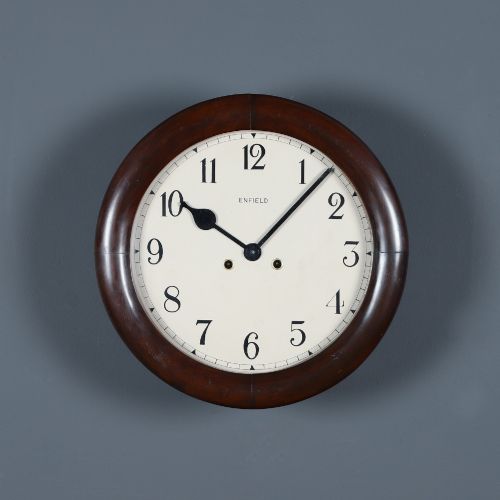
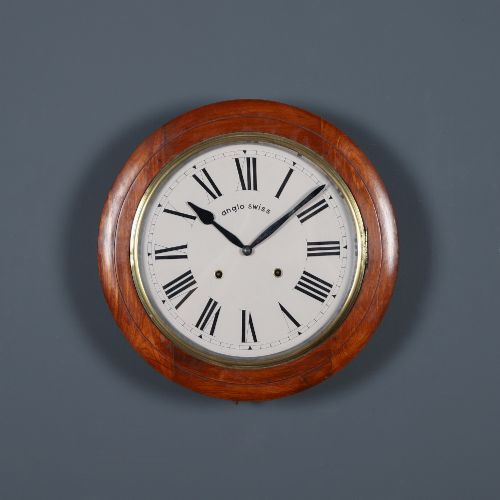
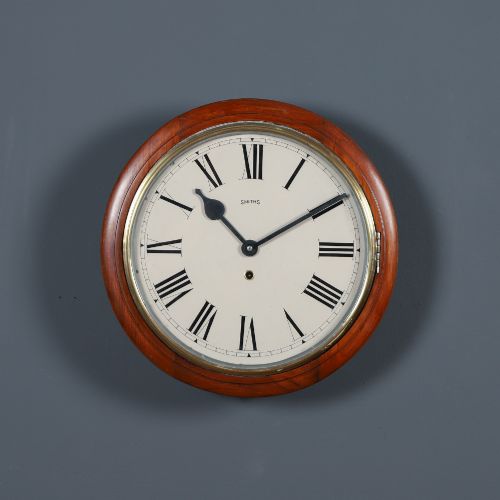
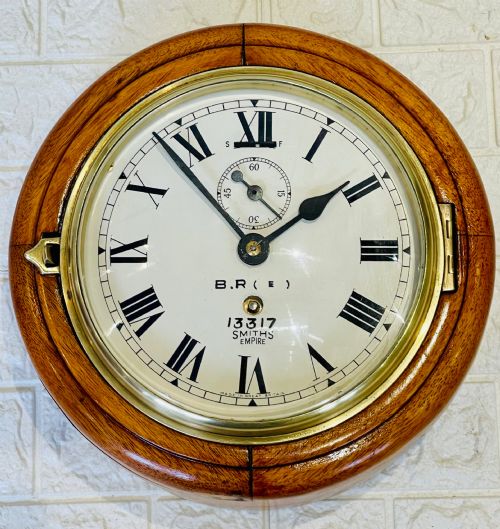

Vintage Railway Clock
When you search for vintage railway clock, you are looking at utilitarian timepieces built for transport networks, designed for legibility and robust service across platforms and offices.
Vintage Railway Clock
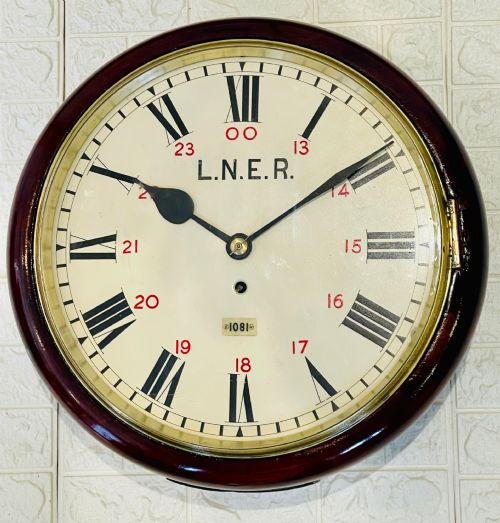
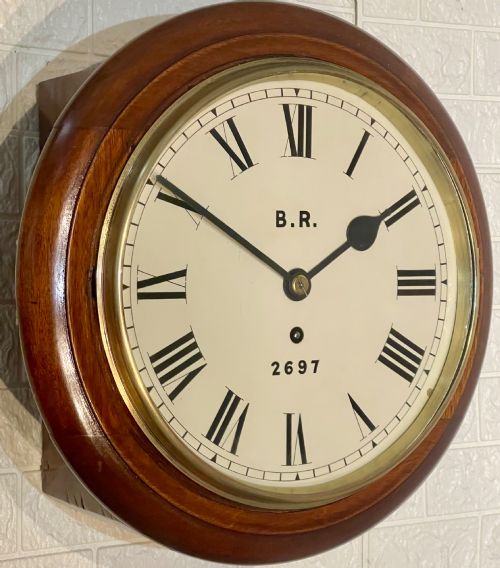
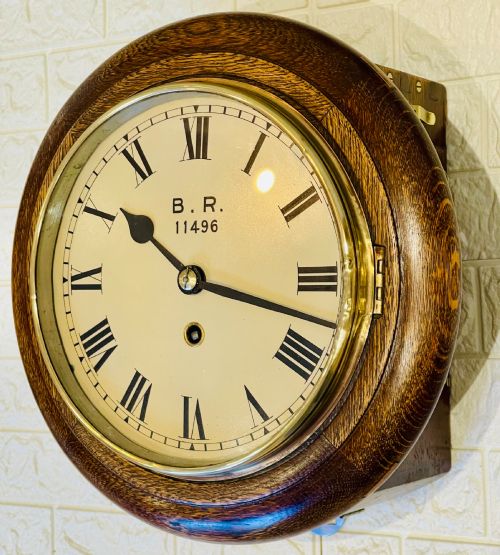
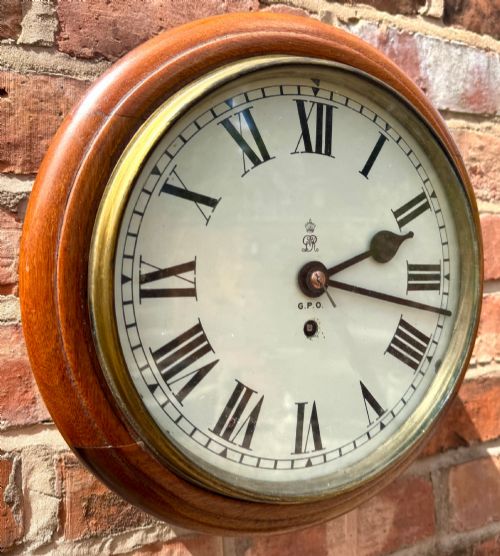
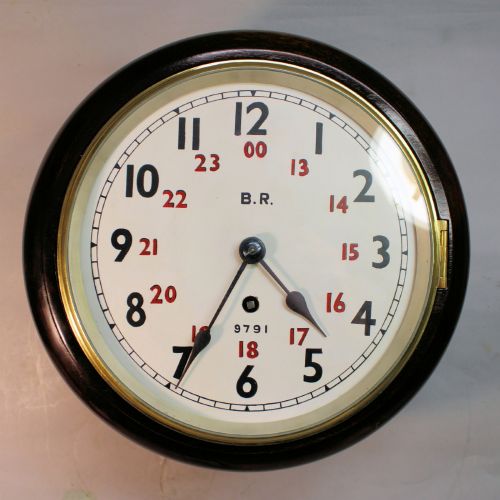
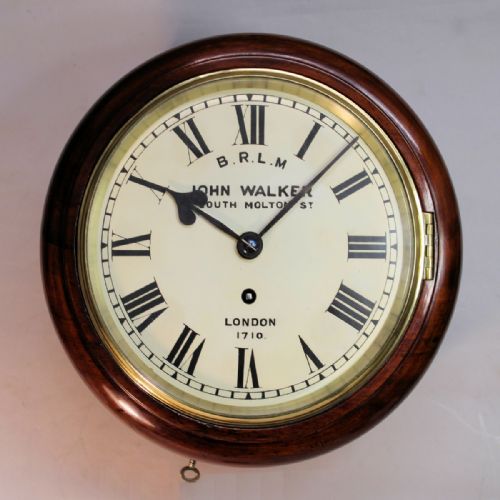
A vintage railway clock is a heavy-duty wall timekeeper connected to historic transport networks such as the L.N.E.R, G.W.R, or British Railways, often bearing company initials or station names on the dial.
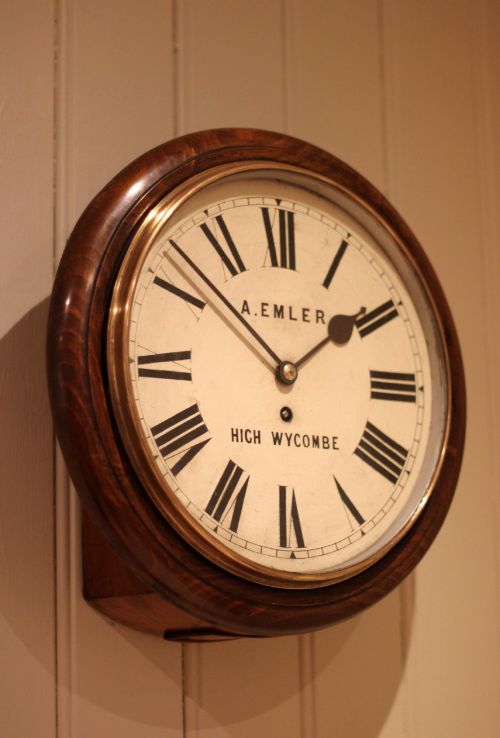
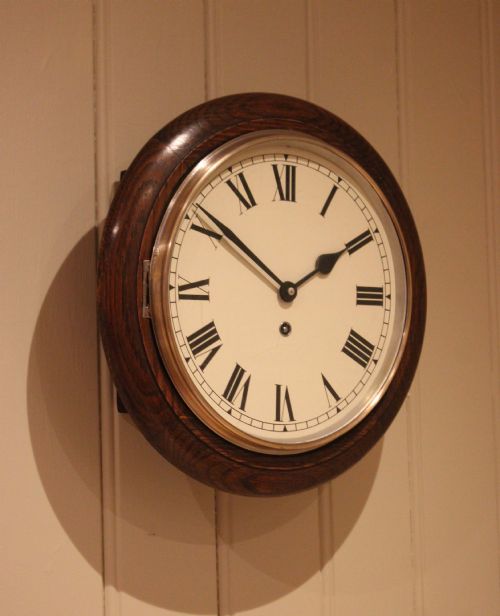
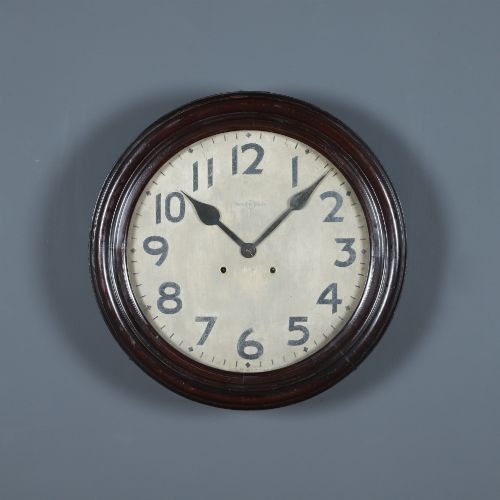
You are most likely to meet round dial wall clocks housed in timber cases, originating from periods spanning the Victorian era through the mid-20th century.
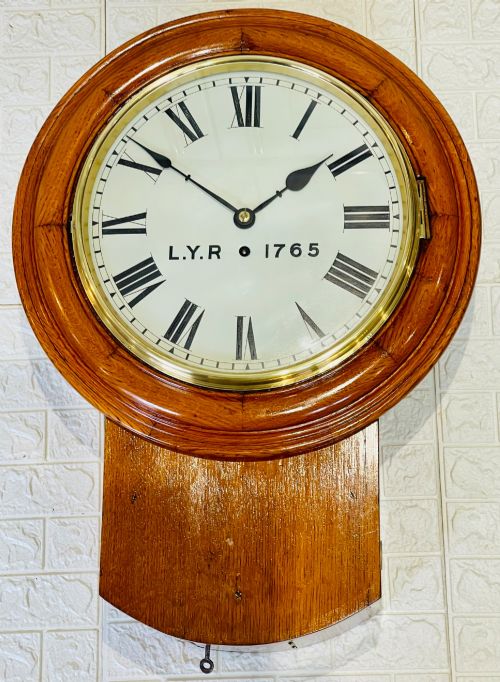
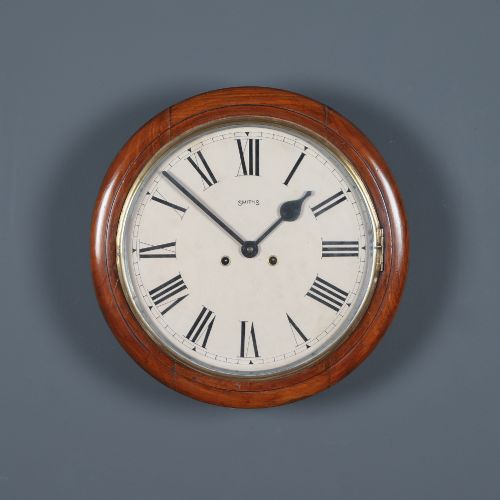
The material palette of these pieces relies heavily on durable hardwoods like mahogany and oak, paired with brass bezels and protective glass faces intended for public spaces.
Construction and materials
Makers housed movements within robust timber cases constructed from mahogany, oak, beech, or occasionally utilitarian bakelite for later mid-century issues.
The mechanical heart typically employs a fusee movement, designed to maintain even tension as the mainspring unwinds to ensure accurate timekeeping.
Vintage Railway Clock Retail Price Guide 2026
Typical asking prices for vintage railway clock among the pieces listed under this phrase on Sellingantiques today, from the lower quarter to the upper quarter. They describe what is for sale here now, not the wider market.
Listings feature fusee and pendulum wall clocks spanning the Victorian era, the 1920s, and 1950s British Railways issues.
Markers of quality
Quality rests in the pedigree of the movement and the provenance of the casing, with names associated with official railway contracts holding particular weight.
The integrity of the painted dial, original hands, and the precision of the timber box framing distinguish standard utility wall clocks from superior examples.
John Walker·Smiths·Enfield·Camerer Cuss and Co·Gents of Leicester
The Vintage Railway Clock Glossary
- Fusee
- A conical pulley used with a cord or chain to maintain equal power from the mainspring as it runs down. This mechanism ensures consistent timekeeping throughout the power reserve.
- Dial
- The face of the clock where the numbers and minute tracks are painted or applied. Railway dials prioritize bold, clear black numerals for rapid reading from a distance.
- Bezel
- The ring of brass or wood that holds the glass door over the dial. It often hinges open to allow hand-setting and winding.
- Drop dial
- A clock case featuring a circular dial section on top with an extended lower trunk to accommodate the pendulum swing. This silhouette is common in station offices.
Vintage Railway Clock: Frequently Asked Questions
How do I wind a fusee wall clock?
You insert the winding key into the small aperture on the dial face and turn it gently clockwise until resistance indicates it is fully wound. Care should be taken not to overwind antique mechanisms.
Ensure the pendulum is hung securely on its suspension spring inside the case before setting the hands to the correct time from the centre.
Where were these clocks originally displayed?
These timepieces hung in ticket offices, station master rooms, signal boxes, and administrative headquarters across various regional rail networks. Their primary function was keeping train crews and the public synchronized.
Later examples transitioned into British Railways offices and maintenance depots, reflecting the nationalisation of the transport system.
What does the railway lettering on the dial signify?
Initials such as L.N.E.R, G.W.R, or L.M.S denote the specific pre-nationalisation railway company that owned and operated the timepiece. These markings establish the historical provenance of the piece.
Post-1948 pieces frequently display British Railways lettering or regional designations, linking the clock to a specific geographic station or depot.