


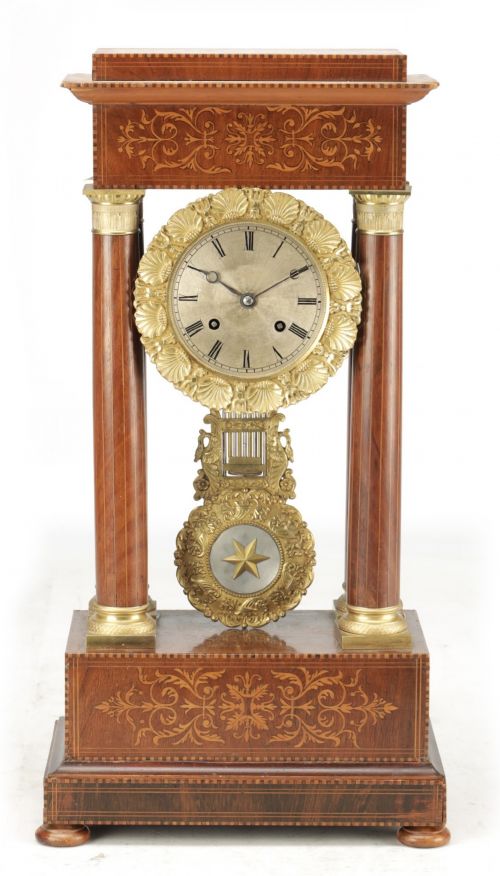
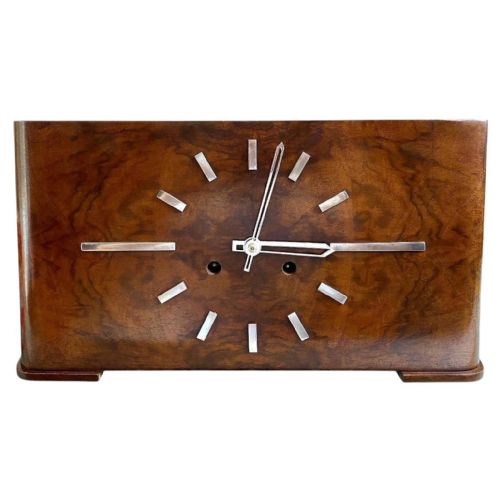
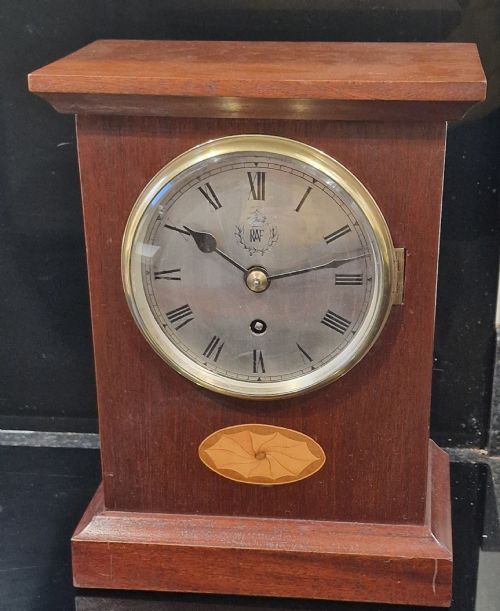
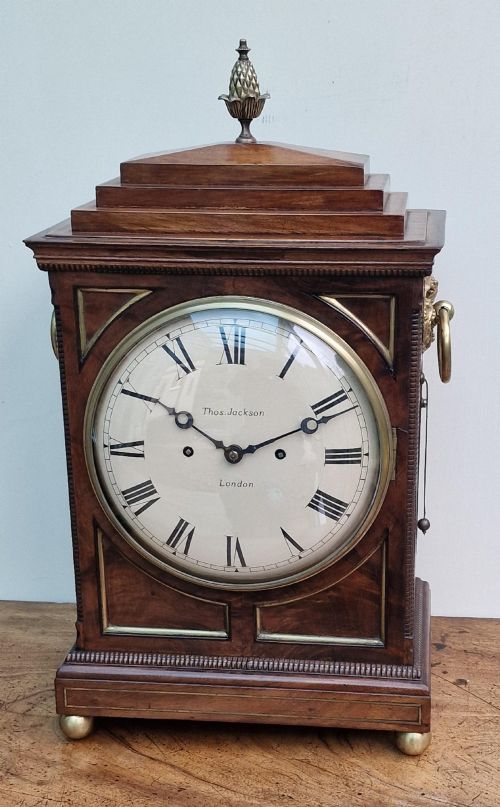
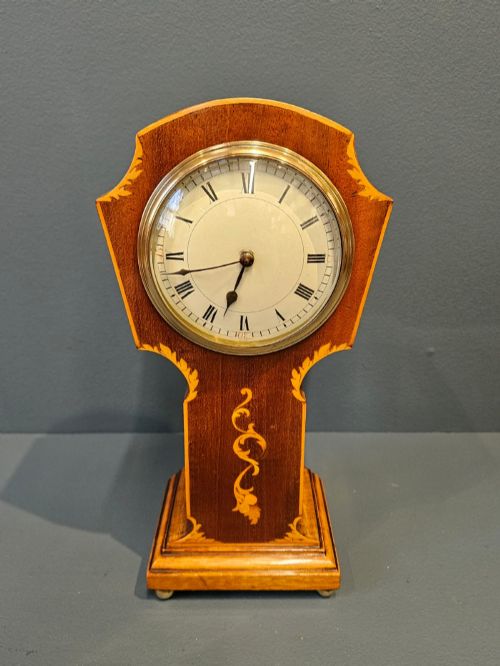
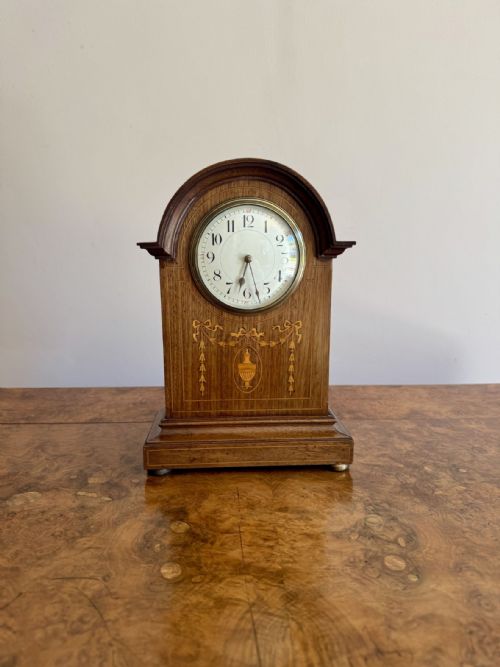
Brown Wooden Table Clock
These brown wooden table clock pieces bring together period brass, glass, and mahogany to keep time with quiet presence.
Brown Wooden Table Clock
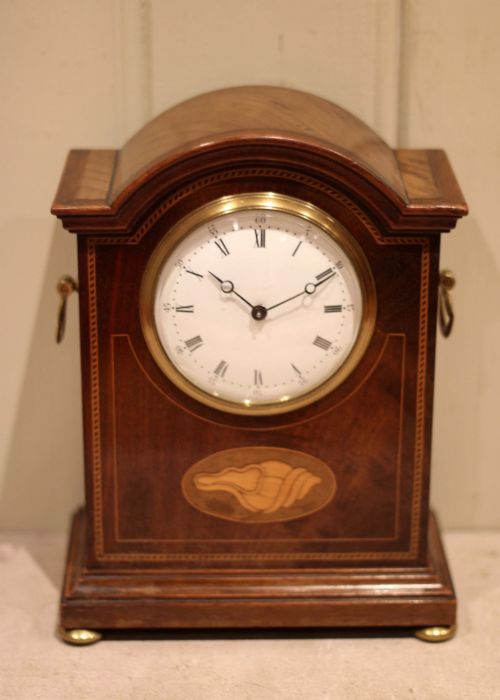
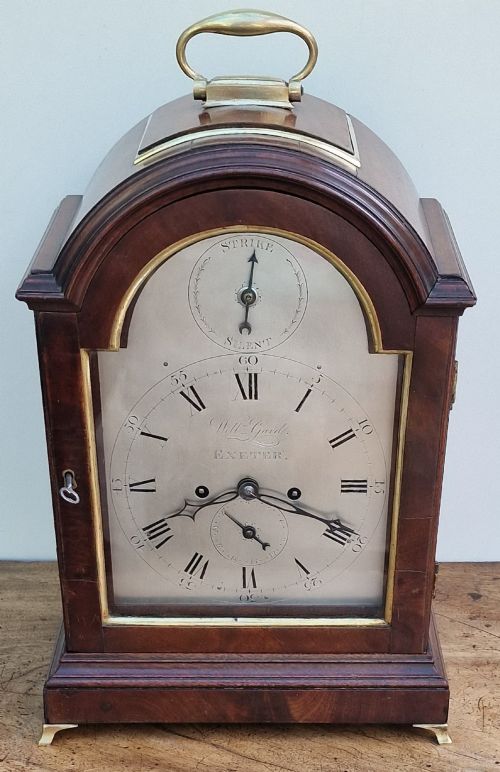
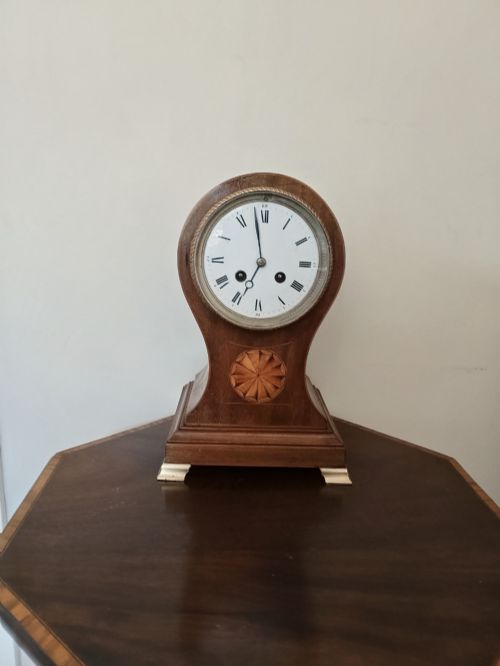
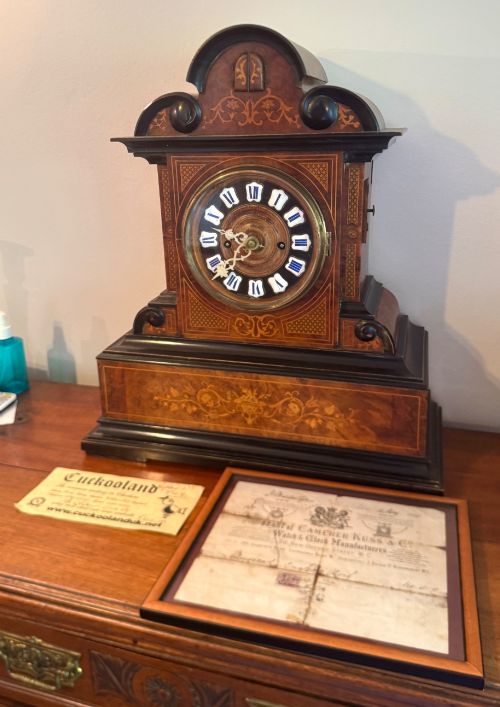
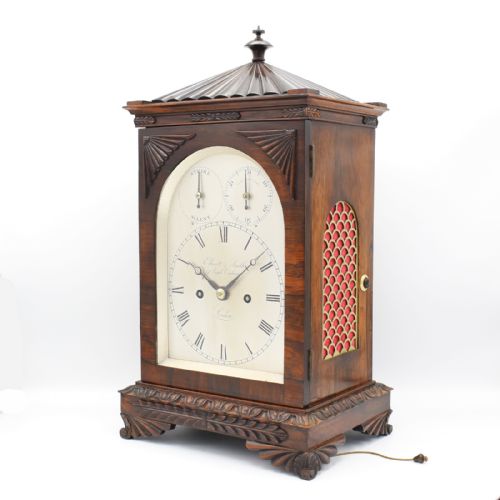
A brown wooden table clock is a domestic timepiece designed to sit on a mantelpiece, bracket, desk, or table rather than hang upon a wall. The examples collected under this search phrase span centuries of cabinet-making and horology, ranging from modest Edwardian timepieces to formal Georgian and Regency bracket clocks.
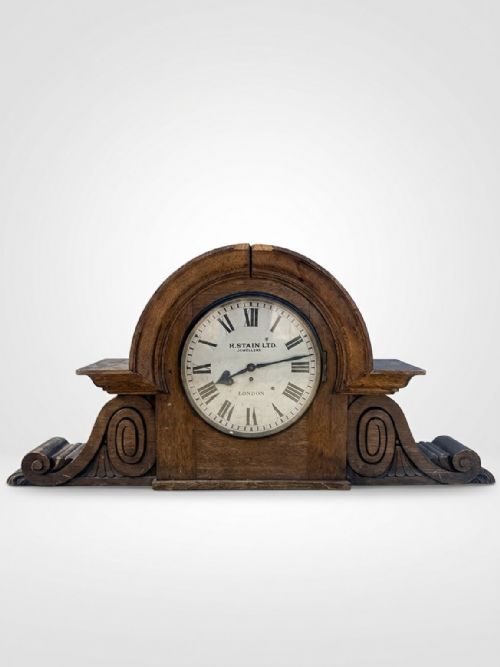
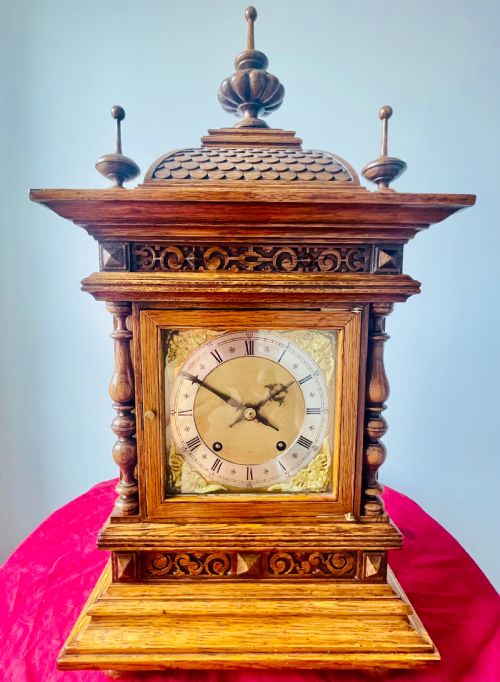
Most pieces encountered here take the form of mantel clocks or bracket clocks housed in mahogany, walnut, or oak. One finds compact Edwardian inlaid designs alongside large Victorian quarter-striking models and carved Black Forest specimens.
Makers and retailers from London, the West Country, and continental Europe stamp their identities upon dials and movements, creating pieces that function equally as precision instruments and sculptural woodwork.
How they were made
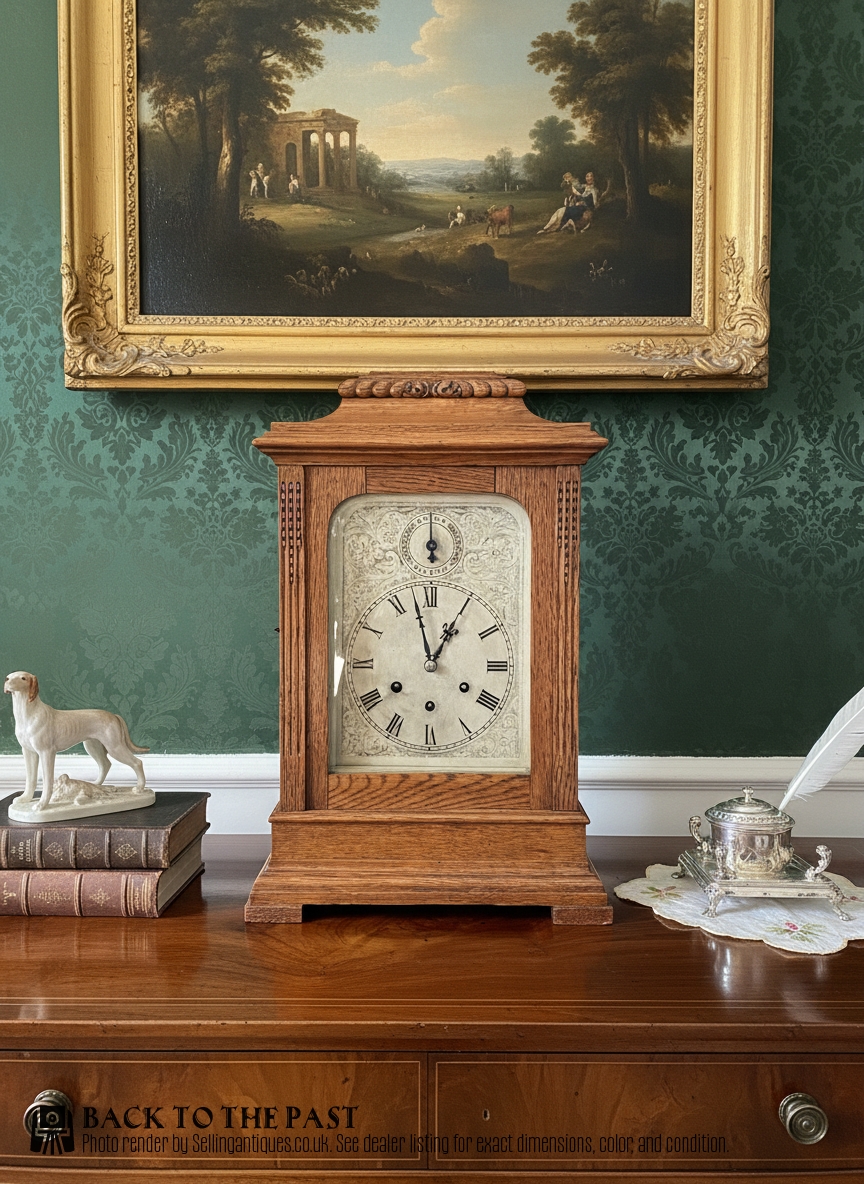
Cabinet-makers constructed the housing using dense timbers such as mahogany, walnut, oak, and kingwood, often applying intricate marquetry, stringing, or contrasting ebony inlays. These wooden cases frequently incorporate glazed doors or five-glass panels to display the internal brass movements.
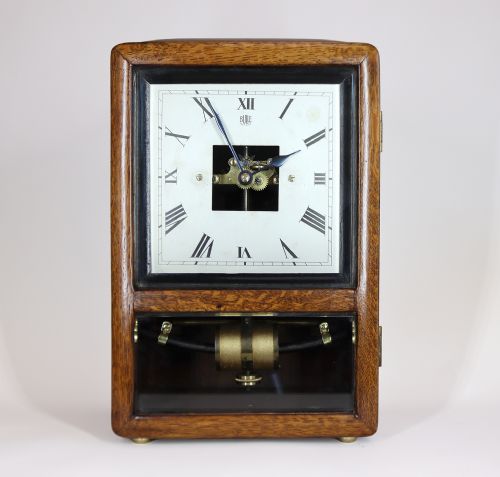
Clockmakers fitted brass fusee, spring-driven, or pendulum movements featuring white enamel dials, Roman numerals, and delicate hands. Certain pieces utilise specialised mechanisms like electric Bulle movements or quarter-striking chimes mounted on gongs and bells.
Brown Wooden Table Clock Retail Price Guide 2026
Typical asking prices for brown wooden table clock among the pieces listed under this phrase on Sellingantiques today, from the lower quarter to the upper quarter. They describe what is for sale here now, not the wider market.
Listings feature mahogany, walnut, and oak clock cases spanning the Georgian, Victorian, and Edwardian periods.
What varies in quality
Quality rests primarily in the harmony between the cabinet-maker's joinery and the horologist's movement. Finer examples display carefully matched timber veneers, crisp brass mounts, and signed movements by established makers rather than mass-produced generic chassis.
The sophistication of the mechanism dictates the tier of the piece, moving from simple timepieces to complex fusee movements with striking trains or chiming capabilities. Intricacy of case decoration, such as hand-carved linden wood or precise mahogany inlay, further separates standard domestic items from high-status commissions.

German H.A.C.·Mappin & Webb·Ellicott & Smith·Winterhalder·Haller·Thomas Jackson·Bush of London·L. Vick·Webster Cornhill London·Thomas Moss·Turner of London·Cording of London·Dent·Bergen & Co·W. Burton·Piggin Norwich
The Brown Wooden Table Clock Glossary
- Bracket clock
- A portable spring-driven clock originally designed to sit on a wall bracket or a table. These pieces often feature substantial wooden cases with brass carrying handles.
- Fusee
- A conical pulley used in mechanical clocks to maintain an even pull on the movement as the mainspring unwinds. This mechanism improves the timekeeping accuracy of the clock.
- Mantel clock
- A domestic clock designed to stand on the mantelpiece above a fireplace. They appear in various timber cases from the Victorian and Edwardian eras.
- Timepiece
- A clock that tells the time without incorporating a striking or chiming mechanism. These simpler movements focus purely on the passage of hours and minutes.
Brown Wooden Table Clock: Frequently Asked Questions
Where should I place a table clock?
These clocks suit flat surfaces like mantelpieces, sideboards, desks, or dedicated wall brackets where their timber cases remain stable and visible.
Ensure the chosen surface is level so the pendulum or escapement operates without interference.
How do I wind an antique clock?
Most mechanical pieces require a specific key inserted into the dial holes to tension the mainspring or fusee. Turn the key gently until you feel firm resistance, avoiding overwinding.
Check whether the movement is an eight-day or fourteen-day variety to establish the correct winding schedule.
What is the difference between a timepiece and a striking clock?
A timepiece simply measures and displays the hours and minutes without making sound. Striking clocks include additional gear trains and hammers that hit bells or gongs on the hour or quarter-hour.
Both variants share similar wooden outer enclosures but differ entirely in internal mechanics.
How do I identify the period of a wooden clock?
Cabinet styles, wood selections, and dial designs reveal the era of manufacture. Georgian and Regency pieces favour rich mahogany with understated classical proportions, while Edwardian examples often showcase delicate string inlay.
Signatures on the dial or movement backplate frequently point to a specific decade or maker.