

Traditional Table Clock
These traditional table clocks bring period charm to a room, offering both reliable timekeeping and classic craftsmanship.
What traditional table clocks are
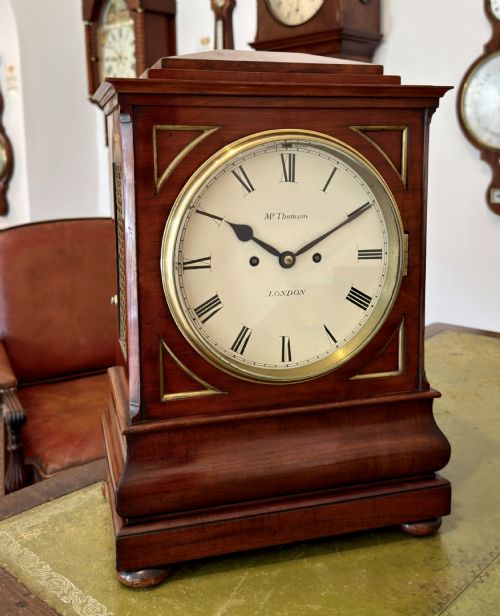
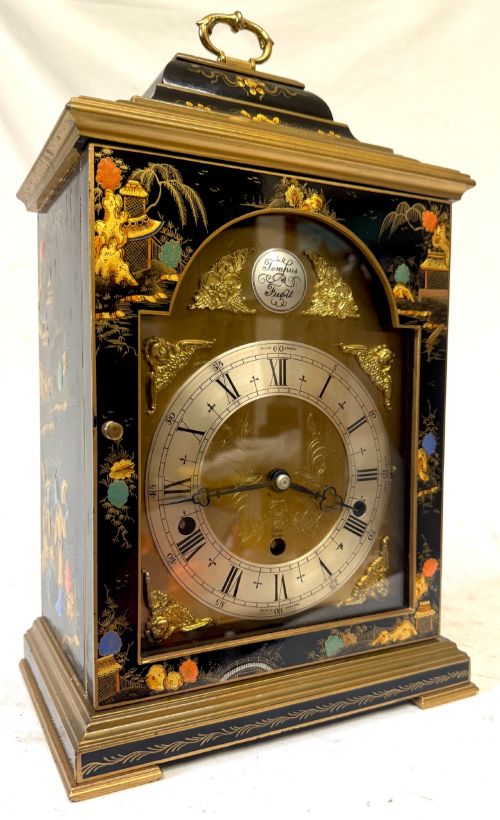
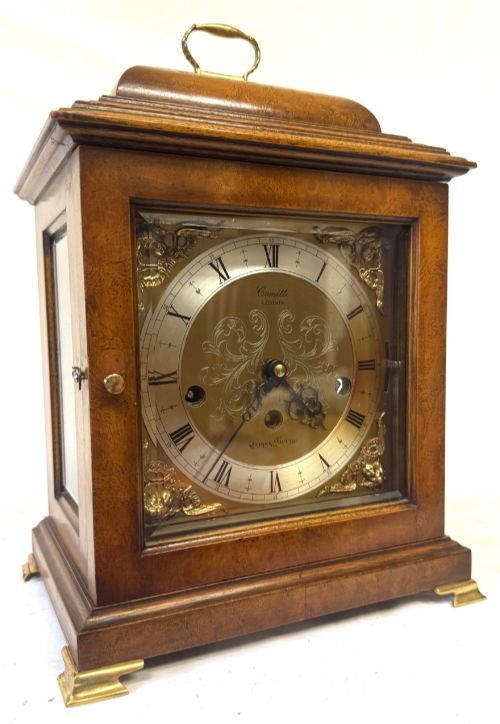
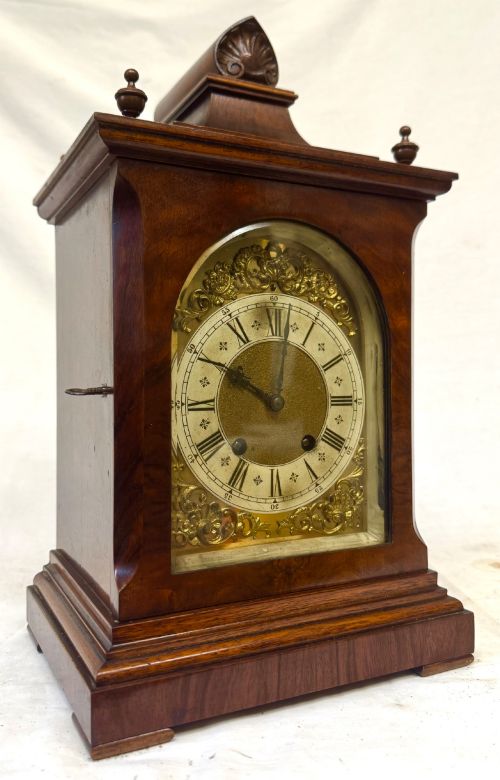
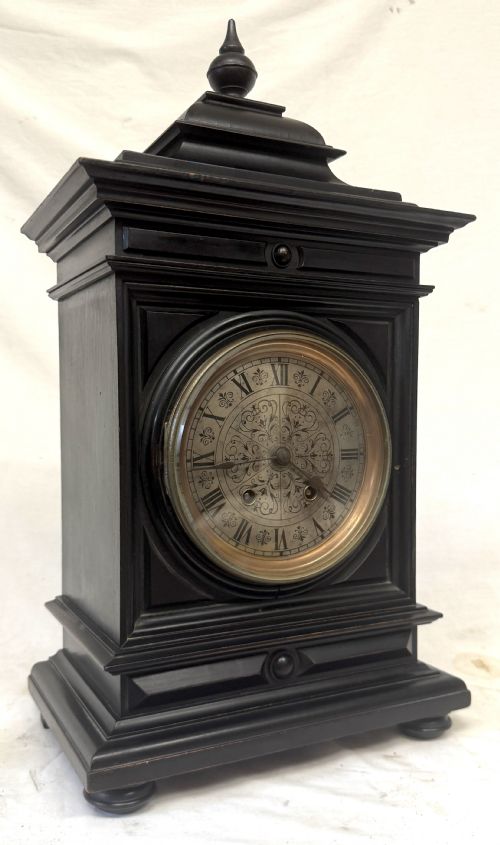
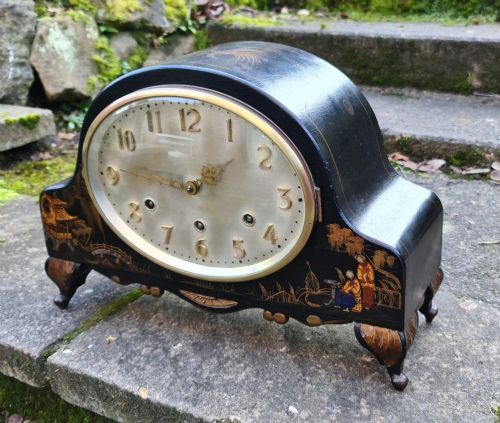
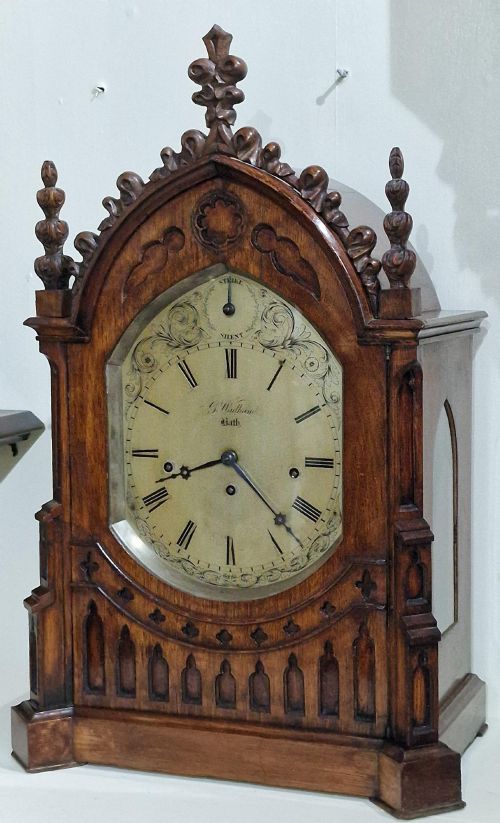
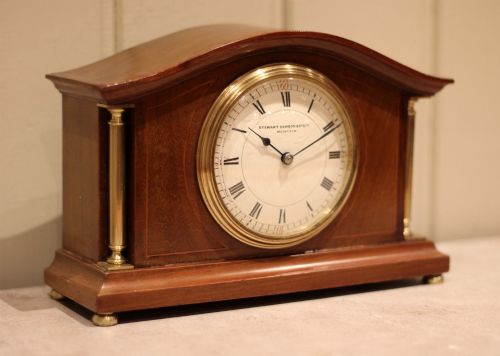
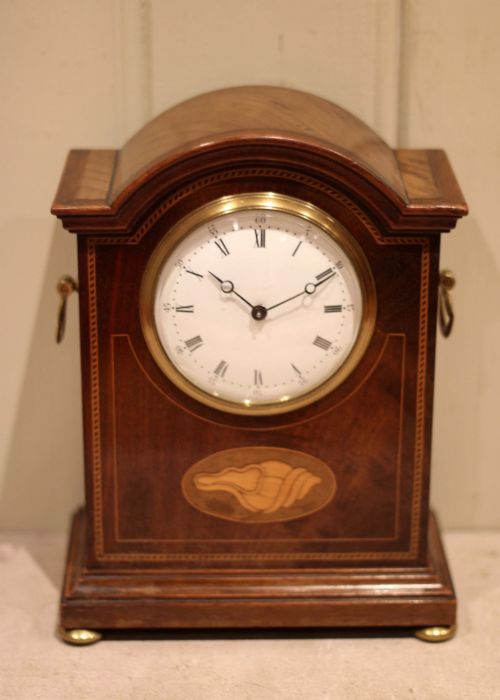
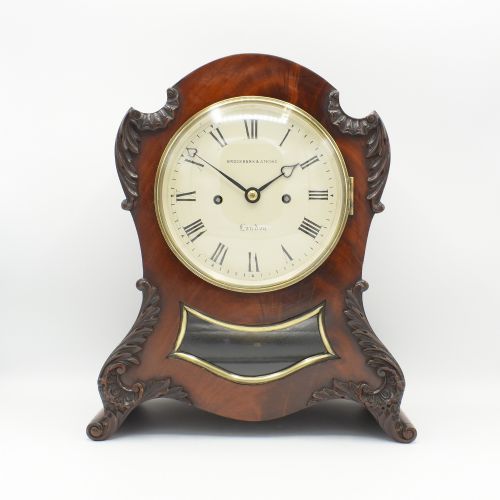
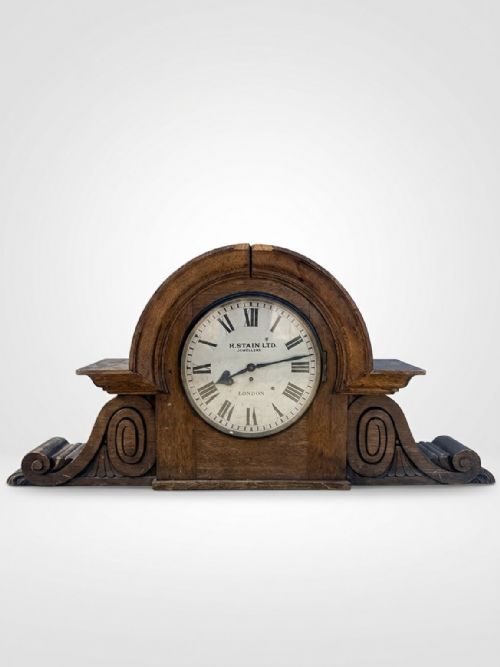
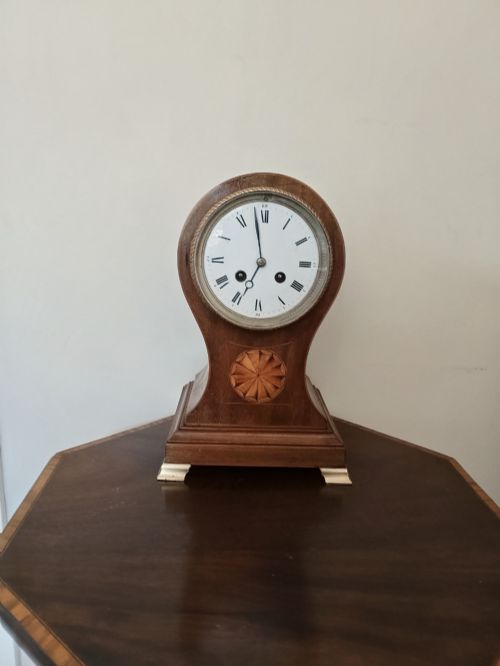
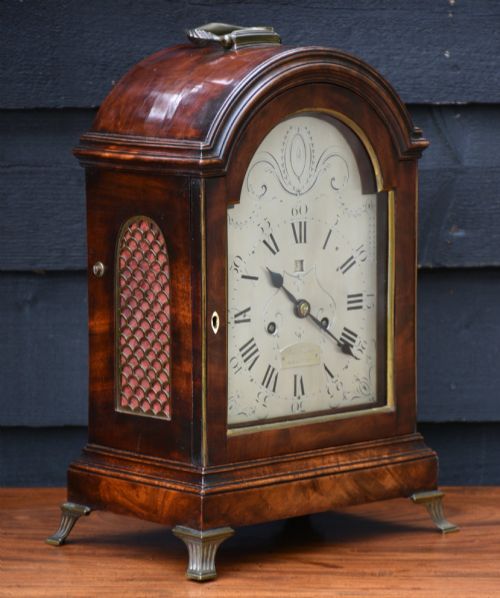
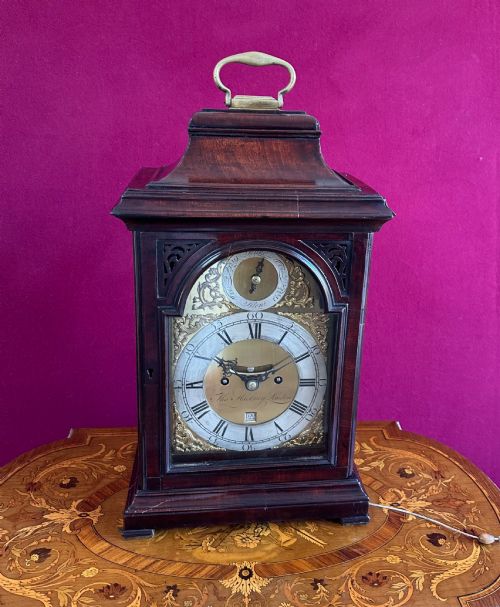
When you search for traditional table clock, you find bracket clocks and mantel clocks originating from periods such as the Regency era, the nineteenth century, and the nineteen-twenties and thirties. These pieces draw on Georgian style, Georgian revival, seventeenth-century revival, and Black Forest designs, sitting comfortably on mantelpieces and shelves.
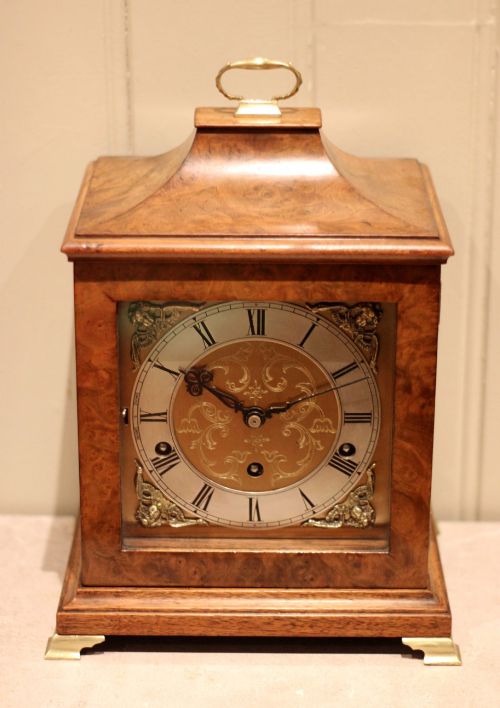
You are most likely to meet wooden bracket clocks featuring materials like mahogany and burr walnut veneer. These designs often house striking movements, including Westminster chime mechanisms, alongside simpler timepieces.
The assortment on this page reflects centuries of domestic timekeeping, ranging from early nineteenth-century Regency examples down to twentieth-century revivals. Each object functions as a decorative focal point as well as a practical instrument.
How they were made
Cabinetmakers constructed the wooden housings using timbers such as mahogany and burr walnut, frequently applying fine veneers to create rich surface patterns. Glazed doors and panels protected the dials while allowing a clear view of the face.
Metal components formed the structural mounts, bezels, and internal gear trains, incorporating brass and ormolu for decorative contrast. Dials often featured enamel chapters or plates for legible time reading.
Retail Price Guide 2026
Typical UK retail prices for traditional table clock, calculated from the Sellingantiques database of over a million retail prices indexed since 2003. This retail price guide relies exclusively on Sellingantiques data; no external sources or auction records are used, so the figures do not describe the wider market.
Black Forest clocks bring the deep woods straight to the mantelpiece.
What varies in quality
The refinement of the cabinetwork dictates the visual standard, with carefully selected burr walnut veneer and crisp mouldings marking out superior examples. Plain timber cases rely entirely on proportion and timber grain for their impact.
Movement complexity also sets pieces apart, distinguishing straightforward time-only clocks from sophisticated models equipped with Westminster chime mechanisms. The crispness of dial execution and the quality of brass and ormolu fittings further separate the standard of manufacture.
Mappin And Webb
The Traditional Table Clock Glossary
- Bracket clock
- A portable domestic clock originally designed to sit on a wall bracket to aid projection of sound. These wooden clocks eventually transitioned to table and mantel placement.
- Mantel clock
- A household clock designed to stand on the shelf above a fireplace. These forms span diverse revival styles and regional traditions.
- Ormolu
- Gilded bronze used for decorative mounts and accents. This technique adds metallic lustre to clock cases.
- Burr walnut veneer
- Thin slices of figured walnut wood applied to a secondary timber base. This method creates decorative swirling patterns across the clock exterior.
- Westminster chime
- A four-note melody played by a clock movement on quarter-hours. This sophisticated mechanism adds acoustic character to bracket clocks.
Frequently Asked Questions
What is a traditional table clock?
A traditional table clock is a portable timepiece housed in a wooden case, designed for placement on flat surfaces like tables, desks, or mantelpieces.
These pieces encompass bracket clocks and mantel clocks from various historical periods and revival styles.
How do I wind a bracket clock?
Winding typically involves inserting a key into designated arbors on the clock face to tension the internal springs or weights.
Care must be taken not to overwind the movement to preserve the mechanical components.
Where should I place a mantel clock?
Mantel clocks sit securely on stable, level surfaces away from excessive moisture and direct heat sources.
Placing them on a firm mantelpiece or sideboard ensures the pendulum or balance wheel operates correctly.
How do I identify a Regency clock?
Regency clocks display characteristic design restraint and architectural proportions typical of the early nineteenth century.
They frequently utilise mahogany timber cases with clean lines and classical brass details.