
Antique London Clock
An antique london clock brings domestic timekeeping from the Georgian, Regency, and Victorian periods into the modern room.
The Nature of the Pieces
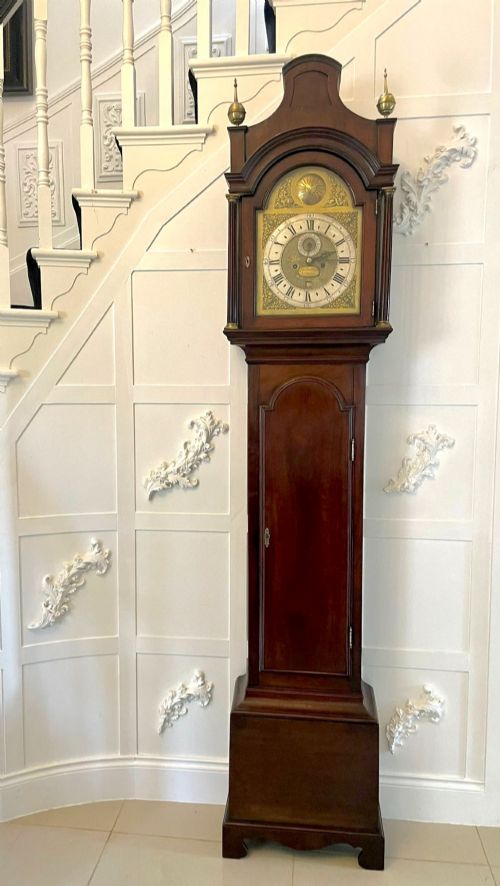
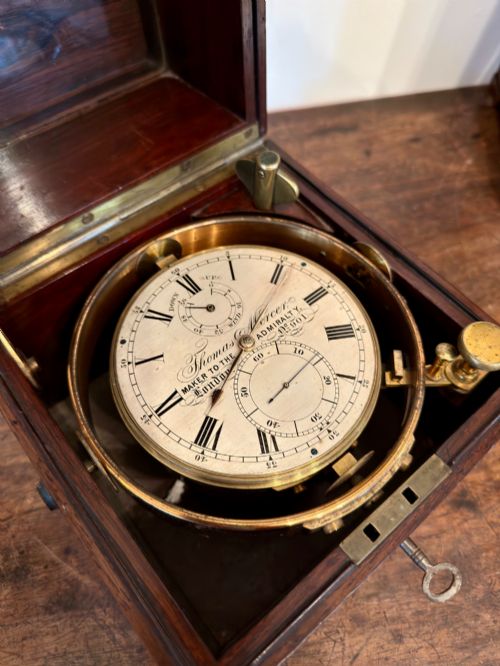
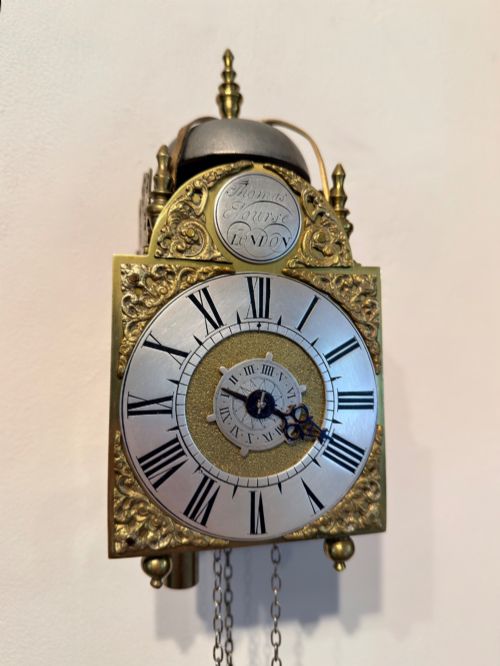
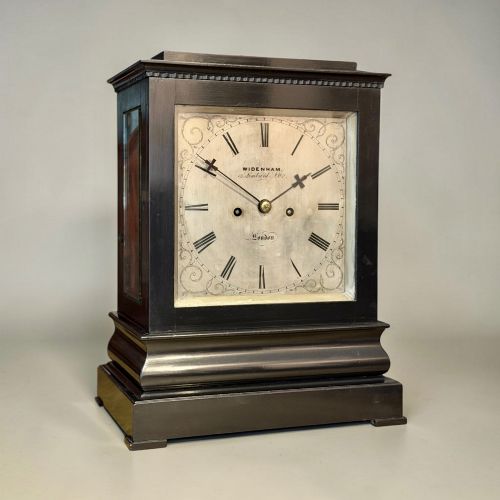
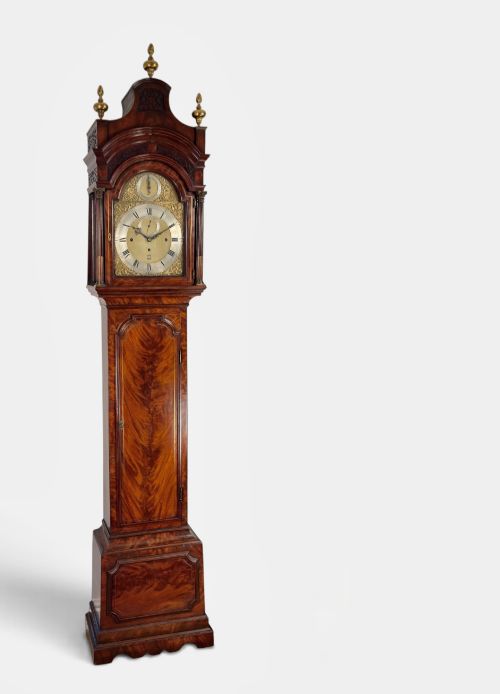
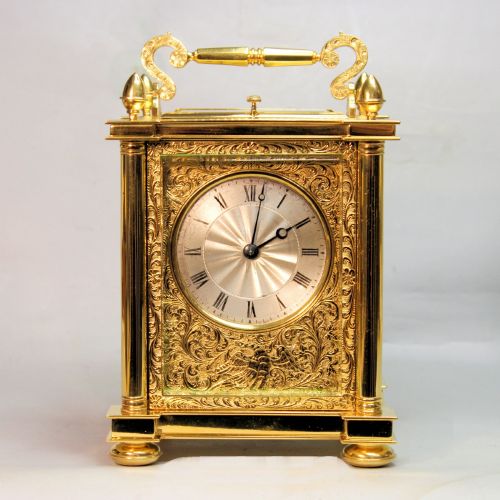
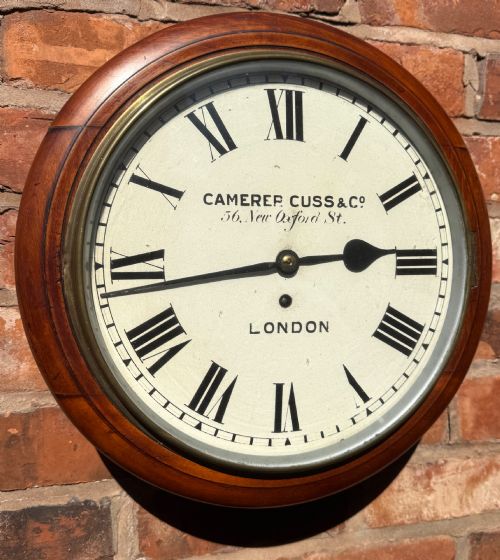
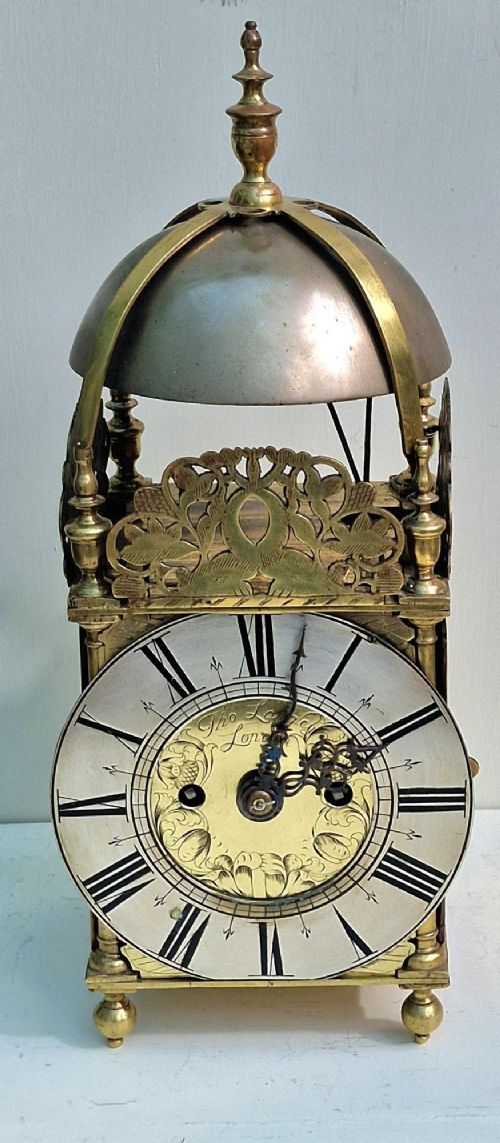
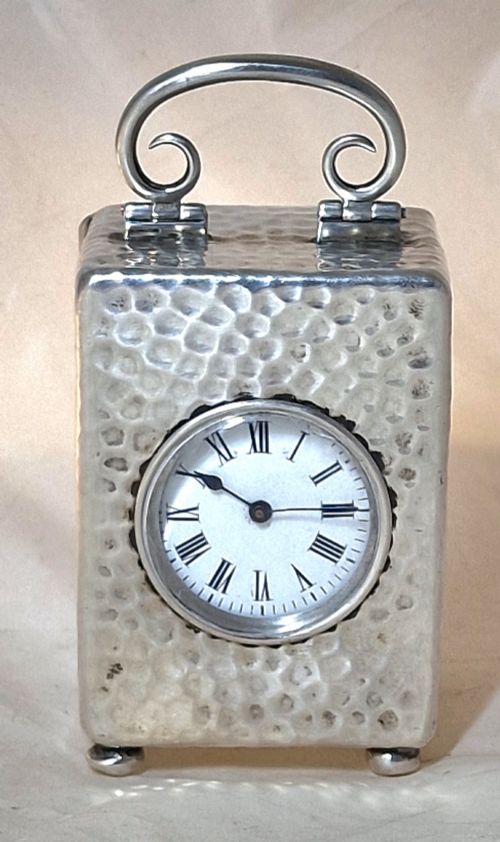
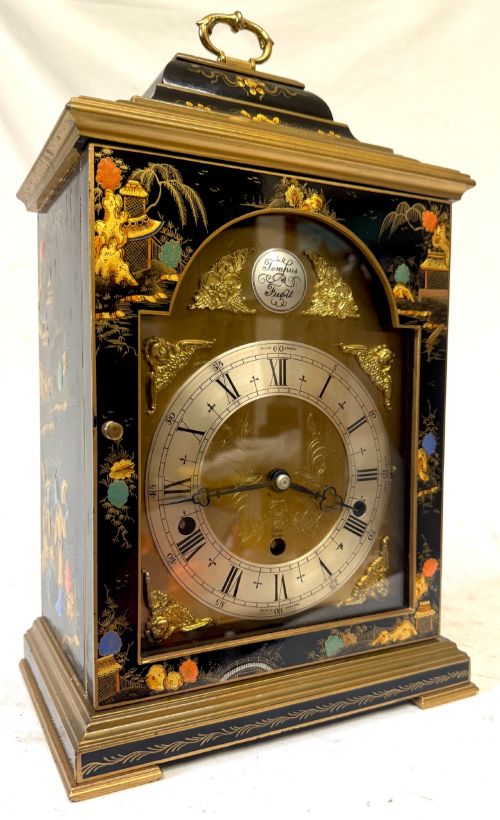
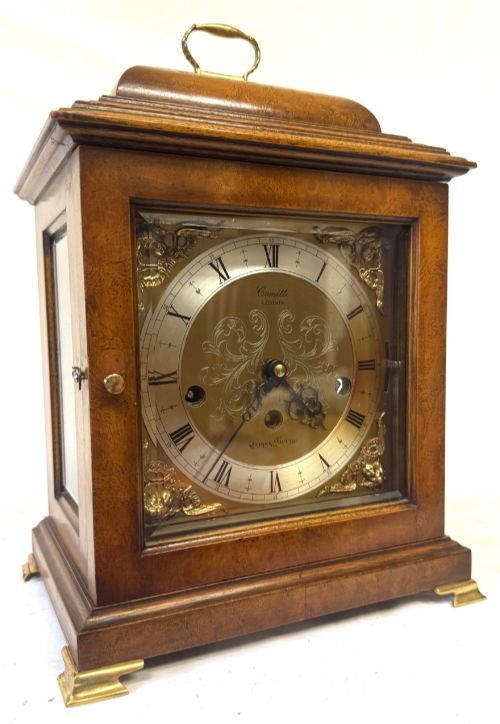
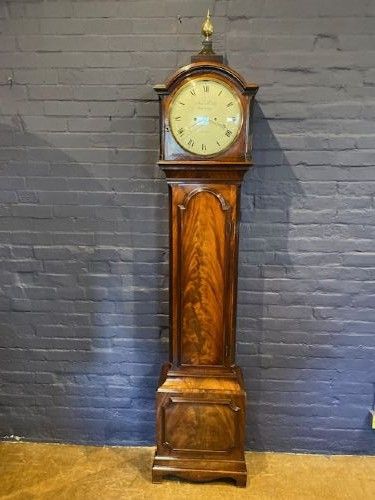
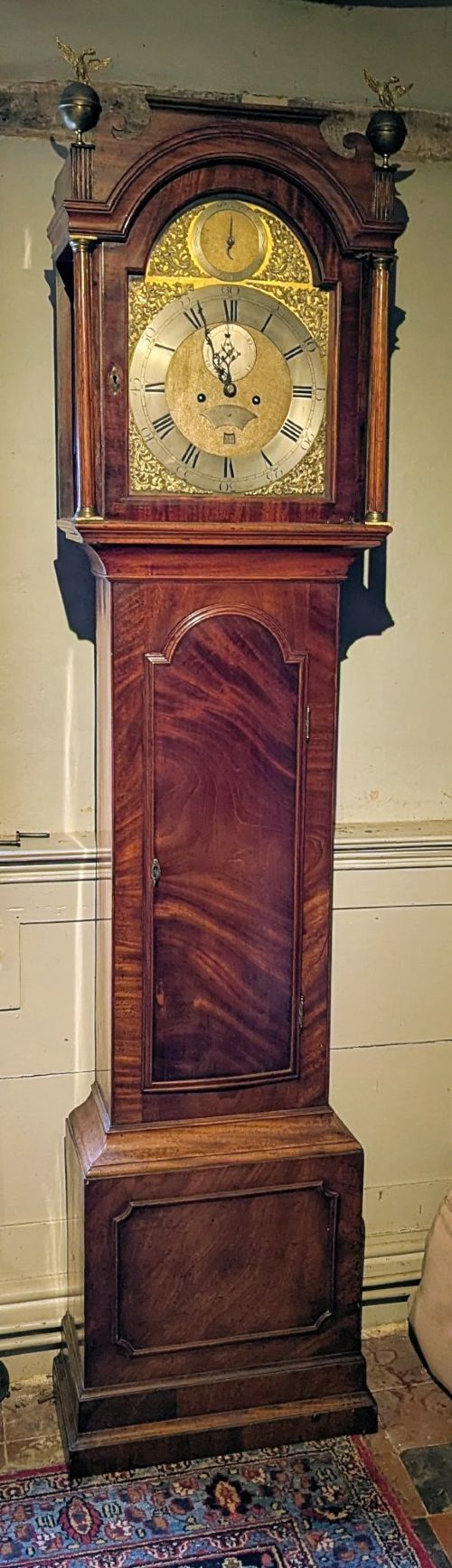
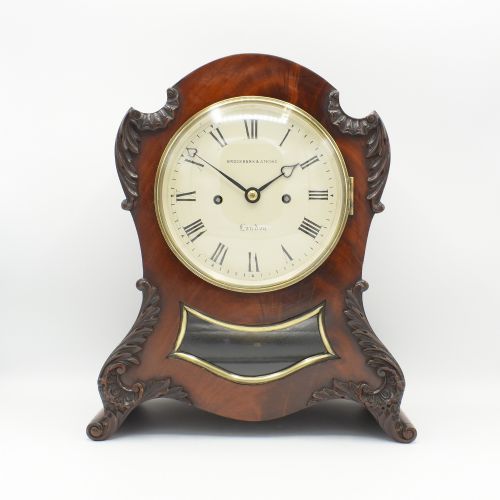
An antique london clock encompasses bracket clocks, library clocks, mantel clocks, wall clocks, and longcase clocks. These pieces originate from workshop and maker output associated with London, spanning Georgian, Regency, 1800, and Victorian periods.
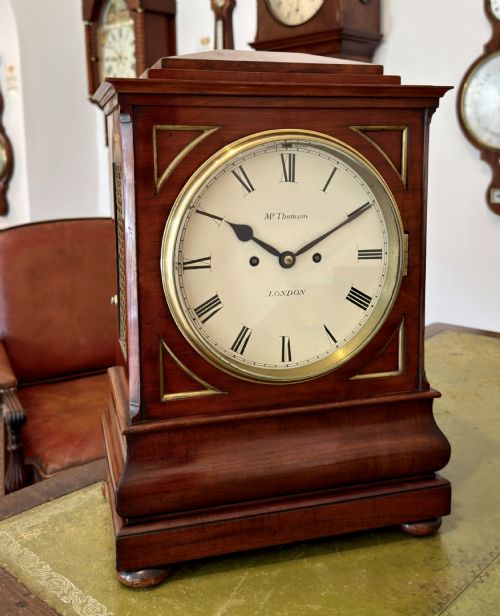
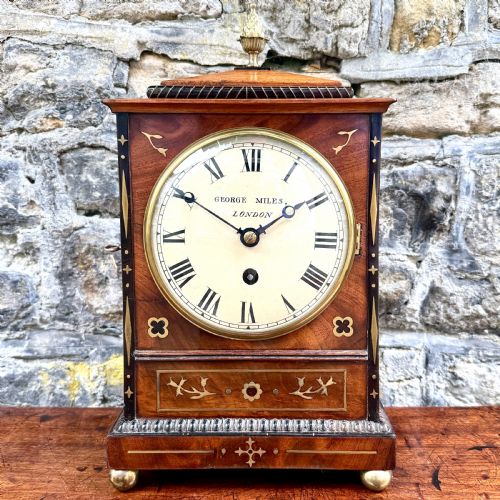
The buyer encounters mahogany bracket clocks and library clocks most frequently on this page. These domestic timepieces reflect the forms produced by London makers and retailers across multiple decades.
Materials and Construction
Cabinet makers utilised mahogany, rosewood, walnut, oak, satinwood, and black marble slate for the cases. Brass mounts, glass panels, ormolu mounts, and gilt bronze case elements appear alongside inlaid details.
Movements incorporate fusee mechanisms, chain fusee setups, double chain fusee designs, single chain fusee configurations, triple fusee systems, and verge quarter striking arrangements.
Retail Price Guide 2026
Typical UK retail prices for london clock, calculated from the Sellingantiques database of over a million retail prices indexed since 2003. This retail price guide relies exclusively on Sellingantiques data; no external sources or auction records are used, so the figures do not describe the wider market.
The archive reveals bracket, library, mantel, wall, and longcase clocks produced by makers working in London.
Distinctions in Quality
Quality depends upon the execution of the cabinetwork and the complexity of the movement. Pieces with multiple train fusee setups or pinwheel escapements stand apart from standard timepieces.
The refinement of brass inlay, gilt bronze mounts, or architectural case shaping distinguishes workshop output. Signed dials and movements by noted makers elevate the standing of the clock.
Thomson of London·George Orpwood·Bush of London·Charles Valogne London·Grant Fleet Street London·Webster London·Charles Shuckburgh London·Kendal & Dent London·Ingram Brothers Wood Green London·Bennetts Cheapside London·Mappin & Webb London·Dent of London·Vulliamy London·Rieder & Co Coswell Rd London·Asselin London·Barwise London·George Blackie London·Thomas Cox London·John Simpson London·Payne London·Frances Haywood London·Usher & Cole London·Baetens London·Morse London·Thomas Gammage London
The Antique London Clock Glossary
- Bracket clock
- A portable table or shelf clock designed originally to sit on a wall bracket. These timepieces often feature striking mechanisms and carrying handles.
- Fusee
- A conical pulley used in spring-driven clocks to maintain equal power as the mainspring unwinds. This device ensures more accurate timekeeping throughout the winding cycle.
- Library clock
- A medium-sized desk or table clock intended for study or parlour use. They typically house dependable fusee movements in refined wood cases.
- Longcase clock
- A tall pendulum clock enclosed in a wooden case resting on the floor. These grand timepieces often feature brass faces and lengthy weight-driven drops.
- Mantel clock
- A domestic clock designed to stand on a fireplace mantel or shelf. Cases vary from architectural mahogany boxes to marble and gilt bronze designs.
Frequently Asked Questions
What is a fusee movement?
A fusee movement uses a conical pulley to equalise the pull of the mainspring as it unwinds. This mechanical addition helps the clock maintain steady timekeeping.
You will find single, double, and triple fusee variants across these London pieces.
How do I wind an antique clock?
Winding requires a key matched to the square arbor on the dial face. Turn the key gently until you feel resistance, taking care not to overwind.
Different models require weekly or daily winding depending on whether they are eight day or single fusee pieces.
Where were these clocks used?
These clocks served in domestic interiors, libraries, offices, and hallways across London and beyond. Mantel clocks sat in parlours while wall clocks tracked time in railway stations or schools.
Bracket clocks moved easily between rooms on shelves or tables.
How do I identify the period?
Period identification relies on case materials, architectural styles, and decorative motifs. Regency pieces often display brass inlay or clean architectural lines while Victorian examples introduce varied woods and bolder proportions.
Signatures on dials provide further clues to the active years of the maker.