
English Table Clock
An english table clock brings timekeeping into the room with precision craftsmanship and rich cabinet woods.
What They Are
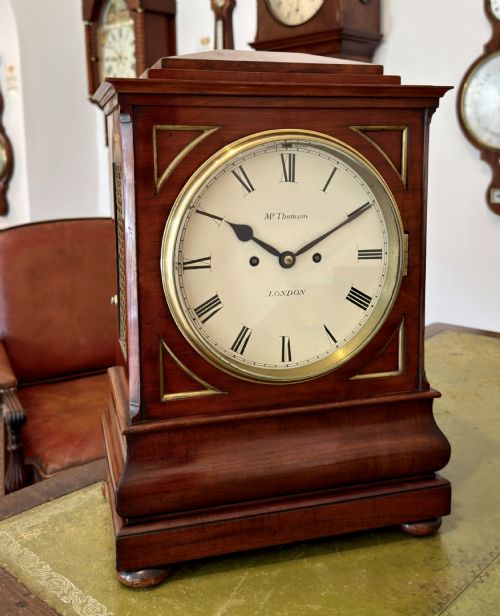
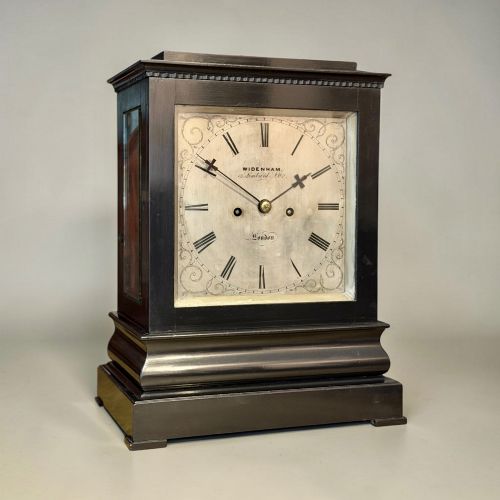
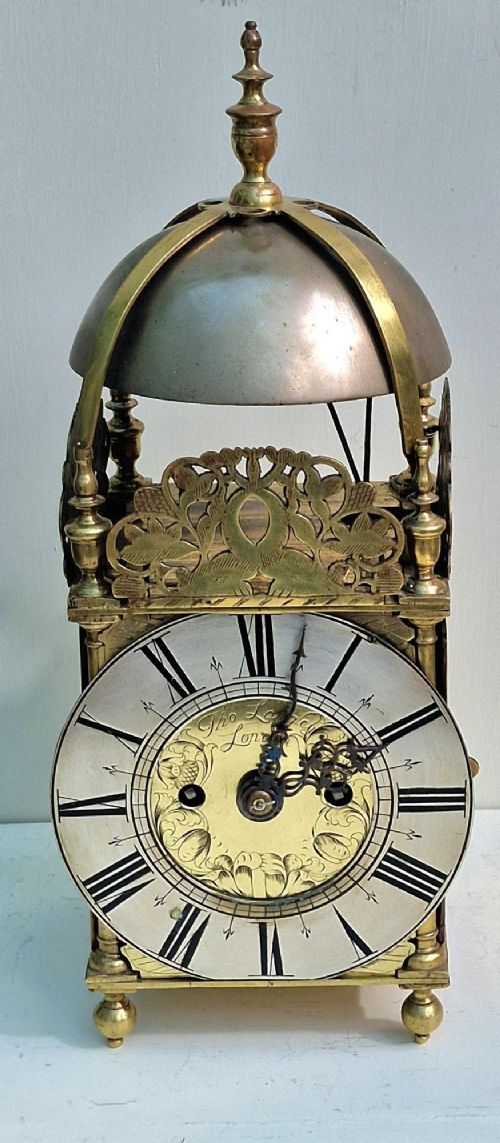
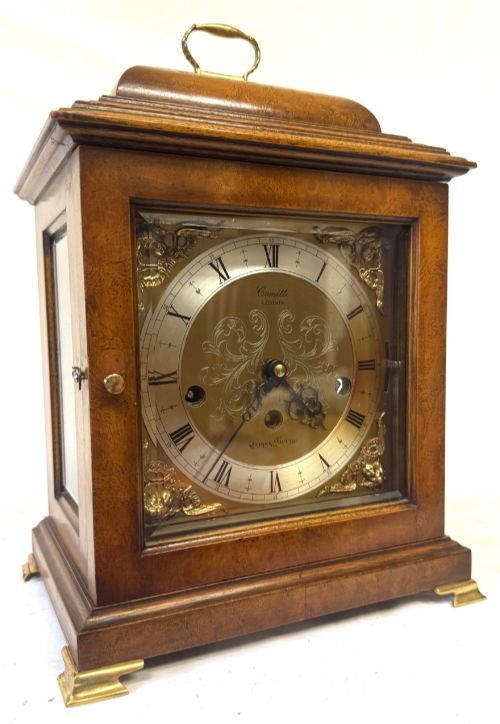
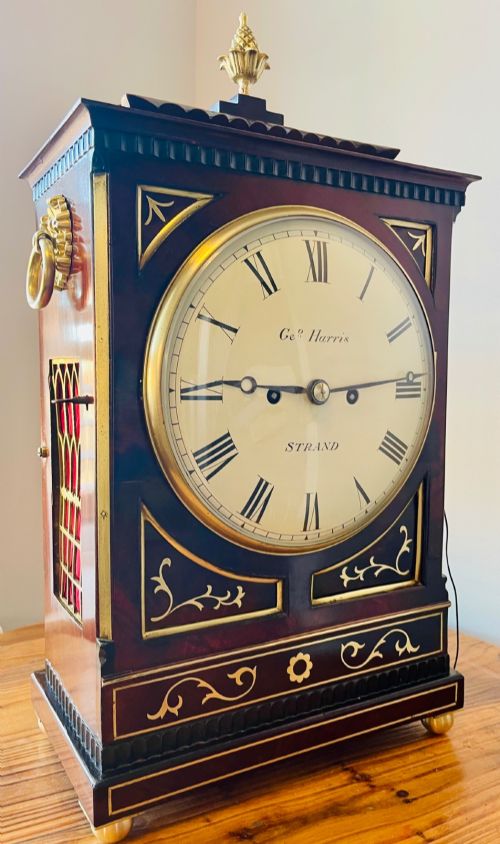
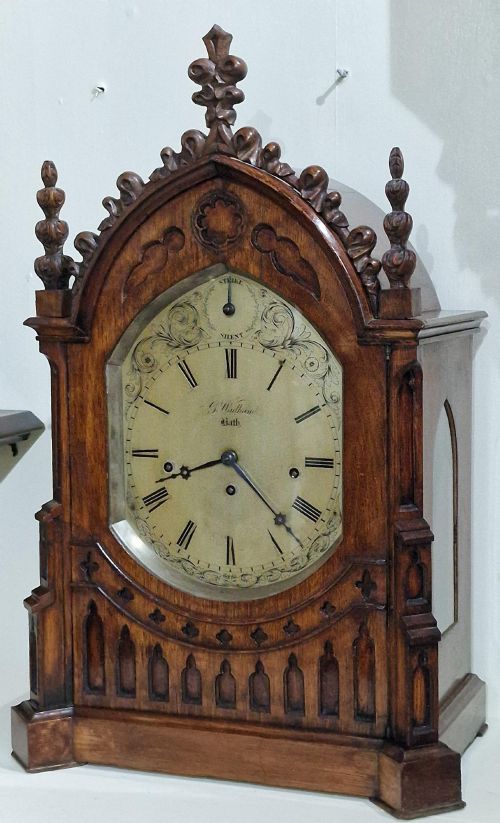
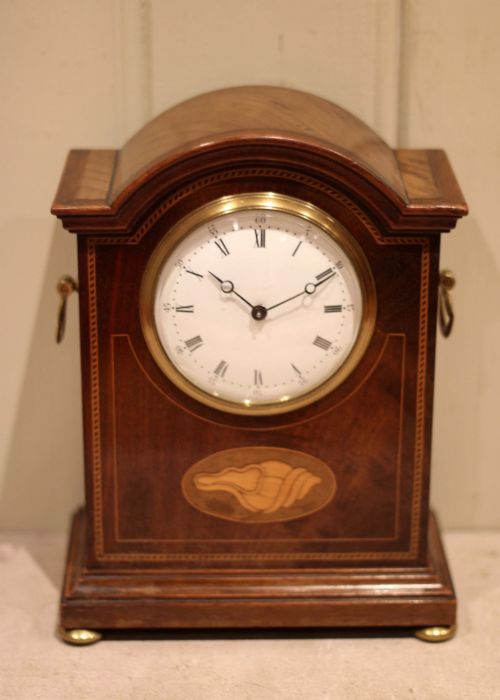
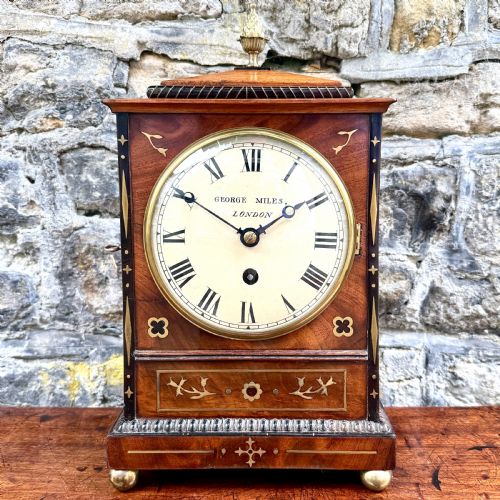
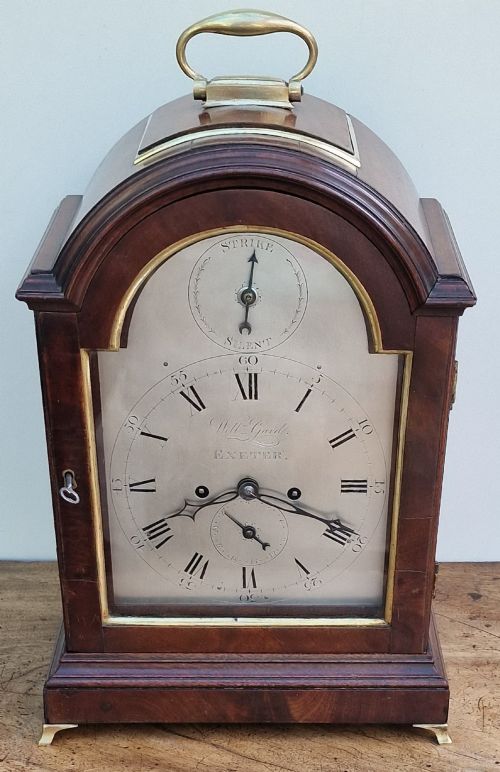
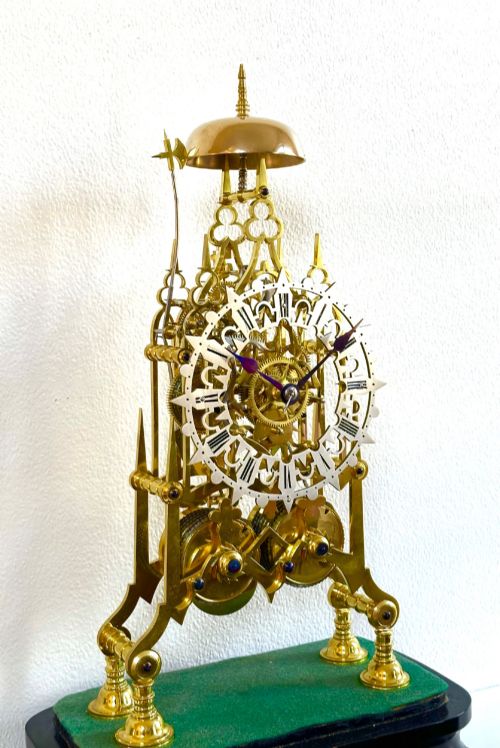
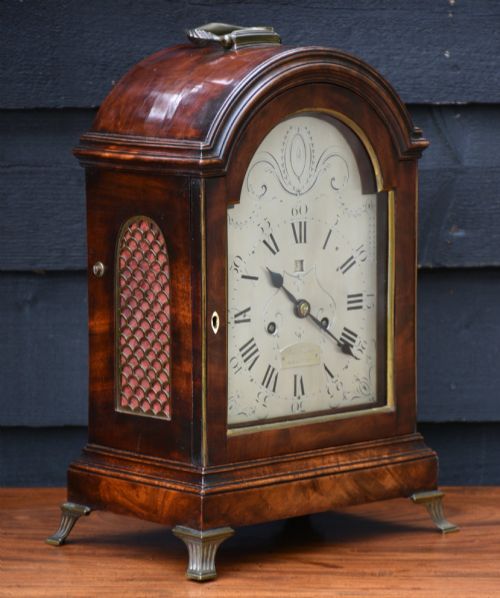
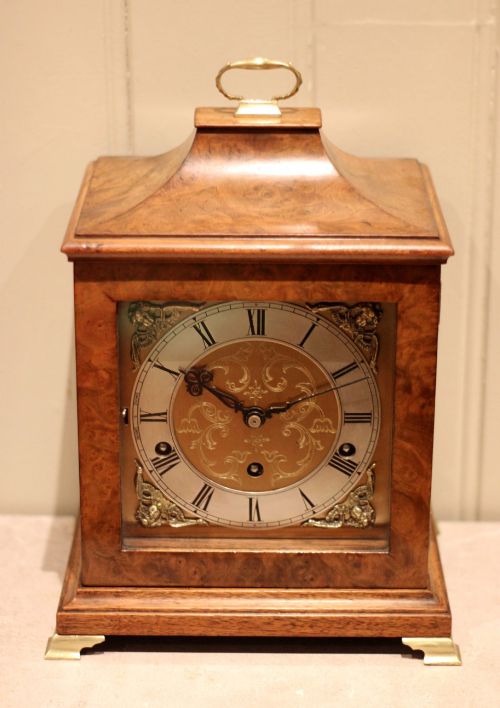
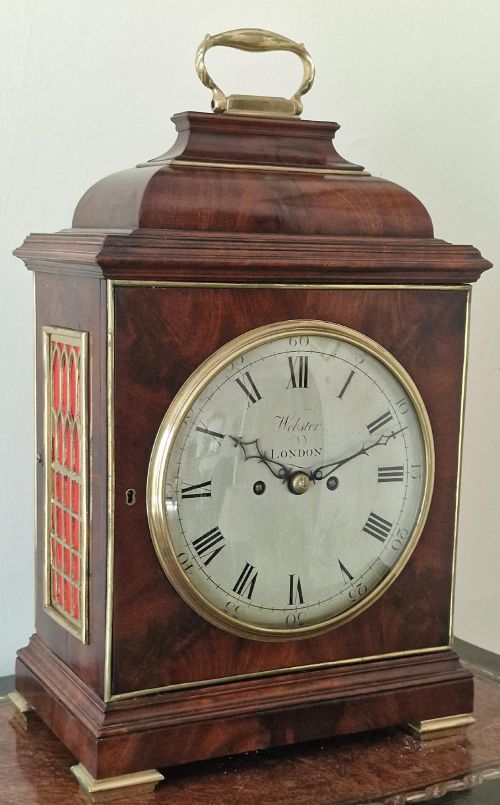
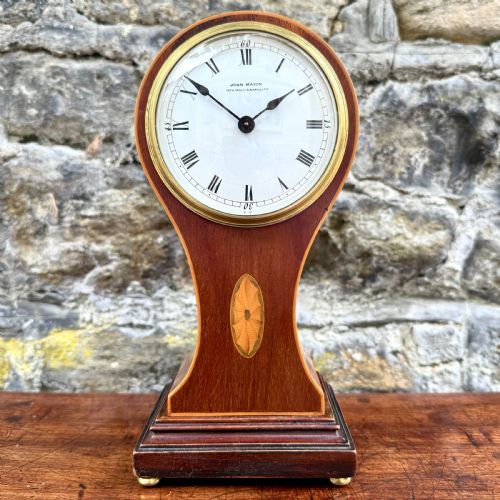
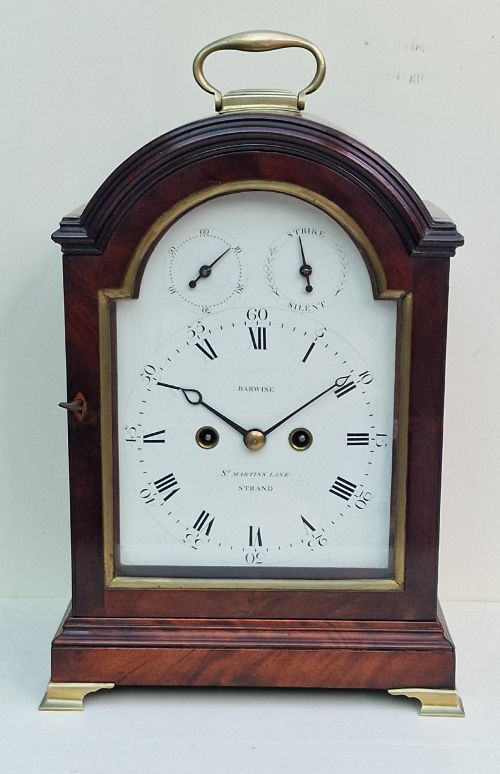
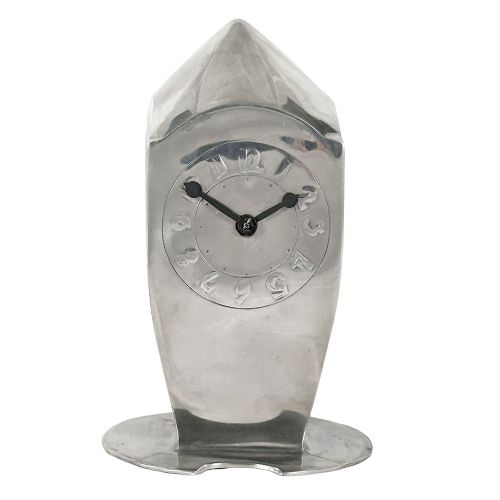
An english table clock encompasses mantel, bracket and library forms designed to sit upon furniture rather than hang upon a wall. The examples appearing here span from the seventeenth century through the Victorian era, taking shape as substantial bracket clocks and smaller library pieces.
Makers housed these movements in architectural timber cases, utilising materials such as mahogany, ebonised wood, rosewood and ebony. Brass details, glass panels and silvered metal dials complete the physical presence of these objects across their various periods.
The styles range from William and Mary and Georgian designs through Regency Gothic Revival to Victorian interpretations. Buyers frequently encounter fusee movements and striking mechanisms within these diverse wooden housings.
How They Were Made
Craftsmen built the cases from dense hardwoods like mahogany, ebony and rosewood, often incorporating brass inlay, gilded mounts and glass windows. Ebony and ebonised wood provided dark, uniform surfaces for seventeenth-century pieces, while later nineteenth-century examples favoured figured mahogany and rosewood grains.
The internal mechanics relied on metalwork, combining brass plates and wheels with silvered metal dials. Fusee movements regulated the pull of the mainspring to maintain steady timekeeping, while platform escapements and striking trains added functional complexity to library and mantel formats.
Retail Price Guide 2026
Typical UK retail prices for english table clock, calculated from the Sellingantiques database of over a million retail prices indexed since 2003. This retail price guide relies exclusively on Sellingantiques data; no external sources or auction records are used, so the figures do not describe the wider market.
Some nineteenth-century travellers required library clocks small enough to pack alongside their books.
What Varies in Quality
The distinction between tiers rests in the harmony between the cabinetmaker's woodwork and the horologist's movement. Finely figured timber, precise brass inlay and crisply engraved silvered dials elevate an example above plain or heavily repaired housings.
Movement execution defines the upper range through refined gear cutting, clean signature engraving and sophisticated striking or fusee arrangements. Superior pieces retain their original dial signatures and matching case components without incongruous replacements.
Widenham of London·George Orpwood·Thwaites of London·John Pepys London·Henry Jones·Des Granges of London·Perigal and Duterrau·John Ebsworth·George Yonge·Desbois and Wheeler·T Boxell Brighton
The English Table Clock Glossary
- Fusee
- A conical pulley used in mechanical clocks to maintain even power as the mainspring unwinds. This device ensures consistent timekeeping across the duration of the wind.
- Bracket clock
- A portable timekeeper originally designed to sit on a matching wall bracket or table. These pieces typically feature wooden cases with carrying handles and striking trains.
- Platform escapement
- A self-contained escapement unit that allows portable clocks to keep accurate time without needing a strict vertical pendulum setup. It appears frequently in nineteenth-century library and carriage formats.
- Silvered metal
- A brass or copper dial plate treated with a silver compound to create a matte white metallic surface. Engraved numerals and maker signatures are then filled with black wax for legibility.
- Ebonised wood
- Timber treated with a dark stain or finish to imitate expensive ebony. This technique was popular in seventeenth-century English clock cases.
Frequently Asked Questions
Where do I place an english table clock?
These clocks suit solid sideboards, desks and mantelpieces where their wooden cases and glass panels remain visible. Their heavy construction requires a stable surface away from direct heat sources.
Positioning them at eye level allows easy viewing of the dial and access to the winding points. Ensure the furniture sits level to keep the pendulum or escapement beating evenly.
How do I identify a seventeenth century clock?
Seventeenth-century examples often feature ebony or ebonised wood cases with basket tops and cast brass mounts. The dials typically display square brass faces with subsidiary seconds or engraved details.
Signatures from makers like John Pepys or Henry Jones appear directly on the dial plate. The overall proportions remain compact and architectural compared to later Victorian designs.
What is a fusee movement?
A fusee is a conical pulley connected to the mainspring via a fine chain or cord. As the spring loses tension, the chain moves to a wider part of the cone to maintain consistent torque.
This mechanical refinement ensures the clock runs at an even speed throughout its winding cycle. It stands as a hallmark of traditional English horology across Georgian and Regency periods.
How do I care for a mahogany case?
Maintain the mahogany timber by keeping it away from direct sunlight and rapid temperature shifts. Dust the surface regularly with a soft, dry cloth rather than applying heavy liquid polishes.
Occasional waxing with a traditional beeswax formula helps preserve the grain and finish. Protect the glass and brass mounts from moisture during routine maintenance.