
Vintage Fusee Clock
A vintage fusee clock is a mechanical timekeeper driven by a conical pulley and chain, valued for steady, precise power delivery.
Understanding the pieces
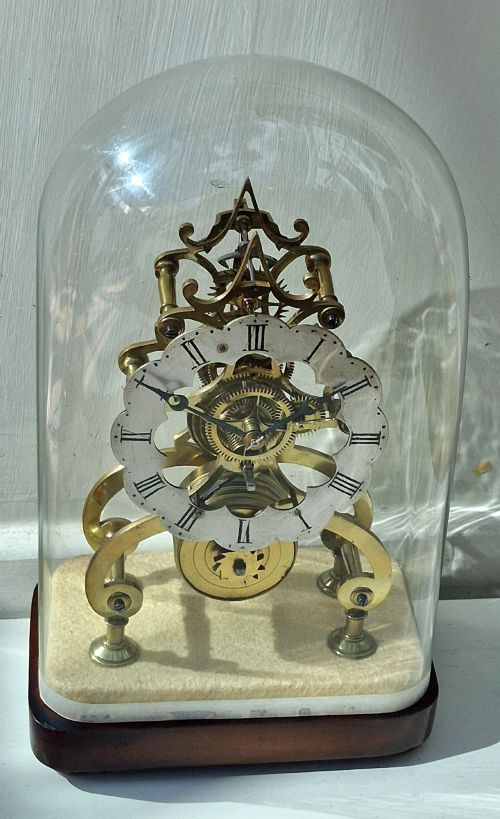
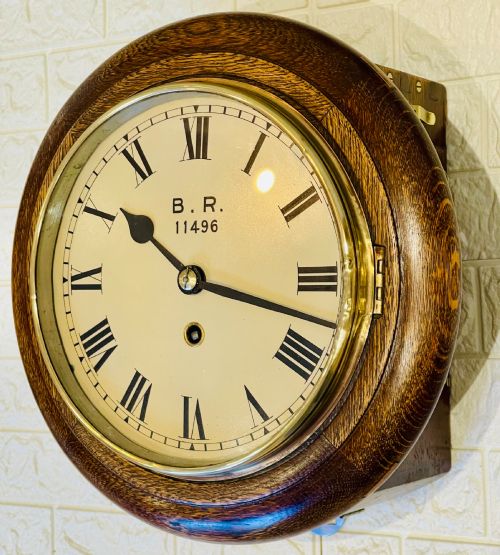
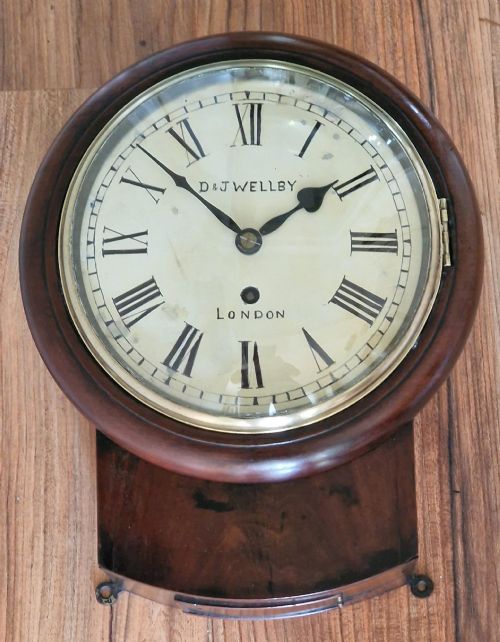
A vintage fusee clock combines traditional timekeeping mechanics with traditional cabinetry, appearing across wall, bracket, table and library formats. These timepieces originate from the nineteenth century, the Victorian era, the interwar British military period and the year nineteen twenty.
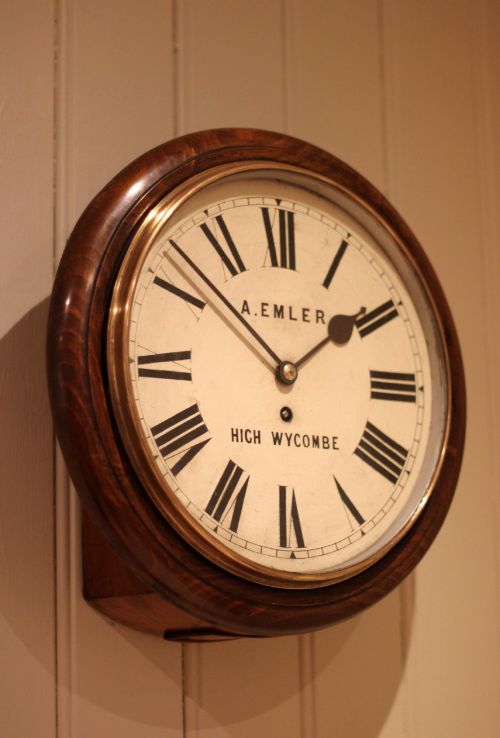
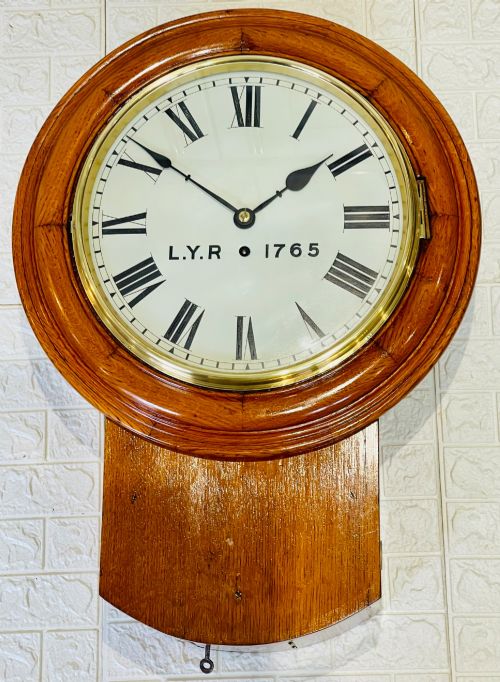
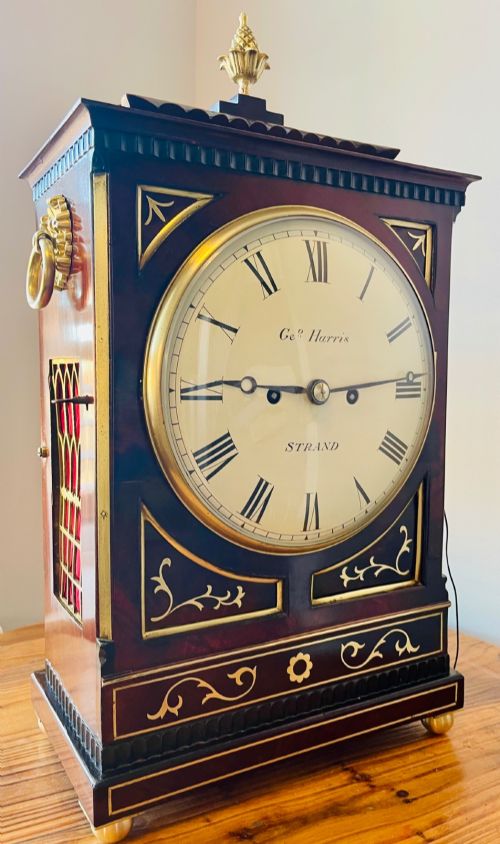
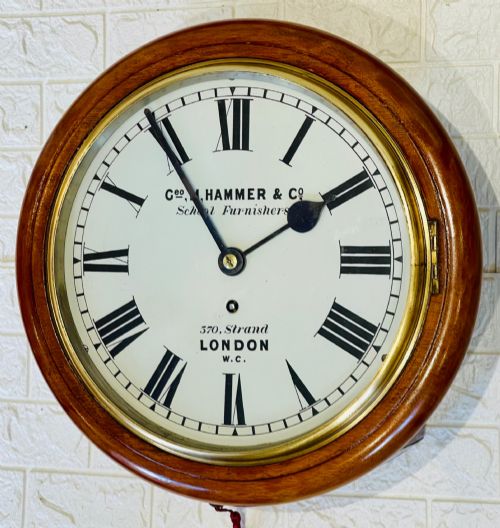
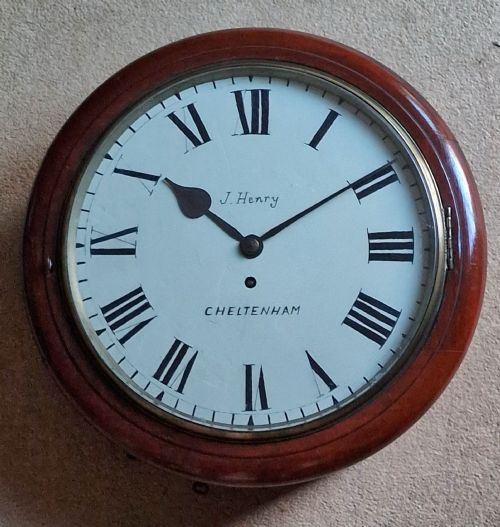
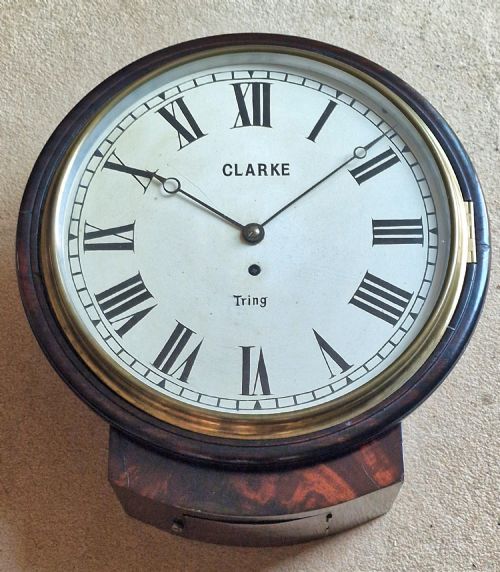
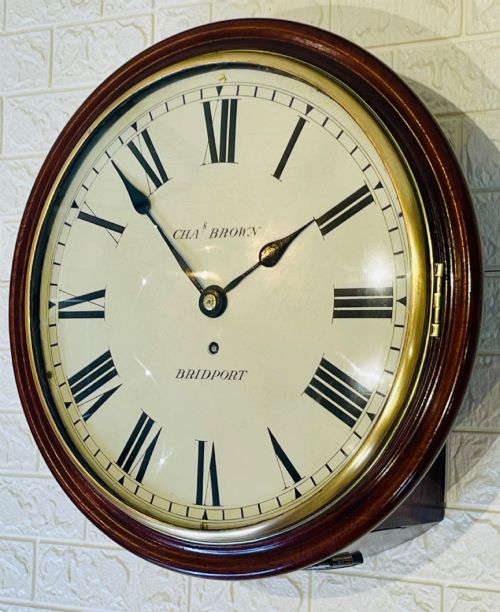
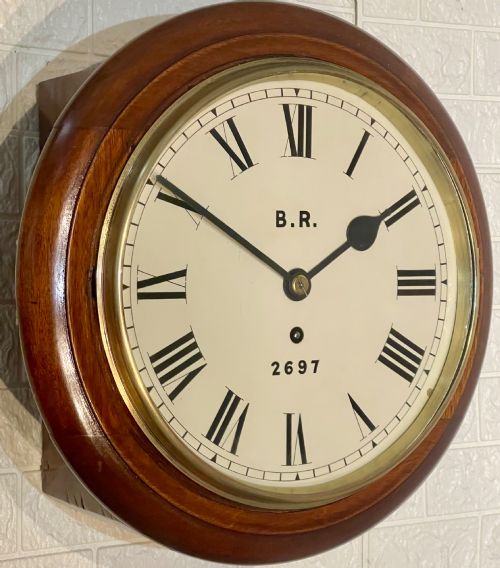
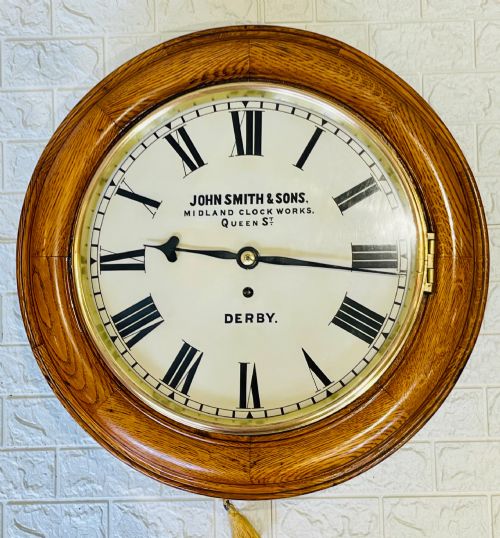
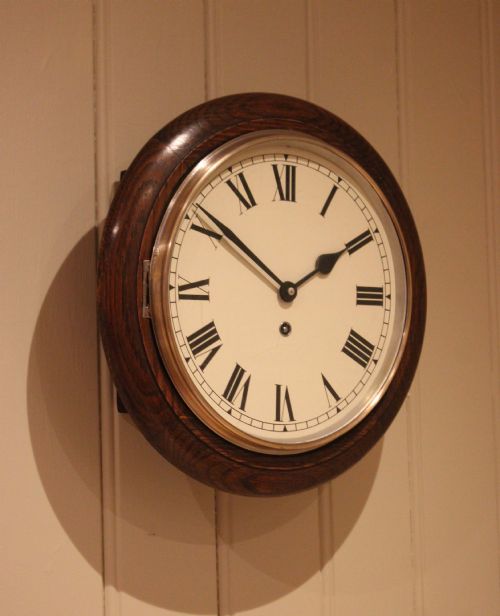
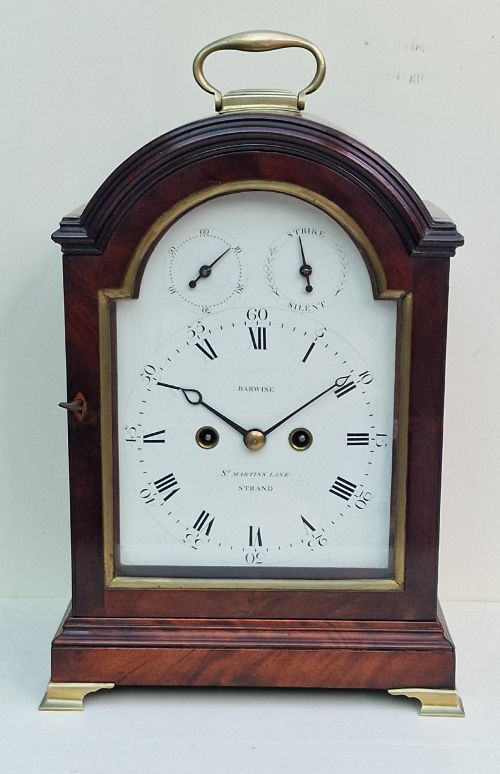
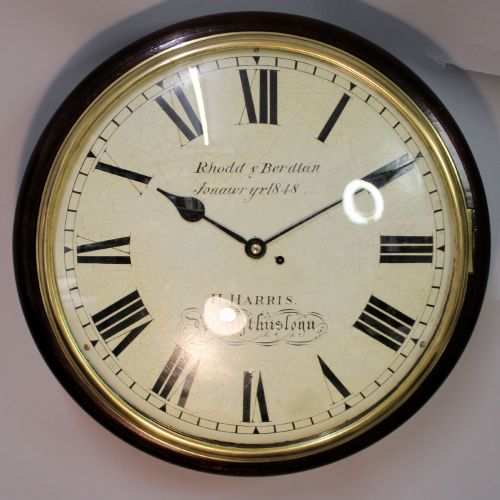
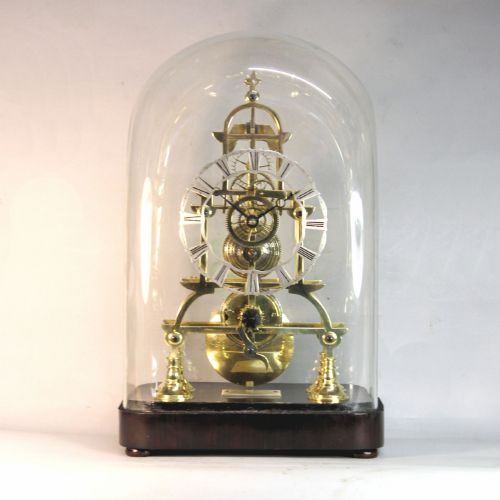
The wall clock variation is the most frequent form encountered on this page, housed in circular timber surrounds with glazed fronts. Table and bracket variations also appear, offering alternative domestic placements in mahogany and rosewood housings.
Materials and construction
Cases utilise dense timbers, specifically mahogany and rosewood, shaped into wall surrounds, balloon table forms and library clock housings. These wooden structures incorporate brass bezels, glass viewing covers and dial faces finished in enamel and painted metal.
Internal mechanisms rely on steel components paired with brass wheel trains and chain fusee assemblies. Movements include standard going trains alongside specialised year running configurations.
Retail Price Guide 2026
Typical UK retail prices for vintage fusee clock, calculated from the Sellingantiques database of over a million retail prices indexed since 2003. This retail price guide relies exclusively on Sellingantiques data; no external sources or auction records are used, so the figures do not describe the wider market.
Distinctions in standard
Quality differences rest in the sophistication of the movement and the integrity of the housing construction. A year going movement represents a higher tier of mechanical complexity compared to standard configurations.
Cabinetry finish and dial legibility also separate ordinary examples from superior pieces. Crisp enamel or painted metal dials paired with well-figured mahogany or rosewood cases indicate finer workshop execution.
Joseph Jump of London·Atkins of Warwick
The Vintage Fusee Clock Glossary
- Fusee
- A conical pulley designed to equalise the declining pull of a mainspring as it unwinds. This mechanism maintains even force across the gear train for improved accuracy.
- Dial
- The visible face of the clock where the hours and minutes are displayed. These surfaces employ materials such as enamel and painted metal.
- Bracket clock
- A portable timekeeper originally designed to sit on a wall bracket or table surface. These pieces often feature wooden cases in mahogany or rosewood.
- Library clock
- A medium-sized timekeeper suited for placement on desks or shelves. They share mechanical principles with bracket and table clocks.
Frequently Asked Questions
What is a fusee clock?
A fusee clock is a mechanical timepiece that uses a conical pulley and chain system to regulate the power delivered from the mainspring. This design ensures the force remains constant as the spring winds down.
Such movements appear in various formats including wall clocks, bracket clocks and library timepieces. They are housed in timber cases featuring brass and glass elements.
How do I wind a fusee clock?
Winding requires inserting a key into the dial face and turning it carefully until the spring reaches tension. The internal chain winds back onto the conical fusee drum during this action.
Care should be taken to follow the specific instructions for the movement type, especially on examples with extended power reserves or specialised mechanisms.
Where were these clocks placed?
Wall clocks were typically hung in public rooms, offices and military installations to provide clear time visibility. Dial wall clocks with brass surrounds suit this utilitarian placement.
Table, bracket and library clocks were designed for placement on flat surfaces such as desks, mantelpieces and shelves within domestic interiors.
How do I identify the period?
Dating relies on examining the case timber, dial style, maker signatures and mechanical configuration. Materials like mahogany and rosewood appear alongside Victorian and interwar design traits.
Inscribed names on dials or movements, such as those from London makers or regional workshops, provide direct evidence of origin and date.