


Royal Air Force Clock
These royal air force clock pieces are military timekeepers from the interwar and mid-twentieth century periods, prized for their disciplined design and robust engineering.
What royal air force clock pieces are
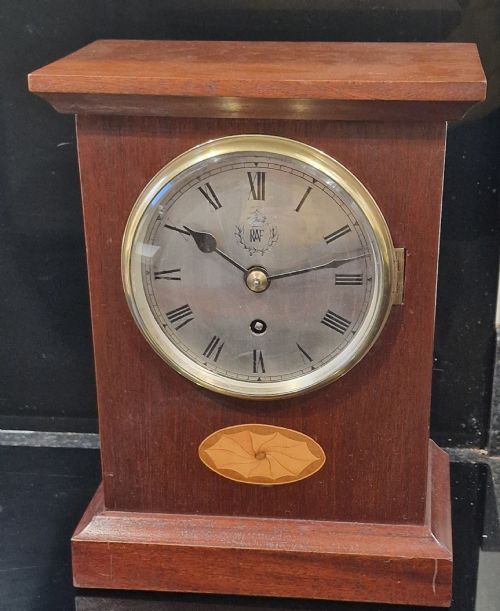
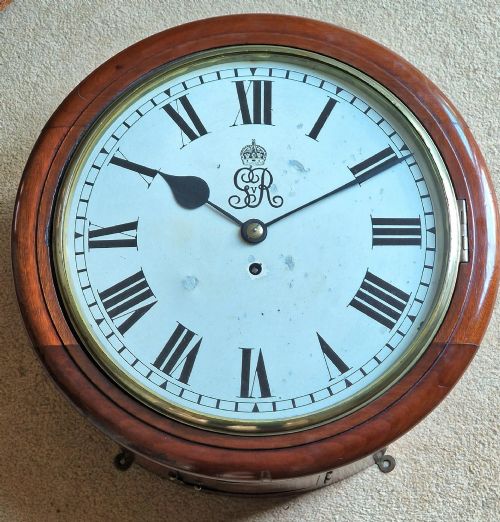
A royal air force clock is a purposeful timekeeper built for military service, appearing on this page in wall and mantel configurations. These pieces originate principally from the nineteen-thirties and nineteen-forties, reflecting intense operational demands.
The dominant forms on this page are dial wall clocks and officers mess clocks. These instruments served vital functions in barracks, messes and operational rooms during the interwar and Second World War periods.
Most examples date from the nineteen-forties, while interwar pieces from the nineteen-twenties provide earlier precedents. Buyers encountering these items find genuine military issue pieces designed for legibility and endurance.
How they were made
Cases combine sturdy timbers like mahogany, satinwood and oak with functional brass bezels and protective glass faces. Painted metal dials provide high-contrast legibility under varied lighting conditions.
Movements rely on traditional mechanical engineering, notably fusee mechanisms that ensure even tension and precise timekeeping. Cabinetmakers and horologists constructed these housings to withstand demanding military environments.
Retail Price Guide 2026
Typical UK retail prices for royal air force clock, calculated from the Sellingantiques database of over a million retail prices indexed since 2003. This retail price guide relies exclusively on Sellingantiques data; no external sources or auction records are used, so the figures do not describe the wider market.
Even the most punctual officer had to rely on a brass bezel to keep the mess hall running on time.
What varies in quality
Quality separates through the refinement of the movement and the integrity of the cabinet timber. Superior examples feature signed fusee movements by reputable makers housed in finely grained mahogany or oak cases.
The crispness of dial lettering and the preservation of original painted metal surfaces distinguish high-grade pieces. Lesser variations involve standard movements or replacement components that lack the original military provenance.
F W Elliott
The Royal Air Force Clock Glossary
- Fusee clock
- A mechanical clock driven by a chain or cord wound around a conical drum, which equalises the declining power of the mainspring. This mechanism ensures consistent accuracy throughout the running period.
- Dial wall clock
- A circular timepiece designed to be mounted directly onto a wall, featuring a prominent face for immediate legibility. These clocks were standard issue for administrative and operational spaces.
- Officers mess clock
- A specialised timekeeper designated for communal dining and relaxation areas of military officers. These often feature superior timber cases compared to standard utility models.
- Brass bezel
- The metal ring, usually hinged and glazed, that holds the glass protecting the dial. Brass was chosen for its durability and resistance to tarnishing in service.
Frequently Asked Questions
How do I identify a genuine royal air force clock?
Authentic pieces typically feature military issue markings, specific dial typography, and robust construction details consistent with the nineteen-twenties through the nineteen-forties. Examining the movement and case materials helps verify the period.
Look for established horological signatures on the dial or movement backplate to confirm the origin.
Where were these clocks originally used?
These timekeepers were deployed across various military installations, including officers messes, operational rooms, and administrative offices. They coordinated daily routines and strategic schedules.
Their sturdy build ensured reliable service in demanding garrison environments.
How should I care for a mechanical military clock?
Keep the clock away from direct sunlight, major temperature fluctuations, and damp environments to protect the wooden case and metal components. Regular professional servicing ensures the mechanical movement continues to function properly.
Wind the clock with care, following the specific requirements of the fusee or spring-driven mechanism.
What timber types are typical for these clock cases?
Cases are predominantly constructed from dense, durable hardwoods such as mahogany, oak, and occasionally satinwood. These materials were selected for their structural stability and resistance to warping.
The choice of timber often reflects the specific grade and intended location of the clock within the military establishment.