





Antique Military Clock
An antique military clock brings purposeful engineering and robust service history straight into a room.
Antique Military Clock
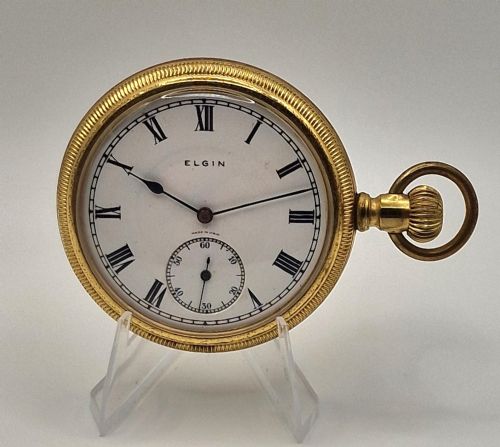
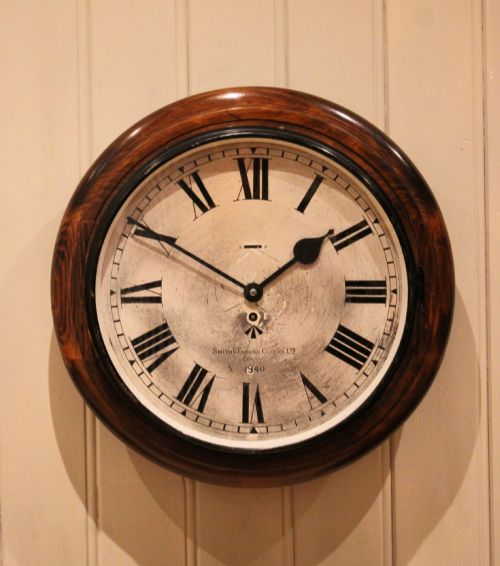
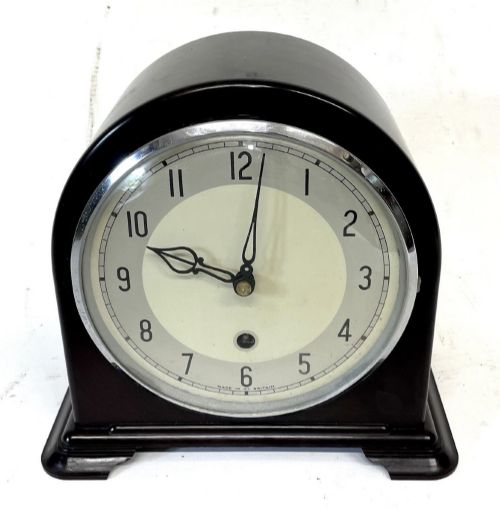
When you search for an antique military clock, you encounter precision timepieces created for the armed services, alongside formal decorative mantel pieces that draw on military themes. These objects range from heavy dial wall clocks hung in officers' messes to portable pocket watches and cockpit timepieces issued during active service.
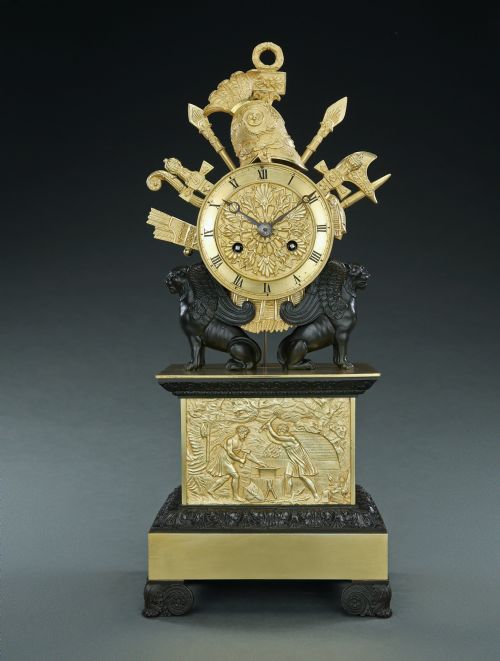
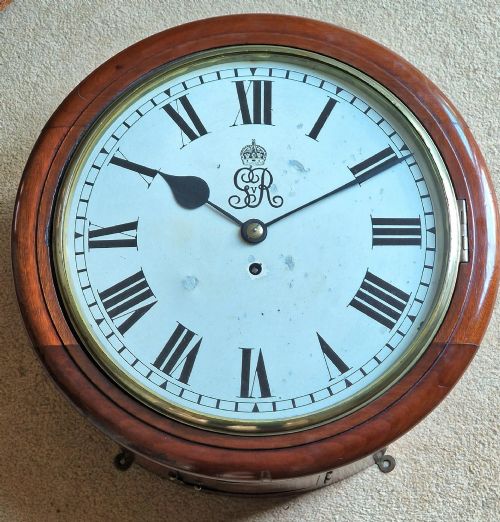
You are most likely to meet wall-mounted dial clocks bearing military markings, alongside French Empire mantel pieces from the nineteenth century featuring martial trophies and bronze mounts. The selection spans the nineteenth century, the Regency period, and the twentieth century up to the 1940s.
The assortment includes practical ministry-issued pieces housed in oak or beech cases alongside decorative bronze and marble clocks. Forms encompass wall clocks, mantel clocks, bracket clocks, and pocket watches.
Materials and construction methods
Cases combine sturdy timbers like mahogany, oak, and beech with robust metal elements including brass, steel, patinated bronze, and gilt bronze. Wall clocks and dial clocks utilise protective glass faces over clear enamel dials.
Movements range from eight-day striking mechanisms in bracket clocks to fusee movements in large dial wall clocks, paired with specialised instruments designed for cockpit or pocket use.
Keep an eye out for First World War novelty mantel clocks that bring an unexpected touch of levity to military history.
Factors that distinguish quality
Quality rests upon the crispness of the casting on bronze and gilt bronze mantel pieces, and the clarity of service markings on dial clocks. The retention of original components, from the glass bezel to the enamel face, dictates the integrity of the piece.
Cabinetwork varies from utilitarian wartime beech and oak housings to finely carved nineteenth-century marble and bronze structures. The presence of documented military service details or maker signatures elevates the standing of an item.
Elgin·F W Elliott·Elliott Brothers
The Antique Military Clock Glossary
- Fusee
- A conical pulley used in clock movements to maintain an even pull on the gear train as the mainspring unwinds. This mechanism is frequently found in high-grade dial wall clocks.
- Dial Clock
- A wall-mounted timepiece featuring a prominent circular face, commonly utilised in offices, messes, and government buildings. They often display ministry or military department markings.
- Gilt Bronze
- Metalwork coated with a thin layer of gold, providing a bright finish seen on decorative French Empire mantel clocks. It is also known as ormolu.
- Bracket Clock
- A portable household clock designed to sit on a bracket or table, housing an independent striking movement within a wooden case.
- Patinated Bronze
- A dark, treated surface finish applied to bronze sculptures and clock mounts, protecting the metal while adding depth to martial motifs.
Antique Military Clock: Frequently Asked Questions
What is an RAF dial wall clock?
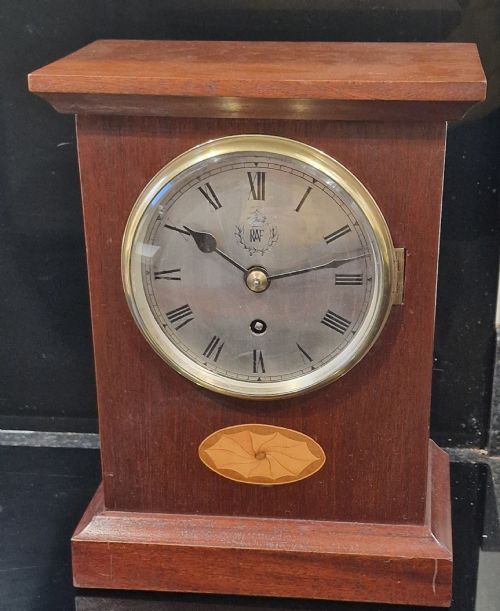
An RAF dial wall clock is a dependable timepiece issued for use in Royal Air Force stations and officers' messes during the twentieth century. These clocks were built for clear legibility and reliable timekeeping under demanding service conditions.
They typically feature a wooden case made of oak or beech, a protective glass cover, and a bold enamel dial designed to be read easily from a distance.
How do French Empire military clocks differ from service clocks?
French Empire military clocks are decorative mantel pieces created in the nineteenth century rather than pieces issued for active military duties. They celebrate martial themes through bronze and marble figures, often depicting trophies of war or historical alliances.
Service clocks prioritize functional utility, sturdy wooden cases, and clear legibility, whereas Empire pieces focus on ornamental casting and classical architectural styling.
Where were cockpit watches used?
Cockpit watches were specialised timepieces mounted within aircraft instrument panels during the early twentieth century. They allowed pilots and flight crews to track elapsed time accurately during missions.
These compact instruments were engineered to withstand vibration and temperature changes while maintaining precision performance.
How should I care for an antique wooden bracket clock?
An antique wooden bracket clock requires a stable environment away from direct sunlight, central heating vents, and damp conditions. The wooden case benefits from occasional dusting with a soft, dry cloth without harsh polishes.
Mechanical movements require professional servicing by a qualified clockmaker every few years to keep the gears running smoothly and prevent wear on the brass components.