
Mahogany Clock
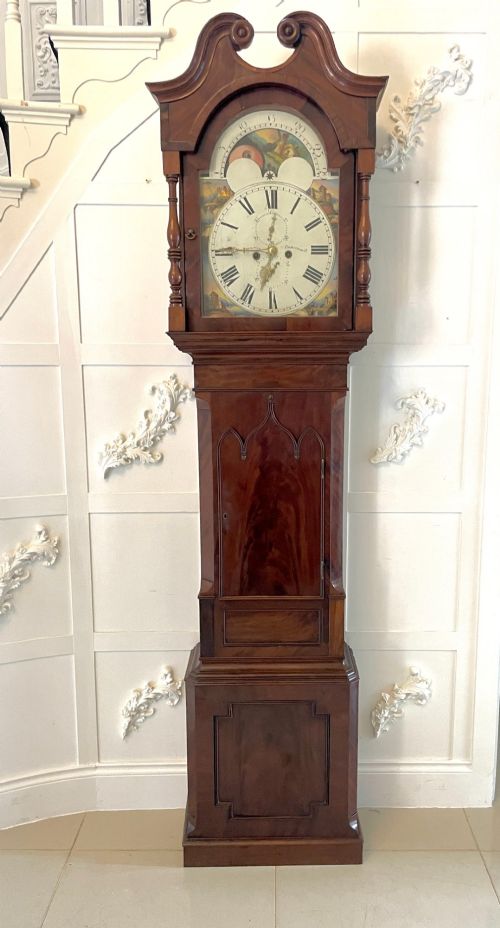
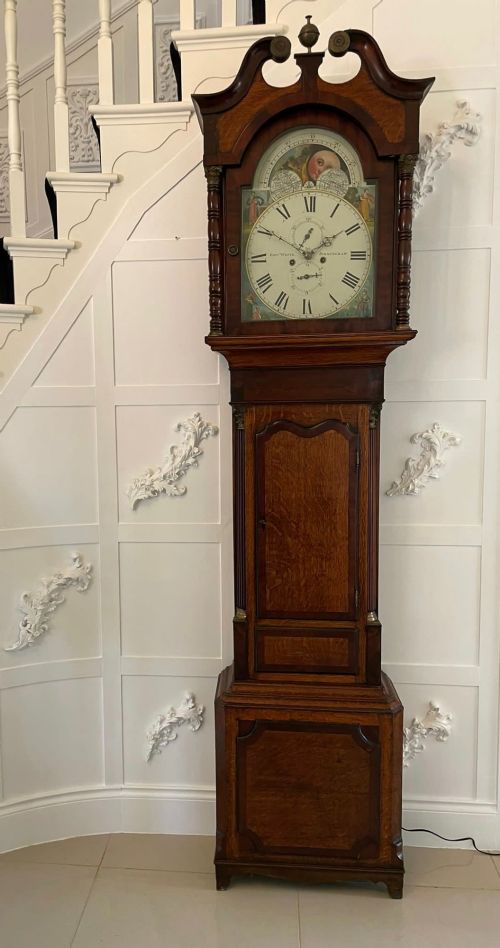
A mahogany clock brings a rich timber warmth and precise mechanical movement to a room, ranging from grand floor-standing longcases to compact wall dials.
Mahogany Clock
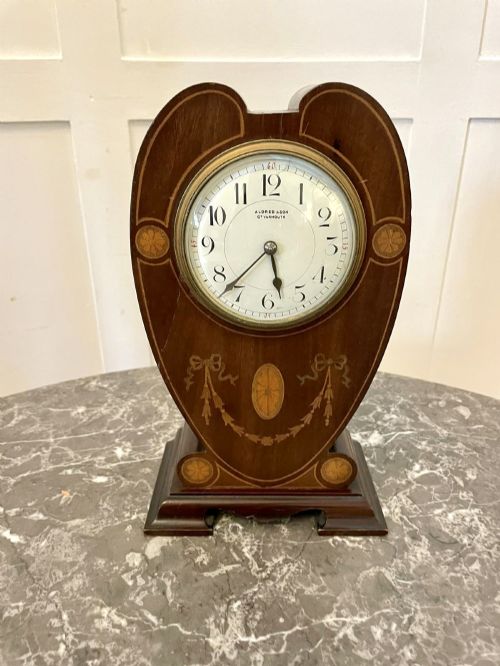
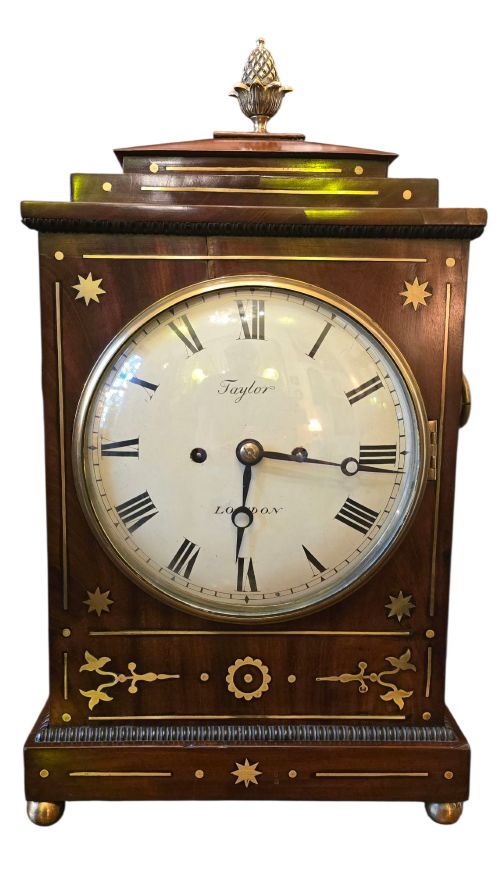
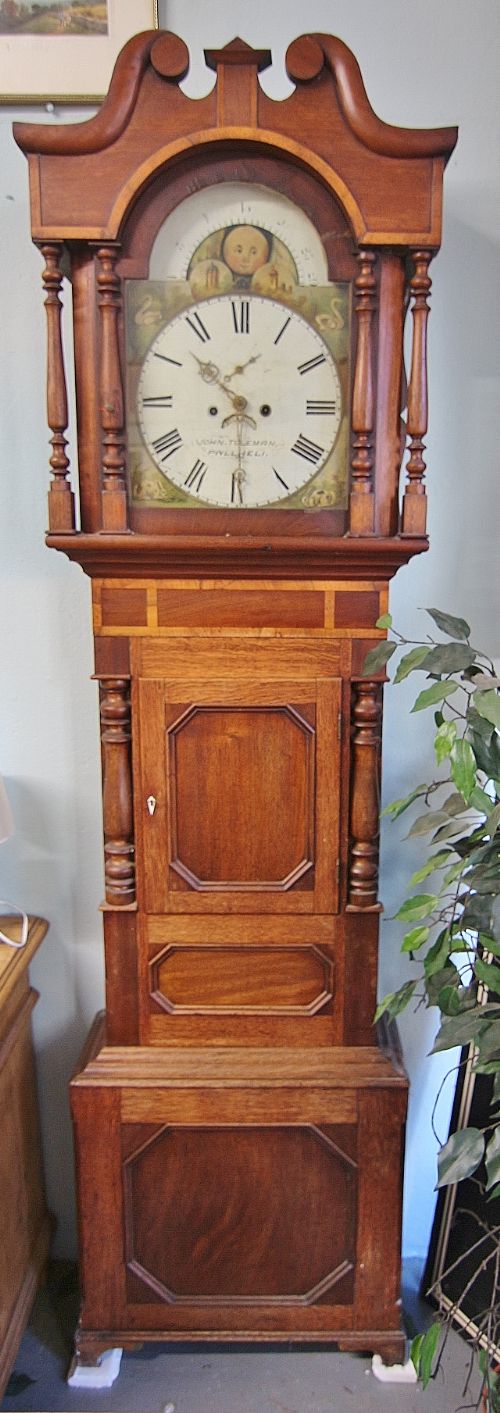
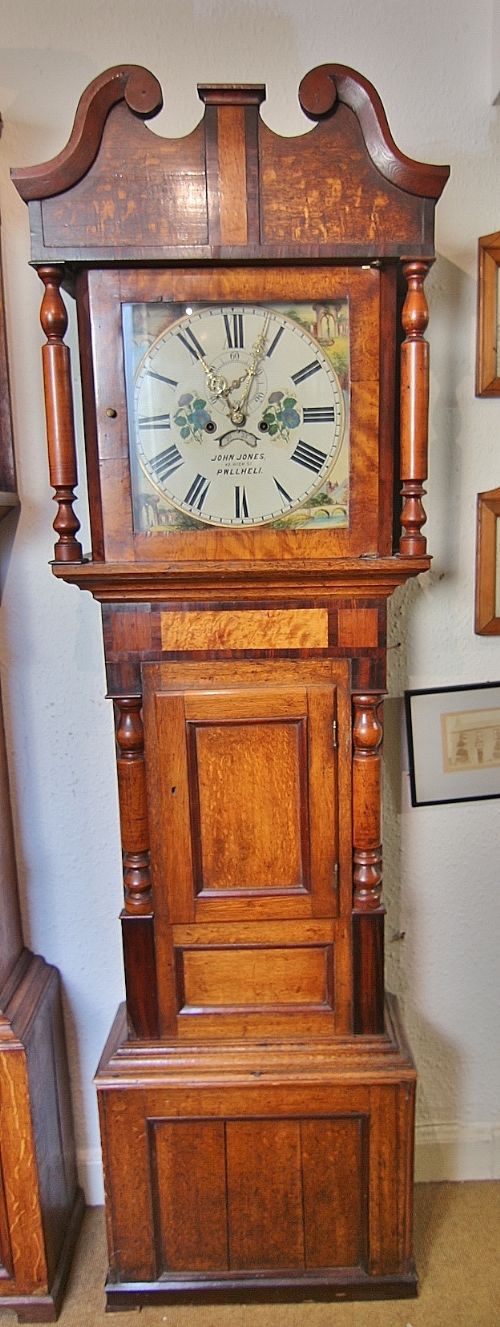
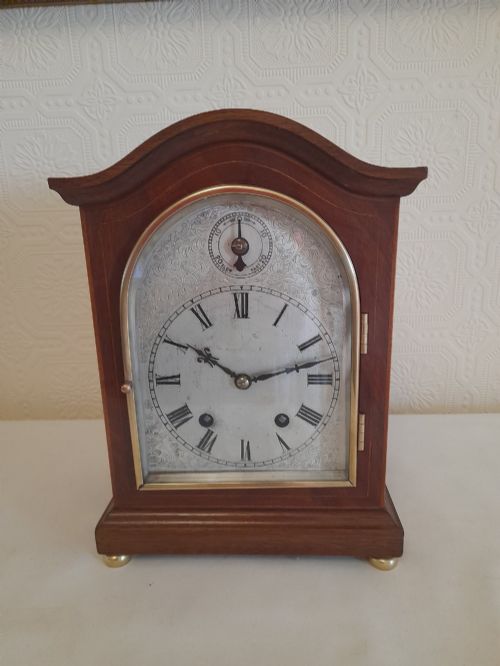
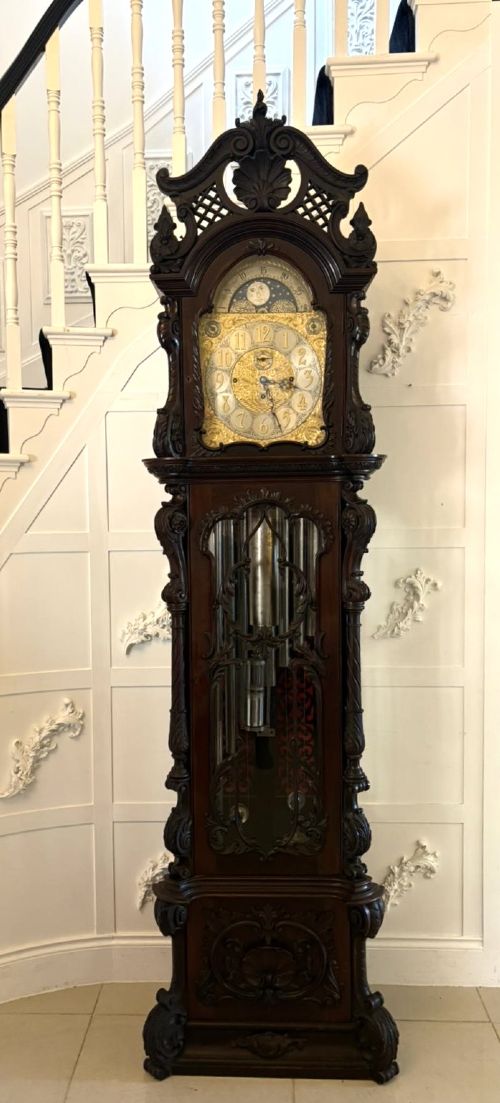
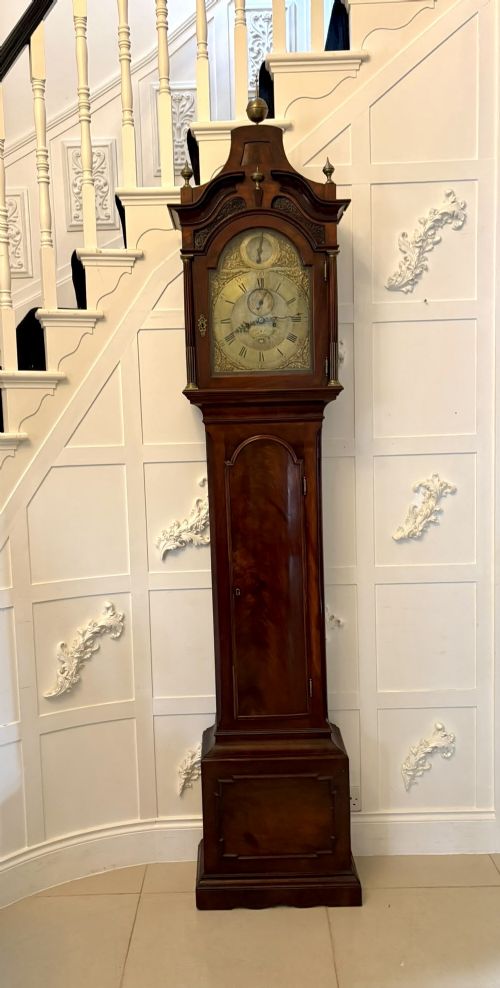
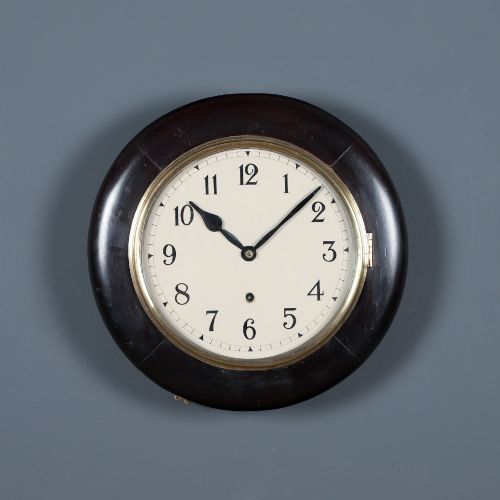
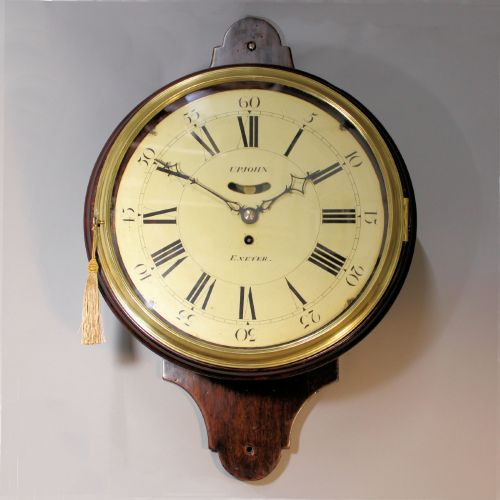
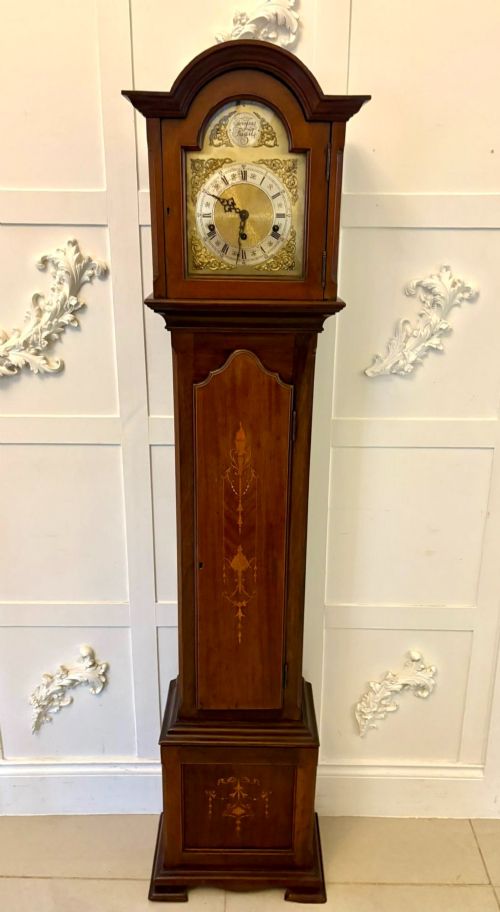
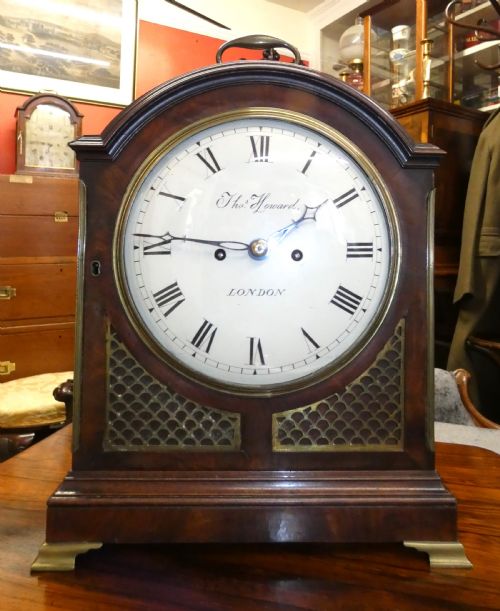
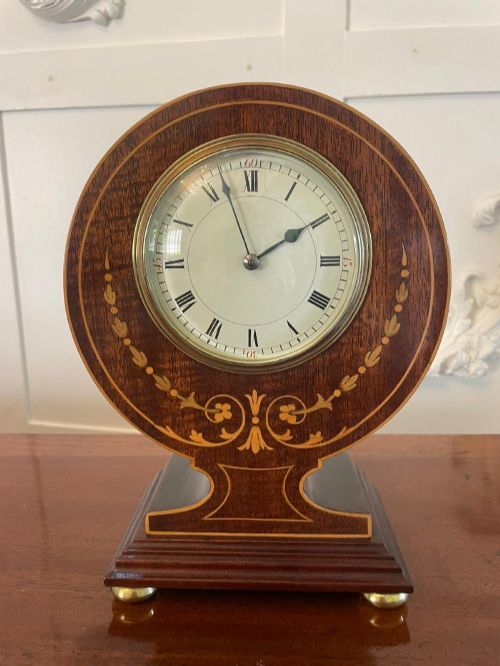
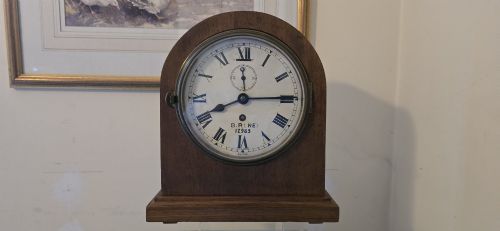
A mahogany clock encompasses tall floor-standing longcase examples, sturdy wall dials, and compact bracket or mantel pieces built across several centuries. When exploring a mahogany clock selection, the buyer encounters everything from Georgian and Victorian grandfather clocks to Edwardian mantel timepieces and railway wall dials.
The regional diversity within these listings spans English workshops in London and Birmingham alongside Scottish longcase makers from Aberdeen to Dumfries, plus distinct Welsh longcase traditions. These variations in regional case design and dial work give each mahogany clock its specific character and local provenance.
Materials and construction
Cabinet makers utilised dense mahogany timber, sometimes accented with satinwood inlay or combined with oak secondary woods, housing intricate brass and steel clockwork movements behind glass dials. Dial faces frequently incorporate painted enamel, engraved silvered metal, or brass arch designs driven by weights or spring-powered fusee movements.
Movements range from standard eight-day timepieces to quarter-striking ting-tang mechanisms, moon phase displays, and complex chime configurations. The integration of robust wood cases with precise brass gear trains ensured long-term reliability for domestic, station, and office environments.
Listings span the eighteenth, nineteenth, and twentieth centuries, incorporating oak, brass, glass, enamel, and satinwood alongside primary mahogany.
Assessing quality and craftsmanship
The distinction between standard examples and exhibition-grade pieces rests in the crispness of timber carving, the subtlety of wood grain figure, and the refinement of the dial execution. Superior makers invested heavily in hand-engraved brass chapter rings, intricate dial subsidiary work, and substantial architectural case proportions.
Movement sophistication also dictates value, with complex fusee mechanisms, chime trains, and signed dial work by notable horologists separating ordinary production from masterwork standard. Original components and untampered dial signatures hold greater weight among collectors than later replacement parts.
Taylor of London·John Taylor London·Edward White Birmingham·Thomas Howard London·Richard Jones of Hereford·Charles Shuckburgh London·Hendrie Ogg Dunfermline·Gordon of Aberdeen·Mercer of London·Thomson of London·Gillett & Johnston of Croydon·Green of Edinburgh·John Ellicott of London·D. Straiton Montrose·Camerer Cuss & Co London·Tait Peebles·James Field of Hempstead·Robb Montrose·Upjohn of Exeter
The Mahogany Clock Glossary
- Fusee
- A conical pulley used in spring-driven clocks to maintain even tension on the gear train as the mainspring unwinds. This mechanism ensures consistent timekeeping across the running period.
- Longcase clock
- A tall pendulum clock housed in a wooden case, commonly known as a grandfather clock. These standing pieces require floor placement and feature weights suspended within the trunk.
- Bracket clock
- A portable table or shelf clock, historically designed to sit on a wall bracket. They often feature carrying handles and spring-driven fusee movements.
- Verge escapement
- An early type of escapement mechanism controlling the release of the gear train via a crown wheel and pallet foliot. It represents traditional mechanical timekeeping before the pendulum took precedence.
Mahogany Clock: Frequently Asked Questions
Where should I place a longcase clock?
A longcase clock requires a stable, level floor against an interior wall to maintain pendulum equilibrium. Avoid damp areas and direct sunlight to protect the mahogany timber and interior movement.
Adequate clearance for the swinging pendulum and falling weights is essential during installation. Most tall clocks secure directly to the wall through the backboard to prevent tipping.
How do fusee wall clocks work?
A fusee wall clock relies on a spring-driven movement regulated by a spiral cone pulley. As the mainspring loses tension, the chain shifts to a wider section of the cone to equalize power.
This continuous drive system keeps the pendulum moving with uniform force for accurate timekeeping. Winding requires a key inserted through the dial face at regular intervals.
What is the difference between a bracket and mantel clock?
A bracket clock is traditionally a portable spring-driven timepiece built during the Georgian or Victorian eras with a handle for carrying. Mantel clocks emerged later in smaller domestic formats for shelf placement.
Bracket clocks frequently utilise complex fusee movements and architectural wood cases. Mantel variations often lean towards simpler time-only or striking configurations in Edwardian styles.
How do I identify a Scottish longcase clock?
Scottish longcase clocks often display distinctive regional cabinet proportions and local maker signatures on the dial. The hood designs and wood finishing frequently differ from contemporary English workshop styles.
Examining the backplate and dial signature reveals the town of origin, from Aberdeen to Montrose. Local cabinet makers utilised available regional timbers alongside imported mahogany.