
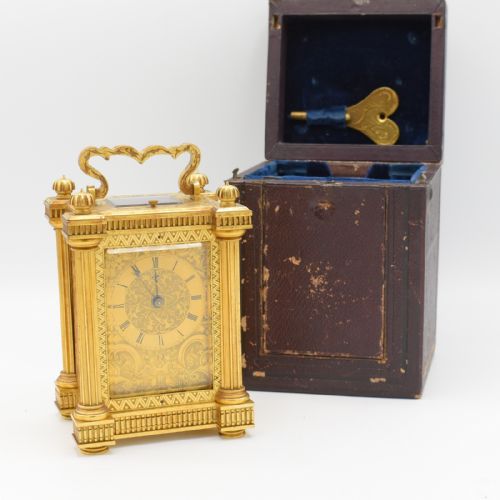
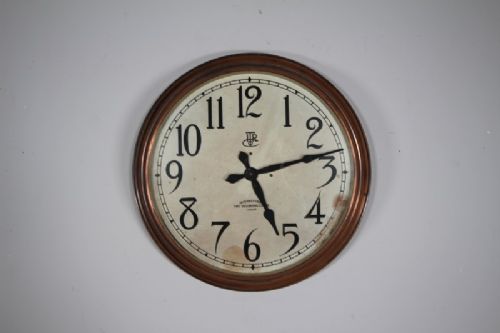
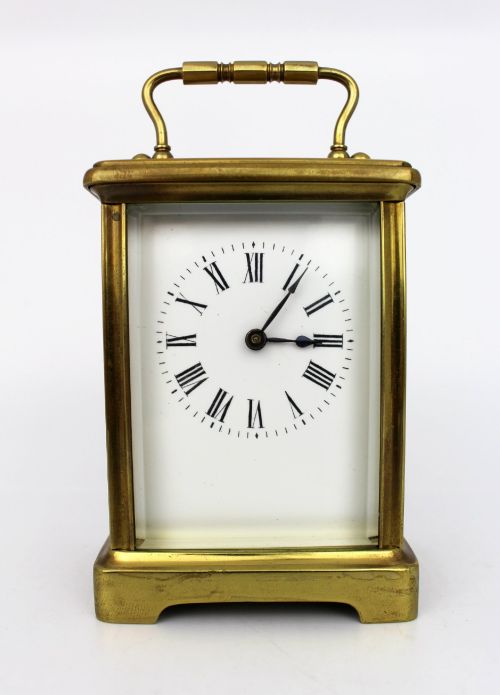

Edwardian Dial Clock
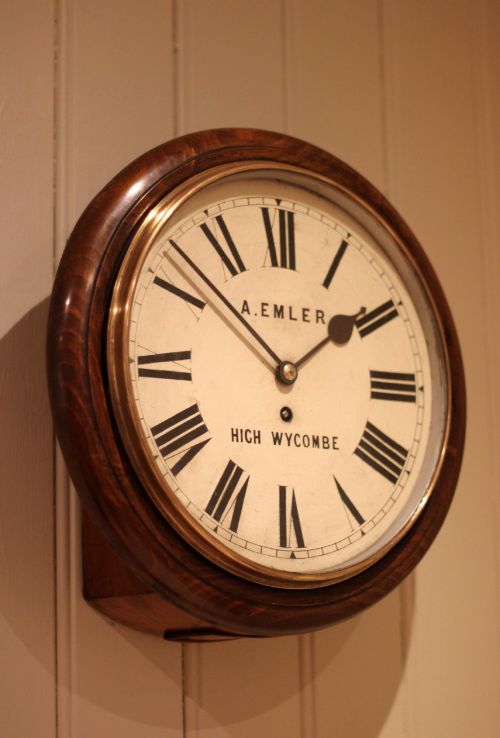
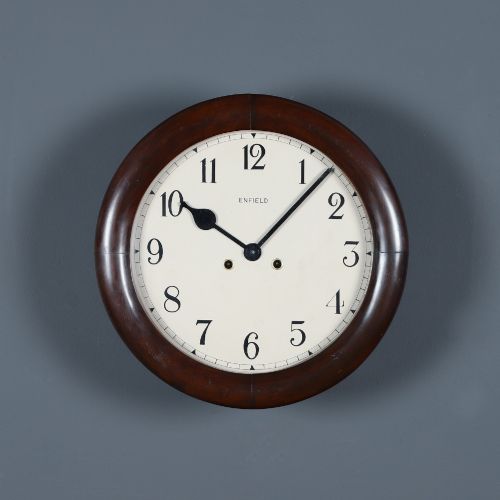
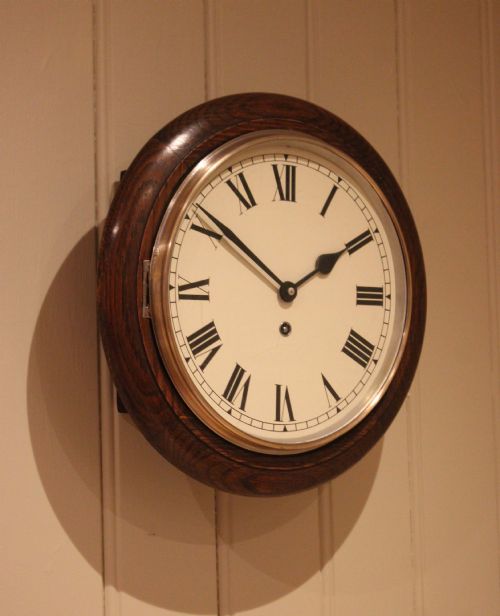
An edwardian dial clock brings functional British timekeeping into a room, offering the clean face of a railway platform or station office on the wall.
Edwardian Dial Clock
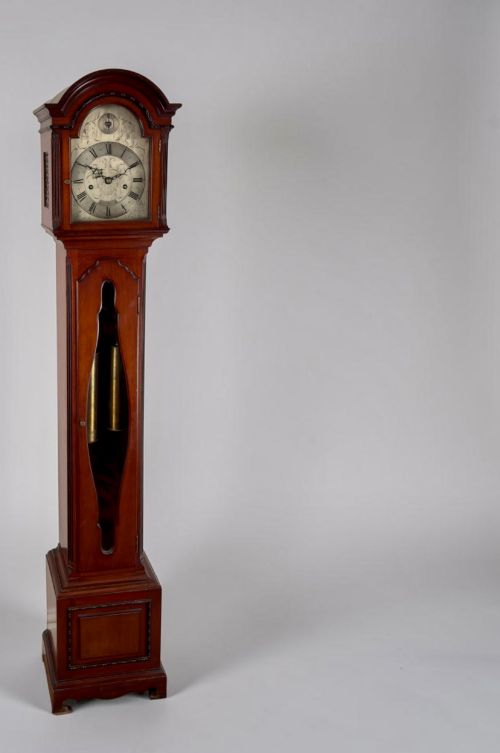
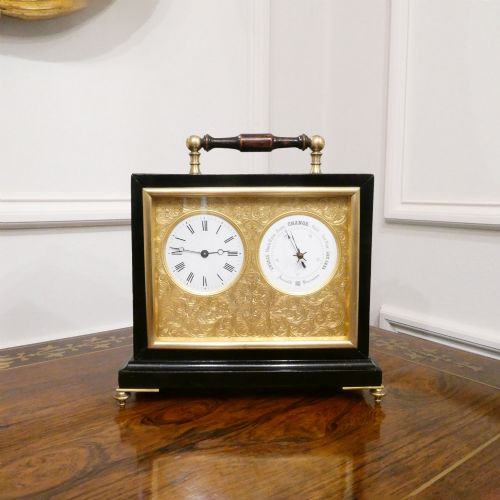
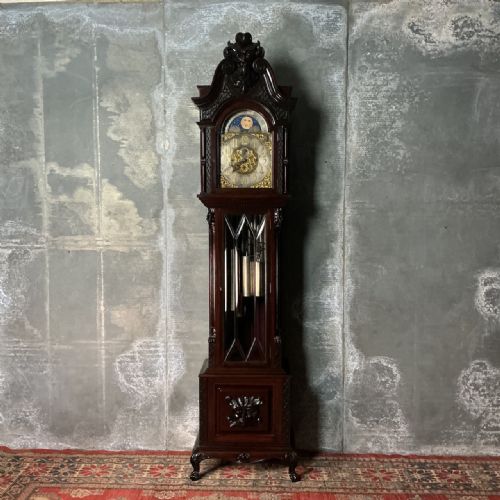
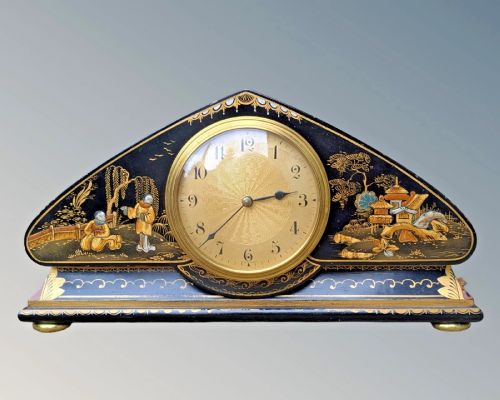
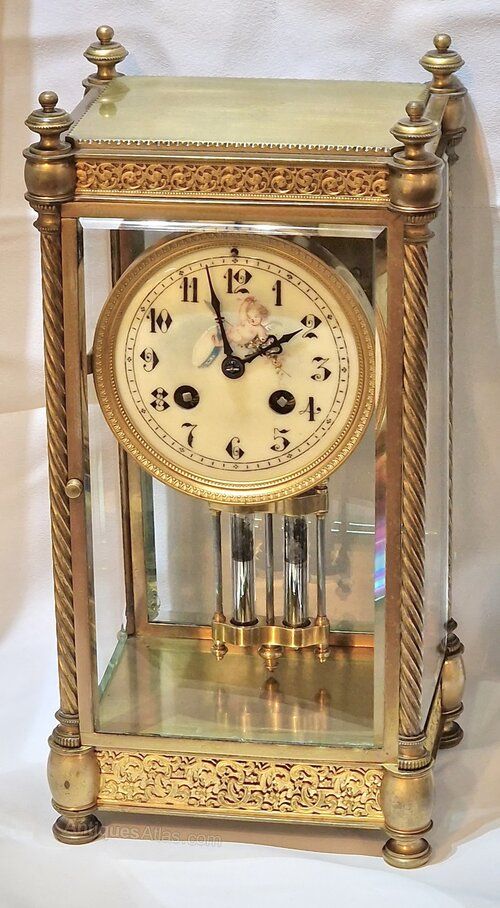
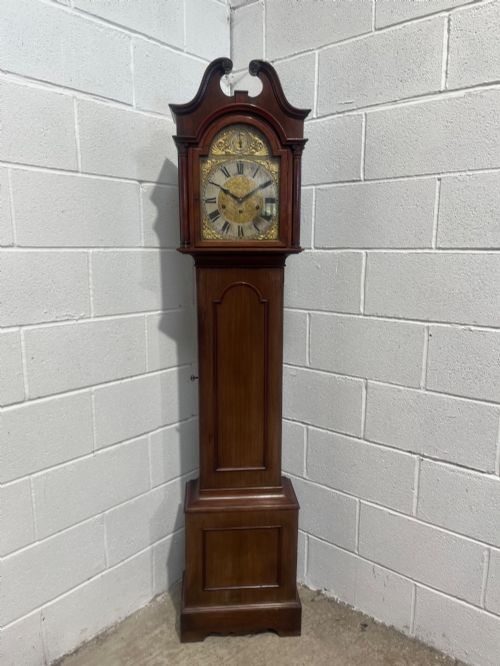
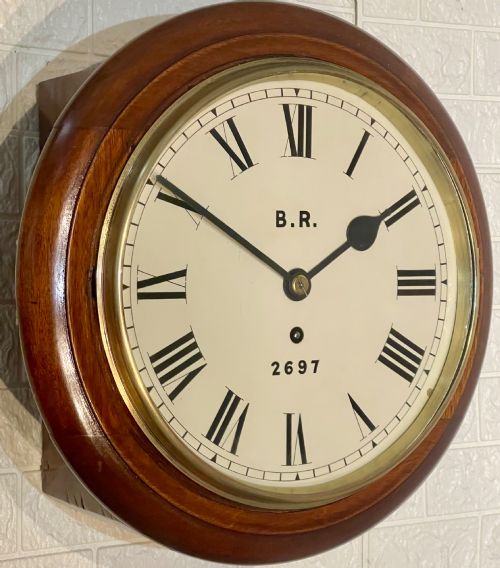
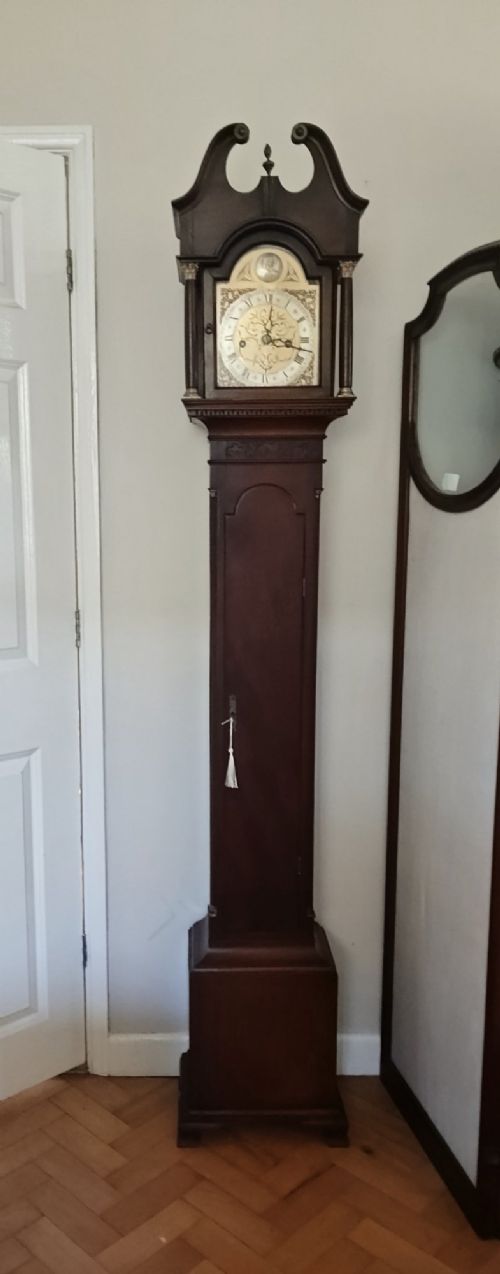
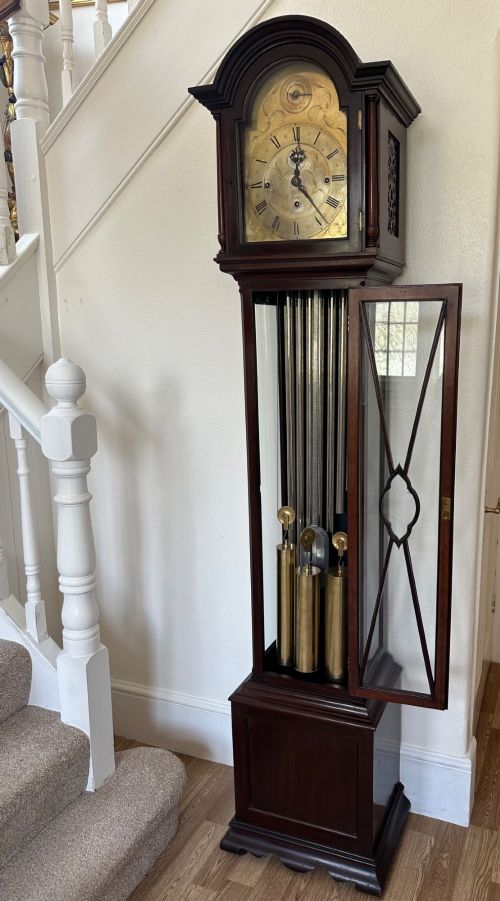
The edwardian dial clock category covers wall-mounted timepieces featuring prominent circular faces housed in timber surrounds, alongside related mantel pieces and longcase formats from the era. These items trace their origins to practical municipal, railway and domestic requirements where clear visibility mattered.
Mahogany and oak predominate the timber cases, complemented by brass bezels, glass covers and painted enamel or metal dials. Pieces frequently display specific railway or postal company stamps, connecting domestic interiors to historical transit networks.
Materials and construction
Cases combine turned solid timbers such as mahogany and oak with glass viewing covers and brass fixtures, protecting mechanical fusee or spring-driven movements. Dials utilise metal or enamel substrates with painted or applied numerals behind protective glass.
Movements rely on traditional brass gear trains, escapements and pendulum or balance wheel regulation. Dial surrounds often incorporate hinged bezels for winding and hand adjustment.
Edwardian Dial Clock Retail Price Guide 2026
Typical asking prices for edwardian dial clock among the pieces listed under this phrase on Sellingantiques today, from the lower quarter to the upper quarter. They describe what is for sale here now, not the wider market.
Listings feature wall clocks, mantel clocks, and longcase clocks constructed from mahogany, oak, brass, and glass across Victorian and Edwardian periods.
Evaluating quality in timepieces
Distinctions in standard rest on the crispness of dial lettering, the weight and finish of brass bezels, and the precision of the timber cabinetry. Makers who invested in robust fusee movements or musical complications set a higher benchmark than standard commercial models.
Condition involves the preservation of original painted surfaces, movement components and case timber without excessive replacement parts or inappropriate modern repairs.
Gillett & Johnston of Croydon·Howell & James London·D&J Wellby London·John Walker
The Edwardian Dial Clock Glossary
- Fusee
- A conical pulley used with a chain or cord to maintain even power delivery as the mainspring unwinds. This mechanism improves timekeeping accuracy across the power reserve.
- Dial
- The visible face of the clock bearing the numerals and minute markers. In this category, dials are typically round and protected by a glass bezel.
- Bezel
- The metal ring holding the glass cover over the dial. It usually opens on a hinge to allow hand-setting and winding.
- Drop dial
- A wall clock case featuring an extended lower portion below the circular dial, often housing a pendulum bob and allowing a longer drop for the weight or pendulum.
Edwardian Dial Clock: Frequently Asked Questions
How do I wind an edwardian dial clock?
Most models require a specialised key inserted into the winding hole on the dial face to tension the internal spring.
Care should be taken not to overwind the movement, stopping as soon as resistance is felt.
Where were dial clocks typically used?
These clocks served widely in railway stations, schools, offices and domestic halls where clear time reading was essential.
Railway examples often bear company lettering on the dial or stamped numbers on the wooden case.
Are fusee movements different from standard ones?
A fusee movement incorporates a conical pulley and chain to equalize the force of the mainspring as it runs down.
This technical feature helps the clock maintain a consistent rate throughout its running period.
How do I date an edwardian dial clock?
Dating relies on timber choice, dial construction, maker signatures and any railway or government stamps on the case.
Edwardian examples generally date from the period around 1901 to 1910, though similar styles extend into the 1920s.