

Wooden Pendulum Clock
These wooden pendulum clock designs span centuries, bringing rhythmic movement and timber warmth to any interior.

Wooden Pendulum Clock
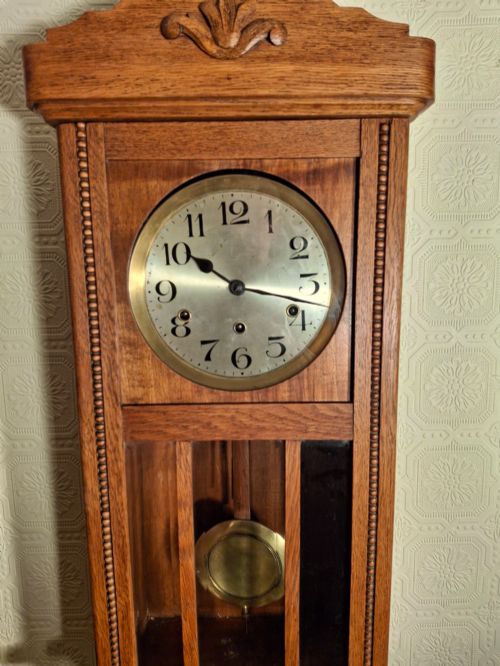
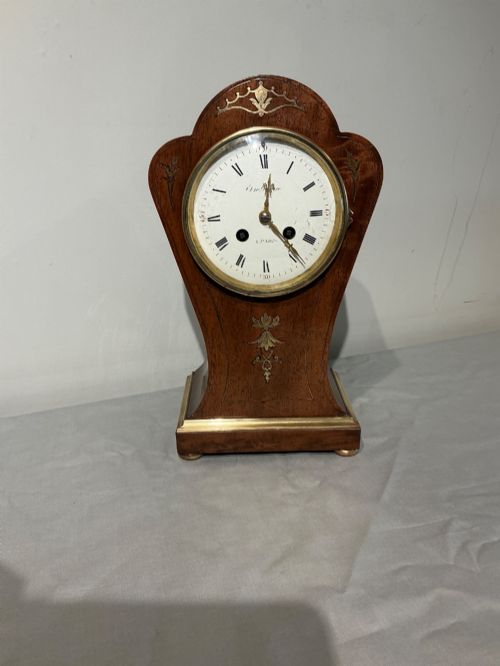
A wooden pendulum clock combines timber housing with a swinging weight mechanism to regulate timekeeping. Buyers seeking a wooden pendulum clock encounter formats ranging from tall floor-standing longcase examples to compact mantel and wall-mounted versions.
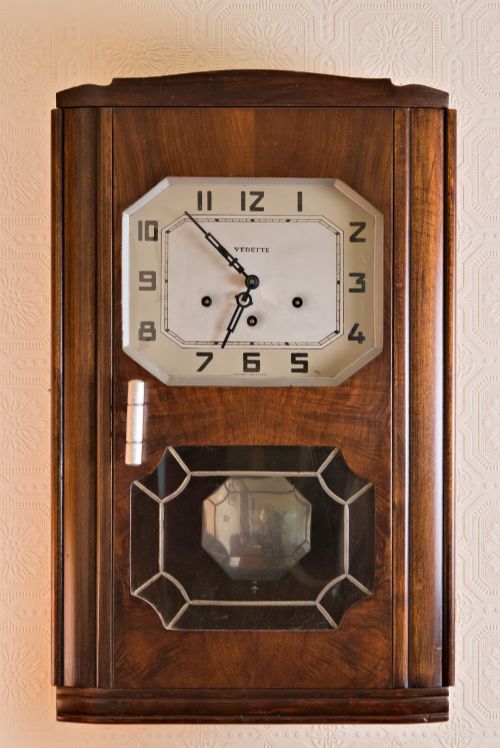
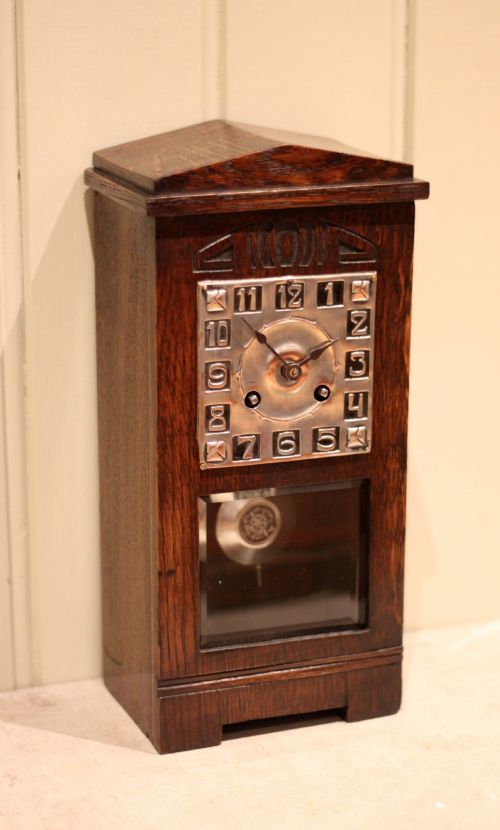
The selection spans periods from the eighteenth century through to the art deco era of the twentieth century. Mahogany, oak and walnut provide the primary wooden cases for these timepieces.
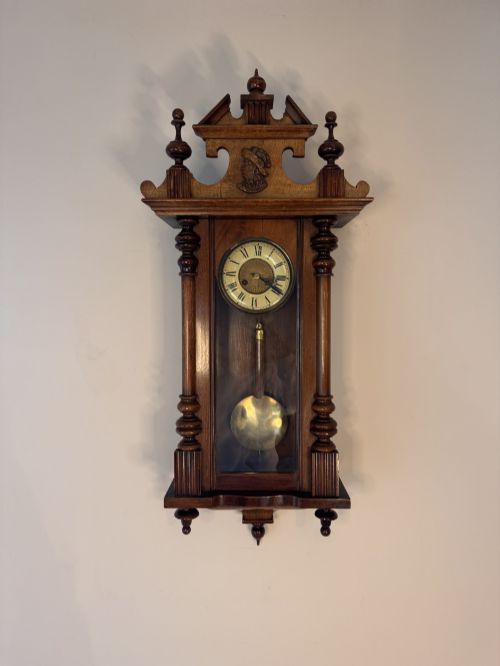
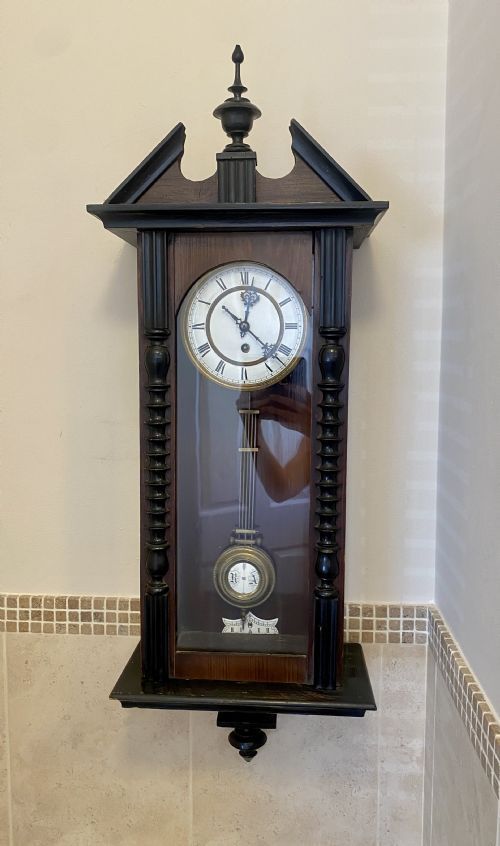
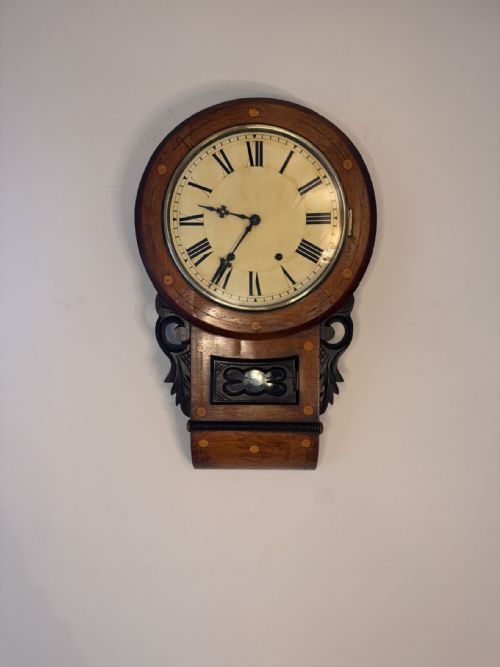
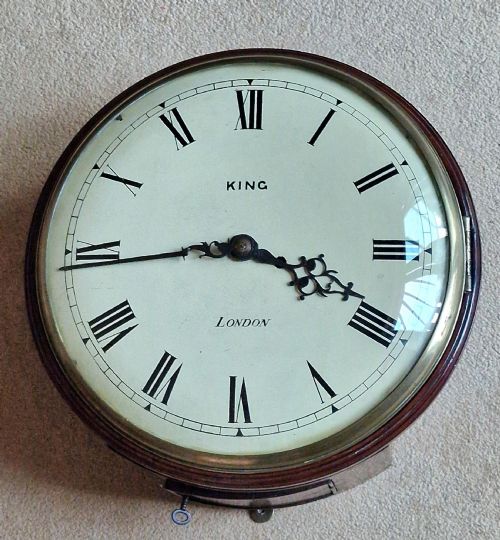
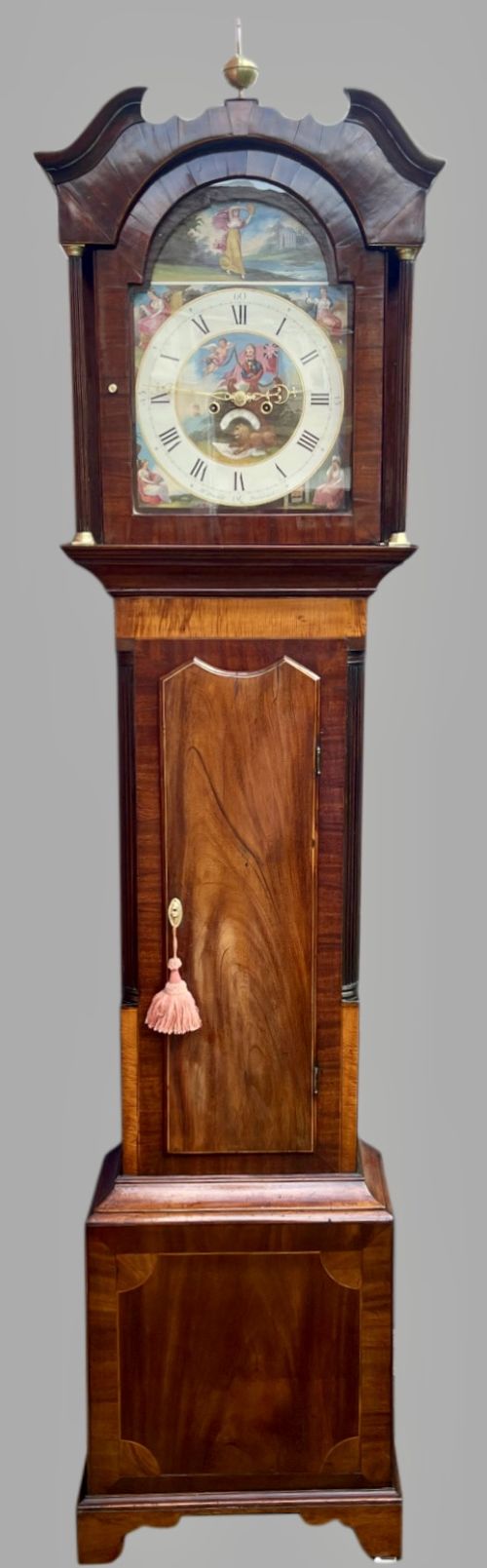
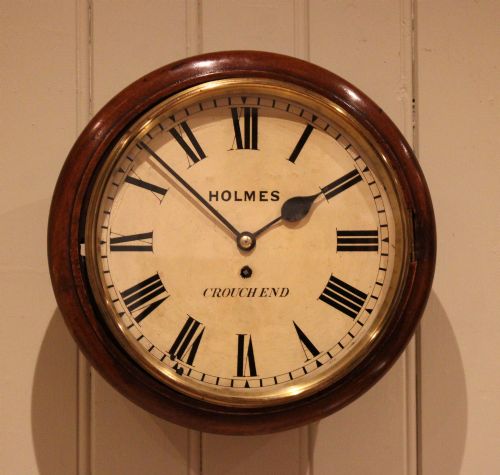
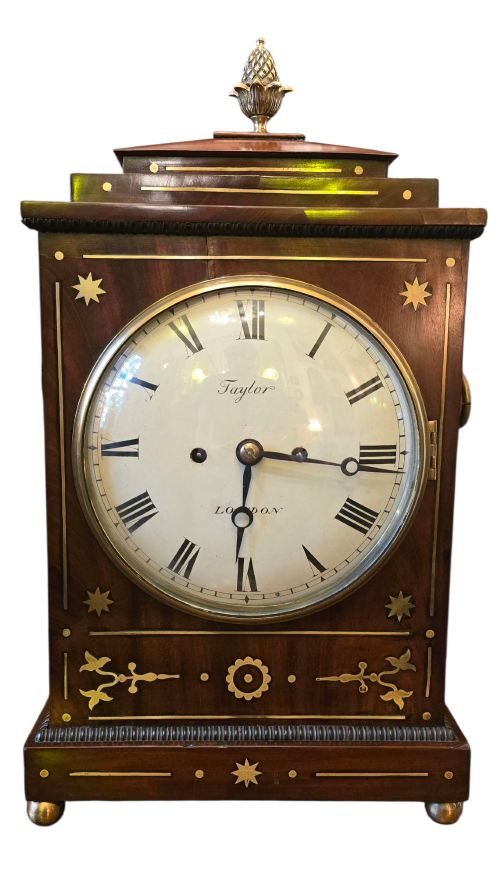
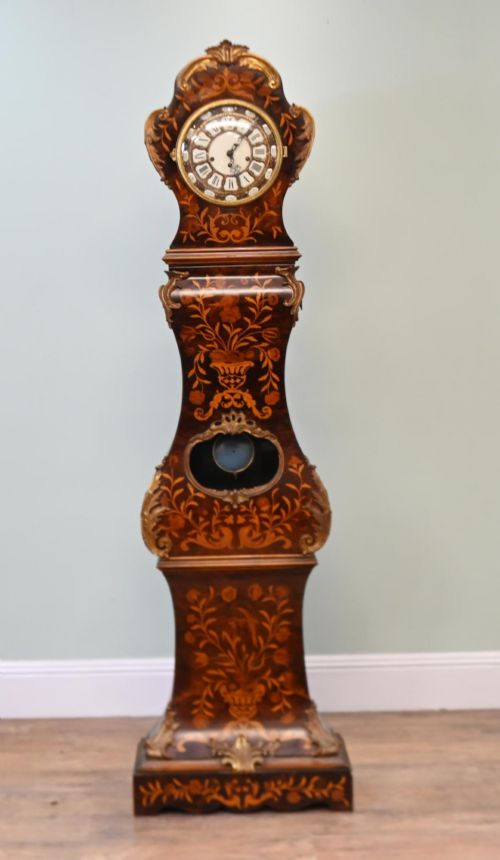
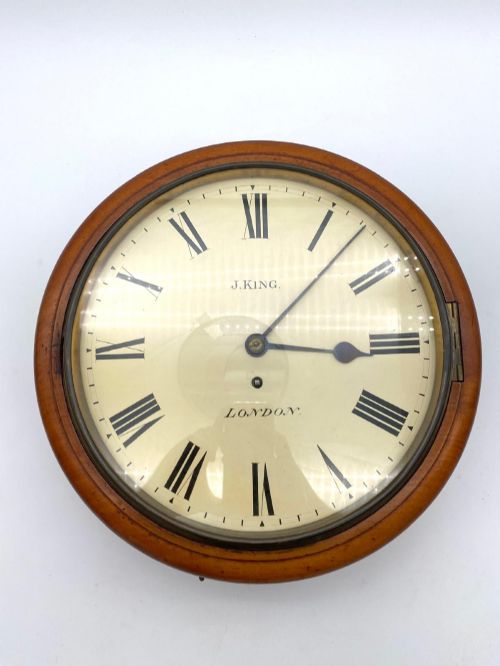
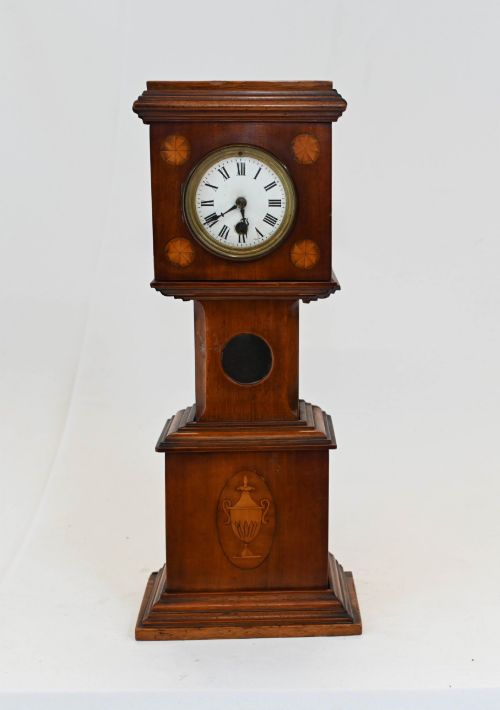
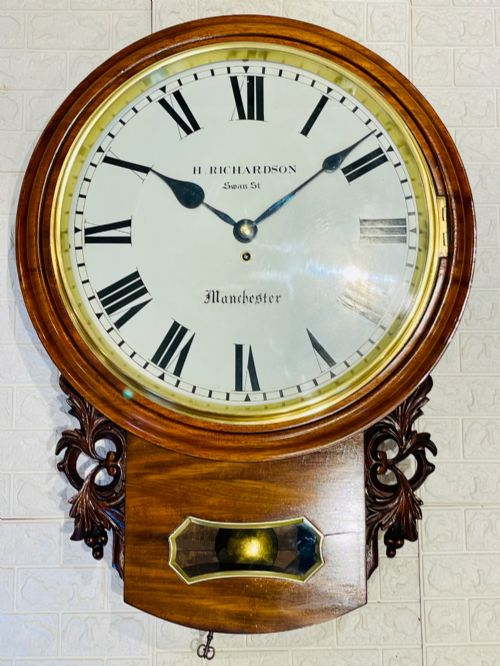
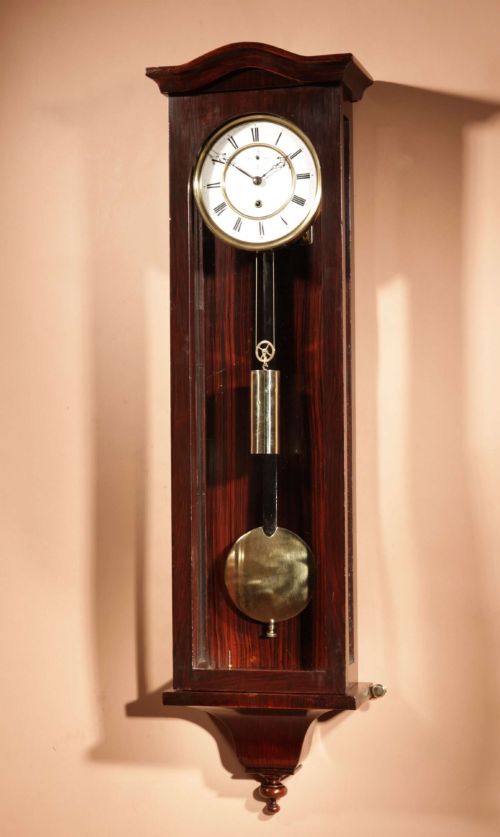
Wall-mounted Vienna regulators and drop dial clocks appear alongside grander floor-standing grandfather and grandmother clocks. Smaller bracket clocks and portico designs also form part of the available range.
Materials and construction
Cabinetmakers utilised dense timbers such as mahogany, oak, walnut and rosewood to construct sturdy cases that protect the internal gear train. Brass components form the wheel trains, dials and bezels, while glass panels enclose dial faces and swinging pendulums.
Movements rely on weight-driven or spring-driven fusee mechanisms, sometimes incorporating striking trains or musical carillons. Enamel dials feature painted numerals, matched with brass or blued steel hands.
Wooden Pendulum Clock Retail Price Guide 2026
Typical asking prices for wooden pendulum clock among the pieces listed under this phrase on Sellingantiques today, from the lower quarter to the upper quarter. They describe what is for sale here now, not the wider market.
Listings feature oak, mahogany, walnut and rosewood cases housing brass movements across Victorian, Georgian and Art Deco periods.
What dictates quality
The precision of the internal gear movement and the integrity of the timber case determine the standard of an example. Finer pieces display careful grain matching, crisp brass inlay and hand-carved details rather than mass-produced uniformity.
Original dials, signed movement backplates and intact pendulum assemblies hold greater weight among collectors. Well-preserved patination on the wood surface indicates proper preservation over the decades.
Green of Edinburgh·D. Straiton·H.A.C.·Seth Thomas·Benjamin Taylor·Junghans
The Wooden Pendulum Clock Glossary
- Fusee
- A conical pulley connected to the mainspring by a chain or cord, designed to equalise the torque as the spring unwinds. This mechanism improves timekeeping accuracy throughout the running cycle.
- Longcase clock
- A tall, floor-standing timepiece enclosed in a wooden case, commonly housing a pendulum and weight-driven movement. These are frequently referred to as grandfather clocks.
- Bracket clock
- A portable table or shelf clock historically designed to sit on a architectural bracket. Most examples feature brass carrying handles on top.
- Vienna regulator
- A precision wall clock style developed in Austria during the nineteenth century. These clocks utilise weight-driven movements visible behind long glass door panels.
Wooden Pendulum Clock: Frequently Asked Questions
How do I wind a mechanical wooden pendulum clock?
Insert the winding key into the dial holes and turn gently until resistance increases, taking care not to overwind the spring or pull the weights too high.
Ensure you support the case or pendulum during the process to avoid disrupting the beat of the clock.
Where should I place my wall clock?
Mount the clock on a stable interior wall away from direct sunlight, heating vents and damp areas that might warp the wooden case.
A secure fixing into solid masonry or wall studs prevents vibrations from interfering with the pendulum swing.
What is the difference between a grandfather and grandmother clock?
Grandfather clocks are tall floor-standing timepieces reaching heights over six feet, designed to house long pendulum drops. Grandmother clocks are smaller, more slender versions produced in reduced proportions.
Both share similar weight-driven mechanisms enclosed in wooden floor cases.
How do I set the correct time?
Move the minute hand forward slowly to the correct time, allowing the striking train to chime fully at each interval if the clock possesses one.
Avoid turning the hands backwards against the gear train to protect the internal escapement mechanism.