






Antique Vienna Clock
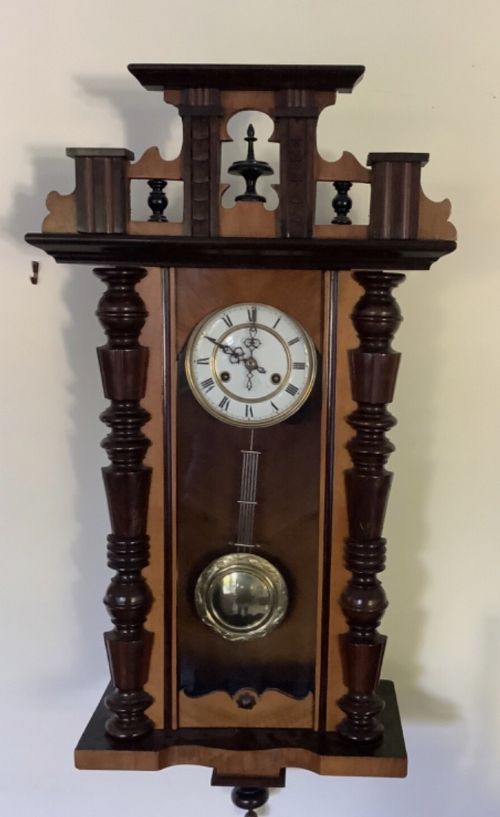
An antique vienna clock is a precise timepiece designed for the wall, offering a striking centrepiece for any room.
What an antique vienna clock is
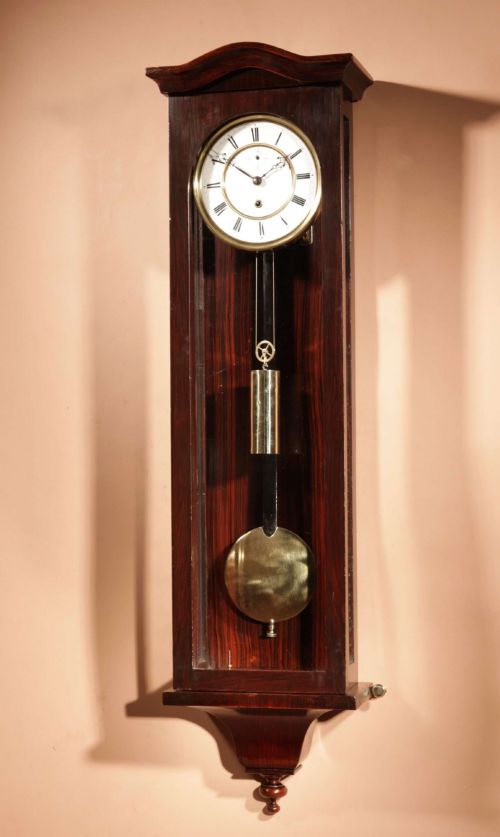
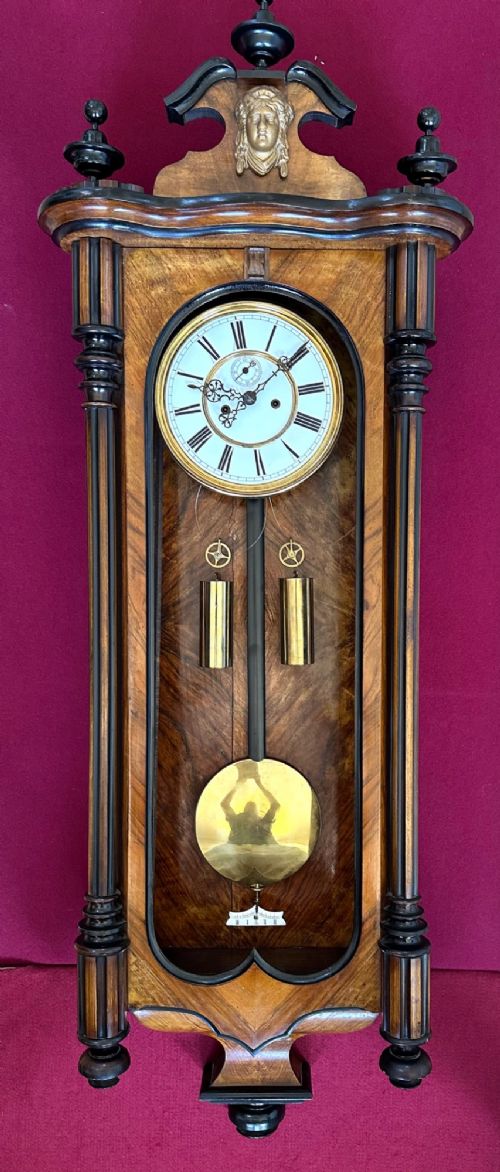
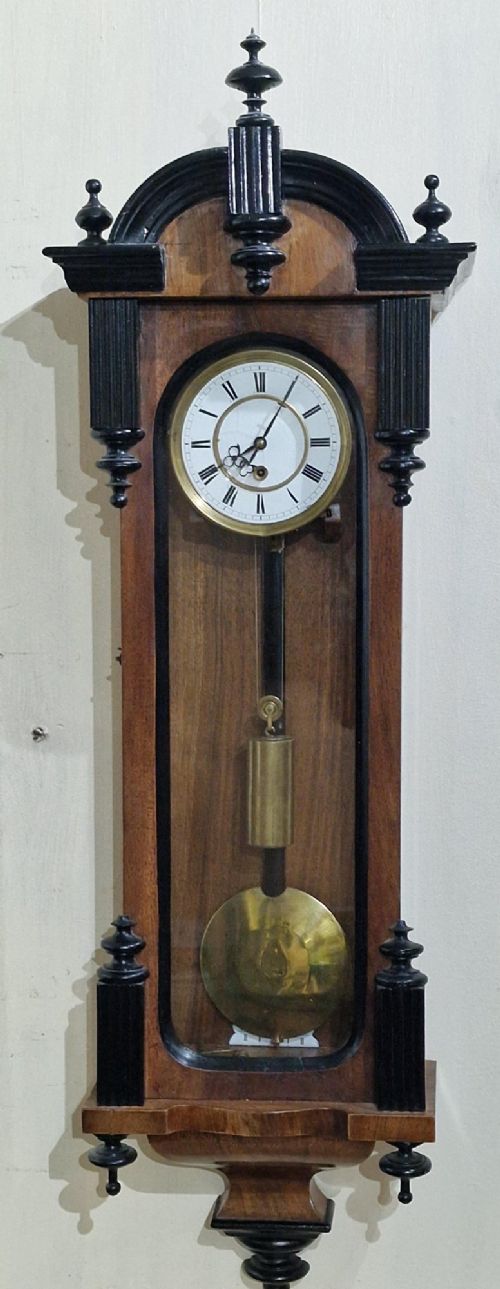
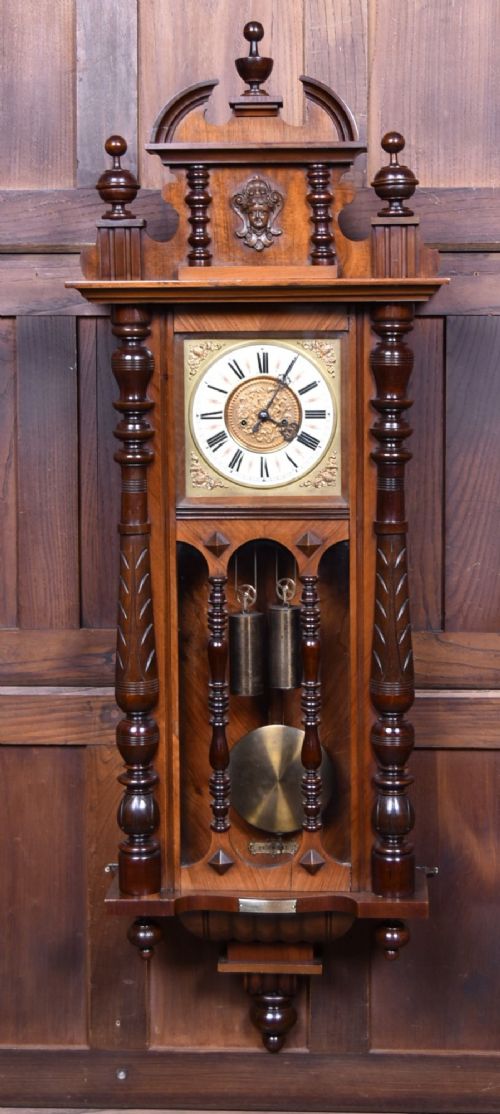
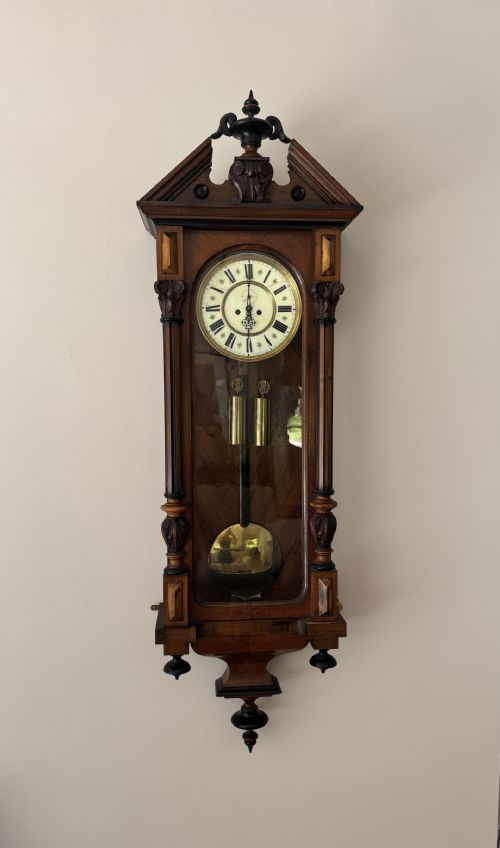
When you search for an antique vienna clock, you encounter precision wall timepieces originating predominantly from the nineteenth century. These clocks range from simple eight-day spring-driven movements to double weight regulators housed in substantial cases.
The pieces most frequently met on this page date from the Victorian era, specifically spanning the decades between 1860 and 1890. They take the form of wall clocks, combining mechanical complexity with domestic utility.
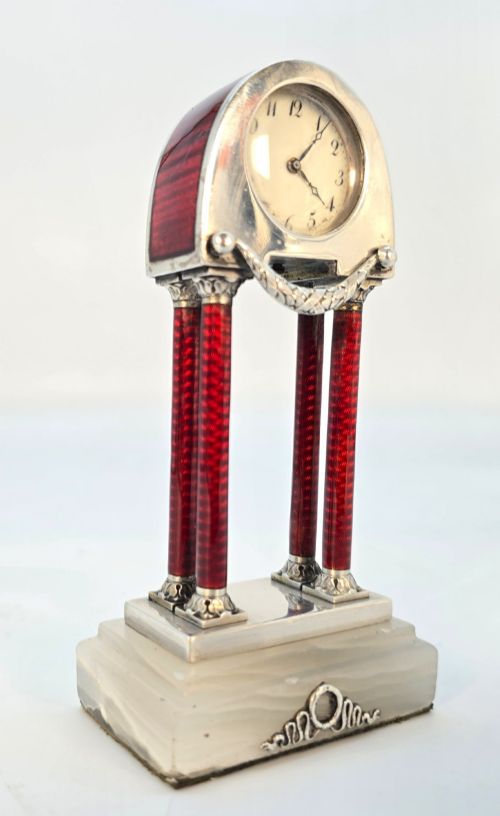
Examples appear in styles including Victorian and Biedermeier, showcasing the shift in interior tastes across the period. Collectors encounter both grand double weight wall clocks and smaller miniature timepieces.

How they were made
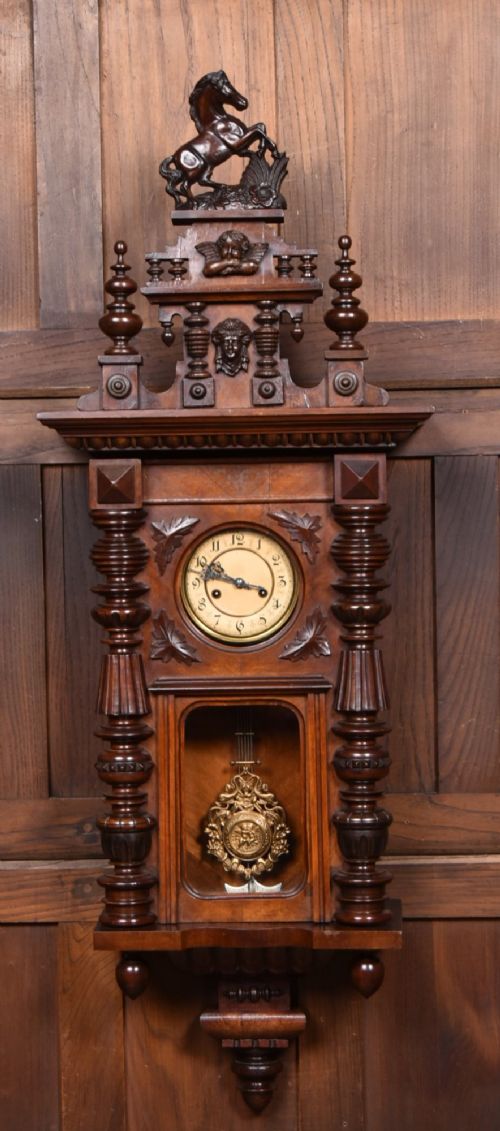
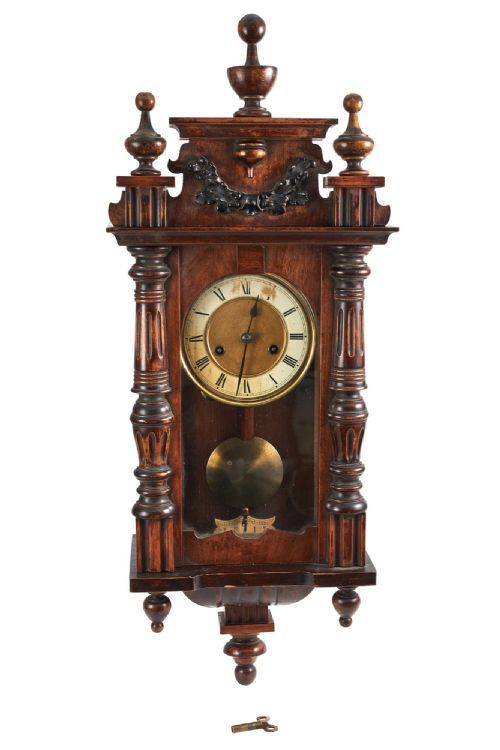
Cabinet makers utilised walnut, burr walnut, and ebonised wood to construct the elaborate cases of an antique vienna clock. Carved wooden elements often adorn the structure, paired with contrasting dark finishes.
Mechanisms incorporate brass gears and components, driven either by hanging weights or internal springs. Dials feature enamel faces, protected behind glazed glass doors set into the wooden frames.
Retail Price Guide 2026
Typical UK retail prices for vienna clock, calculated from the Sellingantiques database of over a million retail prices indexed since 2003. This retail price guide relies exclusively on Sellingantiques data; no external sources or auction records are used, so the figures do not describe the wider market.
Listings for this phrase feature walnut, ebonised wood, and brass materials across nineteenth century periods.
What varies in quality
The distinction between standard examples and the finest pieces lies in the complexity of the movement and the richness of the timber. Double weight systems and burr walnut veneers signify higher grade production.
Carved ornamentation and case proportion determine visual distinction. Master makers invested greater labour in cabinet work and signed movements, separating mass production from superior workshop output.
Gustav Becker·Junghans
The Antique Vienna Clock Glossary
- Regulator
- A clock designed for exceptional timekeeping accuracy. These movements often feature a seconds sub-dial and long pendulums.
- Double weight
- A movement driven by two suspended weights rather than one or an internal spring. This configuration provides the power required for striking trains and longer running times.
- Ebonised
- Wood treated to imitate ebony. This dark finish creates high contrast against lighter dial surrounds and brass bezels.
- Enamel
- A fused glass coating applied to the dial face. It provides a durable, bright white background for painted numerals.
Frequently Asked Questions
What is an antique vienna clock?
An antique vienna clock is a wall-mounted timepiece originating from the nineteenth century, known for accurate movements and walnut cases. They represent the height of precision engineering from the period.
These clocks served both as functional timekeepers and status symbols in nineteenth-century homes. Their complex gear trains required careful setting up by specialists.
How do I wind the clock?
Winding depends on whether the movement uses hanging weights or an internal spring mechanism. Weight-driven models require pulling the chains or cords to raise the weights back to the top.
Spring-driven variants use a specialised key inserted into the dial face. Care must be taken not to over-wind the mechanism.
How do I date these clocks?
Dating relies on stylistic clues, case materials, and maker signatures recorded on the movement backplates. The evidence shows styles spanning the Victorian era and the broader nineteenth century.
Changes in case carving, wood selection such as burr walnut or ebonised finishes, and dial construction help narrow down the decade of manufacture.
Where should I hang one?
These wall clocks require a sturdy, stable vertical surface capable of supporting the weight of the wooden case and movement. Placement should avoid damp areas and direct sunlight to protect the wood and enamel.
Proper hanging ensures the pendulum swings evenly, which is essential for accurate timekeeping. A solid masonry wall or secured stud is recommended.