



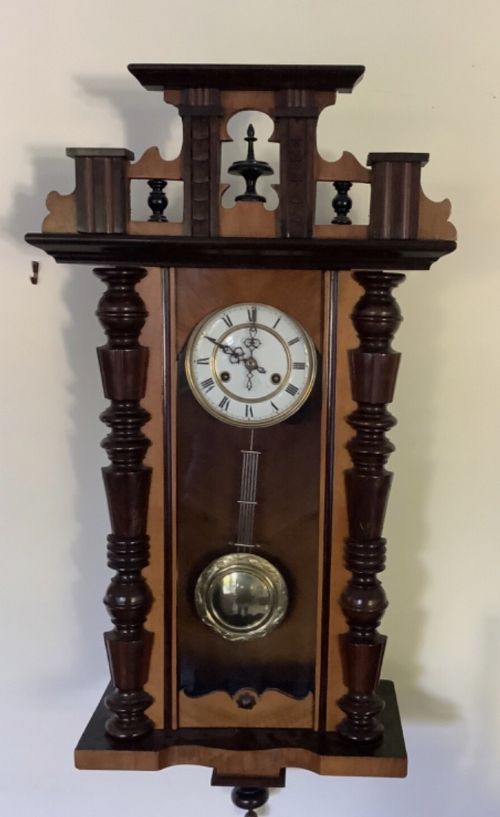


Carved Walnut Wall Clock
A carved walnut wall clock brings nineteenth-century presence to a room through dense timber, crisp carving, and precise mechanical movement.
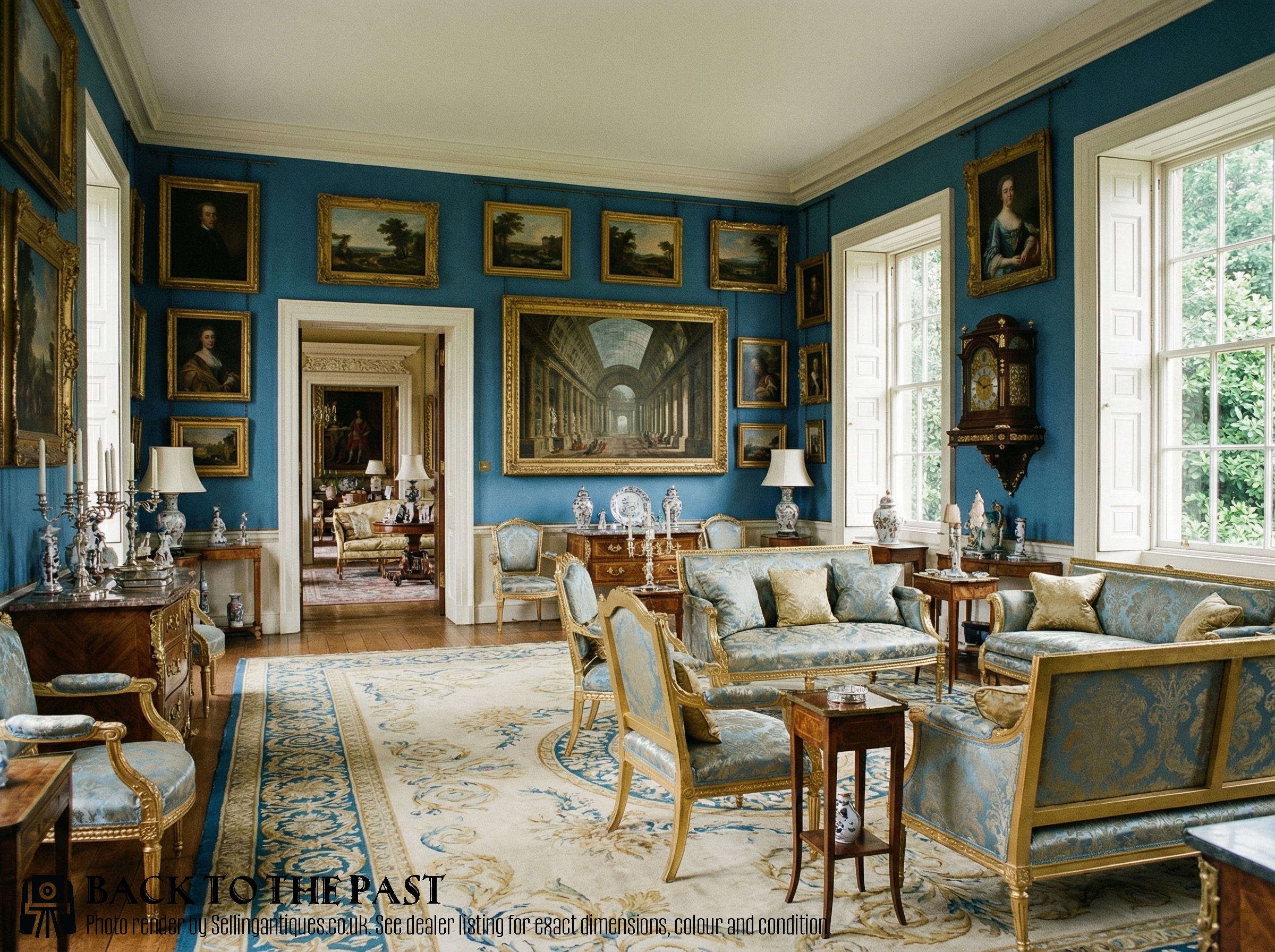
Carved Walnut Wall Clock
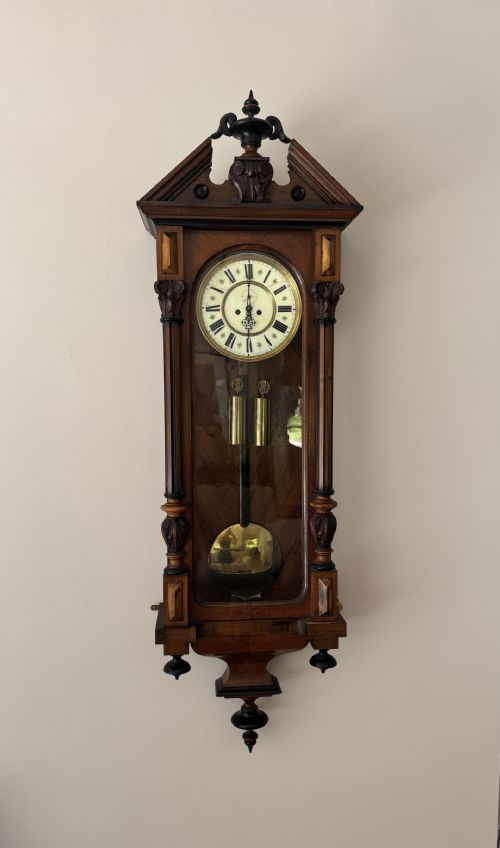
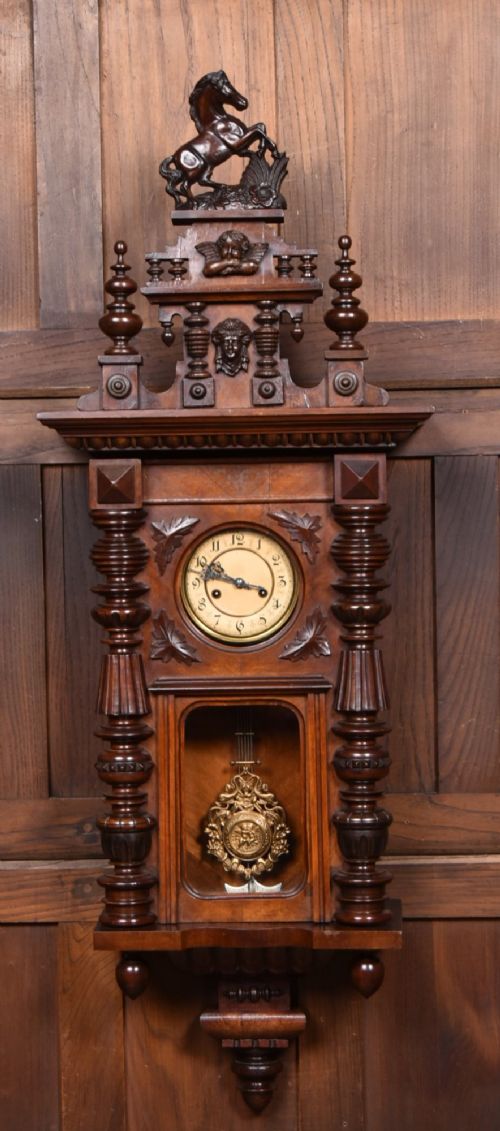
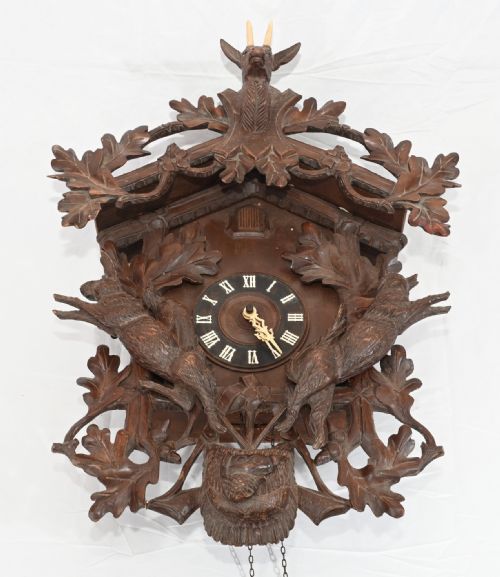
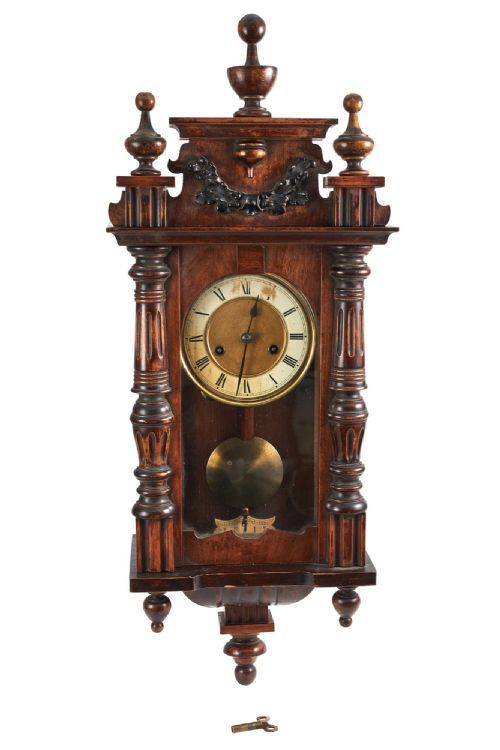
When you search for a carved walnut wall clock, you encounter timepieces dominated by nineteenth-century Victorian production, Austrian Vienna regulators, and Black Forest cuckoo clocks. These items combine functional timekeeping with sculptural timber framing, often incorporating visible pendulums and enamel dials.
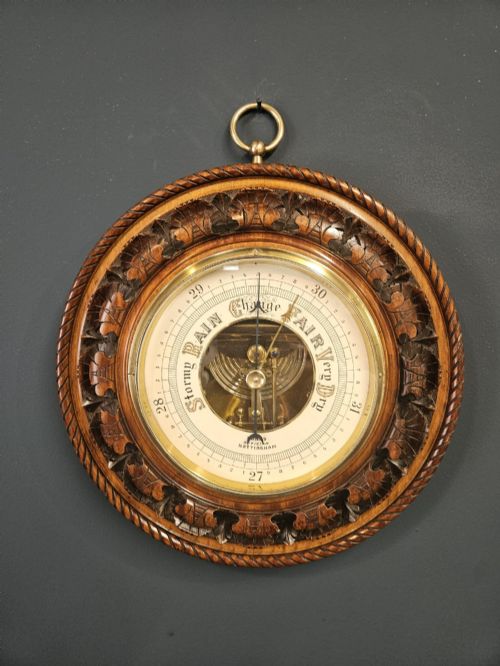
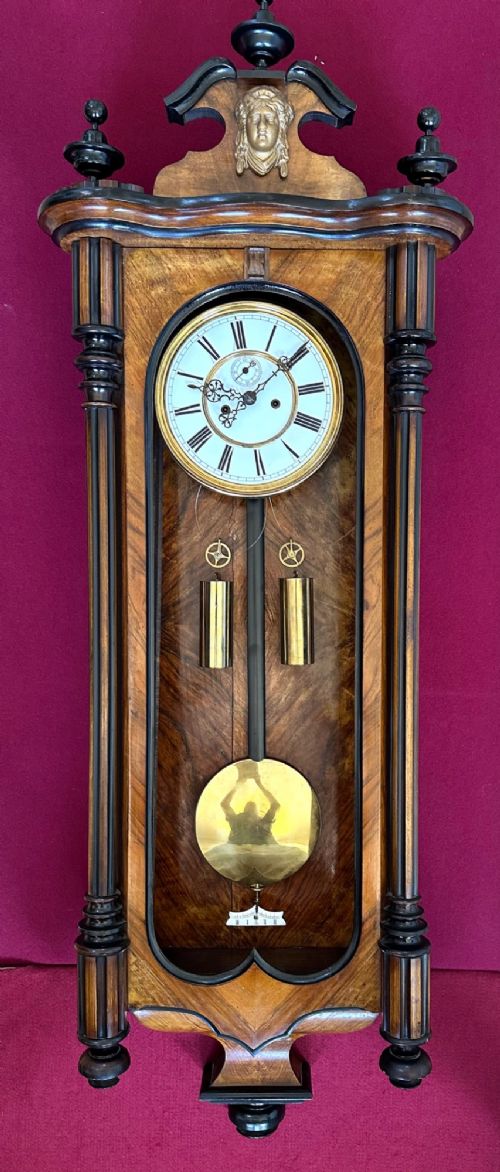
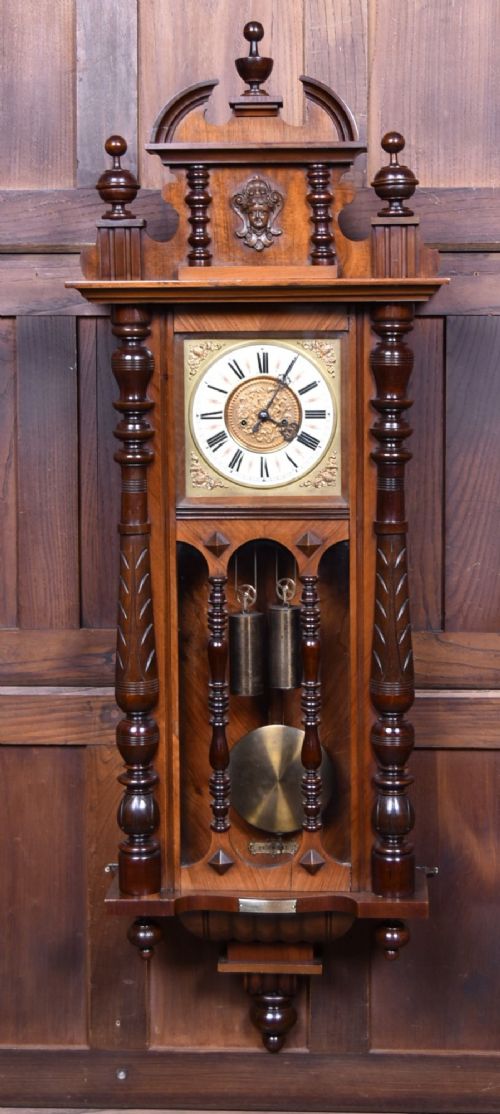
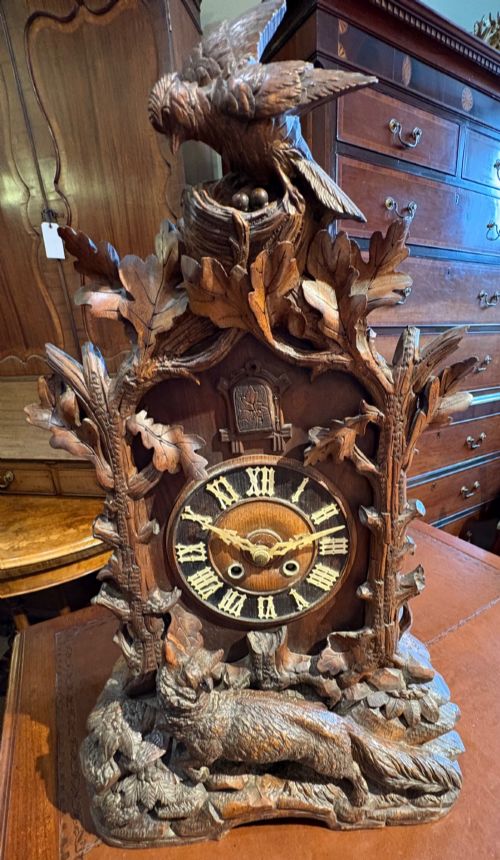
The most common form on this page is the Vienna wall clock, frequently housing double-weight movements inside substantial walnut cases. Alongside these, Black Forest cuckoo clocks and Aneroid barometers with carved surrounds appear regularly across the inventory.
Pieces span decades from the mid-nineteenth century through to the early twentieth century, with occasional French and German regional variations. Each type reflects the domestic interior tastes of its period, prioritising rich dark timber and detailed casework.
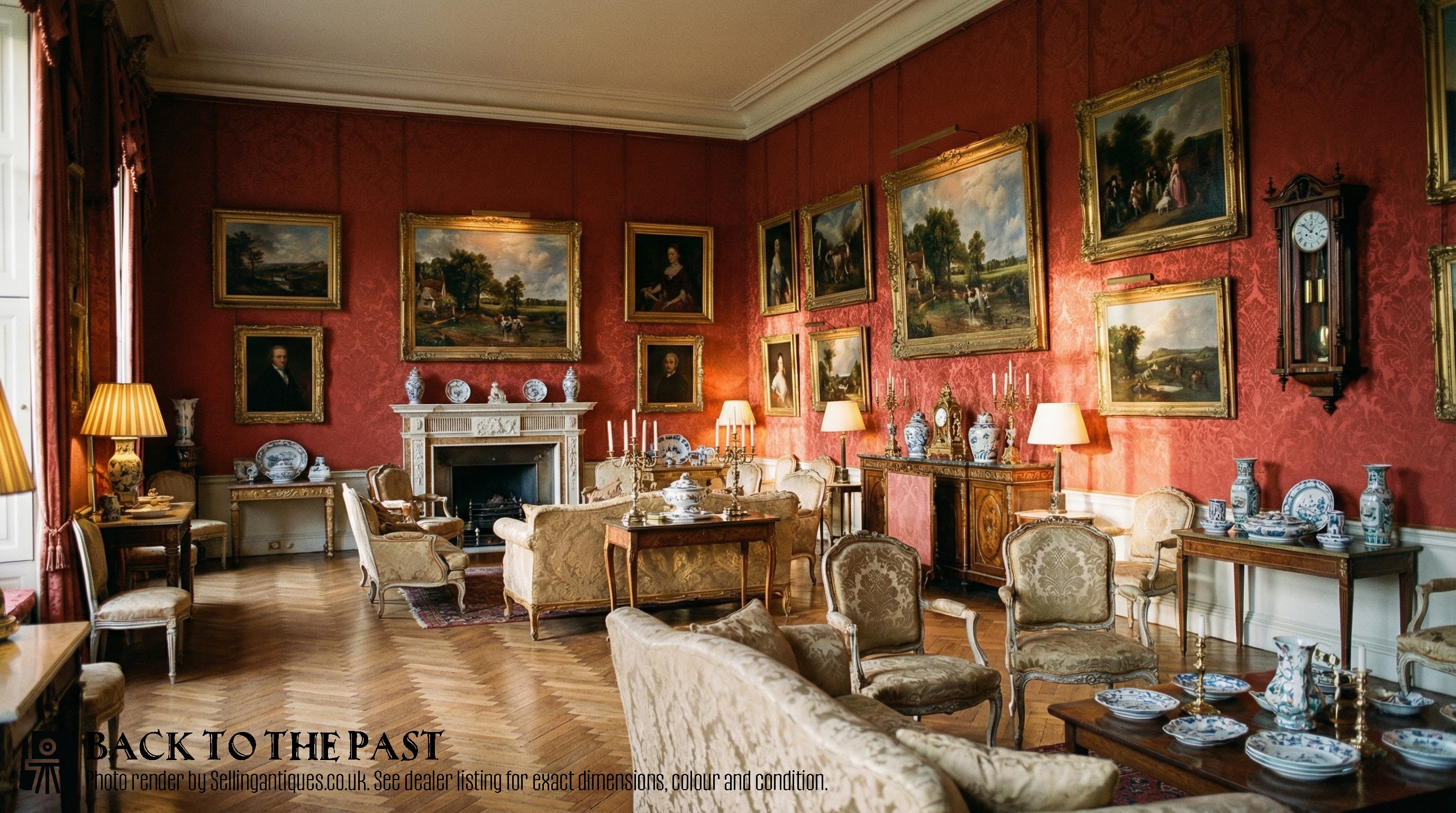
What varies in quality
Quality rests primarily in the depth and crispness of the timber carving, where hand-tooled execution outshines mechanical replication. The selection of walnut veneer, particularly figured burr walnut, determines the visual richness of the case front.
Mechanical refinement separates standard production from superior pieces, evident in the complexity of the movement, such as triple-weight grande sonnerie striking mechanisms or signed maker plates. Original components, including matching weights, pendulums, and undamaged enamel dials, elevate a piece above altered examples.
Carved Walnut Wall Clock Retail Price Guide 2026
Typical asking prices for carved walnut wall clock among the pieces listed under this phrase on Sellingantiques today, from the lower quarter to the upper quarter. They describe what is for sale here now, not the wider market.
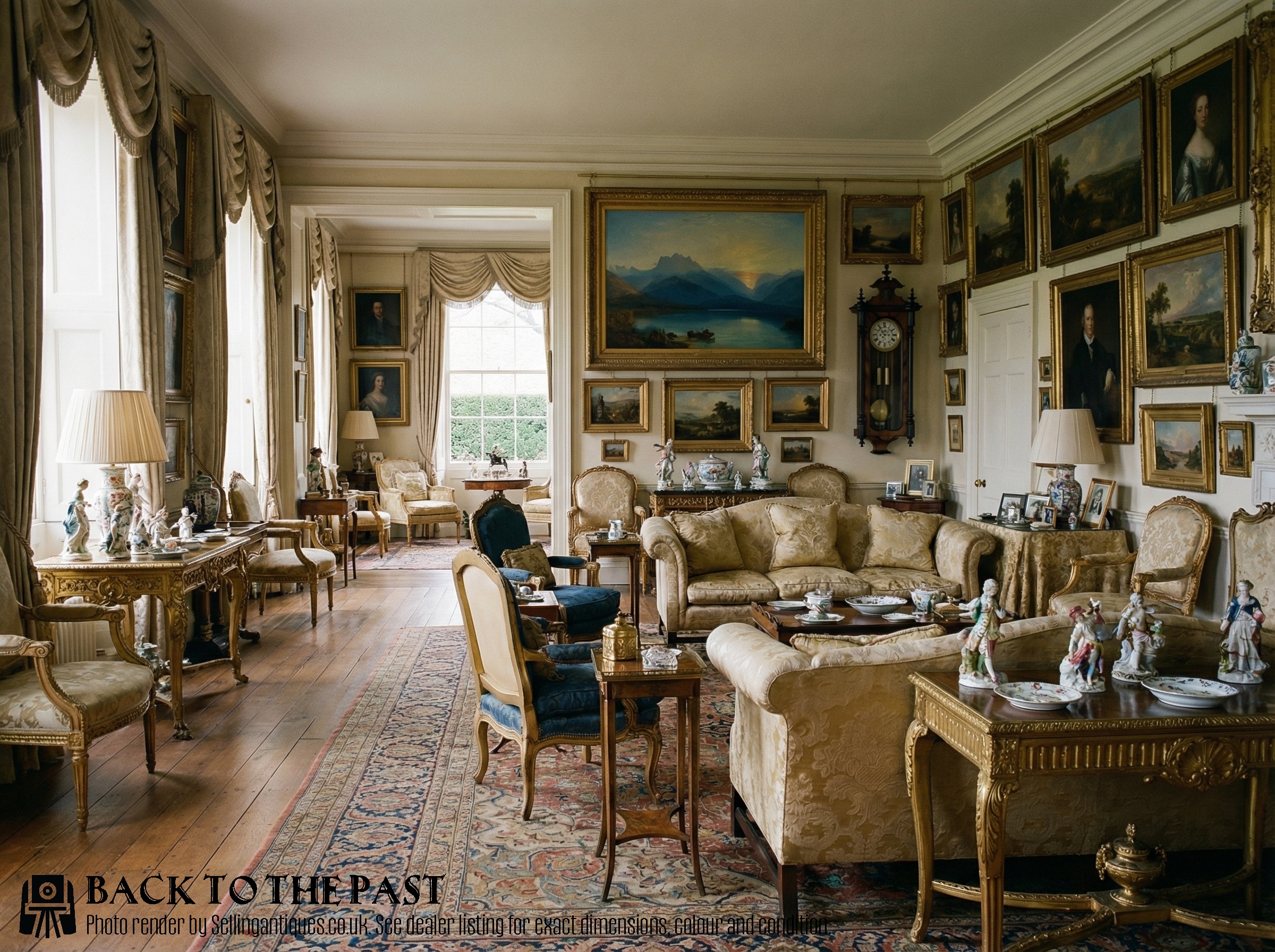
Gustav Becker·Johann Baptist Beha·Lenzkirch·Connell of London
The Carved Walnut Wall Clock Glossary
- Vienna Regulator
- A precision pendulum wall clock developed in Austria during the nineteenth century. These pieces feature long glass-panelled doors to display the swinging pendulum and weight descent.
- Aneroid Barometer
- A weather-measuring instrument that uses a small, flexible metal box to detect atmospheric pressure changes without liquid mercury. They often share carved walnut wall housings with thermometers and clocks.
- Grande Sonnerie
- A complex striking train mechanism that chimes the hours and quarters automatically on every quarter-hour. Collectors prize this movement for its mechanical sophistication.
- Black Forest
- A mountainous region in Germany known for wooden clock production, particularly cuckoo clocks. Carved walnut foliage and animal motifs typify their regional casework.
- Ebonised Wood
- Timber treated with a dark chemical stain or paint to imitate ebony. Makers used this finish to create high-contrast decorative accents against natural walnut.
Carved Walnut Wall Clock: Frequently Asked Questions
How do I wind a wall clock?
Use the provided winding key to turn the arbors on the dial face until resistance meets you. Take care not to overwind the spring or pull the weight chains too high.
Ensure you match the key size correctly to the winding square to avoid rounding the delicate brass components inside.
Where should I hang a wall clock?
Mount the piece securely to a solid wall stud using appropriate fixings rated for the combined weight of the timber case and iron movements. Avoid exterior walls subject to dampness or vibration from heavy foot traffic.
Position the clock at eye level to allow easy viewing of the dial and comfortable access for weekly winding.
Why does my clock lose time?
Variations in temperature and the settling of old timber casework can alter the beat of the pendulum. Adjust the small nut located at the bottom of the pendulum bob to speed up or slow down the swing.
Ensure the clock hangs completely plumb against the wall so the tick-tock rhythm sounds even and regular.
How do I identify a Vienna regulator?
Look for a long, narrow walnut case with a full-length glass door designed to showcase the brass pendulum and hanging weights. The dial is typically white enamel with delicate black roman numerals.
These pieces generally feature eight-day movements and superior architectural styling derived from nineteenth-century Austrian workshops.