




Victorian Regulator Clock
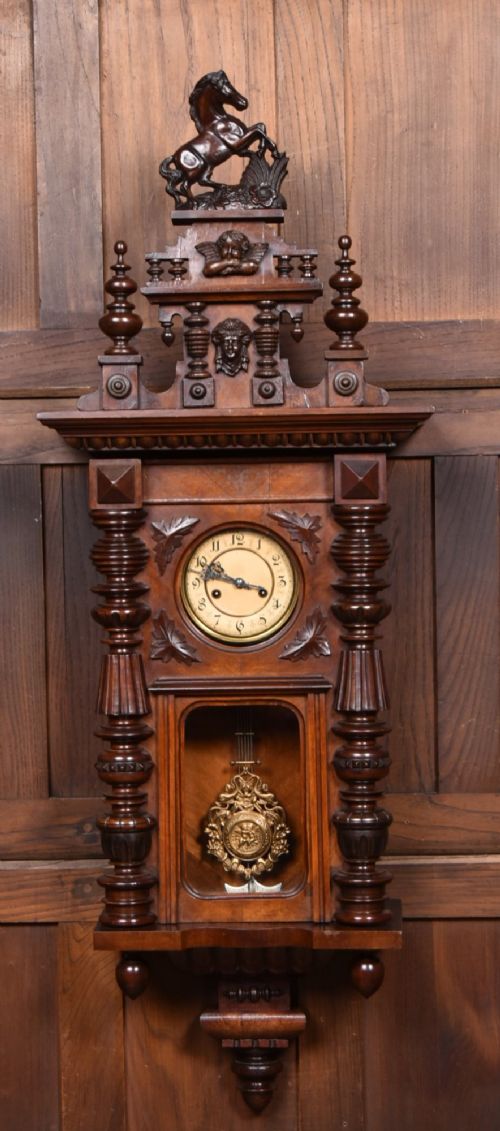
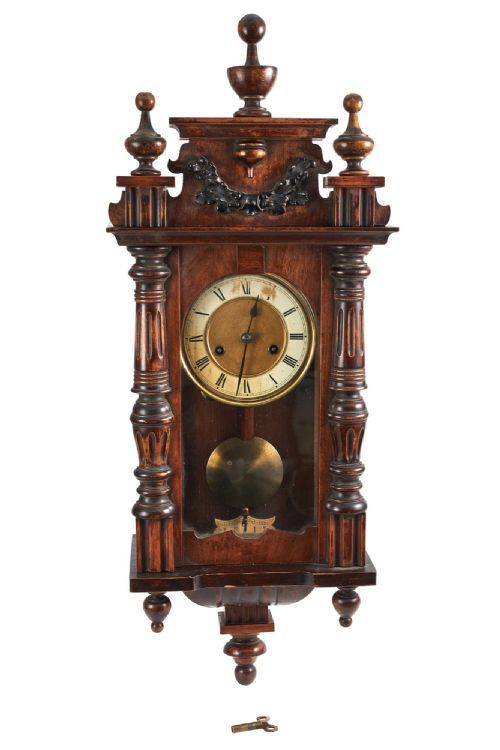
A victorian regulator clock is a precise timekeeper designed for accuracy, housing a pendulum movement in a timber wall case or mantel housing.
Victorian Regulator Clock
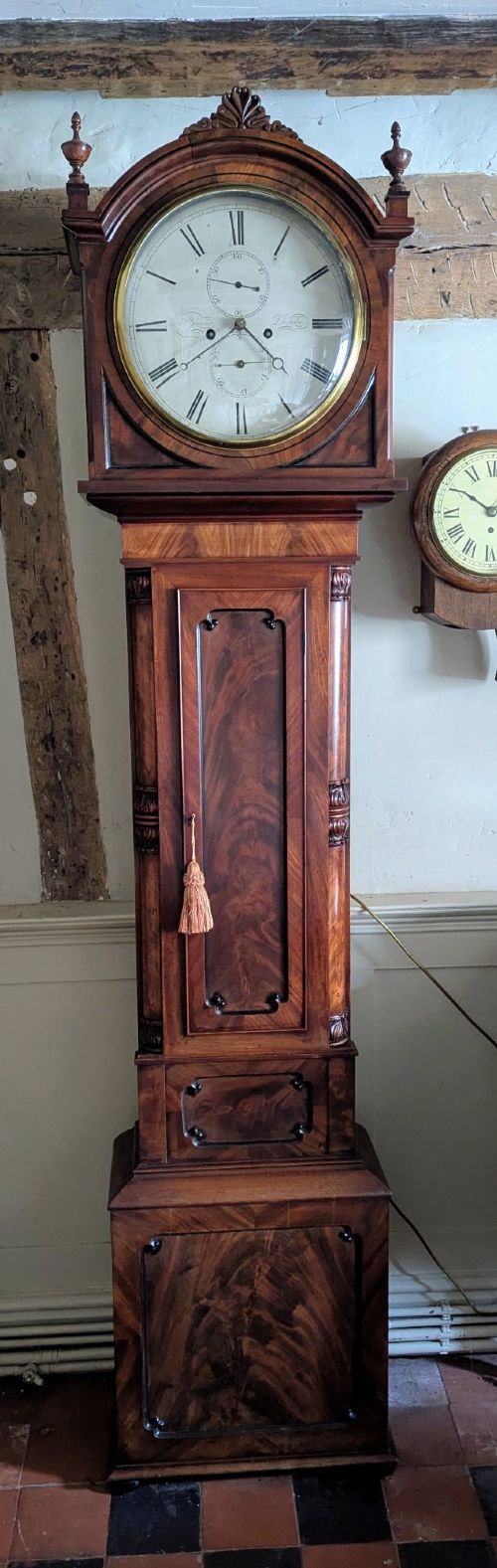
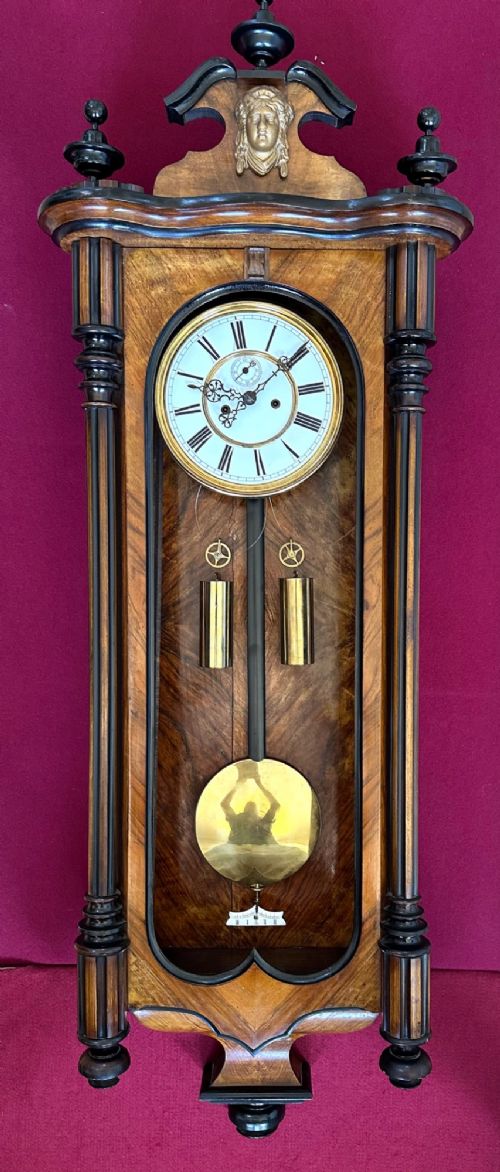
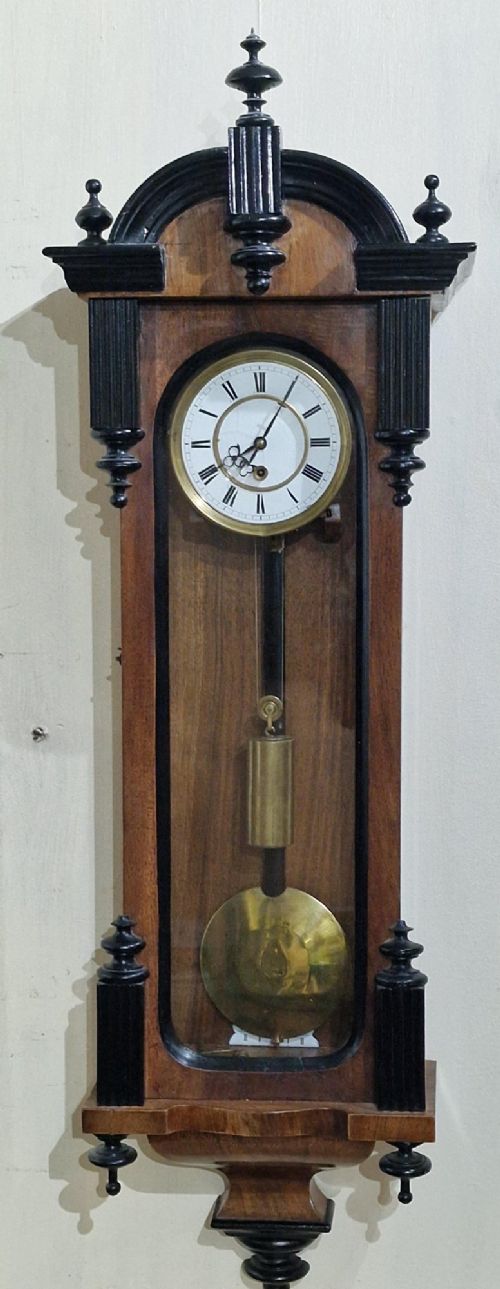
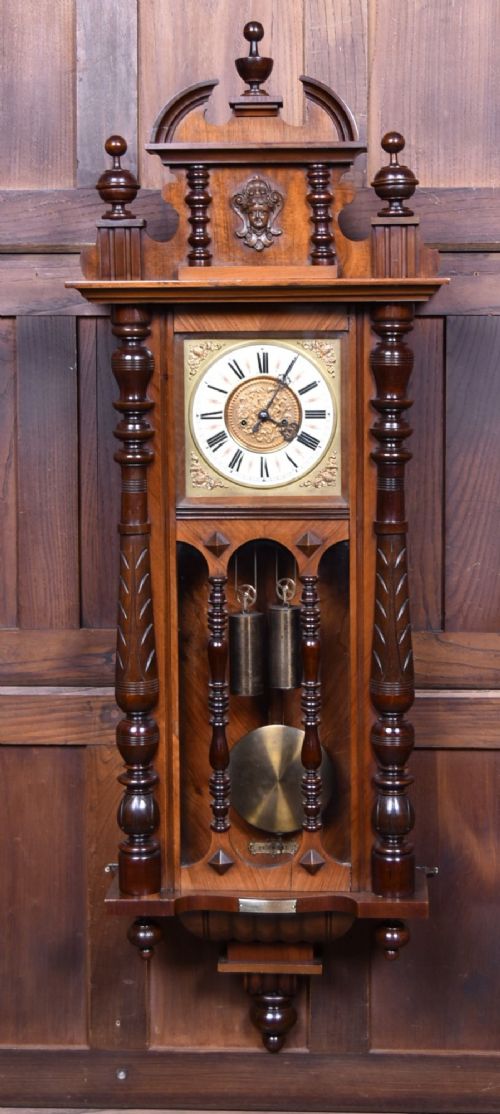
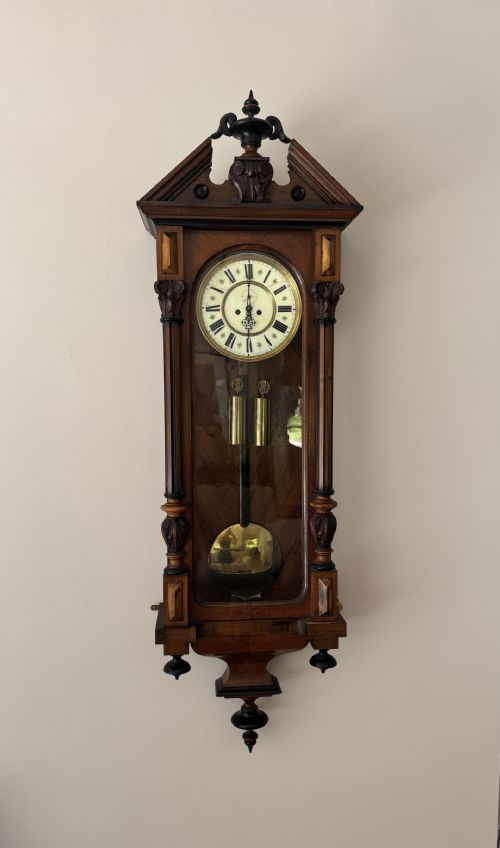
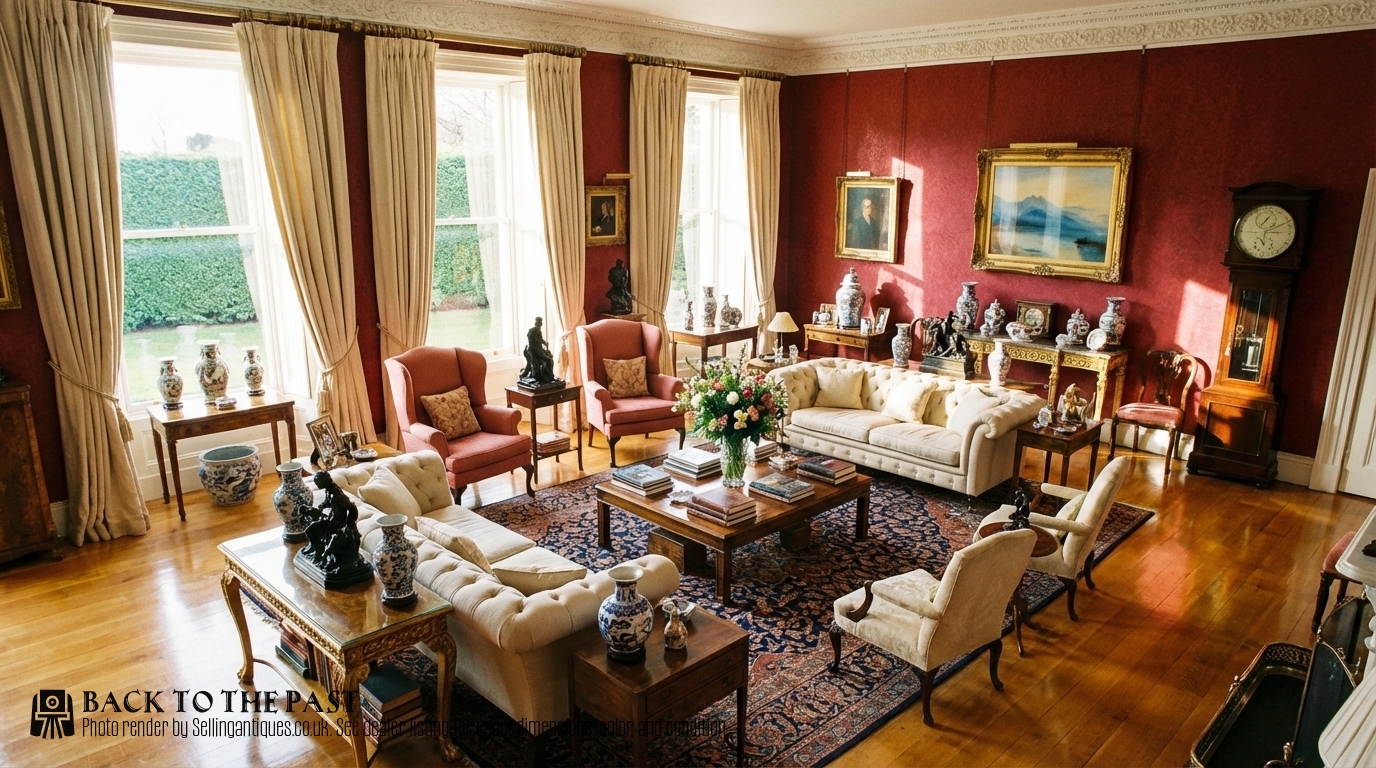
When you search for a victorian regulator clock, you encounter precision timepieces built to maintain exact time through long pendulums and deadbeat escapements. These instruments appear primarily as wall clocks, often styled as Vienna regulators with glazed doors to display the swinging pendulum and weights. Longcase and mantel variations also occur across the nineteenth century.
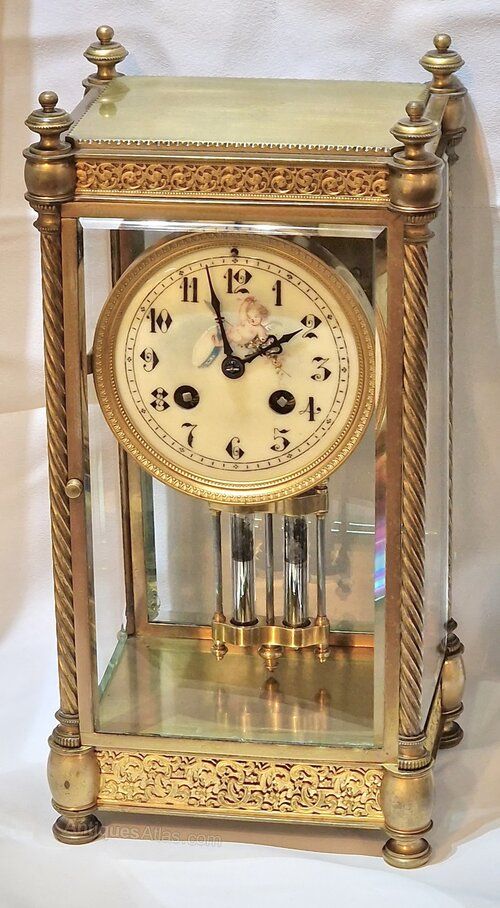
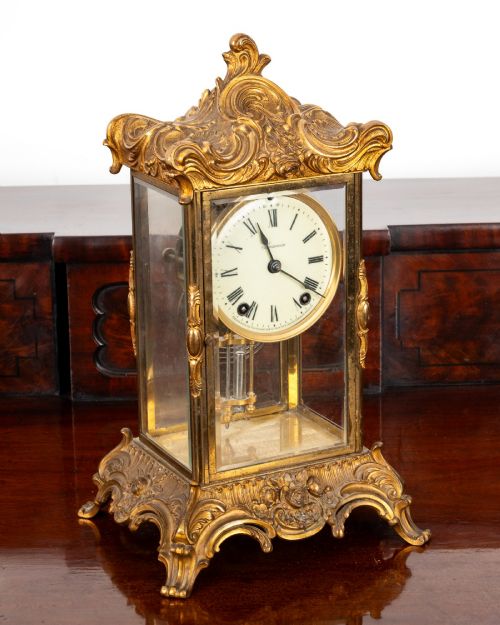
The versions most common on this page feature walnut cases, enamel dials, and double brass weights driving an eight-day movement. Vienna-style wall clocks and crystal mantel variants with four glass sides represent the core of the selection. Makers from England, Germany, and Austria contributed to the variety of housing styles available.
Regional characteristics define much of what surfaces in this category, ranging from English drop dial wall examples to Austrian and German walnut Vienna cases. Specific maker signatures occasionally appear on the dial or movement backplate, denoting workshops known for precision timekeeping. Cabinet timbers shift between plain walnut, burr walnut, mahogany, and ebonised wood.
Materials and construction
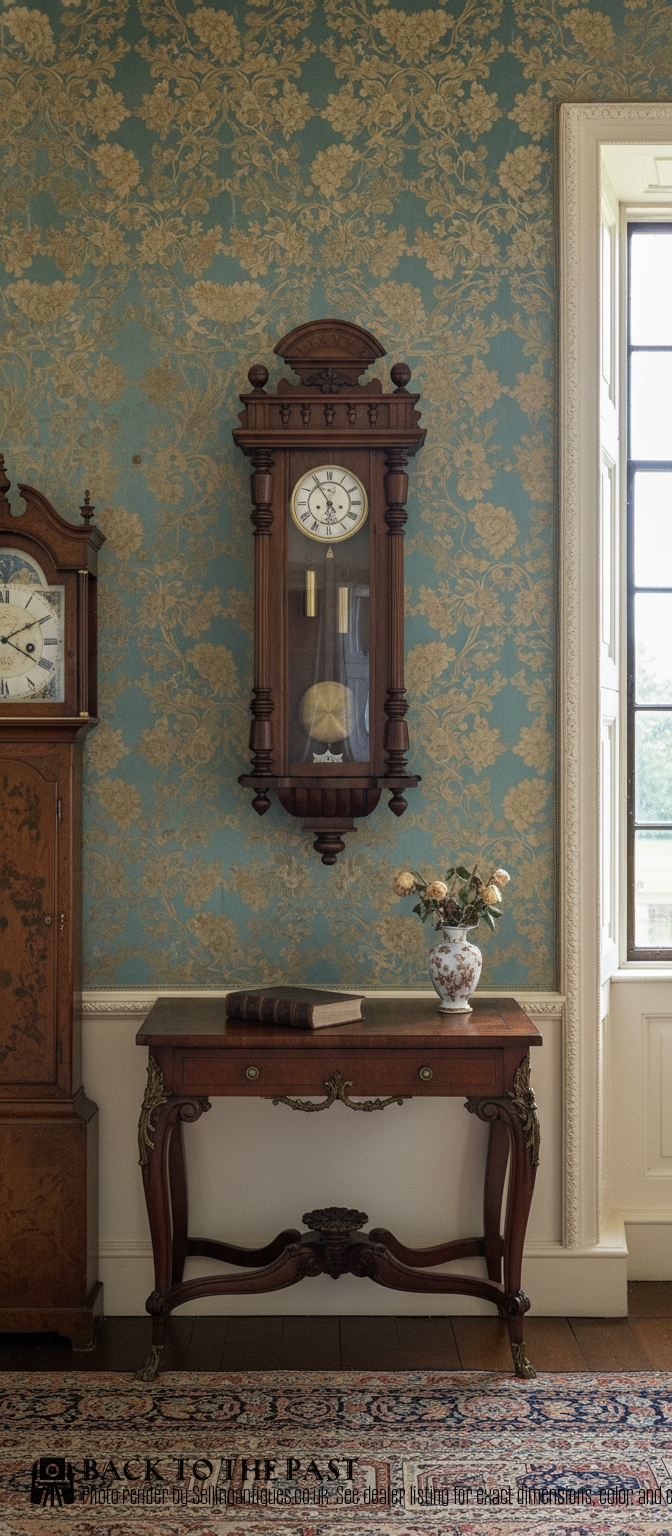
Clockmakers utilised seasoned timbers such as walnut, mahogany, and oak to construct stable housings that protected the delicate gear trains from atmospheric changes. Ebonised wood accents and carved details frequently enhance the architectural facades of Vienna wall models. Crystal regulators employ glass panels held within brass or gilt bronze frames to expose the interior mechanics.
Brass and gilt bronze form the structural plates, gears, and bezels of the movement, while silvered metal or white enamel provide legible surfaces for the numerals. Heavy cast brass weights supply the driving force, suspended by cords or chains alongside compensated or wooden rod pendulums. Glazed doors protect these components while permitting a clear view of the operating escapement.
Victorian Regulator Clock Retail Price Guide 2026
Typical asking prices for victorian regulator clock among the pieces listed under this phrase on Sellingantiques today, from the lower quarter to the upper quarter. They describe what is for sale here now, not the wider market.
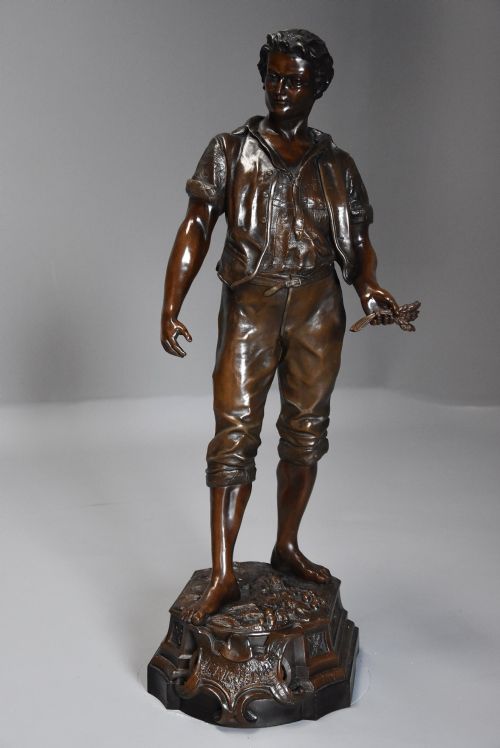
Cherubs peer from clock dials while farm labourers cast in spelter stand guard over crystal movements.
Judging quality and craftsmanship
Superior quality in a victorian regulator clock rests upon the precision of the movement, indicated by finely cut gear teeth, jewelled pivot holes, and high-grade suspension systems. Maker attribution to notable workshops or retailers elevates the standing of an individual piece. Robust weight-driven Vienna movements command greater attention than simple spring-driven alternatives.
Cabinetwork separates standard production from exceptional examples, observed in the selection of figured burr walnut veneers, crisp hand-carved ornamentation, and heavy cast brass bezels. Originality of components, from the enamel dial to the matching weights and pendulum, preserves the integrity of the piece. The weight of the timber and the thickness of the glass panels further distinguish superior domestic timekeepers.

F.Milliot·Ansonia New York·AG Lenzkirch·John Walker·Gustav Becker·Samuel Marti·Johann Baptist Beha·James Wood·William Chisholm
The Victorian Regulator Clock Glossary
- Vienna Regulator
- A high-precision pendulum clock originating in Austria, characterised by a long glazed door, visible weights, and a gridiron or wooden rod pendulum. These timekeepers set the standard for domestic accuracy during the nineteenth century.
- Double Weight
- A movement driven by two suspended weights, typically providing power for both the going train and the striking train over an eight-day or month duration. This setup requires adequate drop space inside the wooden case.
- Four Glass Mantel Clock
- A freestanding timekeeper encased in bevelled glass panels with a brass or gilt frame, allowing light to pass through the movement. These pieces often feature an enamel dial and decorative mercury or gridiron pendulum.
- Drop Dial
- A wall-mounted clock featuring a circular dial above a short, flared wooden box that encloses the pendulum bob. This form was widely adopted for offices, railway stations, and domestic hallways.
- Deadbeat Escapement
- A precision mechanical linkage between the escape wheel and the pendulum that prevents recoil of the gear train. It ensures that the impulse given to the pendulum is uniform, maintaining superior timekeeping accuracy.
Victorian Regulator Clock: Frequently Asked Questions
How do I wind a Vienna regulator?
Insert the winding key into the designated winding holes on the enamel dial and turn it clockwise until resistance meets you. Care must be taken not to overwind the mainspring or pull the weight cords too high.
Ensure the pendulum is at rest before adjusting the hands or winding, and allow the clock to settle into beat afterwards.
Where should I hang a wall clock?
Select an interior wall free from dampness, direct sunlight, and excessive vibrations from heavy doors or traffic. A sturdy masonry wall or a secure timber stud provides the best mounting surface.
The clock must hang completely plumb so that the pendulum swings evenly and the escapement maintains a steady beat.
What is a month duration clock?
A month duration clock operates for approximately thirty days on a single winding, requiring heavier weights and longer drop distances than standard eight-day models. This extended power reserve demanded exceptional skill from the clockmaker.
Such mechanisms were typically reserved for high-end domestic regulators and professional timekeeping environments.
How do glass mantel clocks work?
Crystal and four-glass mantel clocks utilise spring-driven movements housed within brass frameworks, often featuring visible escapements and temperature-compensated pendulums. The glass panels protect the delicate components from dust while displaying the movement from all sides.
Keys are used to wind both the time and strike trains through arbors located on the dial face or backplate.