


Precision Regulator Clock
A precision regulator clock is a mechanical timepiece built for absolute timekeeping accuracy, housed in a tall floor case or wall case to shelter its pendulum.
Precision Regulator Clock
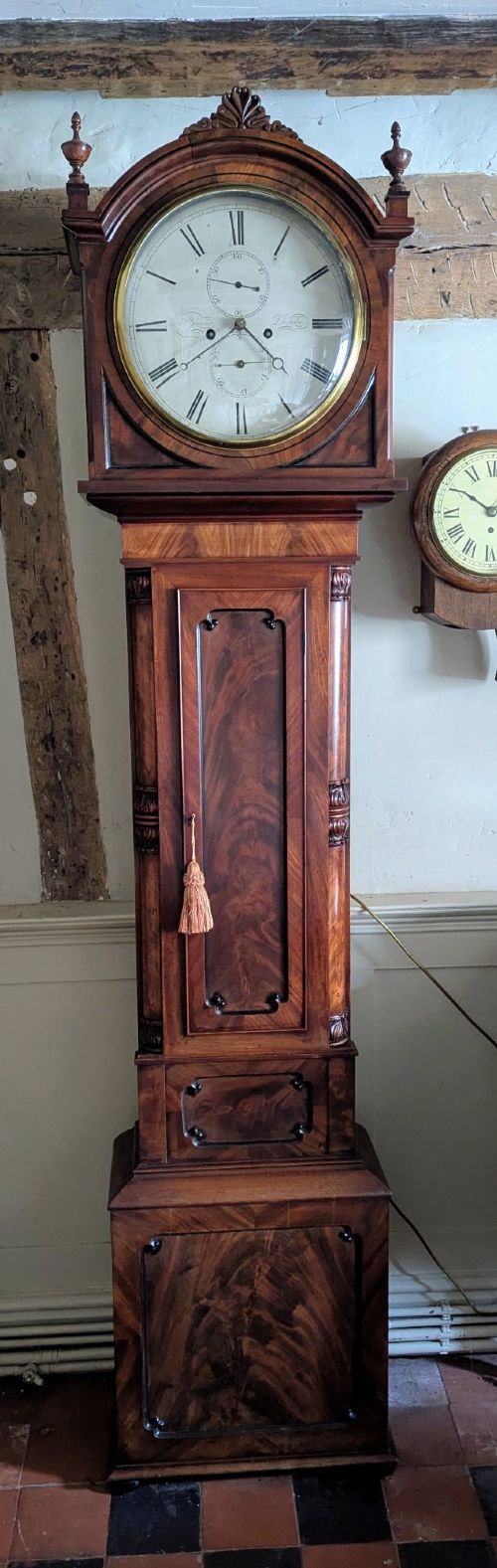
A precision regulator clock is a specialised timekeeper designed to measure time with extreme exactness, most commonly appearing as a floor-standing longcase or grand case clock from the Georgian, Victorian, and Regency periods.
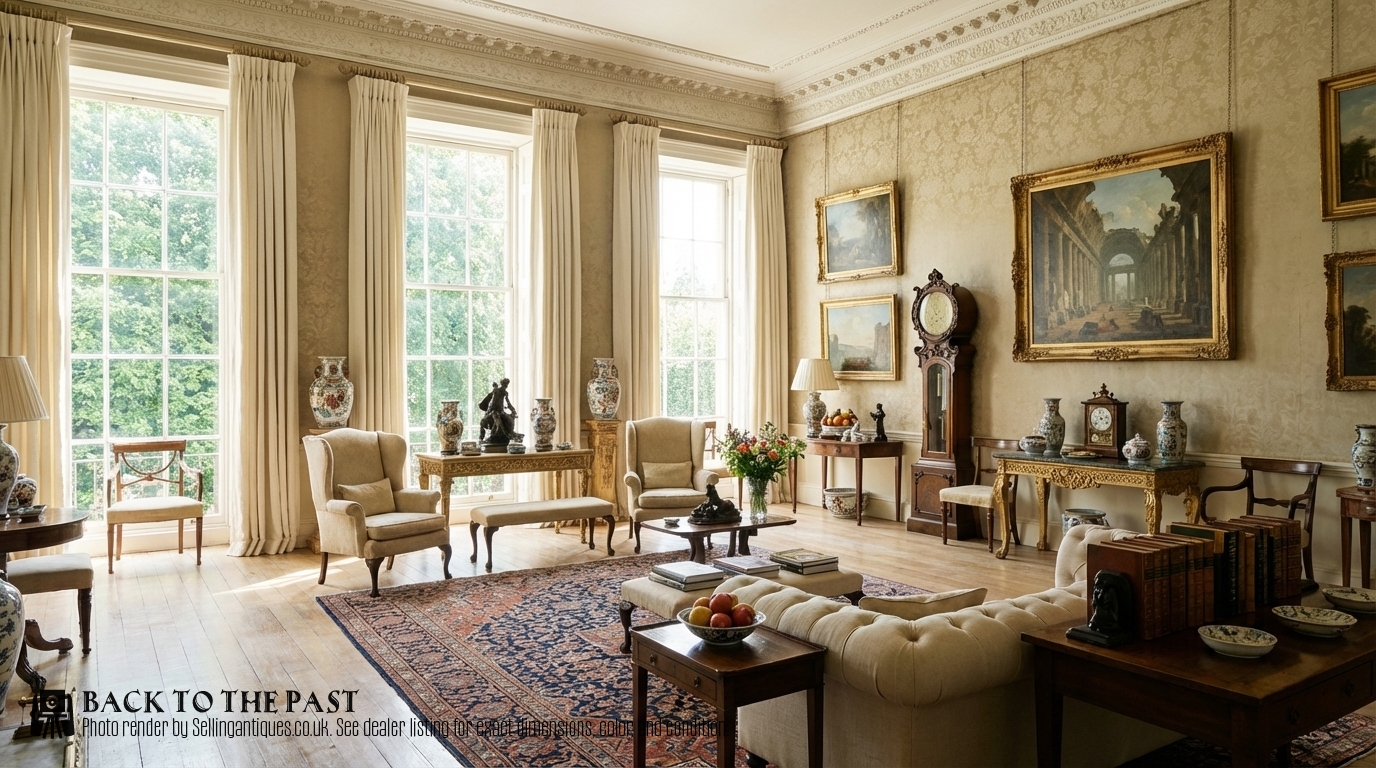
These instruments originate from astronomical observatories and railway hubs where accurate timekeeping was essential, translating those high standards into domestic and commercial settings.
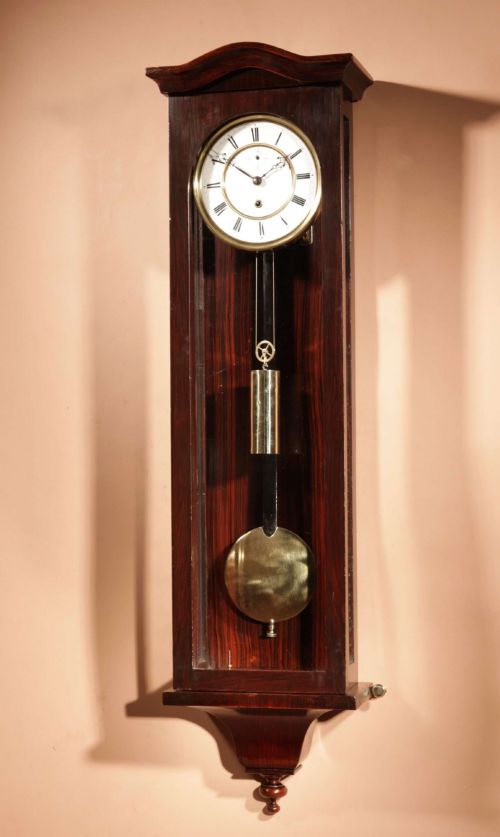
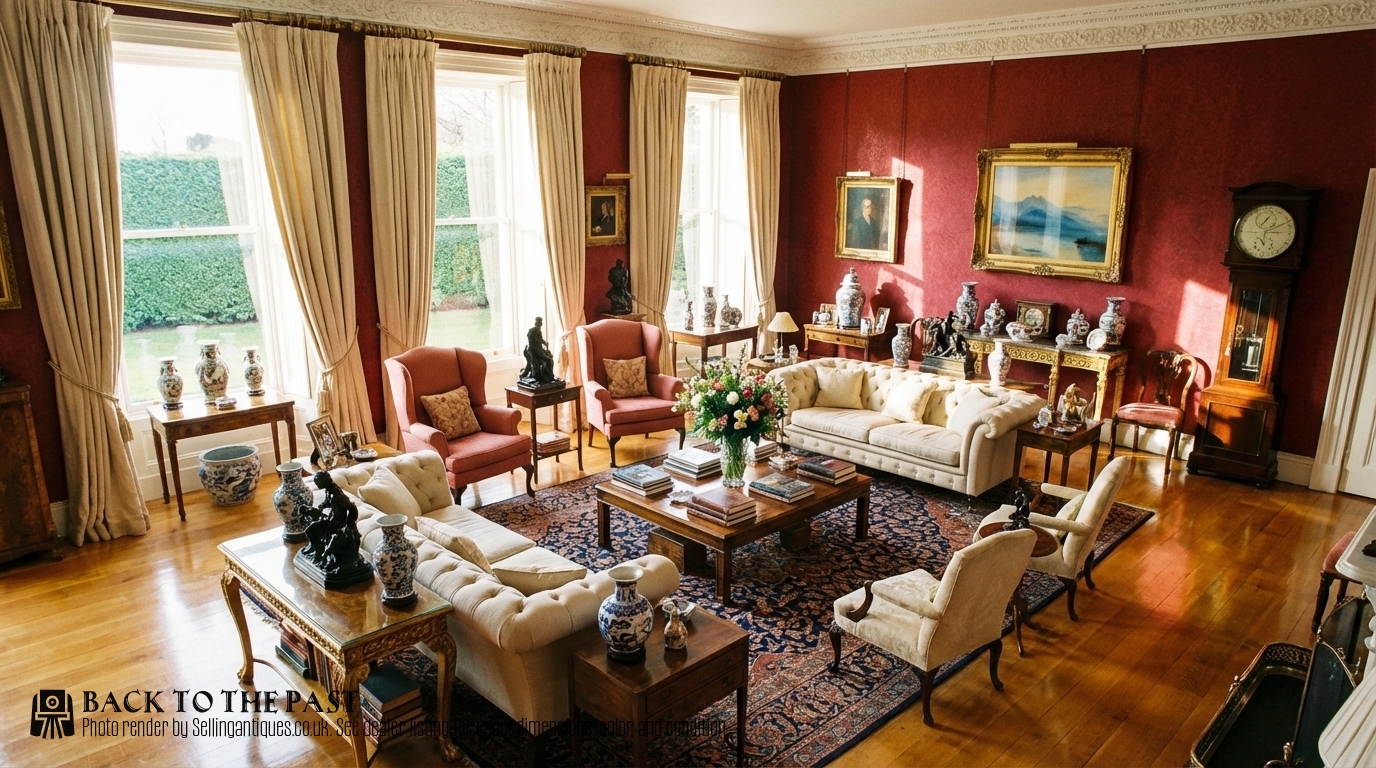
You will most frequently encounter longcase versions constructed in mahogany, flame mahogany, or walnut, alongside occasional wall-mounted Vienna regulator styles.
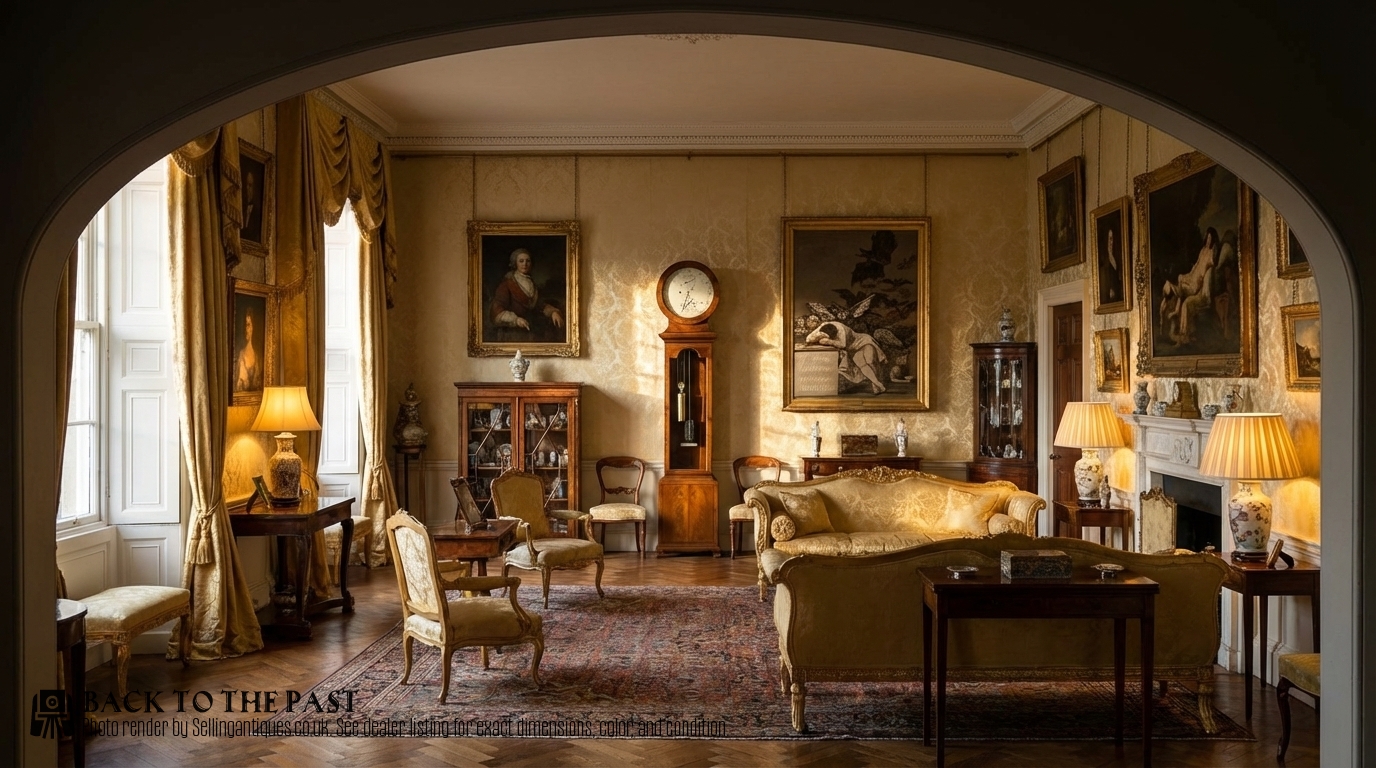
How precision regulator clocks were made
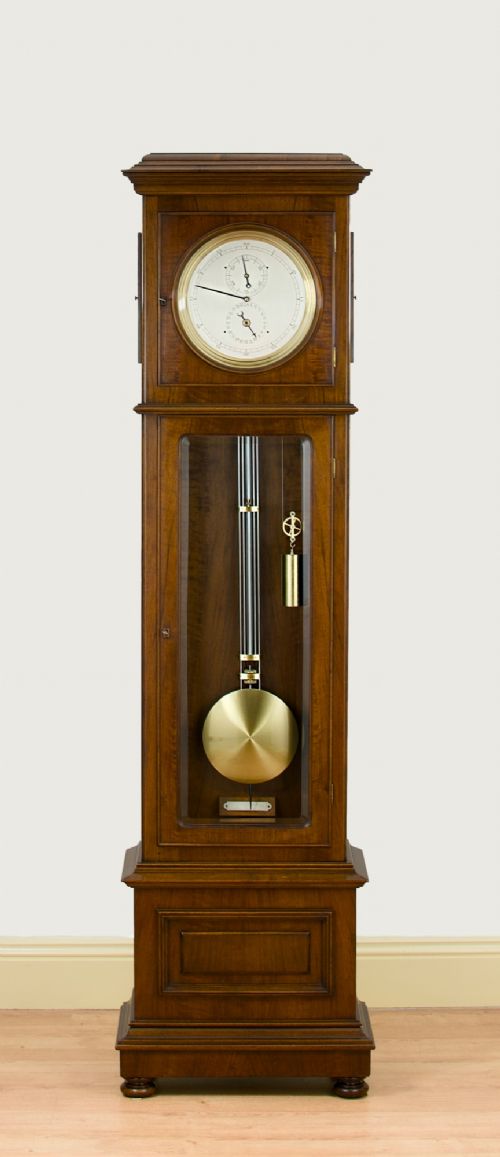
Cases are built from dense timbers such as mahogany, ebonised wood, and walnut, often featuring glass panels to protect the movement while permitting observation of the pendulum and weights.
Internal mechanisms combine brass wheels and plates with silvered metal dials and enamel chapters, utilising precise escapements like the pinwheel to reduce friction and maintain accurate time.
Precision Regulator Clock Retail Price Guide 2026
Typical asking prices for precision regulator clock among the pieces listed under this phrase on Sellingantiques today, from the lower quarter to the upper quarter. They describe what is for sale here now, not the wider market.
Some models run for a whole month on a single wind, requiring remarkable patience from anyone holding the winding key.
What varies in quality
Quality rests in the sophistication of the movement and the integrity of the cabinet, where fine brass work and clean gear cutting distinguish professional scientific instruments from standard domestic timepieces.
The choice of timber and the precision of the case construction dictate overall excellence, with figured mahogany and substantial glass panels indicating higher workshop standards.
Lenzkirch·William Chisholm Of Aberdeen·Pearce And Sons·Aitchison Of Glasgow·Hampston Prince And Cattles·Frederick Rowe·Richard Rowell·Barr Of Glasgow·Valiant Paris
The Precision Regulator Clock Glossary
- Regulator clock
- A high-precision timekeeper designed to maintain extreme accuracy, traditionally used as a standard against which other clocks were set.
- Longcase clock
- A tall pendulum clock enclosed in a wooden case that protects the movement and suspends the pendulum.
- Pinwheel escapement
- A specialised clock escapement using pins instead of traditional teeth on the escape wheel, allowing for minimal power loss and high accuracy.
- Silvered metal
- A metallic dial surface treated with a silver compound to produce a matte, legible background for engraved numerals.
- Vienna regulator
- A wall-mounted precision clock developed in Austria, notable for its long glazed door and heavy pendulum.
Precision Regulator Clock: Frequently Asked Questions
How do I set up a precision regulator clock?
Ensure the case stands perfectly vertical on a solid floor to allow the pendulum to swing with uniform impulse on both sides. Carefully hang the pendulum and attach the weights according to the movement requirements.
Allow the clock to settle for several hours before adjusting the minute hand to the correct time. Fine adjustments to rate are made by moving the regulation nut on the pendulum rod.
Why do these clocks have glass panels?
Glass panels allow the owner to monitor the action of the pendulum and the position of the driving weights without opening the protective case. This enclosure shields the delicate mechanism from dust and air currents that might alter the swing.
Keeping the movement sealed maintains consistent internal conditions necessary for precise timekeeping.
What is the difference between a wall and longcase regulator?
Longcase regulators house the movement and a long, temperature-compensated pendulum within a tall floor-standing wooden cabinet. Wall regulators, such as Vienna styles, mount directly to structural walls and often feature compact glazed cases.
Both styles prioritize precision movement design, but wall versions offer a more space-efficient display.