




Walnut Pendulum Clock
A walnut pendulum clock brings architectural warmth and steady timekeeping to a room, ranging from early longcase forms to mid-century wall pieces.

What these clocks are
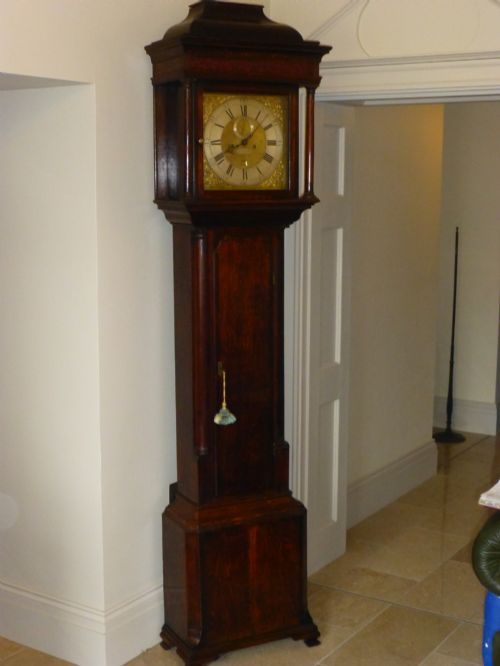
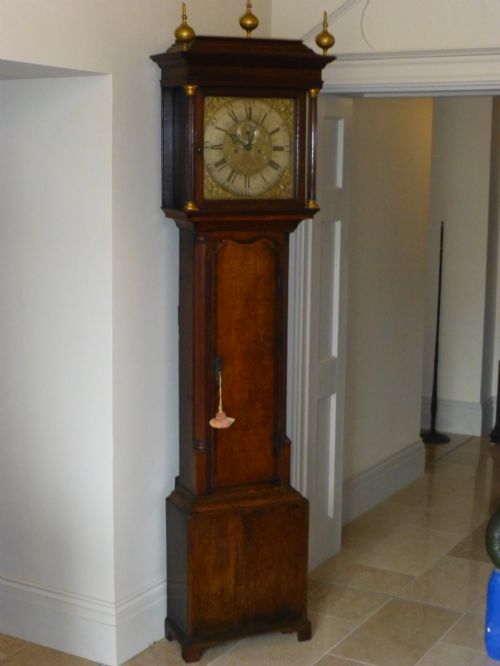
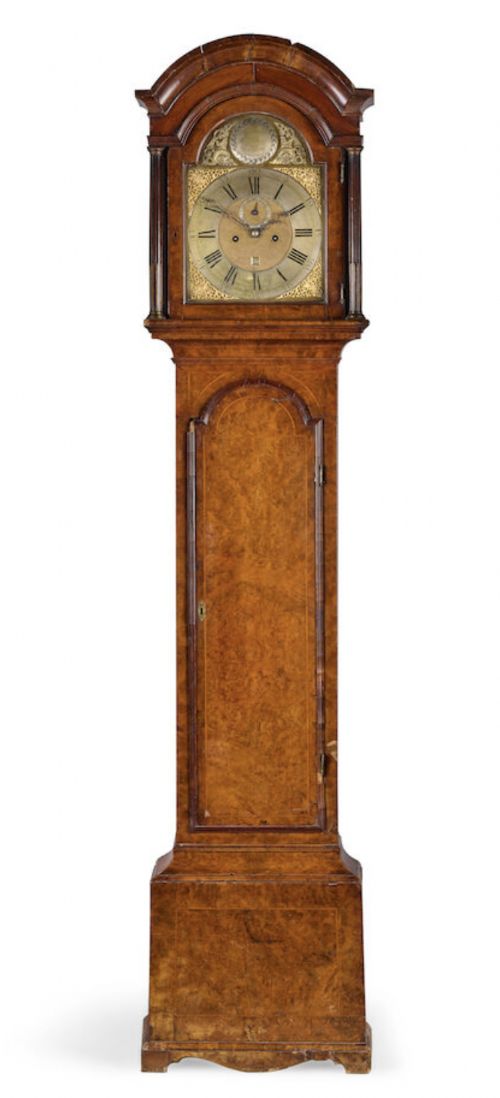
A walnut pendulum clock spans multiple centuries and forms, uniting domestic timekeeping with rich timber patination. When you search for a walnut pendulum clock, you encounter pieces that range from monumental longcase examples to compact wall-hanging regulators.
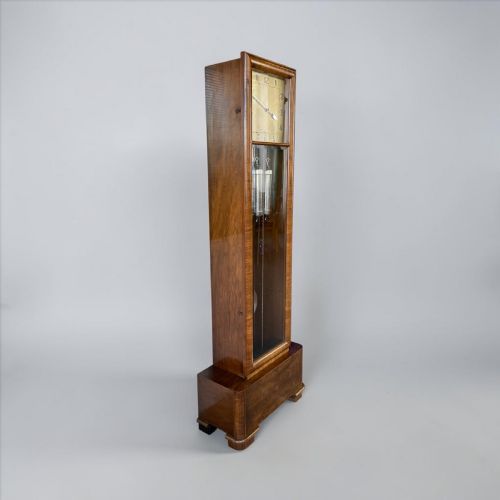
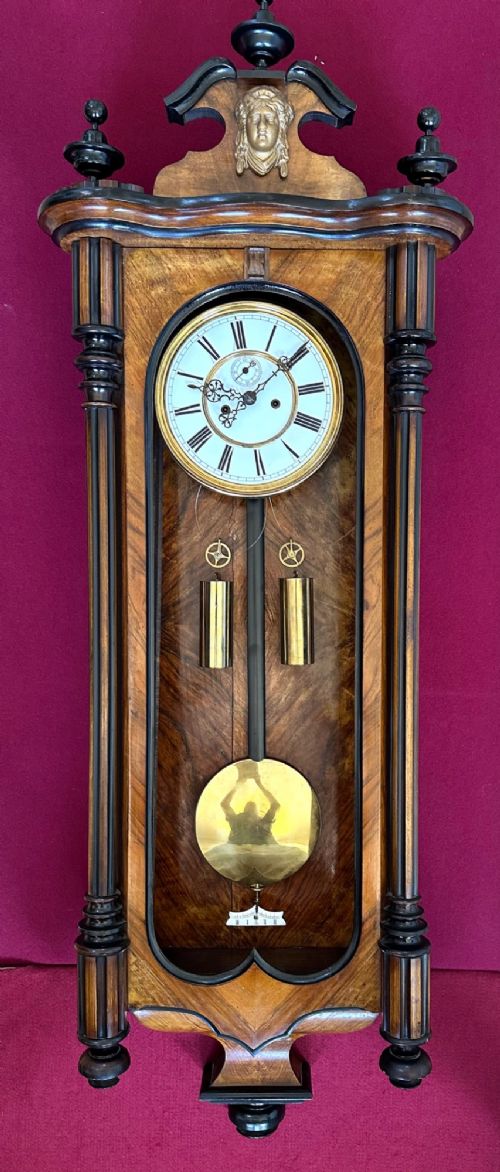
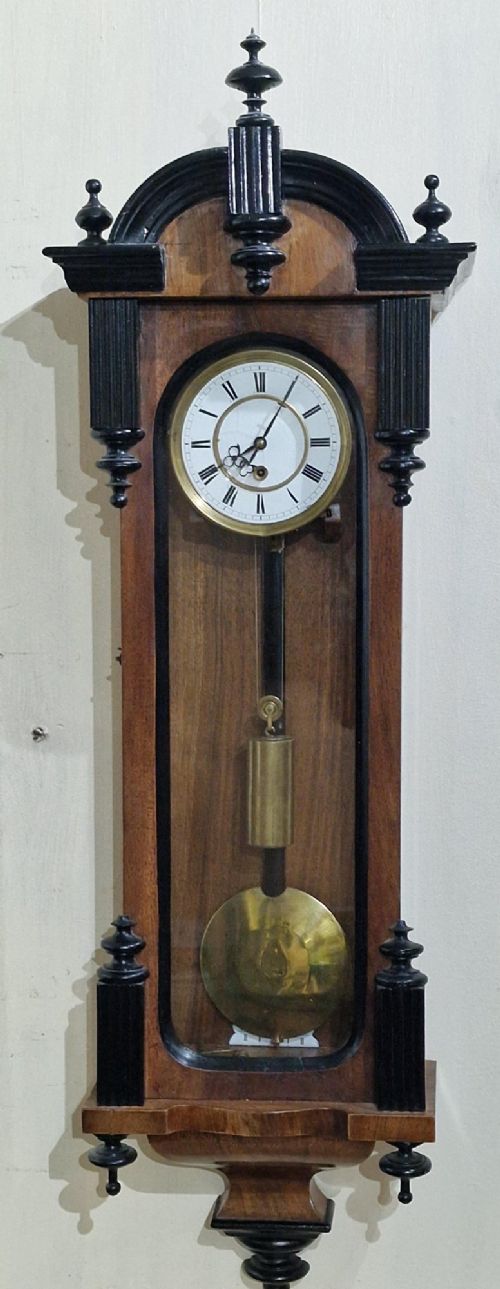
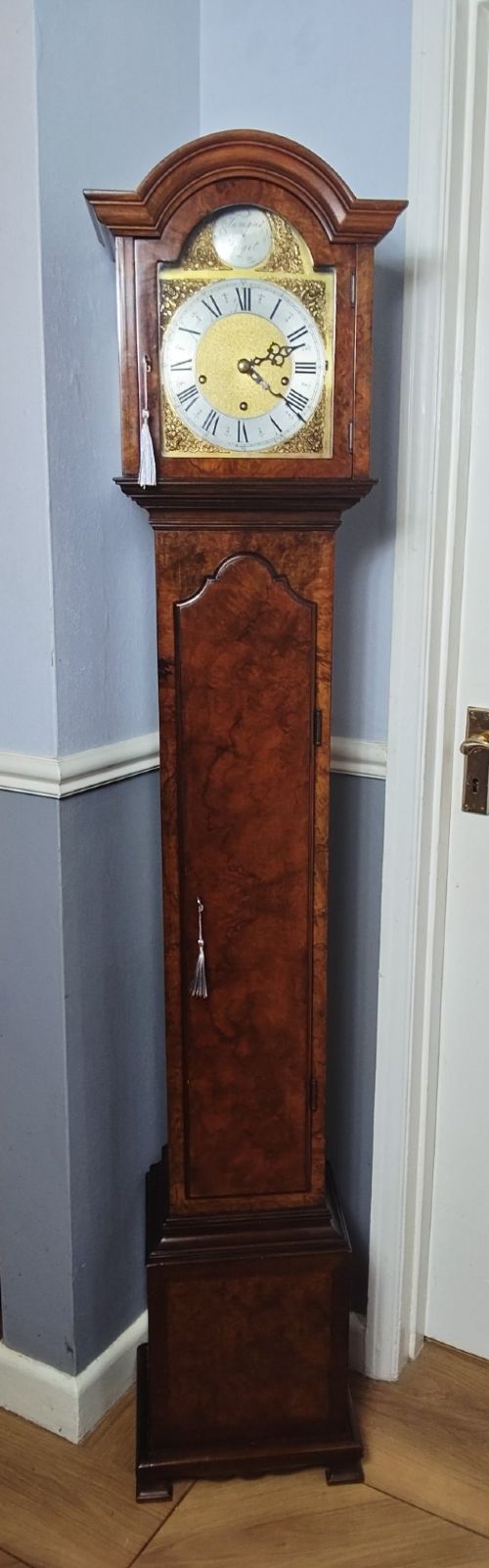
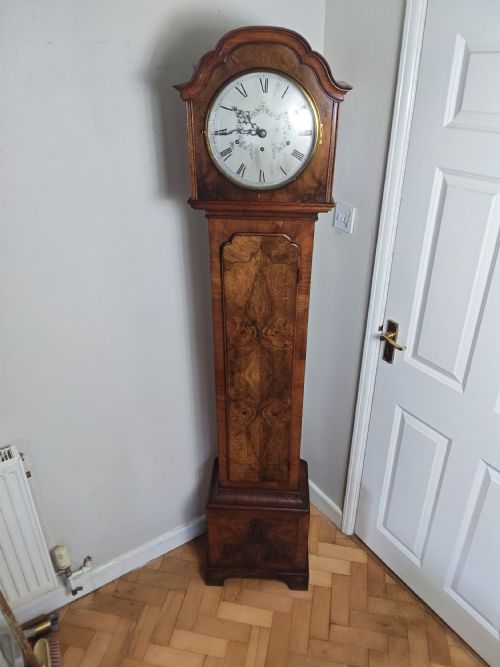
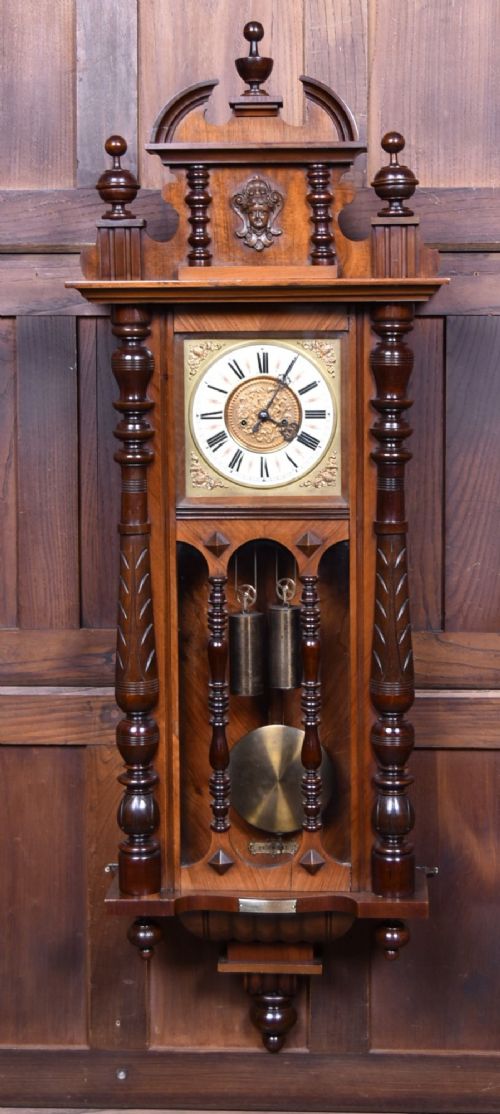
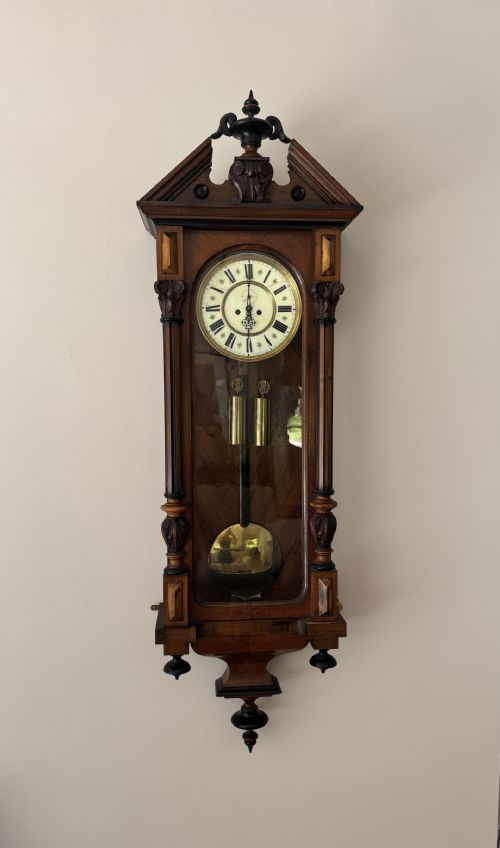
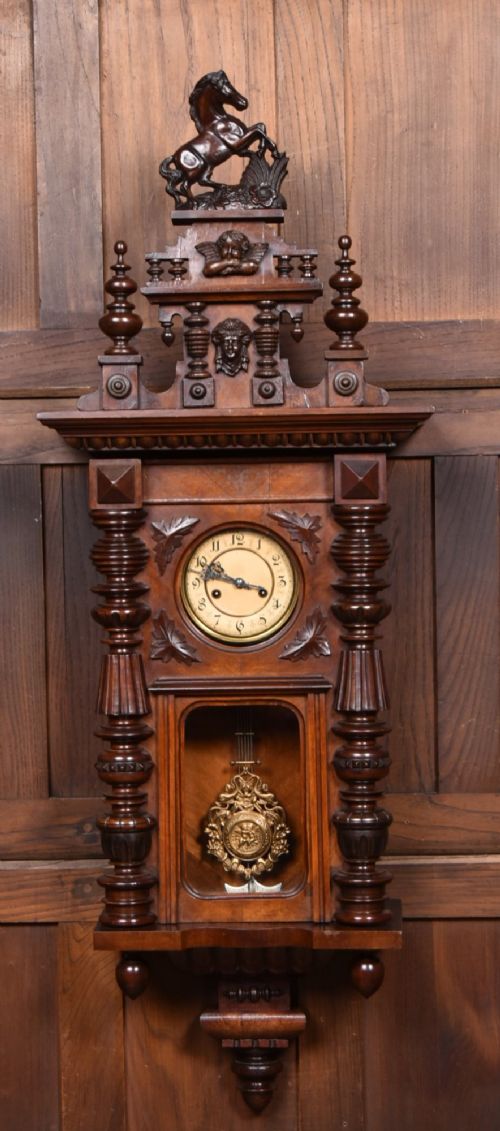
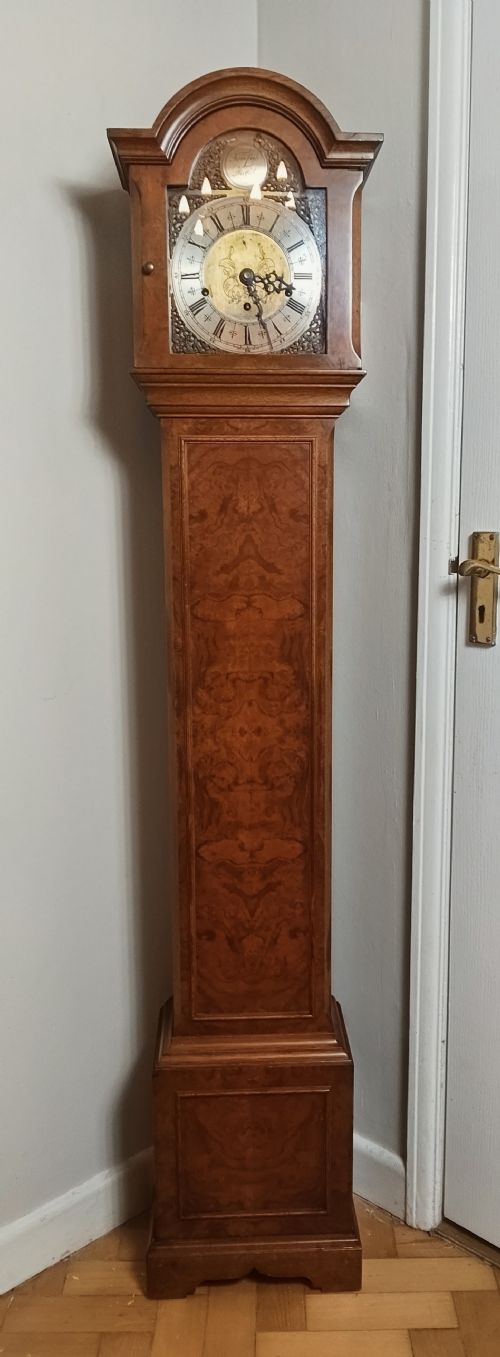
The selection on this page shows a strong representation of Victorian wall clocks alongside earlier seventeenth-century English longcase pieces and twentieth-century French designs. Forms vary from drop dial and double weight wall clocks to striking Vienna wall models and architectural floor pieces.
Origins stretch across English workshops and continental makers, reflecting shifting domestic tastes for reliable movement housed in rich timber cases. Each piece uses the weight or spring drive of a pendulum mechanism to drive its timekeeping.
How they were made
Casework relies heavily on walnut and burr walnut veneers applied to carcase timbers, sometimes accented with ebonised wood for contrast and depth. The natural grain patterns of the walnut provide the primary visual interest of the exterior case.
Dials incorporate materials such as enamel and brass for legibility and decorative impact, protected behind hinged glass doors. Internal movements deploy brass gears and escapements driven by either weights or springs, suspended by a pendulum.
Stylistic details span the carved flourishes of the seventeenth century, the restrained Victorian proportions, and the clean lines of Art Deco French manufacturing.
Retail Price Guide 2026
Typical UK retail prices for walnut pendulum clock, calculated from the Sellingantiques database of over a million retail prices indexed since 2003. This retail price guide relies exclusively on Sellingantiques data; no external sources or auction records are used, so the figures do not describe the wider market.
Materials recorded across the inventory include glass, brass, walnut, burr walnut, enamel, and ebonised wood.
What varies in quality
Quality rests in the crispness of the timber selection, such as the lively figure found in burr walnut veneers, and the precision of the case joinery. Finer examples display harmonious proportions and careful matching of grain across the door and bezel frames.
The sophistication of the internal movement and the legibility of the dial separate standard timekeepers from exceptional specimens. Dial materials like finely painted enamel or well-engraved brass elevate the presence of the piece when open or closed.
Edin Burgis·Gustof Becker·Vedette
The Walnut Pendulum Clock Glossary
- Burr walnut
- A veneer taken from the wart or burl growths of the walnut tree, prized for its swirling, highly figured grain pattern. It appears on finer Victorian and seventeenth-century cases.
- Drop dial
- A wall clock case featuring a circular dial section at the top above a pendulum box that extends downward. This form was popular during the nineteenth century.
- Vienna regulator
- A precision wall clock style originating in Austria, characterised by a long glass-fronted door that showcases the descending weights and pendulum. They are known for accurate timekeeping and elegant walnut or ebonised framing.
- Ebonised wood
- Timber stained or treated to imitate ebony, providing dark contrasting mouldings and details against the lighter walnut body. It is frequently seen on Victorian and later nineteenth-century cases.
Frequently Asked Questions
How do I wind a wall clock?
Most spring-driven or weight-driven wall clocks require a key to tension the mainsprings or pull the weight chains back to the top of the case. Care must be taken not to overwind the mechanism.
Consult the specific requirements of the movement type, whether single or double weight, to ensure the pendulum remains in beat after winding.
Where should I hang a wall clock?
Hang your clock on a solid interior wall away from direct sunlight, excessive moisture, and heavy vibrations from doors or traffic. A stable wall ensures the pendulum swings evenly.
Ensure the back case rests flat against the surface so the beat of the escapement sounds regular and steady.
How do I tell an Art Deco clock from a Victorian one?
Art Deco clocks feature streamlined geometry, symmetrical styling, and materials typical of the 1940s, such as the Vedette carillon wall models. They eschew the ornate carvings and classical proportions of earlier periods.
Victorian pieces rely on traditional architectural motifs, drop dials, and heavily figured burr walnut surfaces that reflect nineteenth-century domestic tastes.
What is a longcase clock?
A longcase clock is a tall floor-standing timekeeper that encloses the weights and long pendulum within a protective wooden trunk and hood. Early examples date to the seventeenth century in England.
They combine monumental joinery with fine timber veneers like burr walnut, serving as both functional timepieces and primary pieces of furniture.