
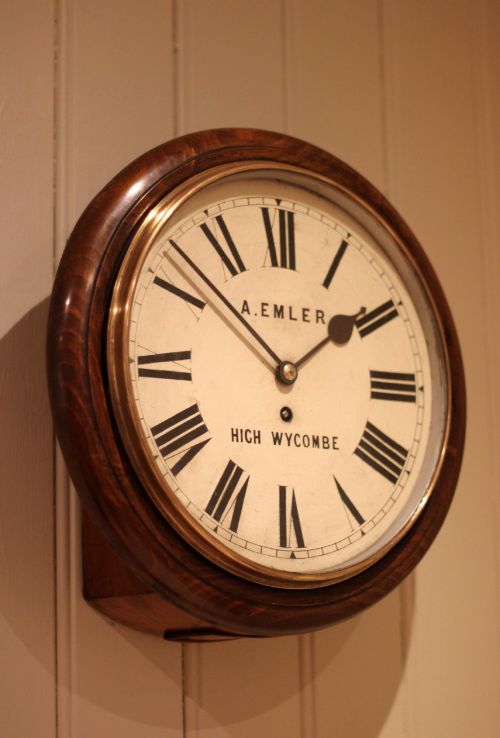
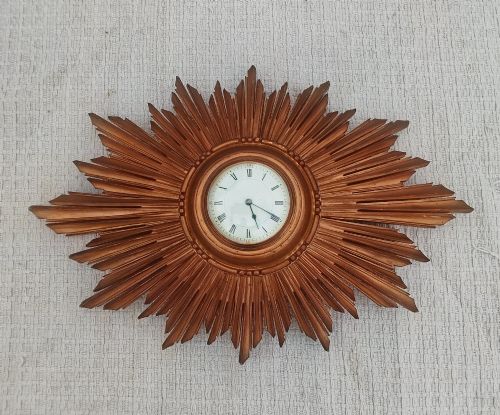
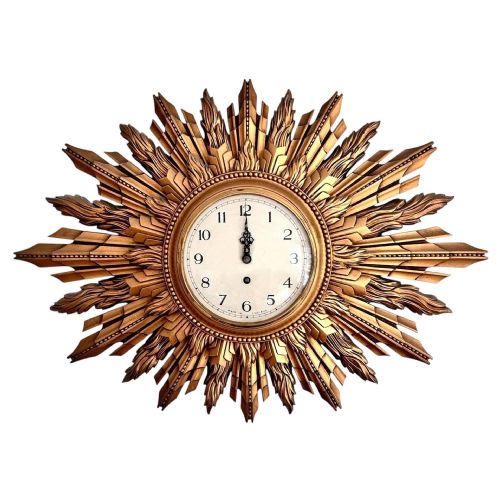
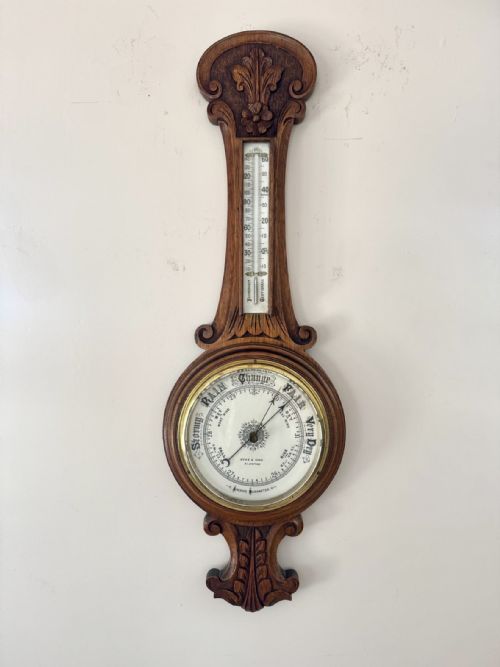




Carved Wood Wall Clock
These carved wood wall clock pieces bring tactile depth and reliable timekeeping to a room, ranging from Black Forest automata to crisp English fusee dials.

Carved Wood Wall Clock
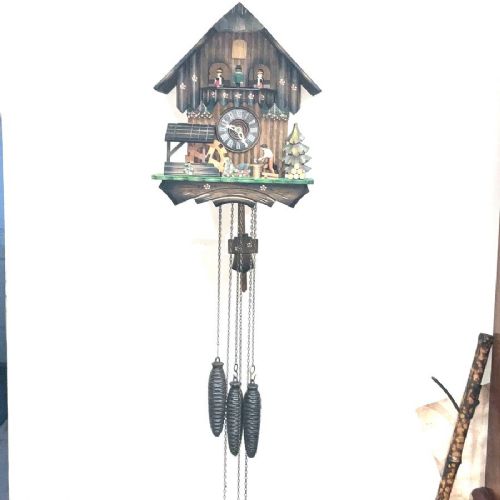
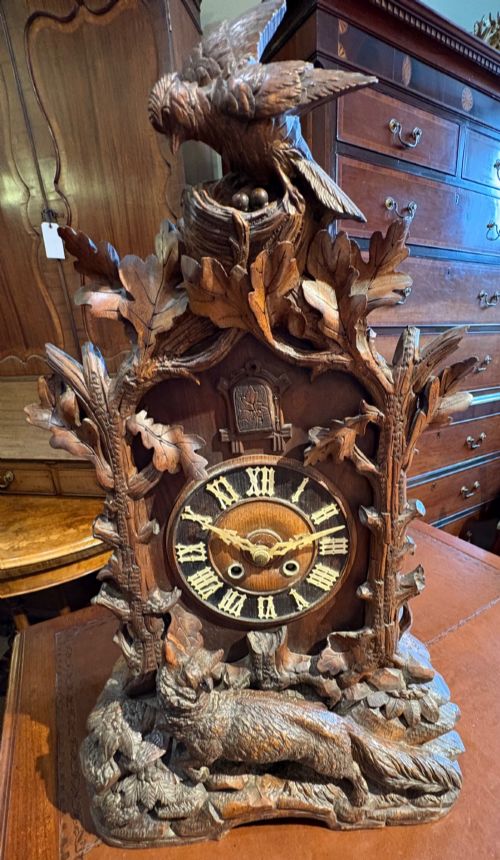
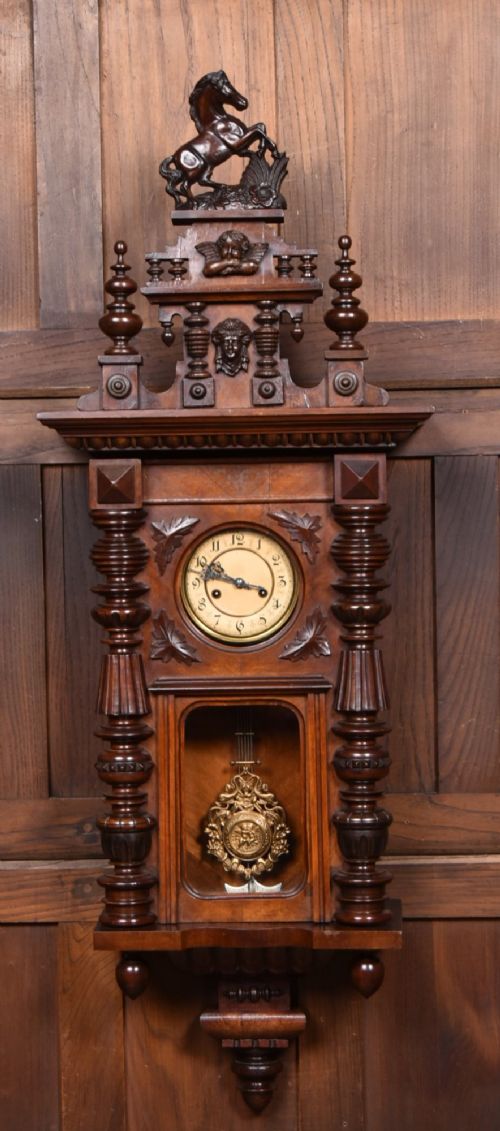
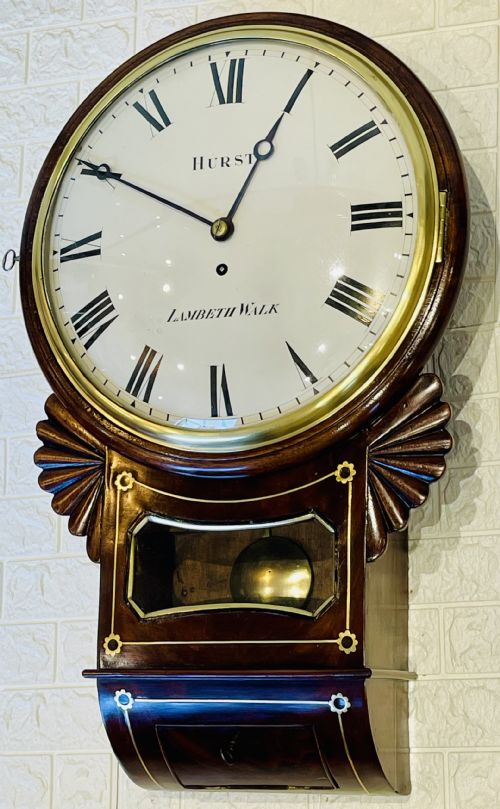
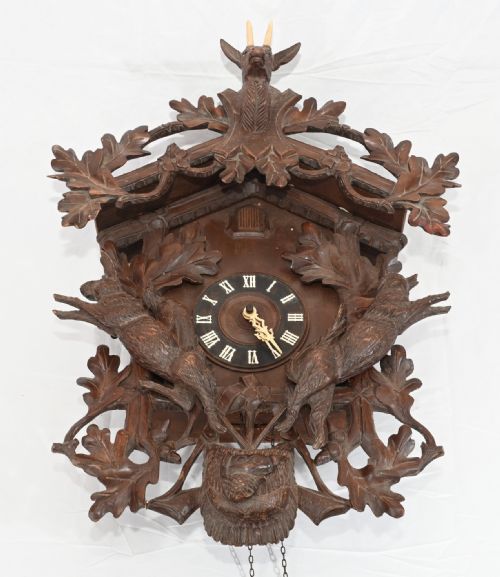
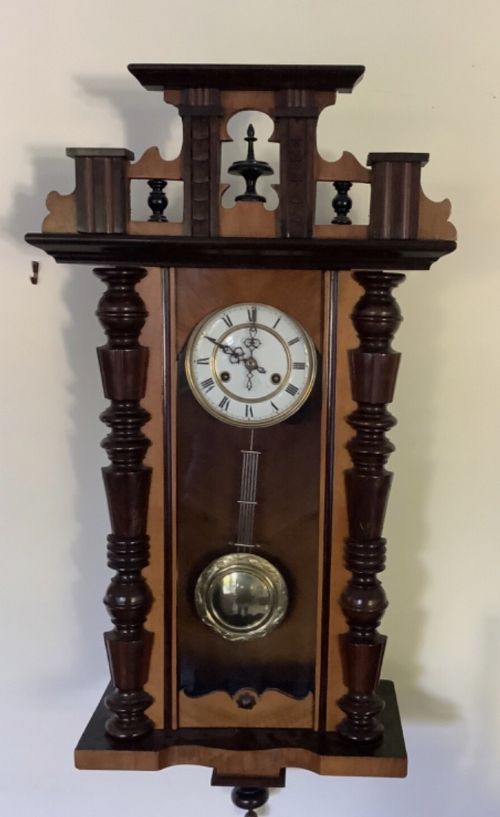
A carved wood wall clock serves as both a functional timepiece and a striking focal point in a room. When you examine this selection, you encounter a diverse array of forms, from the intricate foliage of Black Forest pieces to the clean lines of English drop dials and continental Vienna wall clocks.
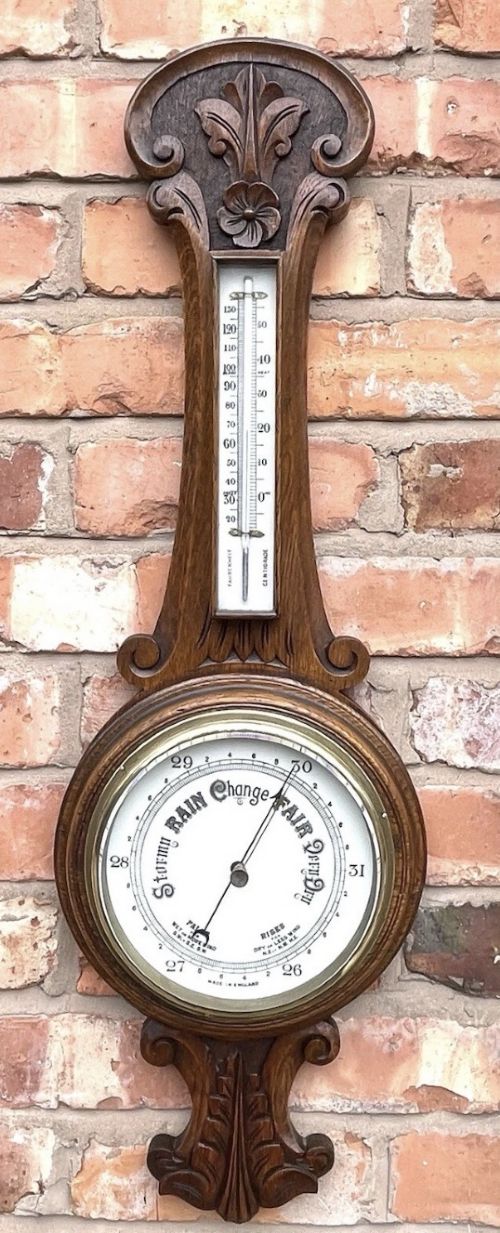
The most common examples you meet on this page span the nineteenth century and the Edwardian era, utilising rich hardwoods like walnut, mahogany, and oak. Alongside standard timepieces, the listings include combined aneroid barometers and specialised instruments reflecting regional European craftsmanship.
Makers ranged from precision London watchmakers to rural German woodcarvers, resulting in objects that vary dramatically in scale and ornamentation. Whether you seek a restrained dial for a hallway or an elaborate architectural case for a principal room, these wall-mounted pieces anchor an interior with historical character.
How They Were Made
Cabinetmakers and clockmakers constructed these bodies using solid timbers such as walnut, mahogany, oak, and beech, frequently applying rosewood veneers or giltwood highlights. Carving was executed by hand, particularly on Black Forest and Rococo revival items, where deep relief work depicts foliage, animals, and classical motifs.
Dial construction varied according to regional tradition and date, utilising painted wood, brass, enamel, or ceramic behind protective glass bezels. Movements ranged from simple mechanical spring-driven mechanisms to precise fusee movements designed to maintain even tension as the mainspring unwound.
Carved Wood Wall Clock Retail Price Guide 2026
Typical asking prices for carved wood wall clock among the pieces listed under this phrase on Sellingantiques today, from the lower quarter to the upper quarter. They describe what is for sale here now, not the wider market.
Listings feature timber cases in mahogany, walnut, oak, beech, and rosewood, alongside giltwood and brass elements spanning the nineteenth and twentieth centuries.
What Varies in Quality
The distinction between ordinary and exceptional pieces rests primarily on the crispness of the hand-carved ornamentation and the integrity of the timber. Finely rendered carving retains sharp undercut details and smooth surfaces, whereas lesser examples appear soft or mechanical in execution.
Mechanical sophistication also dictates the upper tier of the range, separating standard timekeepers from twin fusee models, bell-striking mechanisms, and complex automata. Original dials, matching pendulum components, and untouched movement plates further elevate an example's integrity.
Hyde & Sons Sleaford·Smiths England·Gustav Becker·Johann Baptist Beha
The Carved Wood Wall Clock Glossary
- Fusee
- A conical pulley connected to the mainspring by a cord or chain that equalizes the driving force as the spring uncoils. This mechanism ensures consistent timekeeping across the duration of the winding cycle.
- Drop Dial
- A clock case featuring a circular dial mounted above an extended lower trunk that houses the pendulum. This design gained popularity in English public spaces and domestic halls during the nineteenth century.
- Aneroid Barometer
- An instrument measuring atmospheric pressure without liquid, typically utilising a flexible metal box that expands or contracts with weather shifts. Many period wall instruments combine this mechanism with a clock and thermometer.
- Vienna Regulator
- A precision weight-driven wall clock originating in Austria and Germany, housed in an elongated glass-fronted walnut or mahogany case. These pieces are celebrated for their meticulous movement construction and elegant architectural proportions.
- Black Forest
- A style of woodwork and horology originating from the mountainous region of Germany, noted for deep walnut carvings of birds, leaves, and rustic scenes. Clocks from this origin frequently incorporate mechanical cuckoo automata.
Carved Wood Wall Clock: Frequently Asked Questions
How do I wind a fusee wall clock?
Locate the winding arbor on the dial face and gently insert the appropriate key, turning it clockwise until resistance halts the motion. Care must be taken not to overwind the mechanism.
Ensure the key matches the square arbor precisely to avoid stripping the metal over years of regular maintenance.
Where should I hang a heavy wooden wall clock?
Select an interior wall capable of supporting the substantial weight of hardwood cases and mechanical movements, preferably fixing directly into solid masonry or deep wooden studs.
Avoid exterior walls subject to dampness or significant temperature swings, which can adversely affect the wooden case and delicate internal components.
How do I tell an English drop dial from a Vienna wall clock?
English drop dial clocks typically feature a compact circular dial atop a shorter wooden trunk, driven by a fusee movement in mahogany or rosewood cases. They emphasise functional clarity and robust maritime or domestic utility.
Vienna wall clocks display a much longer glass-fronted case revealing swinging weights and a visible pendulum, prioritizing precision timekeeping within an architectural walnut housing.
What is the difference between a barometer and a clock combination?
Combination pieces integrate separate meteorological instruments, such as an aneroid barometer, thermometer, and sometimes a hygrometer, alongside the primary clock face within a unified carved wooden frame.
Standard wall clocks focus solely on timekeeping, whereas combination instruments served as comprehensive domestic weather stations in Victorian and Edwardian hallways.