



Vintage Pendulum Wall Clock
A vintage pendulum wall clock brings steady mechanical rhythm and period character to a room.

Vintage Pendulum Wall Clock
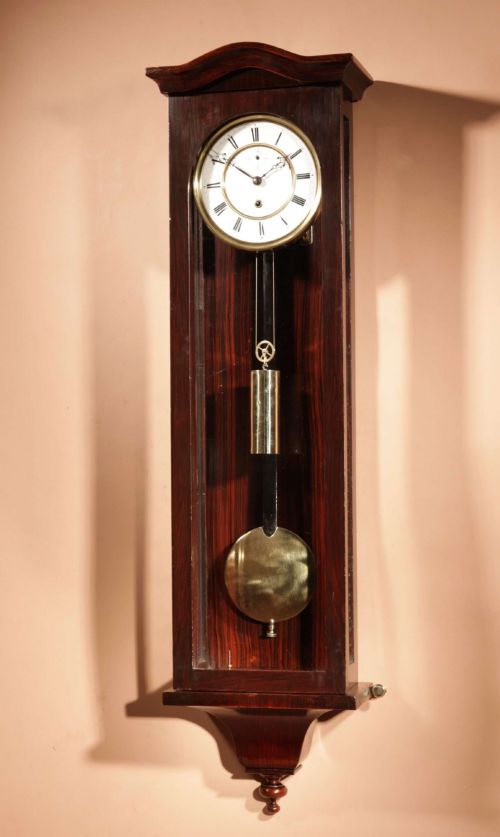
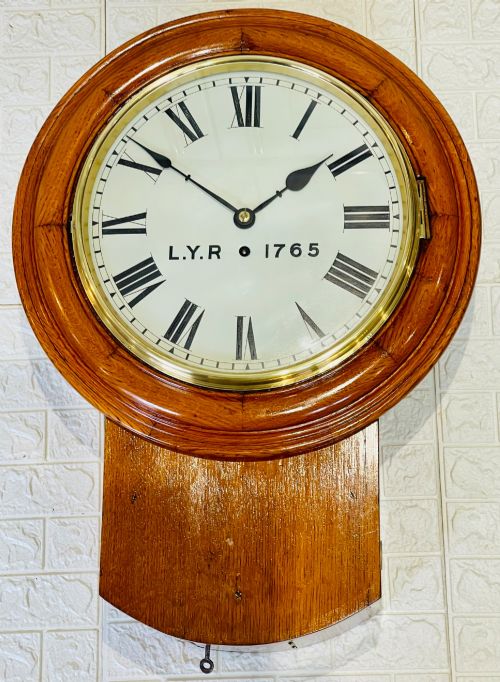
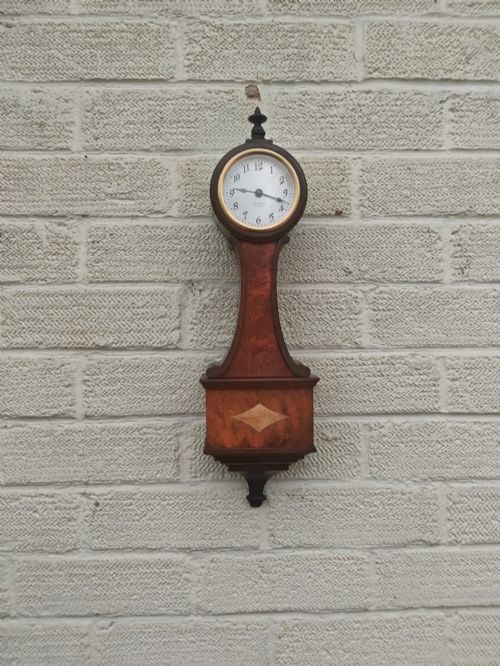
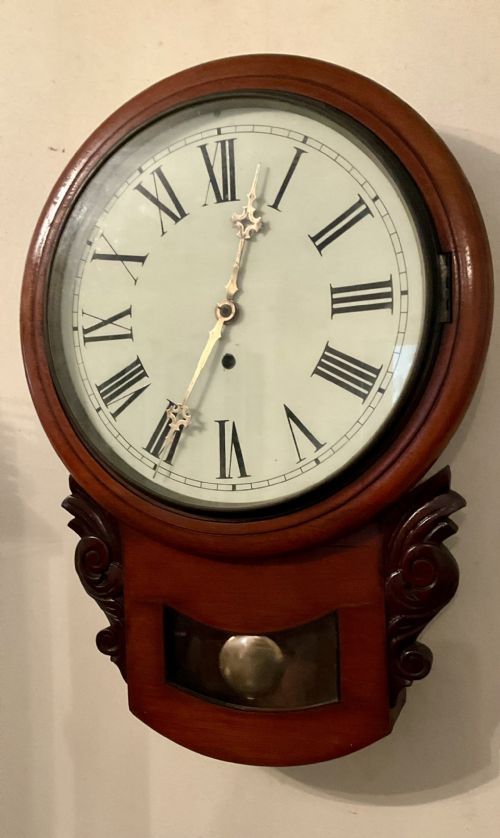
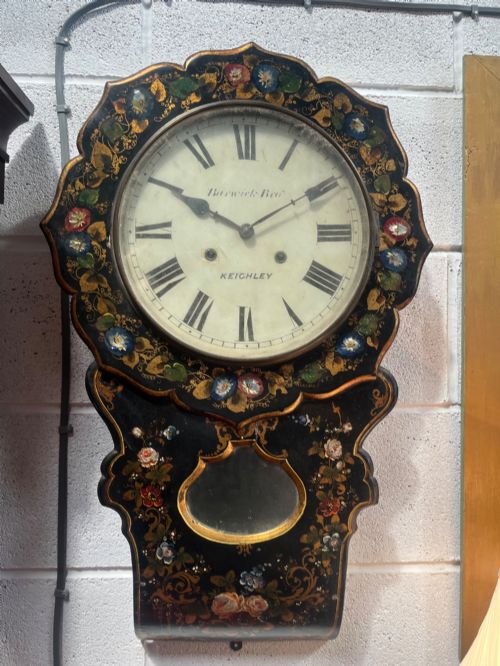
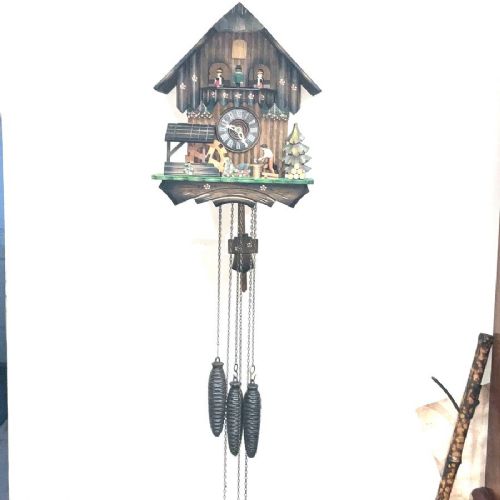
A vintage pendulum wall clock spans styles from ornate carved Black Forest models to functional railway drop dials. These timepieces hang on domestic and commercial walls, driven by weights, springs, or fusee movements.
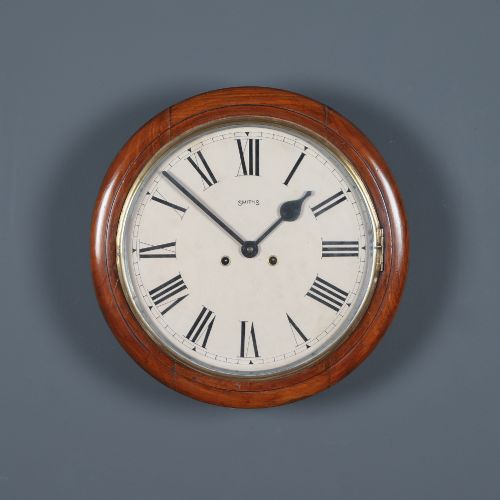
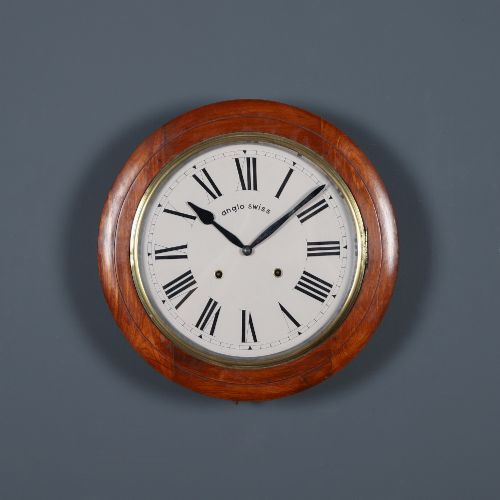
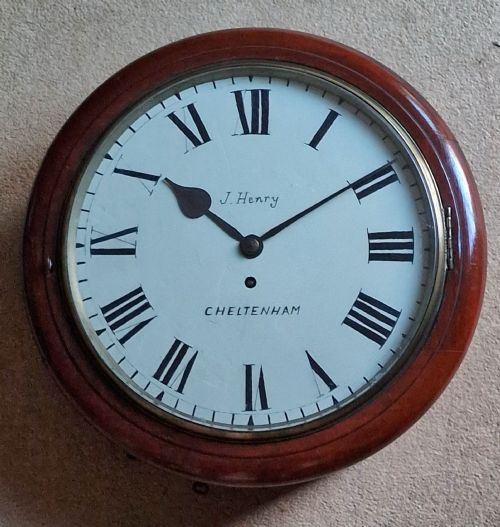
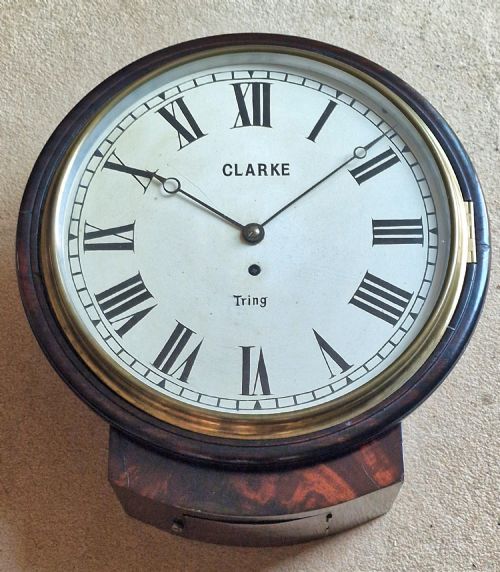
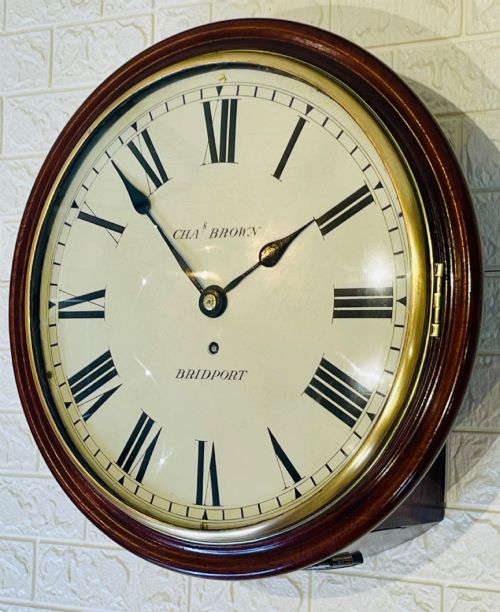
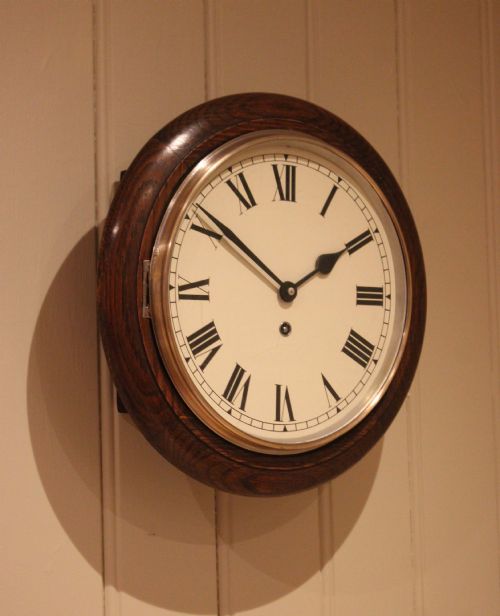
Victorian and Edwardian iterations frequently use mahogany or oak for circular dial surrounds and drop cases. Regional English examples bear maker names painted across white enamel or paper faces, charting local trade.
Continental pieces introduce walnut cases, architectural Vienna regulator proportions, or detailed carved wooden figures. Art Deco variants shift toward geometric oak and walnut housings with contrasting metal details.
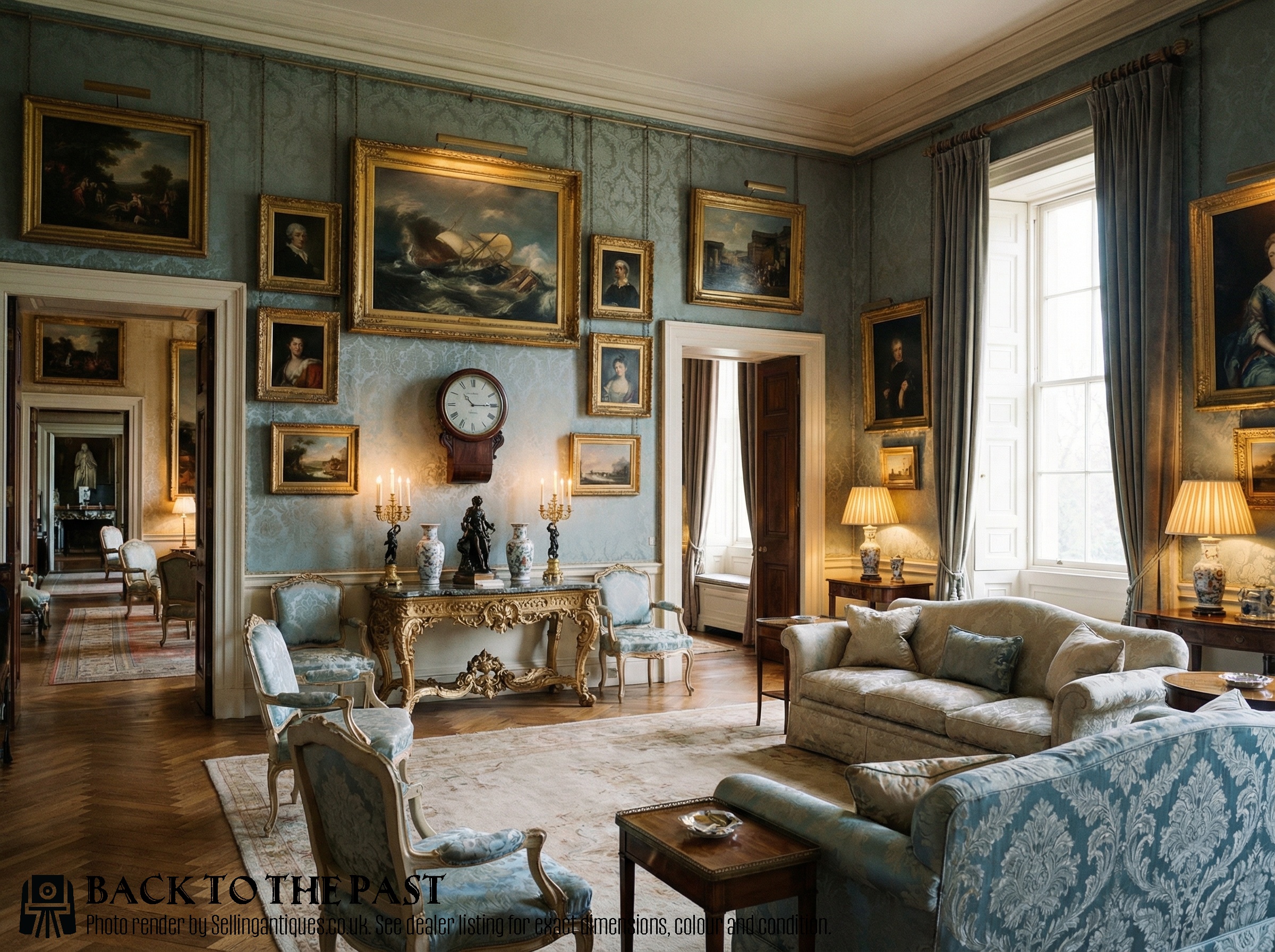
Distinguishing quality in construction
Movement execution marks the primary division in quality, with clean, hand-cut brass gears and signed backplates outperforming mass-produced components. Case joinery, timber selection, and original glass panes further separate standard pieces from high workshop standards.
Preservation of original dials, hands, and pendulum bobs maintains historical integrity. Altered movements, replaced cases, or modern dials reduce technical authenticity.
Vintage Pendulum Wall Clock Retail Price Guide 2026
Typical asking prices for vintage pendulum wall clock among the pieces listed under this phrase on Sellingantiques today, from the lower quarter to the upper quarter. They describe what is for sale here now, not the wider market.
J Henry Cheltenham·George Clarke Tring·Thomas Hedge Colchester·Joseph Mansfield·John Walker
The Vintage Pendulum Wall Clock Glossary
- Fusee
- A conical pulley connected to the mainspring barrel by a chain or cord. This mechanism equalises the diminishing torque of a running spring to keep timekeeping consistent.
- Drop dial
- A clock case featuring a circular dial at the top above an extended wooden trunk. This lower section accommodates the swing of the pendulum.
- Regulator
- A precision pendulum clock designed for high accuracy. They often feature elongated glazed cases to view the pendulum swing.
- Railway clock
- A robust wall clock deployed in stations and offices. They typically display clear dials and durable wooden or metal surrounds.
- Verge escapement
- An early mechanical escapement controlling the release of wheel power. It uses a rocking rod with pallets engaging a crown wheel.
Vintage Pendulum Wall Clock: Frequently Asked Questions
How do fusee movements work?
A fusee movement uses a conical pulley and chain to regulate spring power. As the spring unwinds, the chain rides higher on the cone to maintain steady force.
This system ensures the clock maintains consistent amplitude as the mainspring loses tension between windings.
Where were drop dial clocks used?
Drop dial clocks served railways, schools, offices, and domestic hallways. Their clear faces suited public spaces where quick legibility mattered.
Compact versions suited residential rooms where floor space was limited.
How do I hang a wall clock?
A heavy wall clock requires a secure screw fixing into wall studs or proper masonry plugs. The case must hang plumb to ensure the pendulum swings evenly.
An unlevel case causes the escapement to tick unevenly and eventually stop the movement.
What is a Vienna regulator?
A Vienna regulator is a precision pendulum clock developed in Austria during the nineteenth century. These clocks feature long glass-fronted cases designed to showcase the pendulum and weight descend.
They represent high standards of nineteenth-century horological craftsmanship.