

Antique Timekeeper
An antique timekeeper brings mechanical precision and period craftsmanship into a room, offering both reliable function and centuries of design history.
What an antique timekeeper is
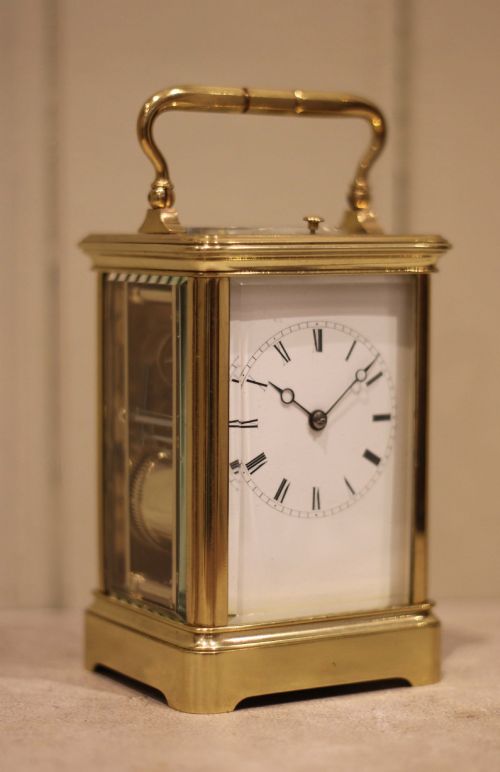
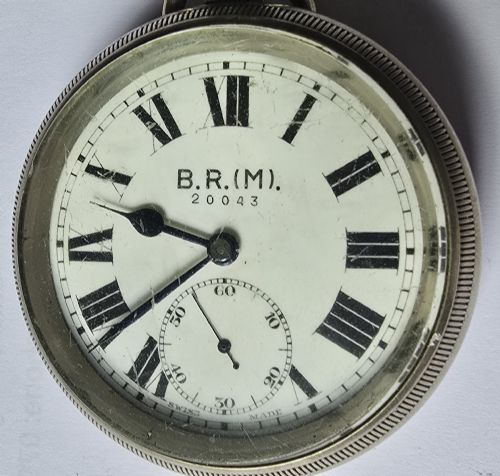
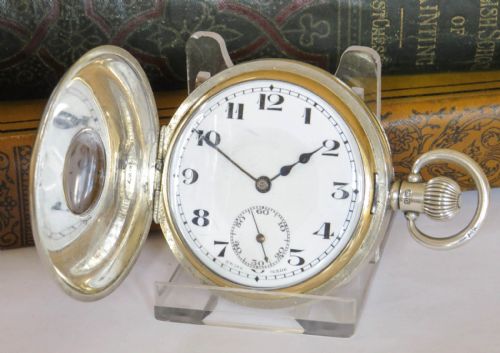
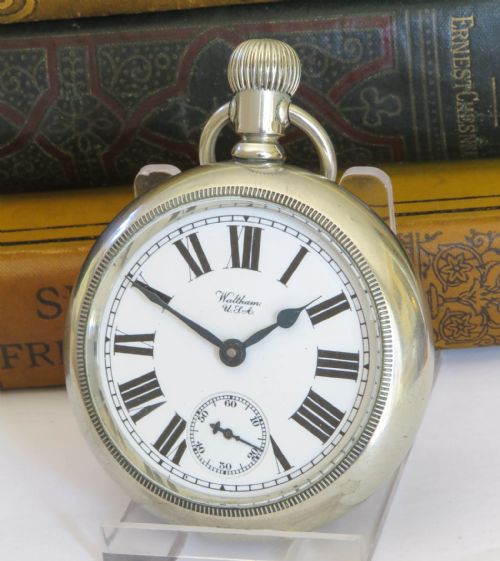
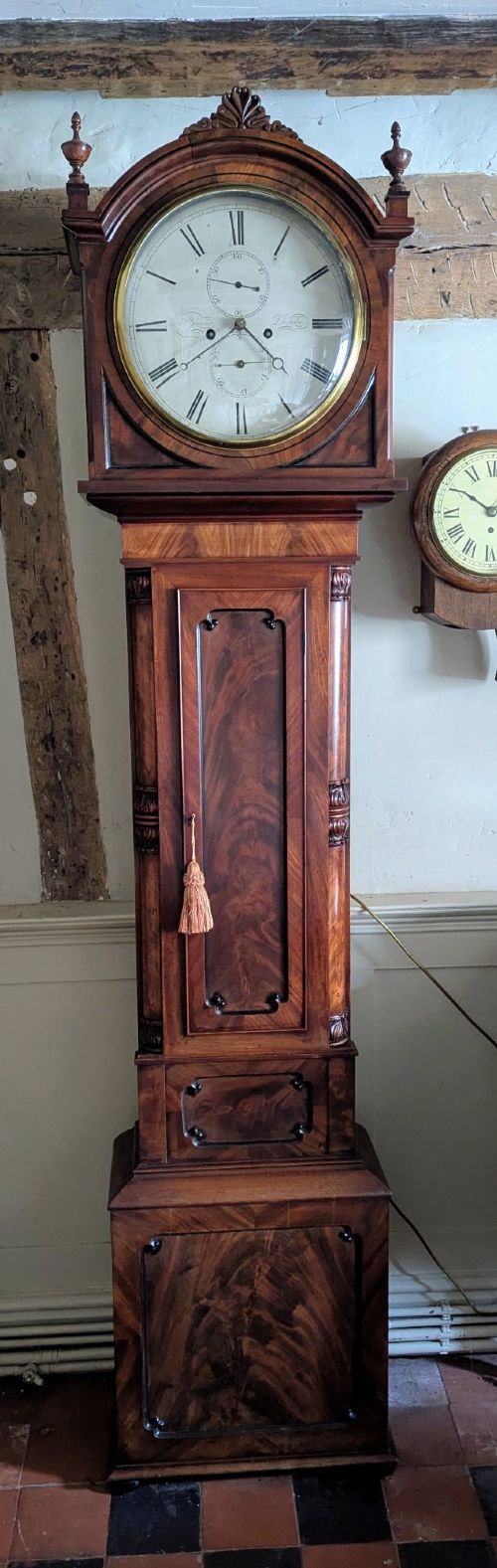
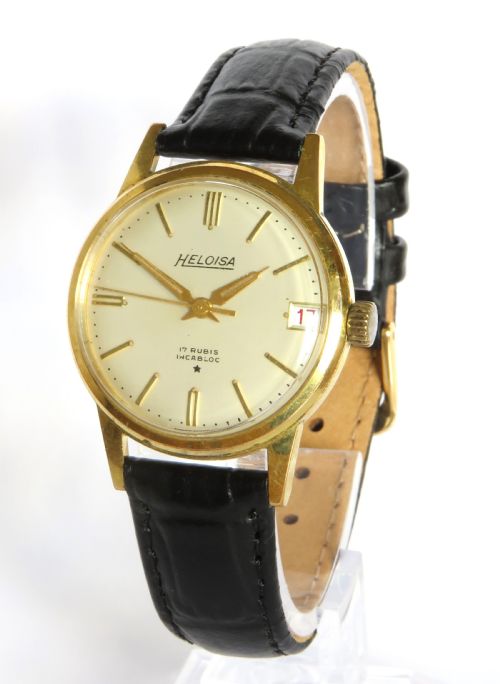
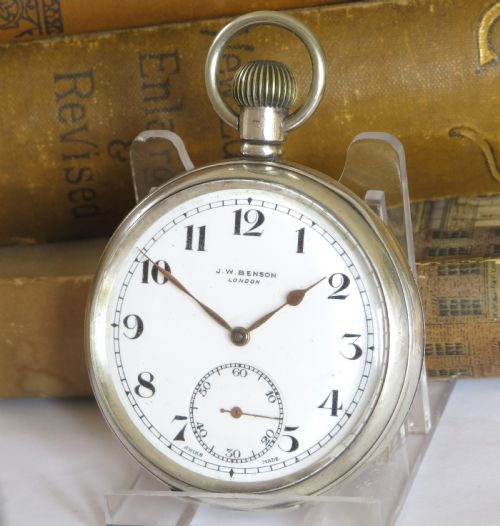
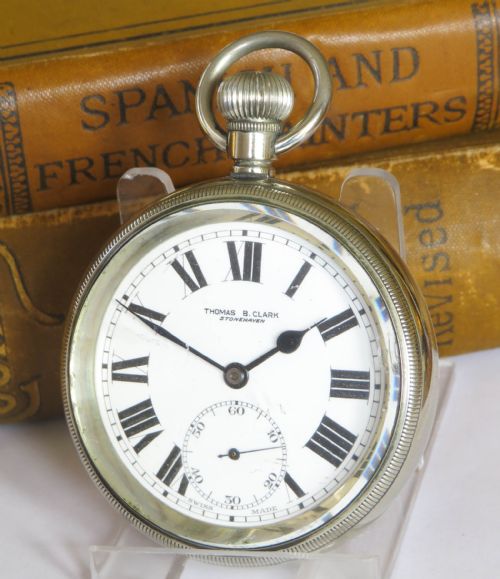
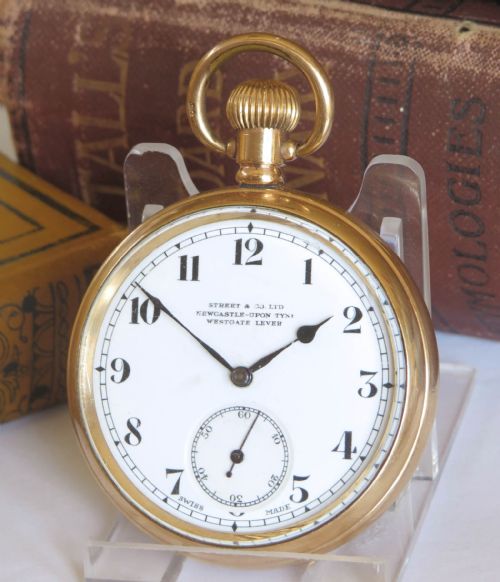
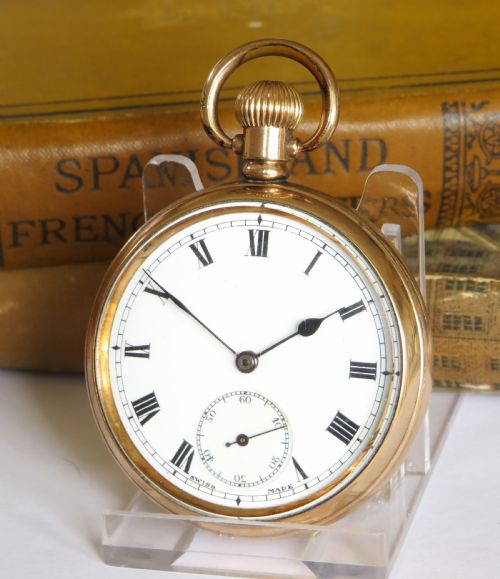
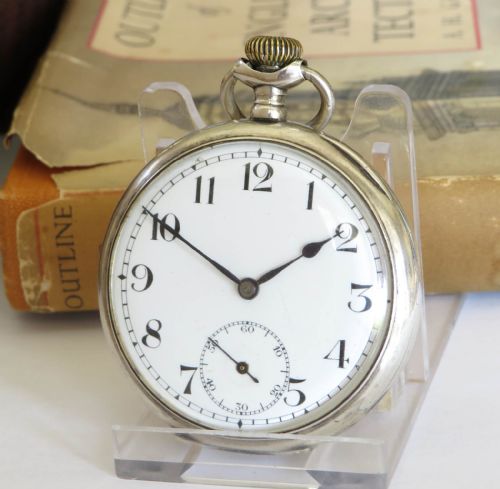
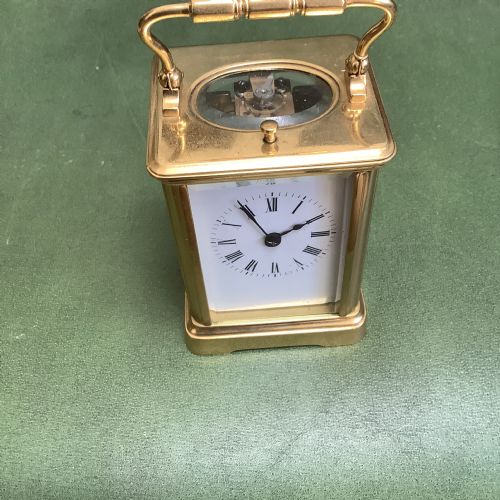
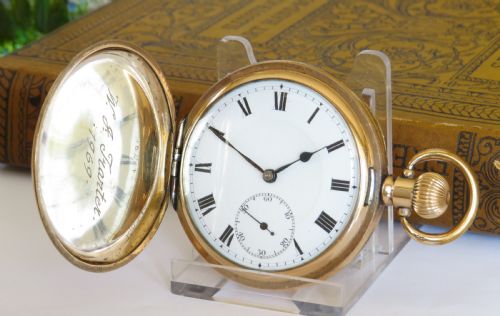
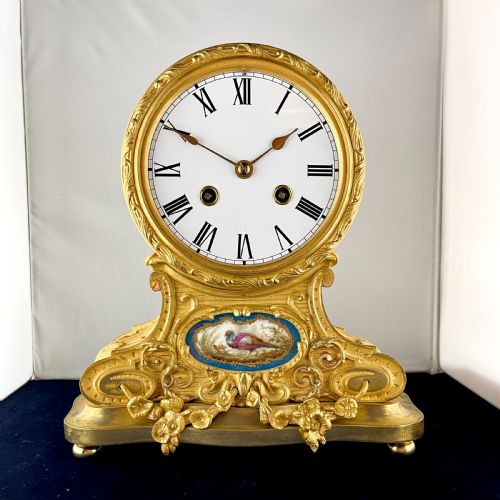
An antique timekeeper covers a diverse selection of functional horological objects, including wall clocks, mantel clocks, and pocket watches. When searching for an antique timekeeper, buyers encounter pieces spanning the nineteenth century through the early twentieth century.
The assortment on this page includes Victorian and Edwardian examples utilising neoclassical styles. Wall clocks with wooden dials and mantel clocks in marble sit alongside portable pocket watches.
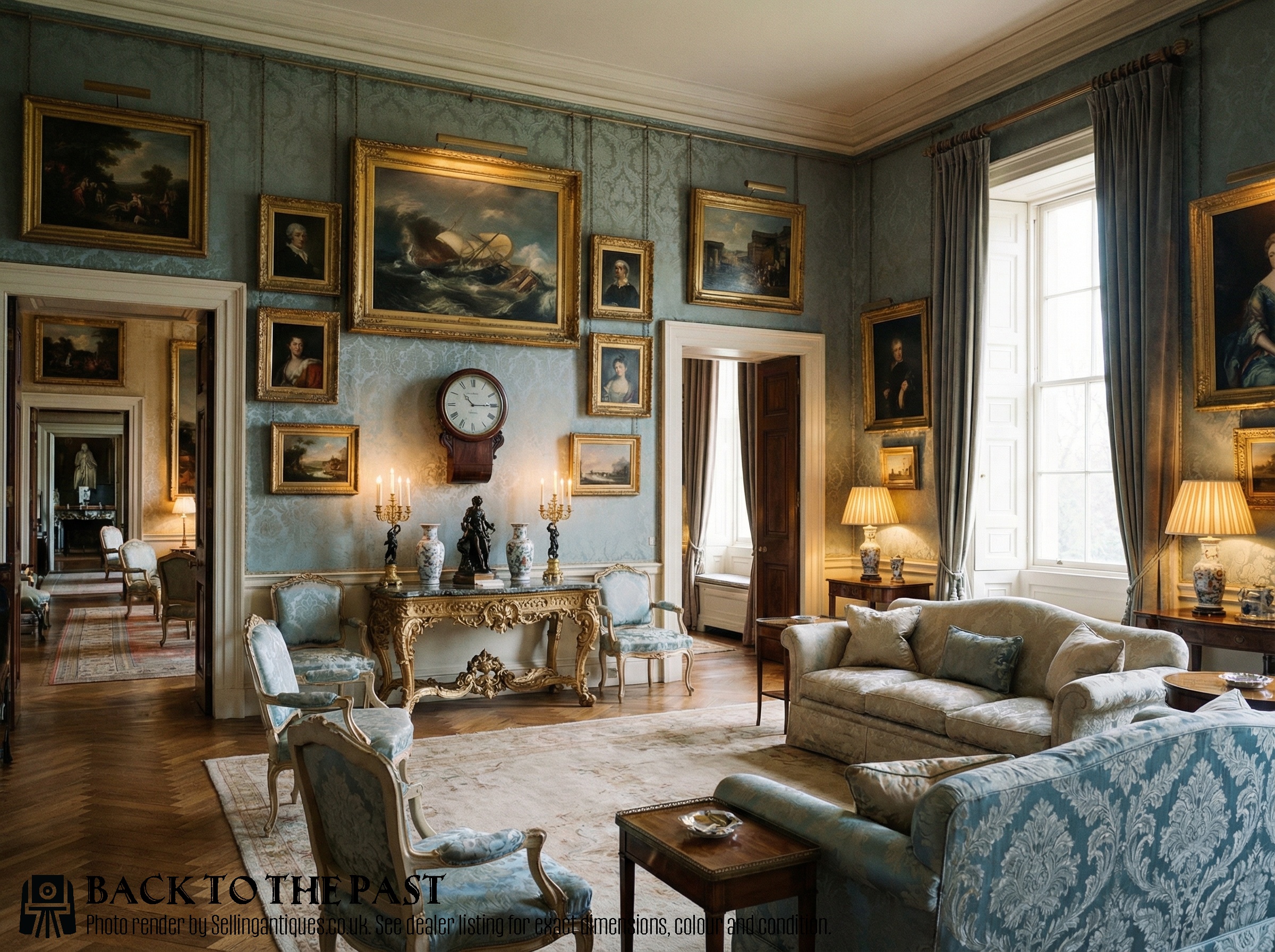
How they were made
These items utilise traditional materials such as mahogany, sienna marble, brass, bronze, glass, iron, enamel, and gold filled metal. Casework and housing often incorporate detailed brass inlay to accent the timber and stone structures.
Movements rely on mechanical mechanisms suited to their specific form, whether driven by a fusee setup in a wall-mounted dial or held within a polished marble housing.
Retail Price Guide 2026
Typical UK retail prices for timekeeper, calculated from the Sellingantiques database of over a million retail prices indexed since 2003. This retail price guide relies exclusively on Sellingantiques data; no external sources or auction records are used, so the figures do not describe the wider market.
Listings feature periods from the nineteenth century up to nineteen twenty, utilising materials like mahogany, sienna marble, and brass.
What varies in quality
Quality separates standard production from superior workshops by the precision of the timber cabinetry and the finish of the metal components. Better examples demonstrate finer joinery in the mahogany cases and cleaner execution in the dial work.
Maker attribution elevates certain pieces above anonymous items, as documented signatures on dials or movements reflect high-standard horological production.

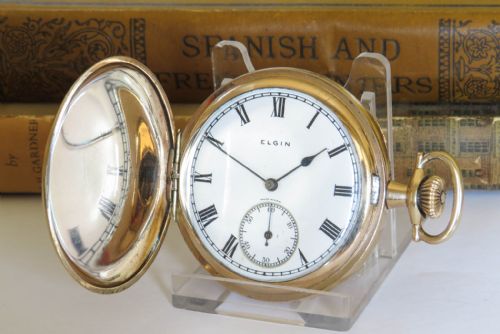
Dent of London·J.W. Enock of Warwick·Elgin
The Antique Timekeeper Glossary
- Fusee
- A conical pulley used in a clock movement to maintain even tension on the gear train as the mainspring unwinds.
- Dial
- The face of the clock where the hours and minutes are displayed, often protected by glass.
- Mantel clock
- A decorative clock designed to sit upon a shelf or fireplace mantel, frequently housed in marble.
- Full hunter
- A pocket watch featuring a spring-loaded metal cover that protects the glass dial face.
Frequently Asked Questions
What is an antique timekeeper?
An antique timekeeper is a mechanical device designed to measure and indicate time, ranging from domestic wall and mantel clocks to portable pocket watches.
These pieces reflect the horological standards and aesthetic styles of their respective periods of production.
How do I care for a timekeeper?
Keeping an antique timekeeper in a stable environment away from direct sunlight and excessive moisture protects both the exterior materials and the internal mechanical components.
Regular professional servicing ensures the gear trains and springs continue to operate correctly.
How do I identify periods?
Periods are identified by examining the stylistic elements, such as neoclassical motifs or Victorian proportions, combined with the specific materials utilised in the construction.
Makers' marks and recorded dates on dials or movements provide additional chronological reference points.
Where were these placed?
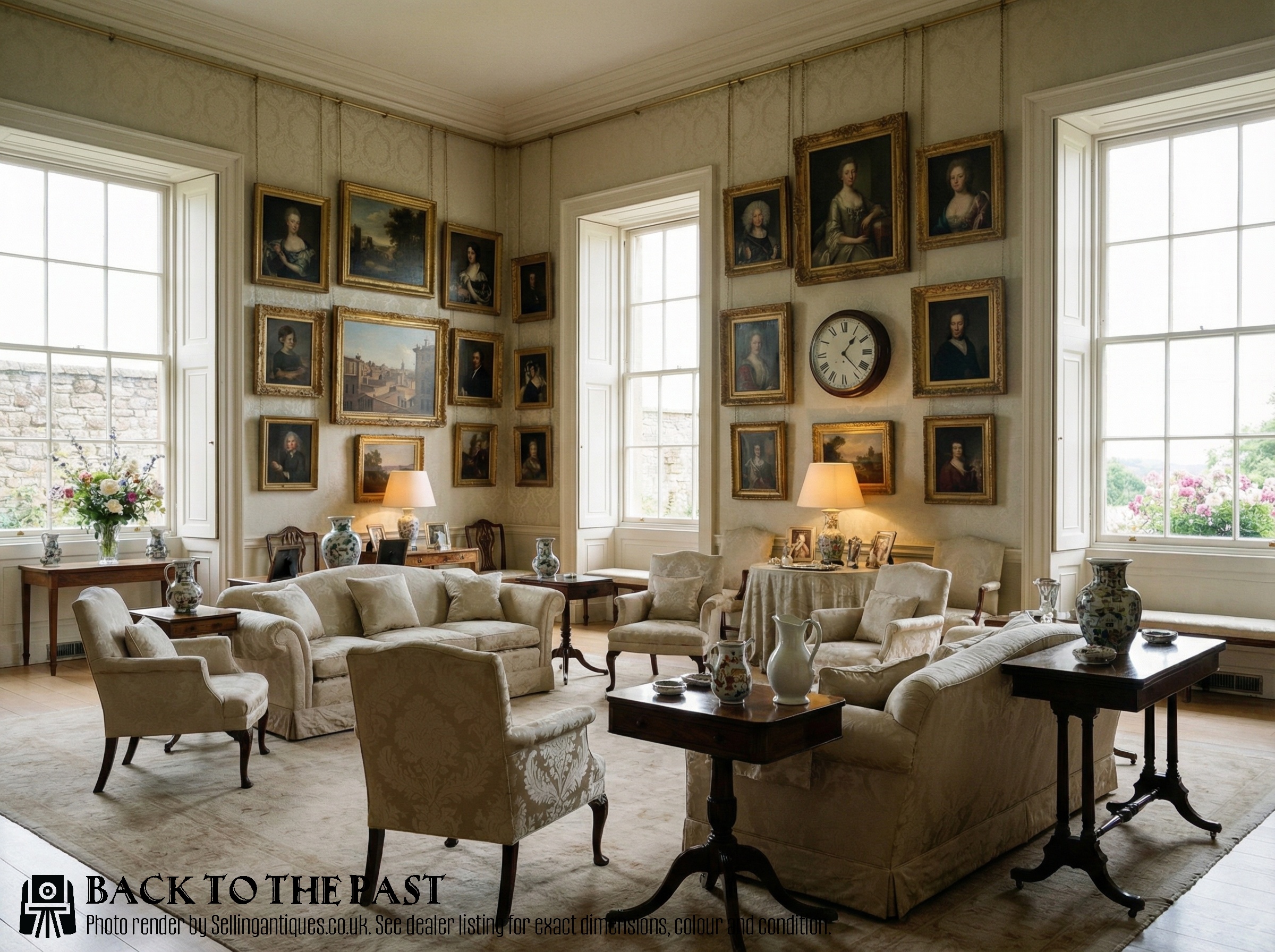
Wall clocks were typically mounted in domestic or institutional spaces for clear visibility, while mantel clocks occupied prominent surfaces in reception rooms.
Pocket watches were carried on the person, often secured with chains in pockets.