


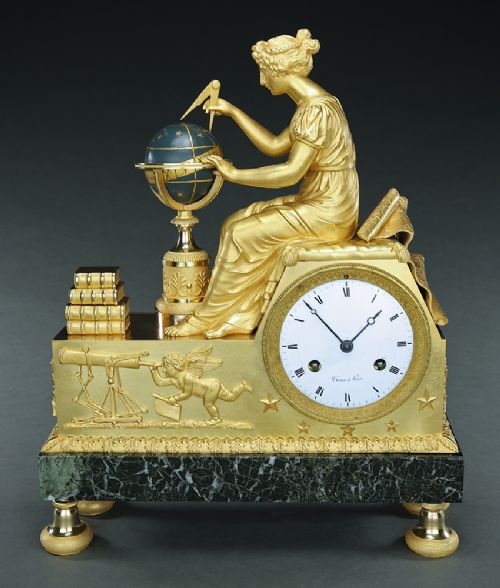
French Marble Clock
A french marble clock brings architectural weight and precision mechanics together, offering a stately centrepiece for the mantel.
What the pieces are
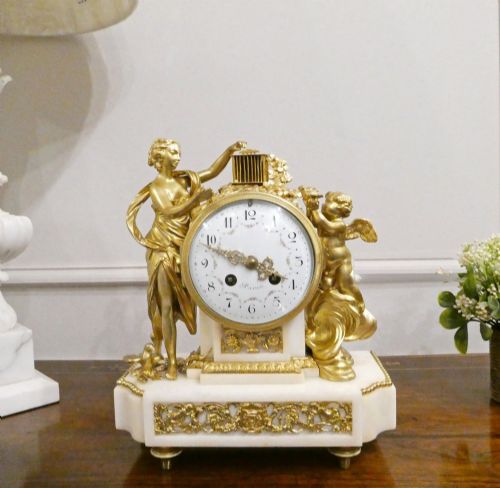
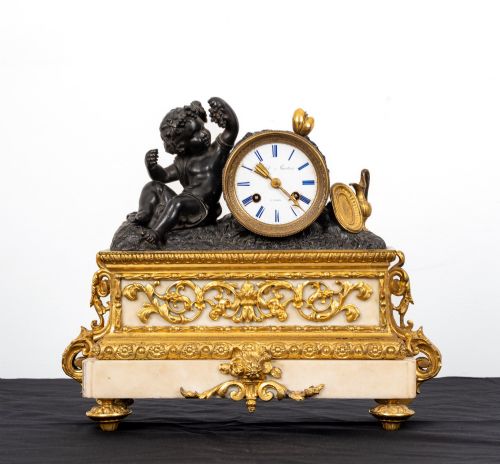
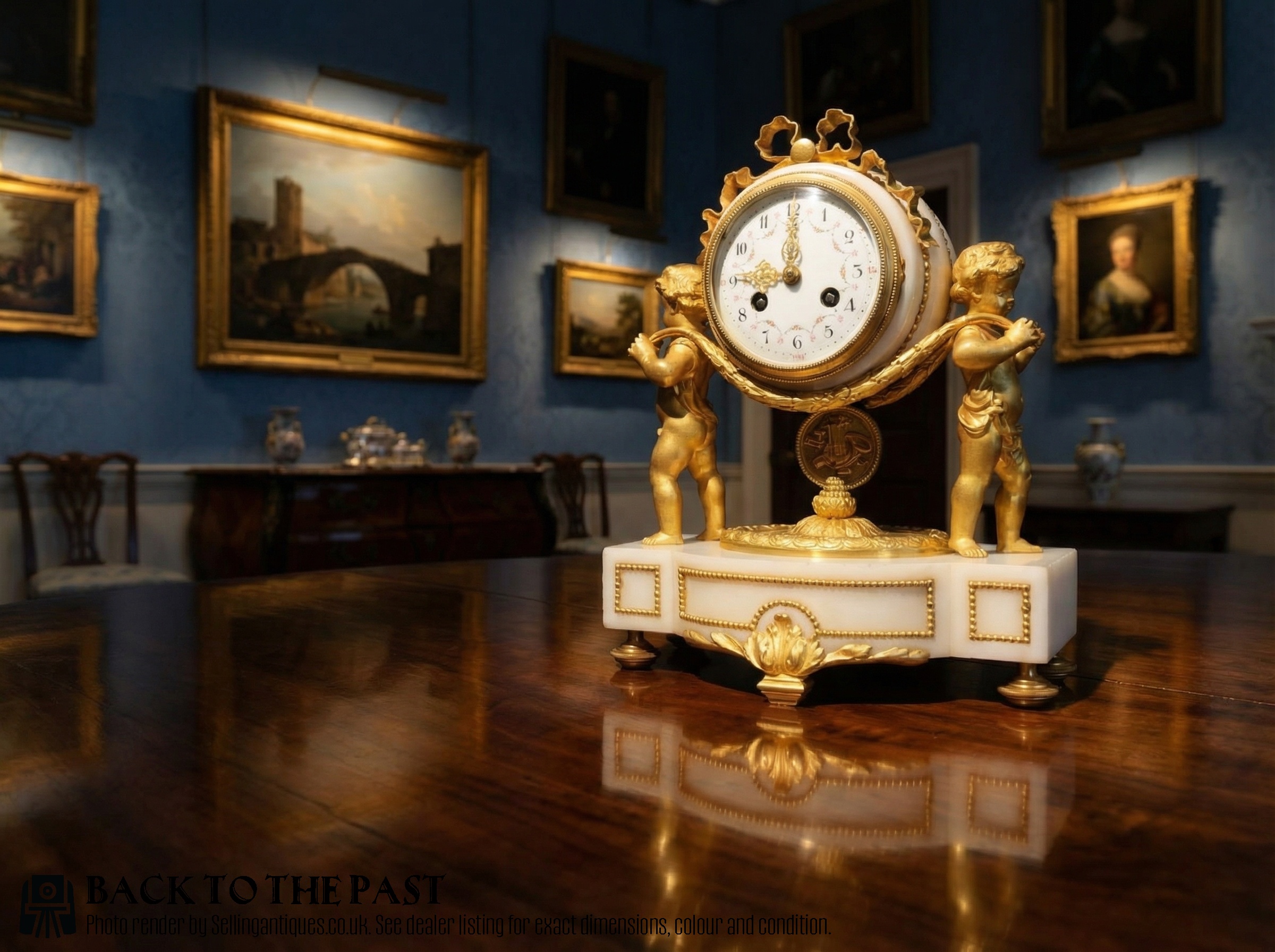
A french marble clock stands as a substantial domestic timepiece, combining heavy stone housing with delicate metalwork. These pieces emerge primarily as mantel clocks or desk clocks, sitting solidly on shelves and sideboards.
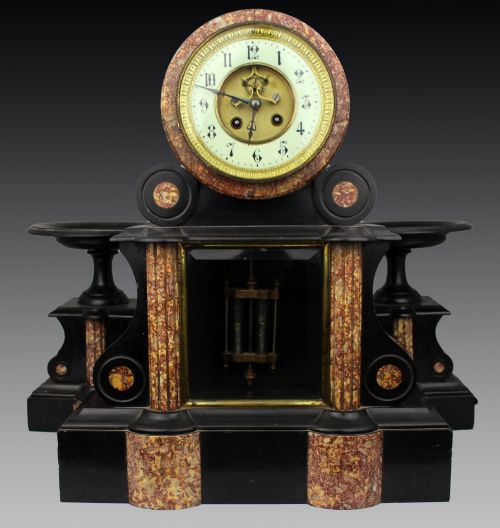
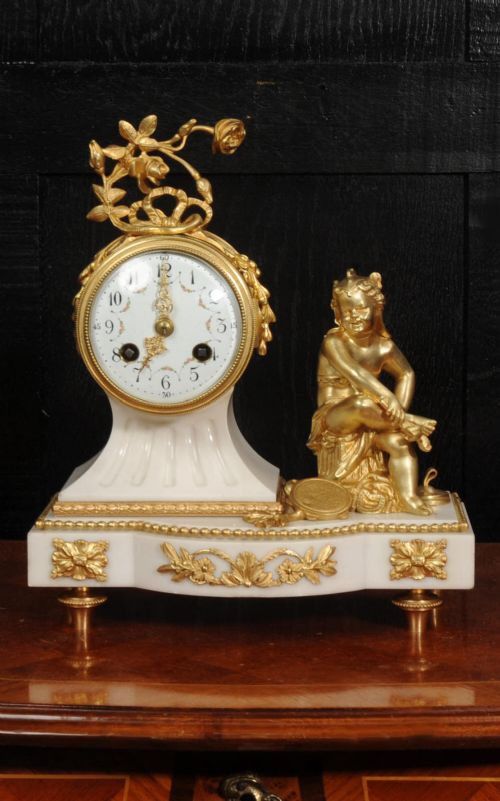
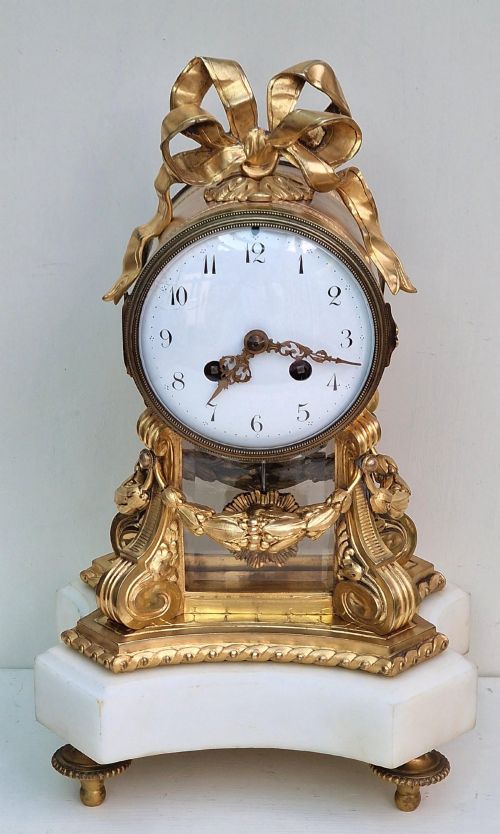
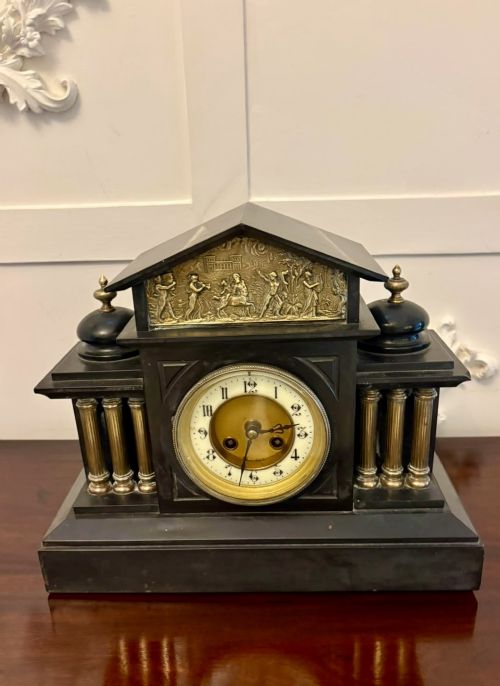
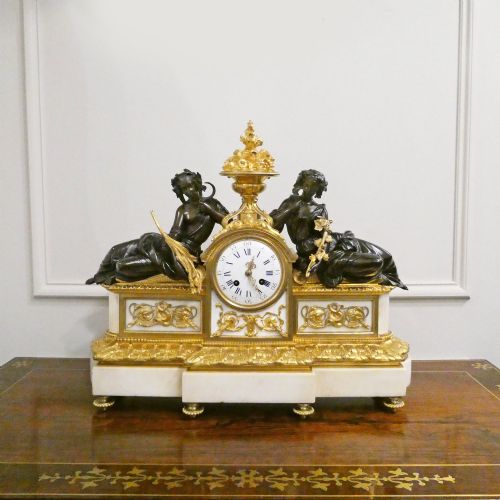
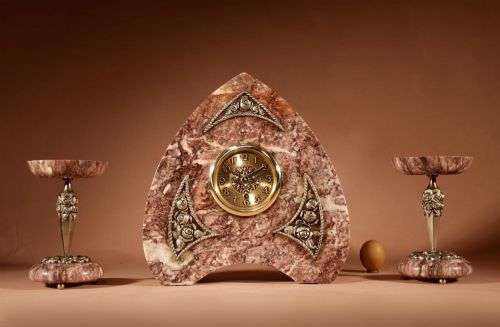
The versions met most frequently range from nineteenth-century neoclassical portico designs and ornate ormolu-mounted styles to sleek art deco models from the nineteen-thirties.
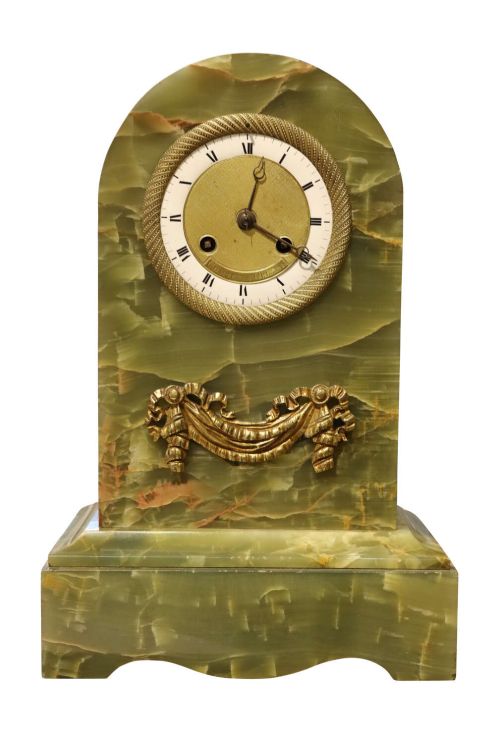
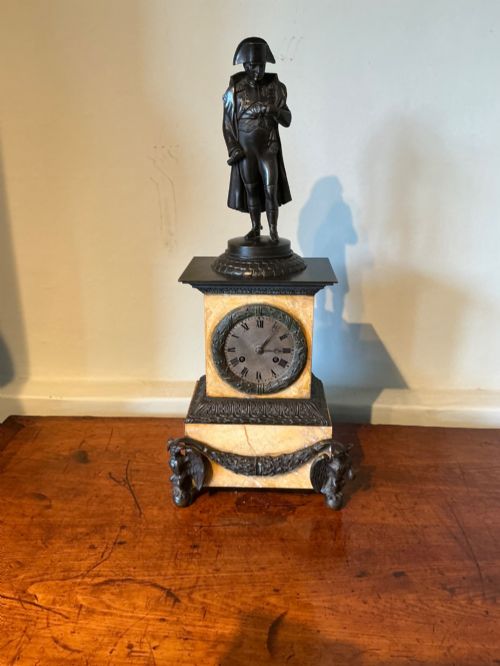
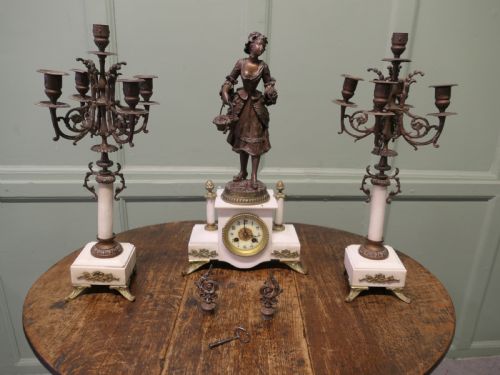
Makers housed movements within white marble, black slate, sienna marble, pink marble, or onyx, often pairing the stone with bronze, brass, glass, and chrome elements.
How they were made
Cutter hands shaped heavy slabs of natural marble and slate into geometric porticos, architectural columns, and smooth rectangular cases, often polishing the stone to a high sheen.
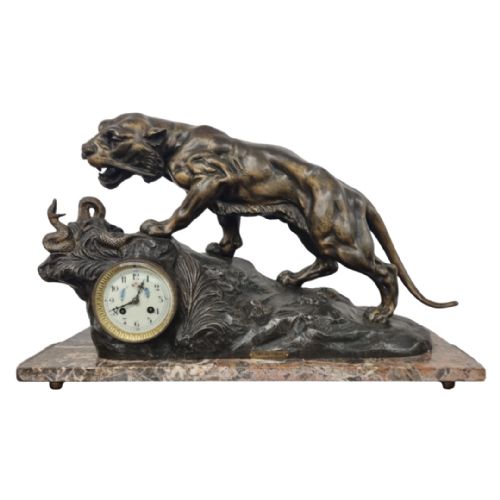
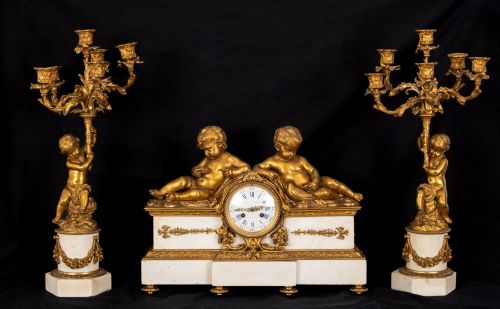
Foundries cast bronze and brass into mounts, cherubs, and animal figures, subsequently applying ormolu gilding to create metallic contrast against the cold stone body.
Clockmakers fitted mechanical movements, sometimes incorporating alarm functions, striking trains, or visible escapements behind glass dial covers.
Retail Price Guide 2026
Typical UK retail prices for french marble clock, calculated from the Sellingantiques database of over a million retail prices indexed since 2003. This retail price guide relies exclusively on Sellingantiques data; no external sources or auction records are used, so the figures do not describe the wider market.
One unexpected variant pairs severe art deco stone geometry with a mounted metal elephant peering over the dial.
What varies in quality
The refinement of the casting separates standard production pieces from exceptional ones, visible in the sharpness of chased ormolu mounts and sculpted bronze figures like elephants or panthers.
The selection and matching of the stone dictate visual success, where richly figured sienna, pink, or verde antico marble elevates the piece far beyond simple utility.
The reputation of the maker, whether operating from a Paris workshop or supplying major retailers, marks the division between ordinary timepieces and collectible horological works.
DEP·Mougin·Richond Paris·P L Hausburg Paris·Lemerle Charpentier Et Cie Paris
The French Marble Clock Glossary
- Ormolu
- Gilded bronze, applied to metal mounts and decorative figures on clock cases. This technique creates a rich gold-coloured surface that contrasts sharply with the surrounding marble.
- Portico clock
- A distinct architectural style featuring four pillars supporting a pediment above the dial. This design draws directly from classical Greek and Roman building forms.
- Clock garniture
- A matching set consisting of a central clock flanked by ornamental sidepieces such as vases or urns. These ensembles are designed to sit symmetrically on a mantelpiece.
- Slate
- A fine-grained metamorphic rock frequently polished and used alongside or in place of marble for nineteenth-century clock bodies. It offers a dense, dark foundation for metal mounts.
- Escapement
- The internal mechanism that controls the release of power in a clock movement, regulating the ticking sound. Finer movements often display this mechanical action through glazed dials.
Frequently Asked Questions
How do I wind a french marble clock?
Most models utilise a key inserted directly into winding holes on the enamel or metal dial to tension the mainspring.
Care must be taken not to overwind the mechanism, stopping as soon as resistance is felt to protect the internal gears.
Are these clocks heavy?
Solid stone construction makes these timepieces exceptionally weighty, requiring sturdy furniture for safe placement.
Lifting requires two hands underneath the base rather than holding any decorative top ornaments or brass columns.
How do I identify the period?
Stylistic clues such as neoclassical portico frames, Victorian bronze mounts, or art deco geometric lines point directly to specific manufacturing eras.
Signatures on the dial or movement backplate often provide further clues to the decade of creation.
Where should I place a marble clock?
A stable mantelpiece, heavy sideboard, or deep desk provides a secure foundation for the substantial weight of the stone body.
Direct sunlight and damp environments should be avoided to preserve the polished finish of the marble and the integrity of the metal gilding.