
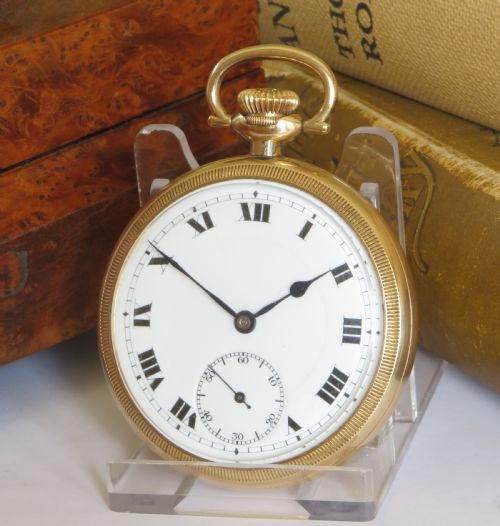
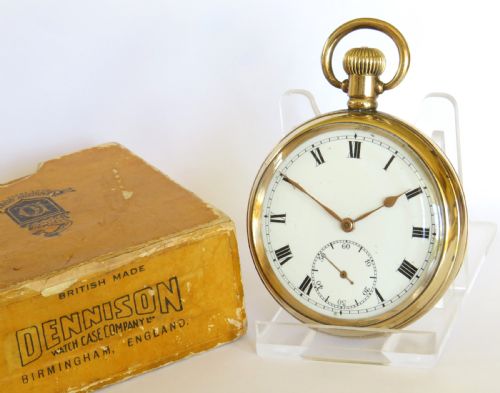
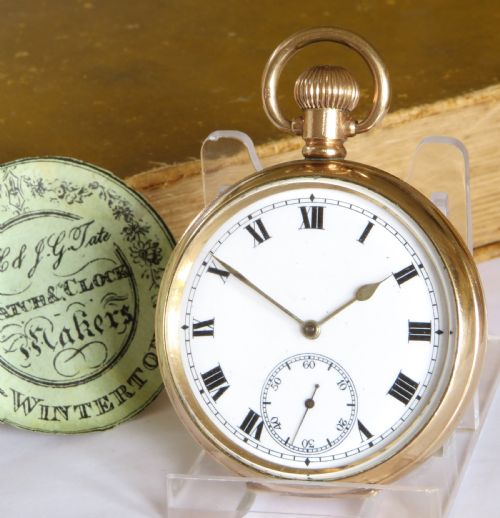

Gold Filled Watch
A gold filled watch offers the warmth of solid metal paired with mechanical reliability across Edwardian and Art Deco designs.
Understanding the gold filled watch
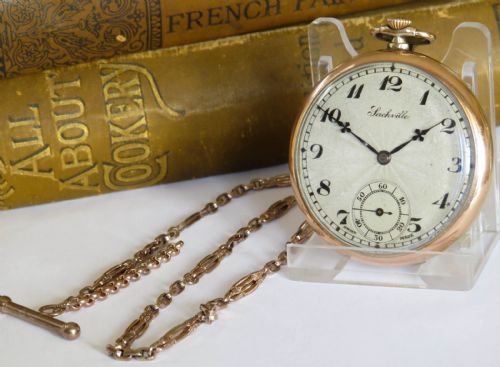
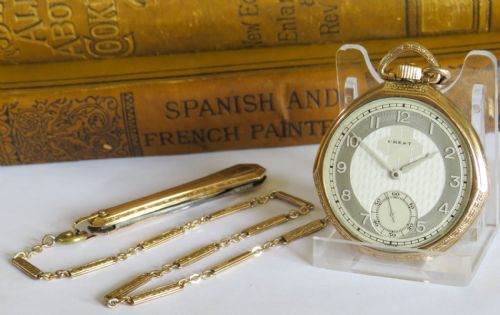
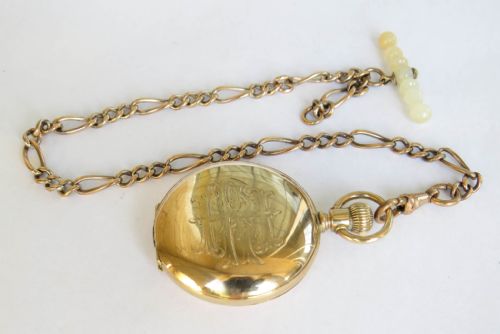
A gold filled watch represents a durable alternative to solid precious metal timepieces, utilising a thick layer of gold bonded mechanically to a base metal core. When you search for a gold filled watch, you encounter both pocket watches and wristwatches spanning the early twentieth century up to the mid-century decades.
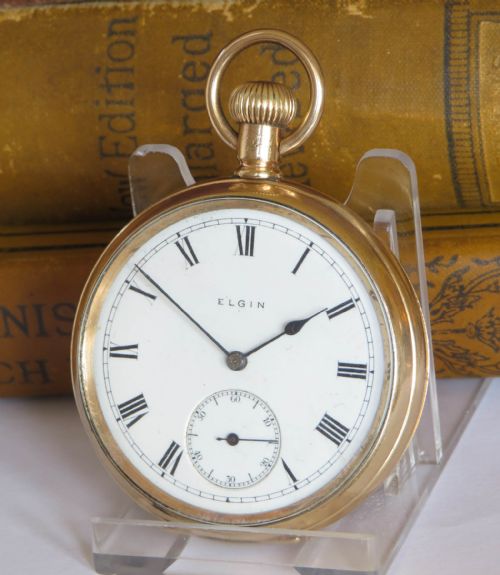
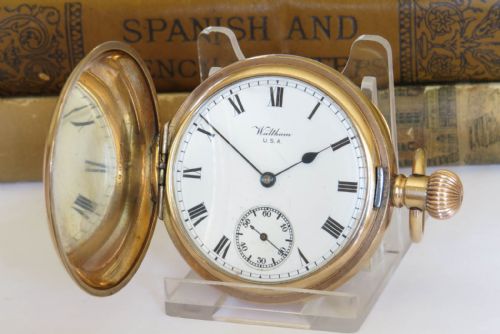
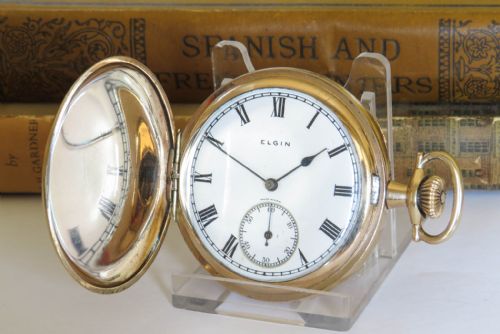
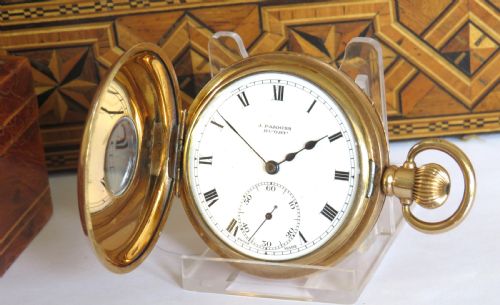
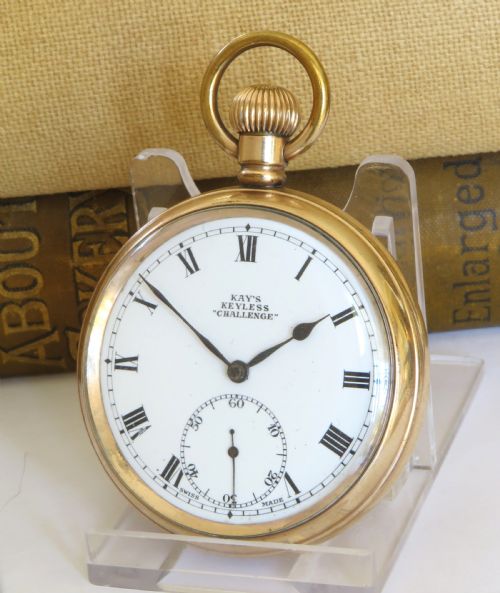
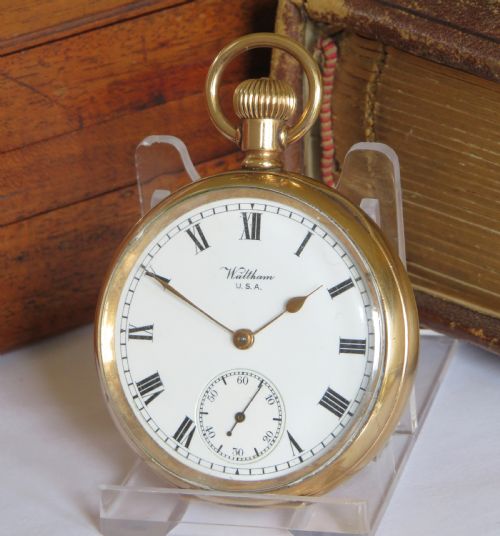
The pieces available here divide primarily into two distinct eras and formats. Pocket watches dominate the earlier Edwardian selections, often featuring full hunter cases and Waltham or Elgin movements, while wristwatches largely emerge from the Art Deco period with geometric cases by makers such as Bulova and Longines.
Forms range from sturdy railroad pocket watches to elegant ladies fob watches and gents wristwatches with sub-seconds dials or automatic calibres. Enamel dials, glass crystals, and occasionally gemstones like emeralds complete the physical presentation of these historic timepieces.
Construction and materials
The manufacture of these timepieces involved fusing a substantial layer of gold, often specified in ten or fourteen karat, to a supportive base metal substrate through heat and pressure. This technique ensured a much thicker coating than standard electroplating, providing lasting resistance to wear while keeping the watch affordable.
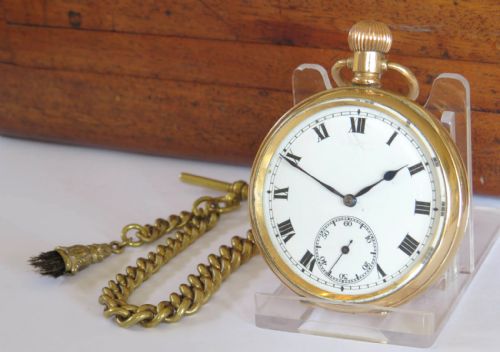
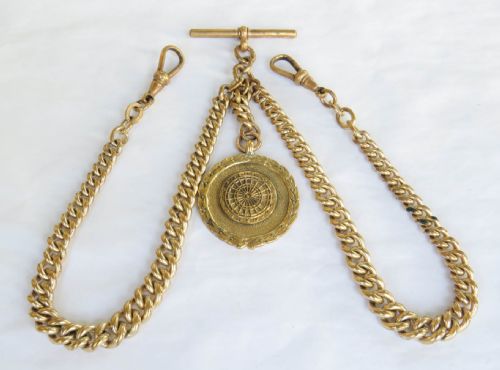
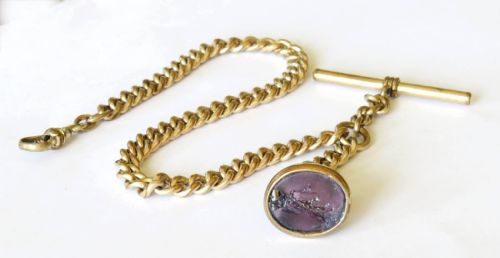
Cases paired this bonded metal with protective glass crystals, enamel dials bearing Arabic or Roman numerals, and sometimes leather straps or metal watch chains. Internal movements relied on intricate brass gear trains, jewels to reduce friction, and regulated springs assembled by skilled horologists.
Retail Price Guide 2026
Typical UK retail prices for gold filled watch, calculated from the Sellingantiques database of over a million retail prices indexed since 2003. This retail price guide relies exclusively on Sellingantiques data; no external sources or auction records are used, so the figures do not describe the wider market.
Some Art Deco wristwatches hide intricate mechanical bumper automatic movements that gently tap against internal springs as you walk.
Defining quality in historic timepieces
Quality in these items rests upon the integrity of the gold layer and the precision of the mechanical movement within. Thicker metal bonding and superior movement calibration distinguish the finer examples from standard production pieces.
The preservation of original dial enamel, crisp case engraving, and the complexity of the internal calibre elevate certain specimens. Serviced movements that maintain accurate timekeeping reflect proper historical maintenance and care by skilled technicians.
Elgin·Waltham·Longines·Bulova·Hamilton·Omega·Wittnauer·Zenith·Buren
The Gold Filled Watch Glossary
- Gold filled metal
- A composite material formed by applying a sheet of gold to a base metal core, ensuring a durable layer that resists everyday wear.
- Full hunter
- A pocket watch case featuring a spring-loaded metal cover that protects the glass crystal from scratches and impacts.
- Art Deco
- A dominant design style from the nineteen-twenties and thirties characterised by sleek geometric lines, stylised numerals, and streamlined rectangular cases.
- Calibre
- The specific internal movement design and manufacturer designation used by horologists to identify the mechanical engine of a watch.
- Fob watch
- A small pocket or pendant watch designed to be attached to a short strap, ribbon, or chain for secure carrying.
Frequently Asked Questions
What is a gold filled watch?
A gold filled watch is a timepiece with a thick layer of gold mechanically bonded to a base metal core, providing the appearance and durability of solid gold without the full weight and expense.
These pieces were produced extensively throughout the first half of the twentieth century by prominent American and Swiss manufacturers, utilising robust mechanical movements housed inside decorative cases.
How do I date my watch?
Dating a vintage timepiece involves examining serial numbers typically engraved on the inner case back or stamped directly onto the internal movement plates. These numbers can be cross-referenced with manufacturer production ledgers from brands like Waltham or Elgin.
Stylistic cues, such as Edwardian pocket watch typography or Art Deco geometric wristwatch bezels, also help narrow down the decade of manufacture.
Can I wear my watch daily?
Many collectors wear these historic timepieces daily, provided the movement has been recently serviced and properly lubricated. Routine maintenance ensures the brass gears and jewels operate smoothly against modern conditions.
Because most vintage pieces lack modern water resistance, precautions should be taken to keep them away from moisture, heavy impacts, and magnetic fields.