



Antique Elgin Watch
An antique Elgin watch brings American horological history to the wrist or pocket, offering dependable timekeeping housed in silver, gold filled, or steel cases.
Antique Elgin Watch
When you search for an antique Elgin watch, you encounter precision timepieces originating from the American factory system that dominated production from the late nineteenth century through the middle of the twentieth century. The selection spans robust nineteenth-century pocket designs to sleek wristwatches shaped by the Art Deco movement.
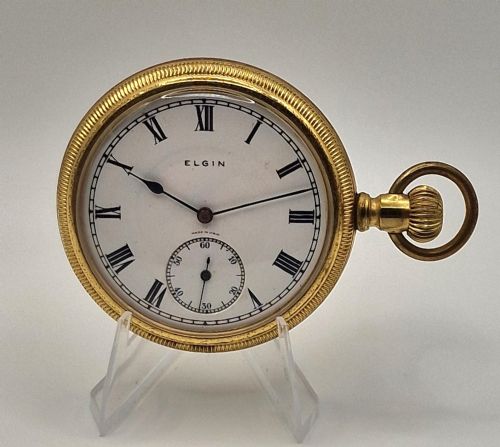
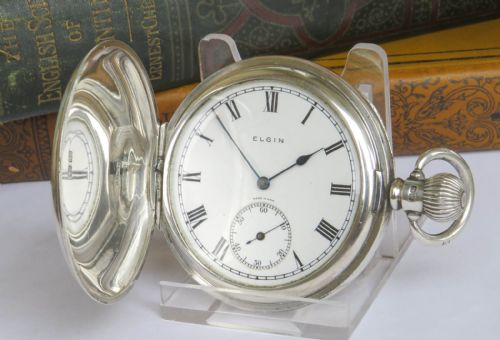
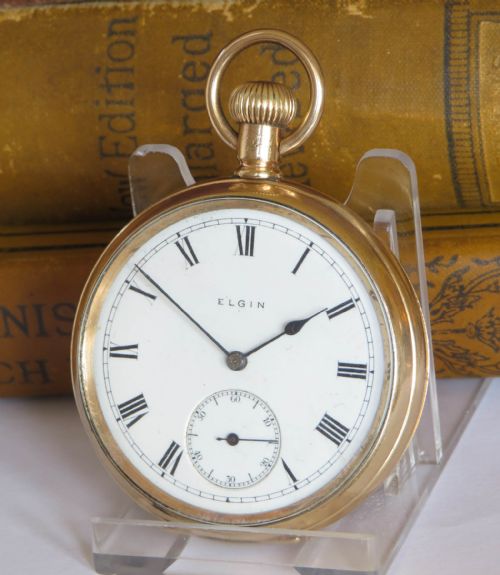
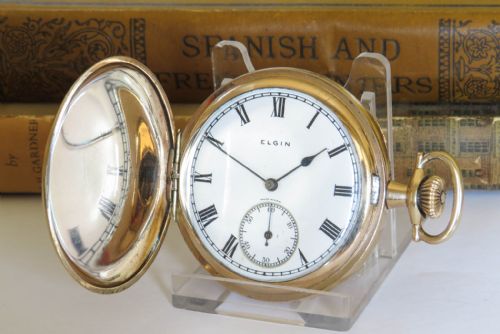
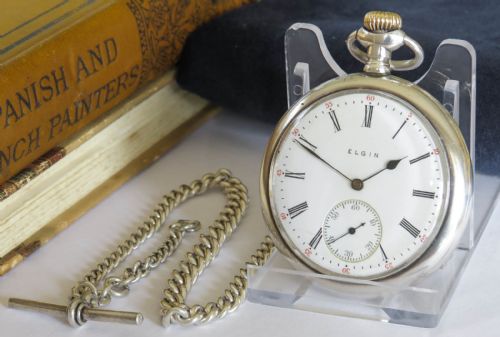
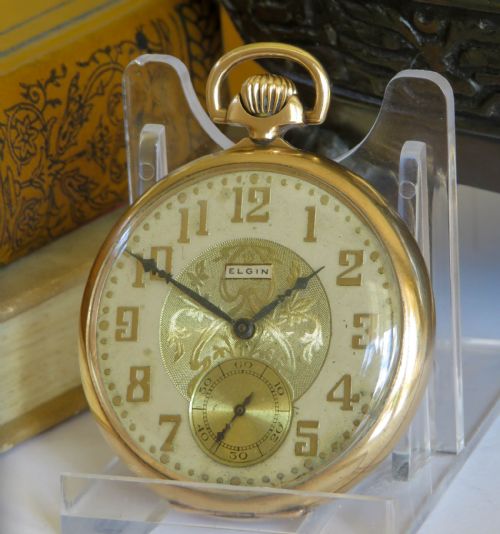
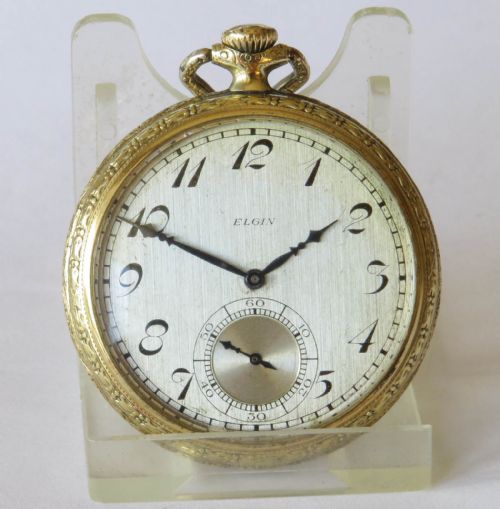
The version you are most likely to meet on this page is the pocket watch, particularly full hunter and open face examples dating from the nineteen-tens and nineteen-twenties. Wristwatches from the nineteen-thirties and nineteen-forties also appear, showing rectangular and tonneau cases from the later years of production.
These instruments serve as daily wearable history or display pieces for collectors of industrial machinery. Their appeal lies in standardised mechanical movements paired with varied case metals ranging from plain metal and steel to precious gold fillings and silver.
How they were made
Elgin movements were produced through mass manufacturing processes that utilised interchangeable parts, ensuring precision and straightforward repair. Workers assembled gear trains, escapements, and balance wheels inside durable metal plates, often stamped with serial numbers that record the year of production.
Casemakers enclosed these movements in protective housings formed from silver, gold filled layers over base metal, or solid white gold. Dials typically employed enamel with painted arabic or roman numerals, protected by clear glass crystals set into hinged or snap-back bezels.
Masonic symbols sometimes hide inside full hunter lids, revealing a secret fraternity emblem when the spring pops open.
What varies in quality
The grade of the internal movement dictates the technical tier of the piece, with higher jewel counts and adjusted escapements separating standard utility calibres from superior timekeepers. Factory finish details, such as damaskeened plates and polished screw heads, indicate the original cost and ambition of the watch.
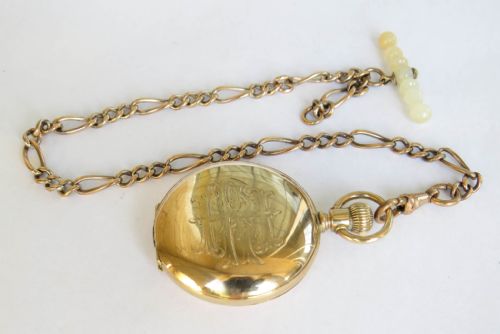
Case material and decorative execution further divide the range, moving from plain metal and steel utility models up to intricately engraved silver hunter cases and solid white gold wristwatch frames. The crispness of case decoration and the condition of the enamel dial heavily influence the visual integrity of the survival.
Elgin National Watch Co·Atlas Watch Co
The Antique Elgin Watch Glossary
- Full hunter
- A pocket watch featuring a spring-loaded metal cover that protects the glass dial from scratches. Pressing the crown opens the lid to reveal the time.
- Half hunter
- A pocket watch with a metal outer case lid containing a small glass-covered central aperture. This allows the wearer to read the hands without opening the front cover.
- Gold filled
- A manufacturing technique where a layer of solid gold is mechanically bonded to a base metal core. This provides the appearance and wear resistance of solid gold at a lower cost.
- Damaskeening
- A decorative mechanical pattern chased onto the nickel or brass plates of a watch movement. It catches the light in swirling geometric designs.
- G.M
- Wheeler. A prominent early movement grade named after an Elgin company director. These movements frequently appear in late nineteenth-century pocket watch listings.
Antique Elgin Watch: Frequently Asked Questions
How do I wind a pocket watch?
Most pieces on this page utilise a stem winding mechanism where you rotate the knurled crown between your thumb and forefinger clockwise until resistance is felt. Care must be taken not to overwind the mainspring.
Vintage movements require a gentle touch to preserve the historical steel components inside. Stop turning immediately when the tension prevents further rotation.
Can I wear an antique wristwatch daily?
These items can be worn regularly provided they receive appropriate care and servicing from a professional horologist. Many examples from the nineteen-thirties and nineteen-forties function reliably for daily use.
However, these historic mechanisms lack modern shock resistance and water sealing. Owners should avoid exposure to moisture, magnetic fields, and heavy impacts.
What is a railway pocket watch?
Railway watches were high-grade timepieces built to strict precision standards required by train networks for safe scheduling. They feature clear, open dials with high-contrast numerals for rapid reading.
Specific examples carry company stamps such as North British Railway on the dial or movement. These markings connect the hardware directly to transport history.
How do I date an Elgin watch?
Every authentic piece carries a serial number engraved directly onto the internal movement rather than the outer case. Cross-referencing this number with production records reveals the exact year of manufacture.
Case hallmarks and style indicators such as Art Deco geometry also help narrow down the decade of production. This physical evidence provides a clear timeline from the late Victorian era through the Second World War.