
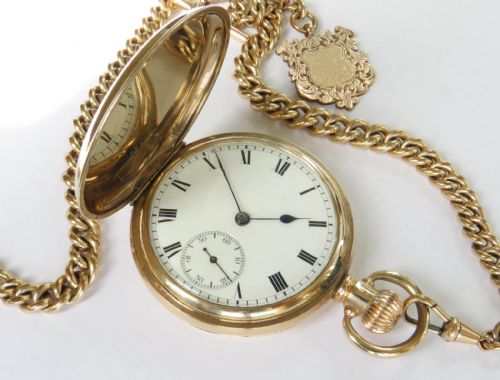
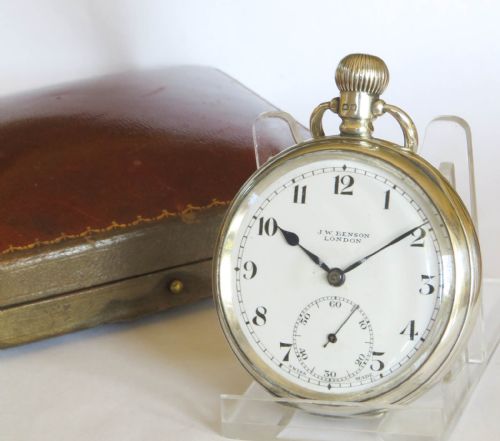
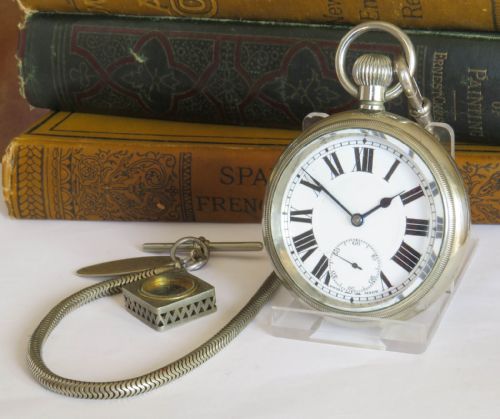
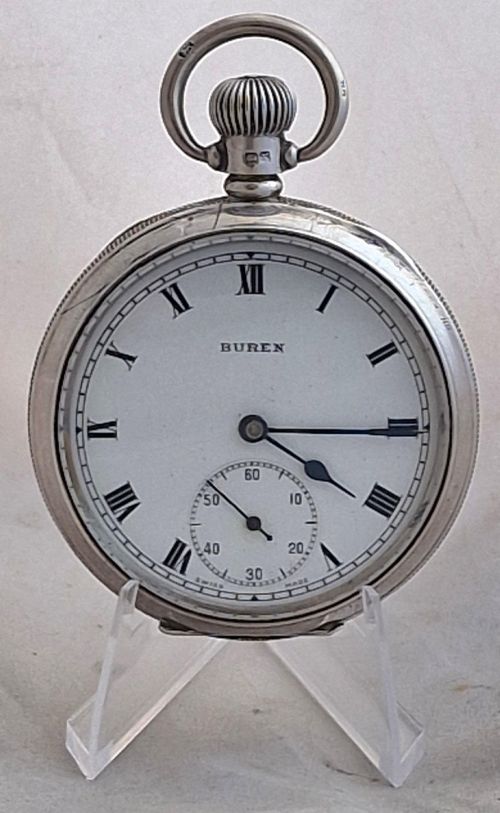
Antique Pocket Timepiece
An antique pocket timepiece is a portable personal clock carried by Victorians and later generations, offering precise mechanical craft.
Antique Pocket Timepiece
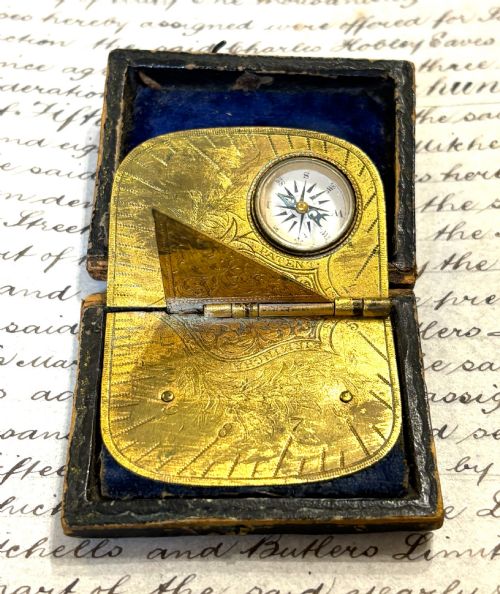
An antique pocket timepiece encompasses portable mechanical timekeepers such as pocket watches and folding sundials spanning from the Victorian era through the mid-twentieth century.
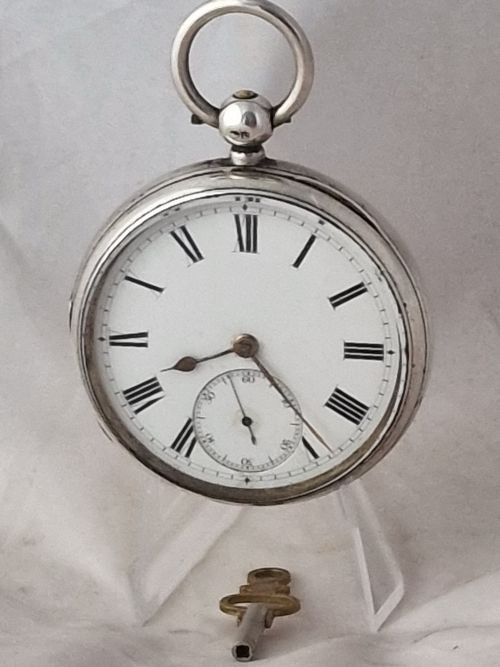
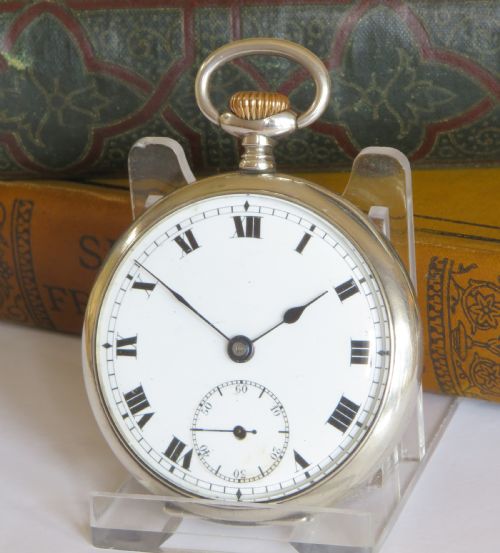
The versions most commonly met on this page include silver pocket watches from the nineteen-twenties and nineteen-thirties, alongside Victorian fusee movements and early twentieth-century hunter cases.
Makers and regional towns across Britain and beyond stamped their names on dials and movements, creating a tangible record of daily punctuality.
Materials and Technique
Watchmakers utilised sterling silver, gold plate, brass, and steel to house intricate mechanical gear trains, enamel dials, and protective glass covers.
Fusee movements and traditional lever escapements required skilled hand assembly by specialised watchmakers in workshops from London to Nottingham and Geneva.
Antique Pocket Timepiece Retail Price Guide 2026
Typical asking prices for pocket timepiece among the pieces listed under this phrase on Sellingantiques today, from the lower quarter to the upper quarter. They describe what is for sale here now, not the wider market.
Distinctions in Standard
The level of execution lies in the complexity of the movement, such as fusee setups or eight-day reserves, and the crispness of enamel dial lettering.
Casses executed in solid sterling silver or gold carry greater weight and refined case engraving compared to standard nickel or plated metal alternatives.
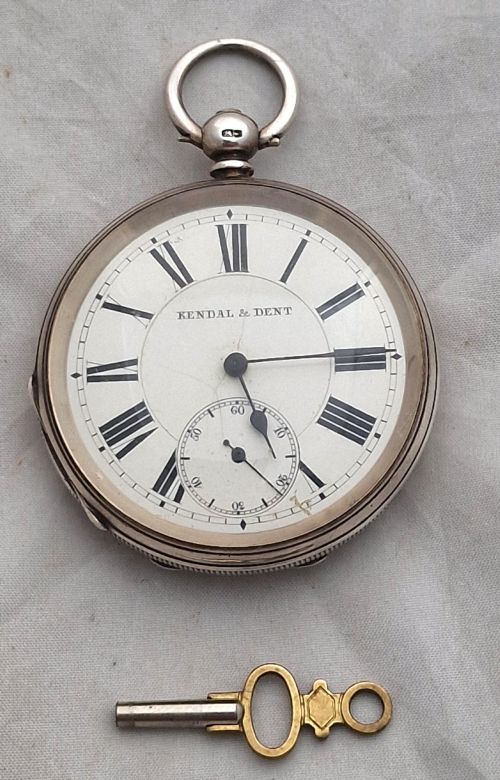
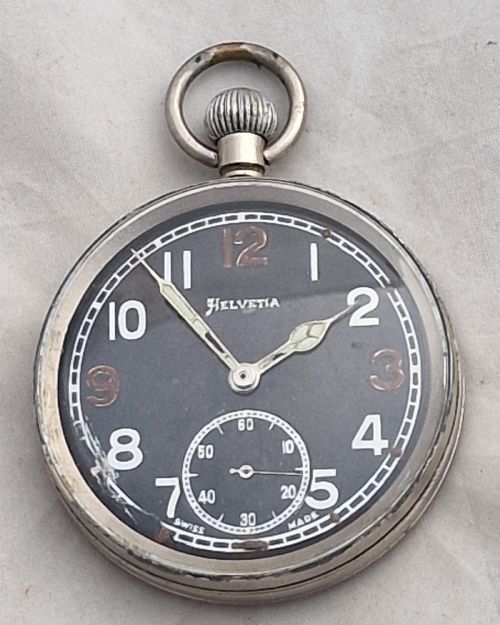
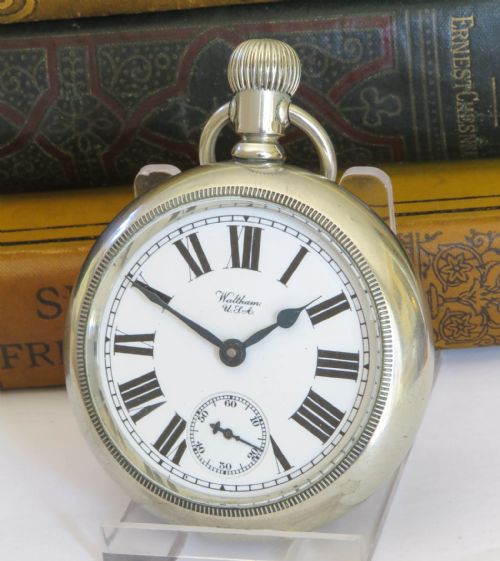
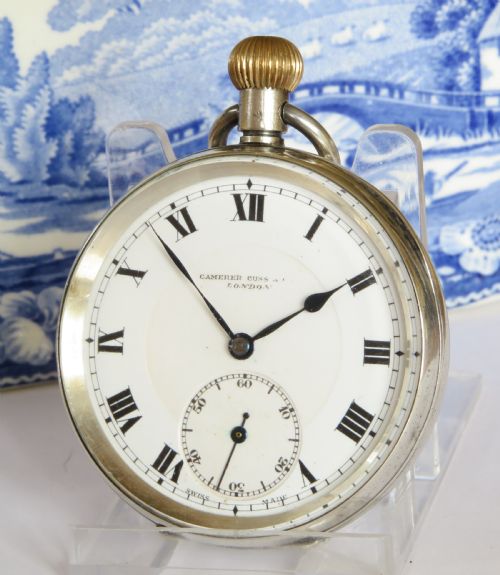
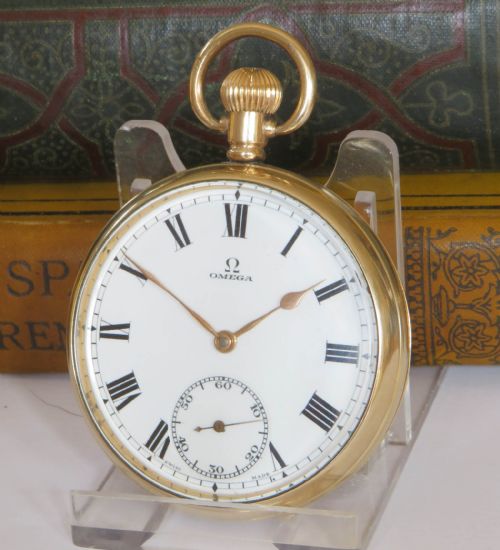
Kendal & Dent·Hinds London·Waltham·J W Benson·Buren·Helvetia·Camerer Cuss·Omega·Bickley London·Record·Limit Revue·Elgin·Thomas Russell & Son·New York Standard·Octava·R Stewart Glasgow·Lange & Sohne·Tavannes·Silvana·Richardson·Longines·Stauffer·Bravingtons Renown
The Antique Pocket Timepiece Glossary
- Fusee
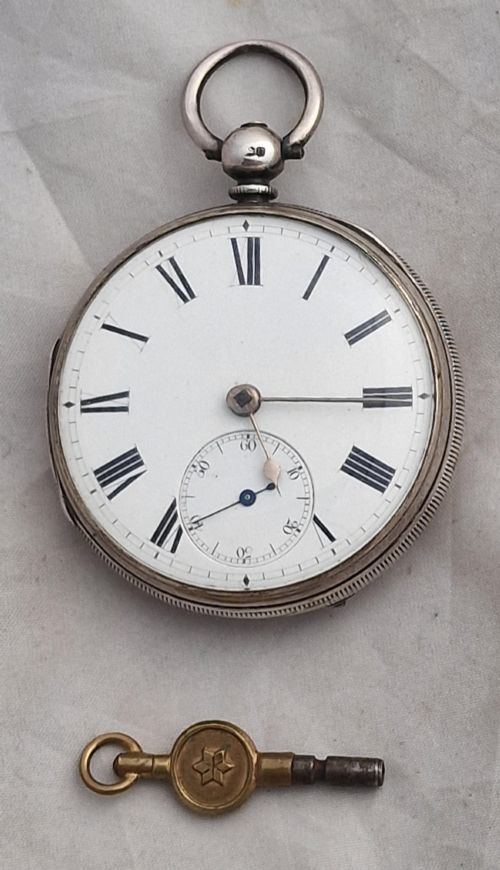
- A conical pulley used in older pocket timepieces to equalize the declining force of the mainspring as it unwinds. This mechanism ensures steady timekeeping across the winding cycle.
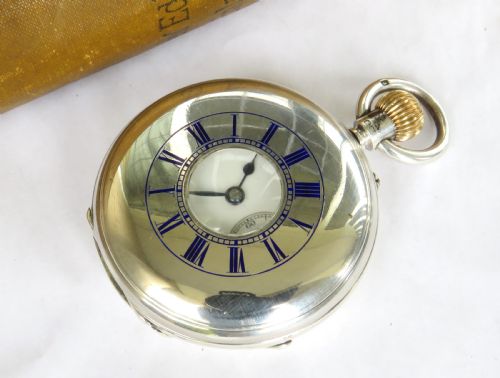
- Half Hunter
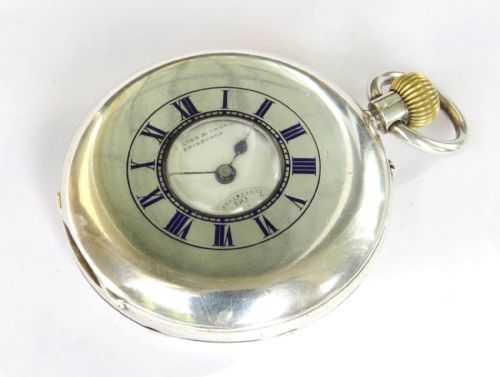
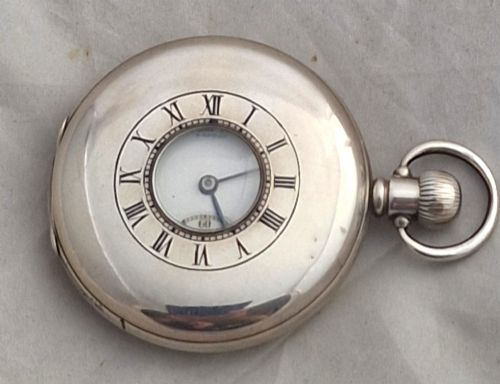
- A pocket watch case featuring a solid cover with a glass-centred aperture or glazed inner ring. It allows the wearer to read the hands without opening the exterior lid.
- Full Hunter
- A pocket watch possessing a solid metal spring-loaded cover that completely shields the glass dial. Depressing the crown pops the case open.
- Albert
- A chain attached to a pocket timepiece, secured to a waistcoast or belt loop. It frequently incorporates secondary fobs, compasses, or medals.
- Niello
- A black metallic alloy used as an inlay on engraved metal surfaces to highlight decorative patterns. It creates striking contrast against silver watch cases.
Antique Pocket Timepiece: Frequently Asked Questions
What is the difference between a hunter and an open face?
An open face watch has no protective lid over the glass dial, allowing instant time checks. A hunter style includes a metal cover held shut by a spring.
Open face pieces appeared widely on railways, while hunters offered extra protection against scratches.
How can I tell the period of a watch?
Look for hallmarks on silver and gold cases, which denote assay offices and year letters. Dial typography and movement styles also provide strong clues.
Nineteenth-century pieces often feature fusee movements, while nineteen-thirties examples display Art Deco numerals.
Can I wear a pocket watch daily?
Many collectors carry antique timepieces using an albert chain secured through a buttonhole. Regular gentle handling and careful pocket placement keep them secure.
They require professional cleaning and servicing just like any vintage mechanical clock.