
Vintage Omega Timepiece
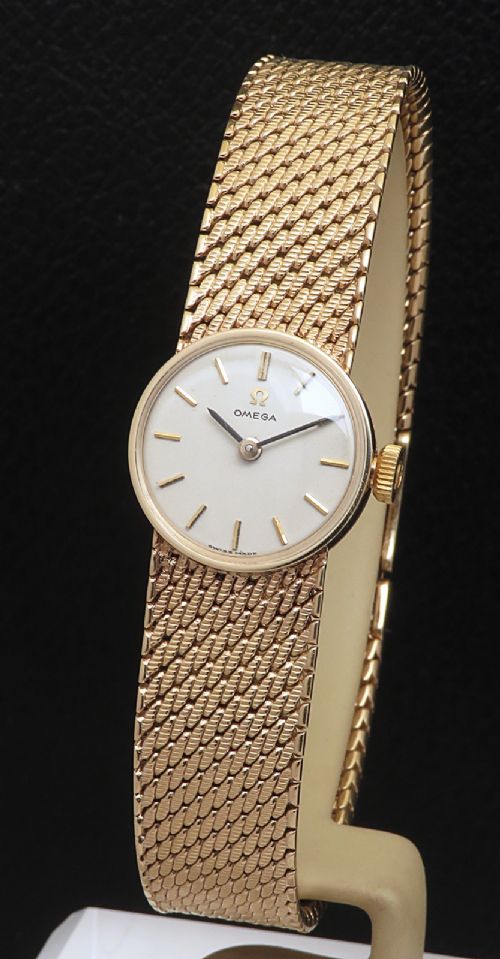
A vintage omega timepiece carries the precise mechanical heritage of a storied Swiss maker into daily wear.
Vintage Omega Timepiece
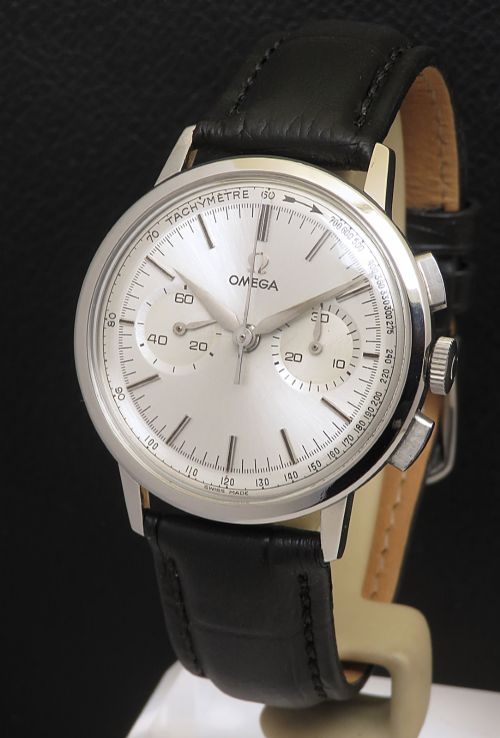
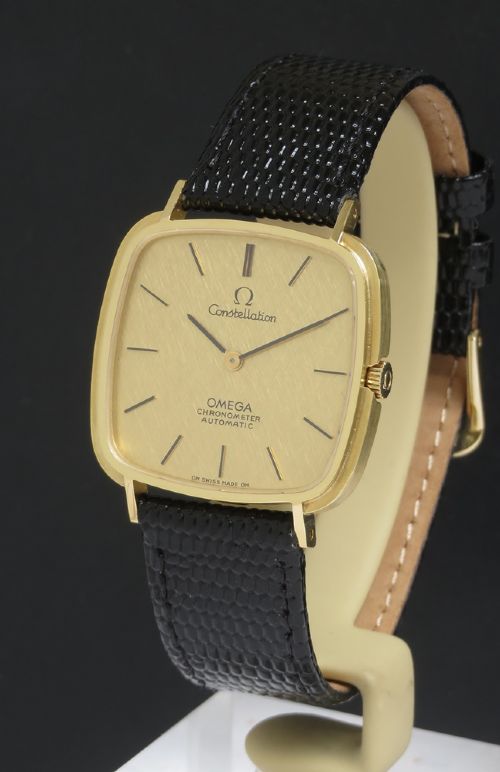
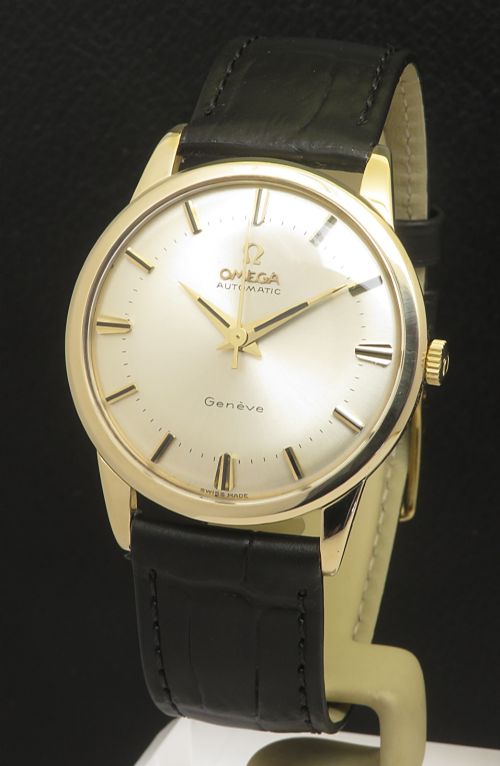
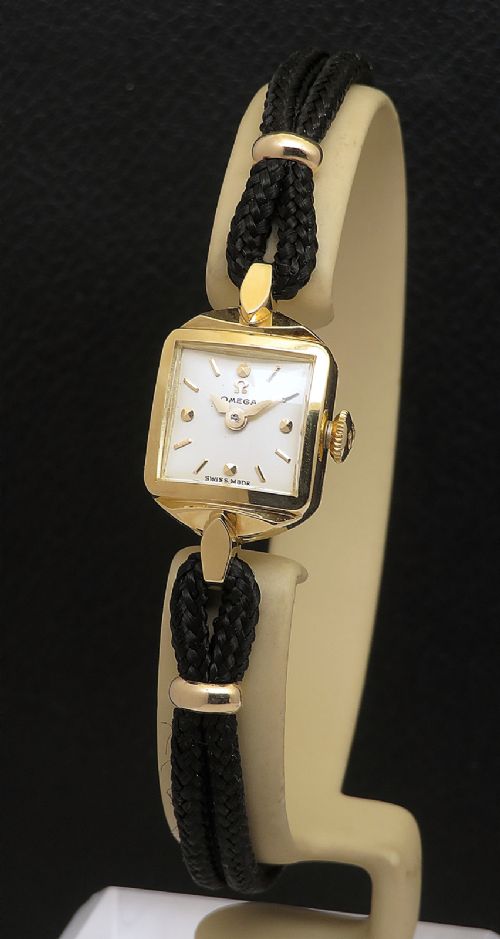
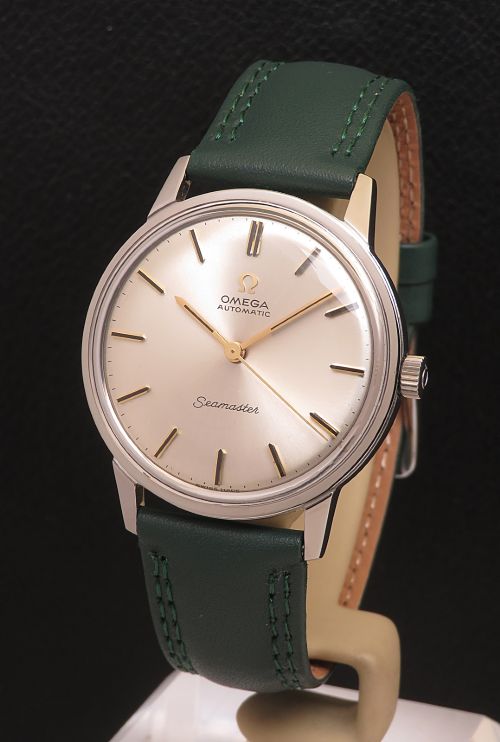
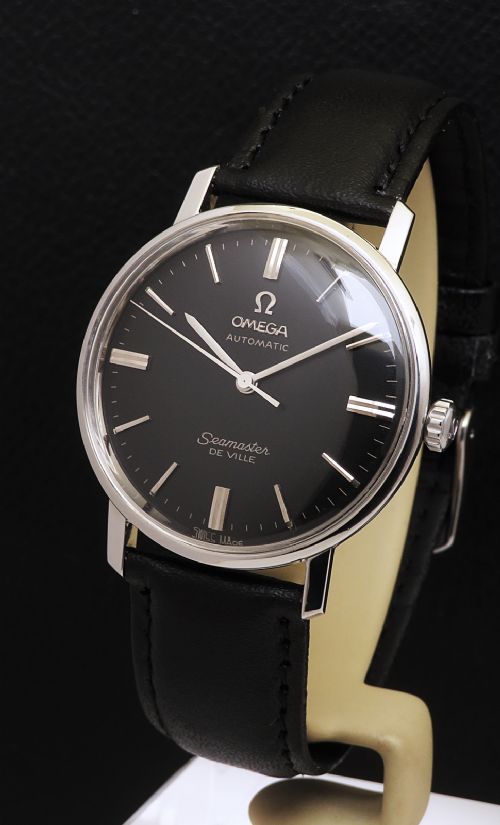
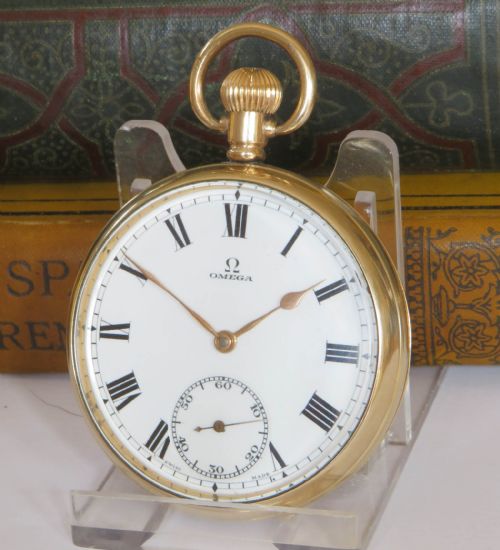
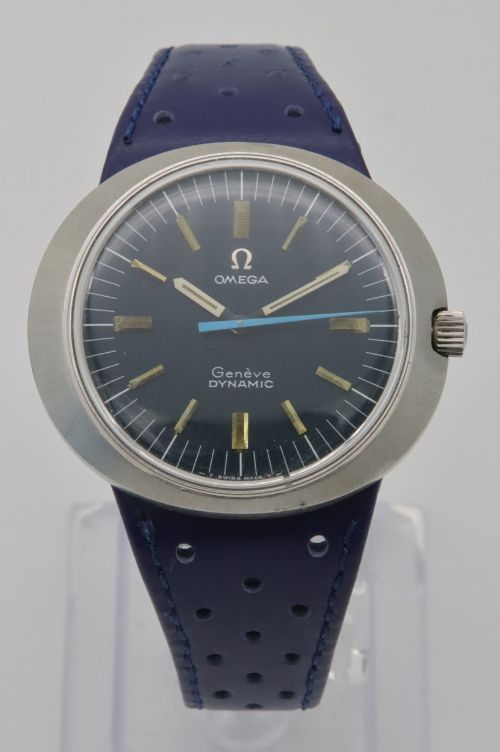
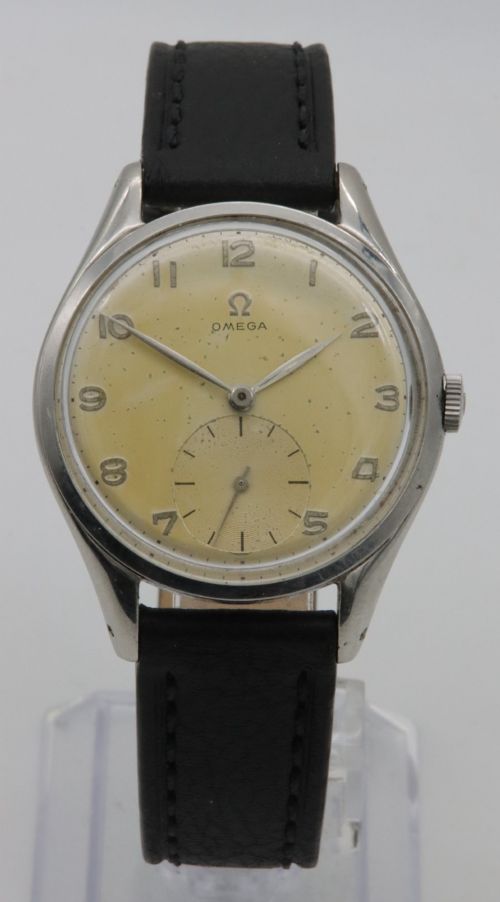
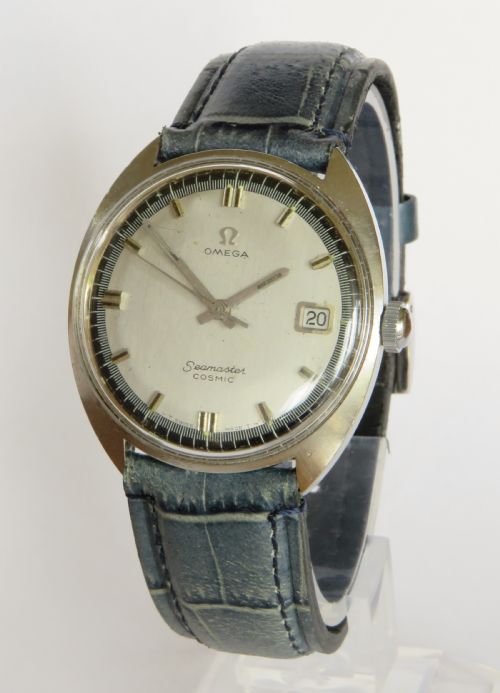
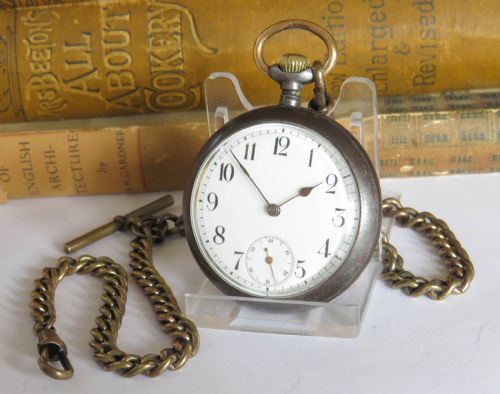
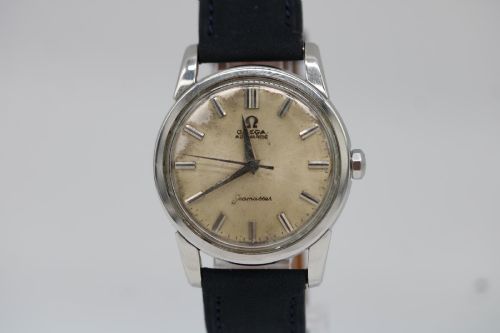
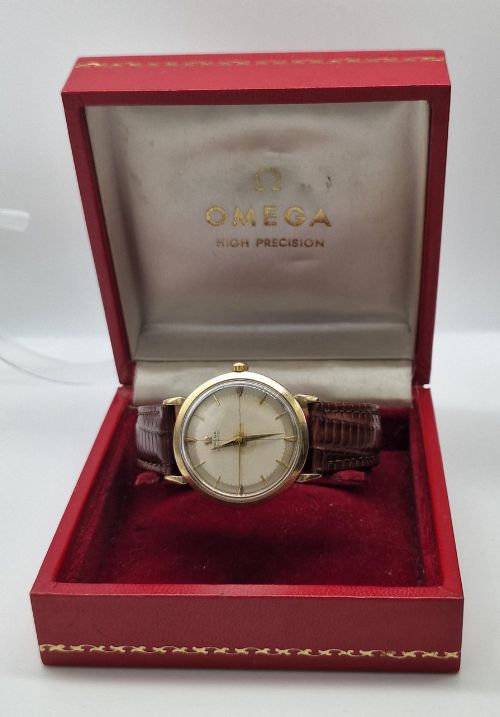
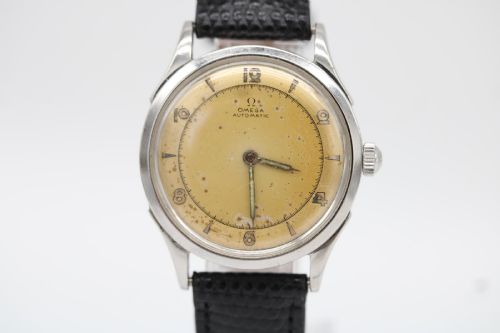
A vintage omega timepiece encompasses wristwatches and pocket watches spanning from the Edwardian era through the mid twentieth century. Buyers seeking a vintage omega timepiece most frequently encounter mid-century automatic and manual wind wristwatches from the nineteen fifties and sixties.
Materials and construction
Cases combine stainless steel, gold plate, and solid nine or eighteen carat gold, occasionally housing diamonds or enamel accents. Dials utilise glass or acrylic crystals to protect intricate mechanical movements.
Strap options pair leather with matching metal bracelets or chains. Internal calibres employ precise gear trains and oscillating weights for automatic winding.
Vintage Omega Timepiece Retail Price Guide 2026
Typical asking prices for vintage omega timepiece among the pieces listed under this phrase on Sellingantiques today, from the lower quarter to the upper quarter. They describe what is for sale here now, not the wider market.
Listings span periods from nineteen ten to nineteen seventy, featuring stainless steel, gold plate, and solid gold materials in wristwatch and pocket watch forms.
Distinctions in quality
Gradations in quality depend heavily on the original casing metal and the preservation of factory components. Solid gold and white gold constructions command higher regard than gold plated variants.
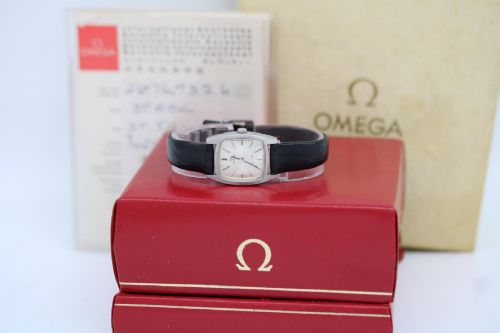
Original dials retaining crisp typography and unaltered hands elevate a piece above examples with heavy restoration. Inclusion of original boxes, papers, and signed buckles further distinguishes superior specimens.
Omega
The Vintage Omega Timepiece Glossary
- Calibre
- The specific internal mechanical movement designated by the manufacturer. Each number identifies the unique architecture and layout of gears and springs inside the case.
- Chronometer
- A high precision movement that has successfully passed rigorous chronometric testing for accuracy. These mechanisms maintain superior timekeeping under various temperatures and positions.
- Bumper automatic
- An early self-winding movement where the rotor swings back and forth against internal springs rather than rotating fully. The wearer can physically feel the motion of the weight striking the buffers.
- Fob watch
- A pocket watch designed to be secured to a short chain or ribbon tucked into a waistcoat pocket. These items were prevalent in earlier decades before wristwatches became standard.
- Explorer dial
- A distinctive dial layout featuring prominent numerals at cardinal points for enhanced legibility. This configuration appears on select mid-century models.
Vintage Omega Timepiece: Frequently Asked Questions
How do I wind a manual watch?
Turn the crown gently clockwise between your thumb and forefinger until slight resistance indicates the mainspring is fully tensioned. Avoid forcing the crown past this stopping point to prevent internal damage.
Perform this action at a consistent time each day if you wear the piece regularly. Keeping the spring properly wound ensures steady power delivery to the escapement.
Are these watches water resistant?
Vintage models, including those designated for diving, lack modern gaskets and sealing technology. Moisture can easily compromise vintage dials and internal metal components.
Keep these items away from swimming, showers, and heavy rain. Professional sealing tests are necessary before exposing any vintage case to moisture.
How do I date an Omega?
Internal movement serial numbers correspond to specific production years recorded in manufacturer archives. Case backs may also contain reference numbers that help narrow down the manufacturing period.
Opening the case requires proper horological tools to avoid damaging the metal. Consulting specialised reference guides with the movement serial number yields the most accurate production date.
Can I wear a vintage watch daily?
Many buyers wear these mechanical pieces daily provided the movement has been recently serviced by a professional. Regular maintenance keeps the internal oils fresh and prevents excessive wear on the gears.
Store the watch away from strong magnetic fields found in modern electronics. Treat the delicate acrylic crystals and mechanical balances with care during everyday activities.