

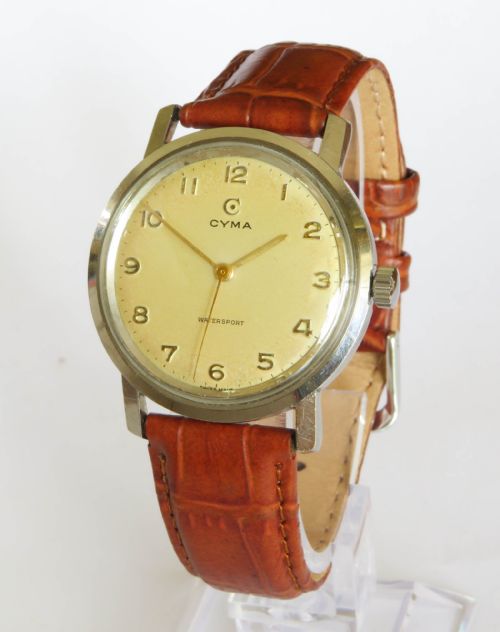
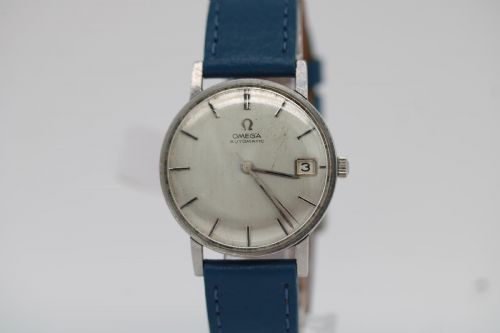
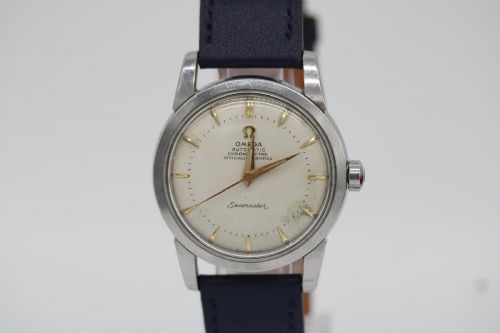
Stainless Steel Wrist Watch
A stainless steel wrist watch offers sturdy metal construction paired with reliable mechanical movements from the mid-twentieth century onwards.
What a stainless steel wrist watch is
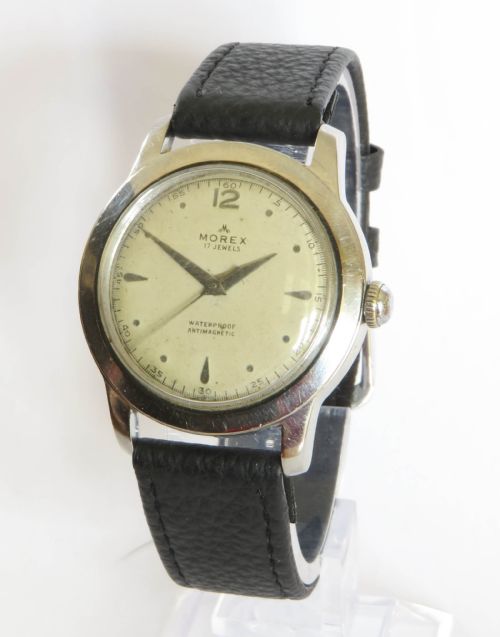
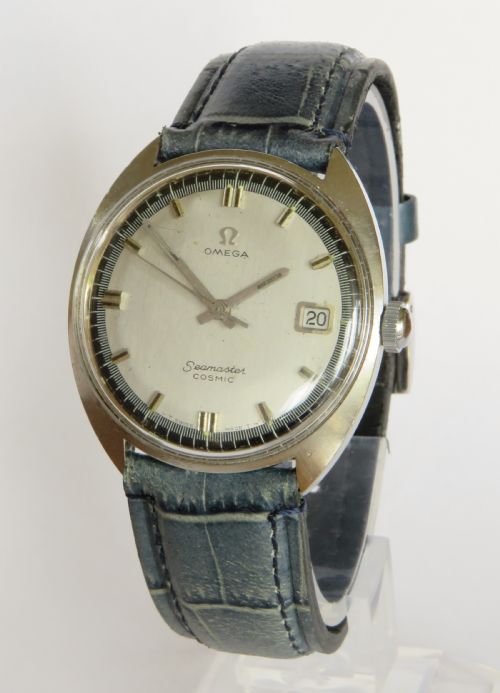
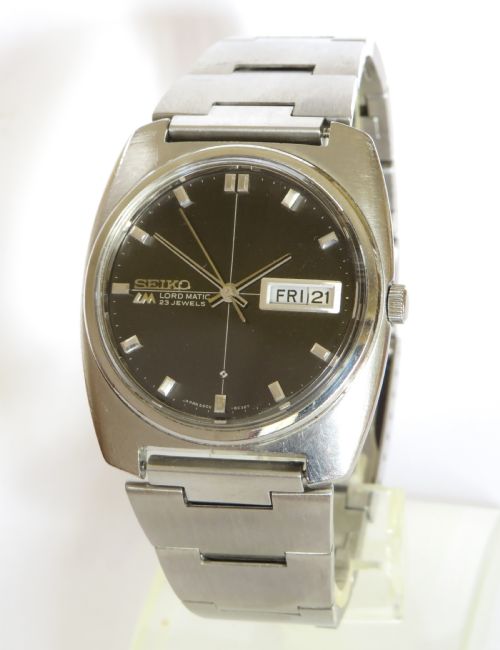
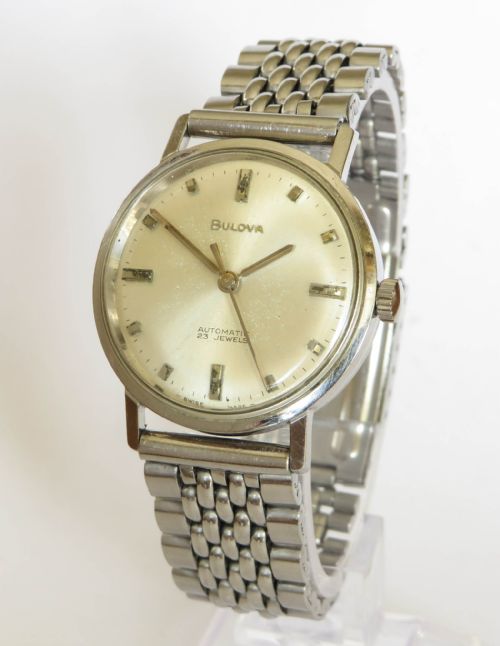
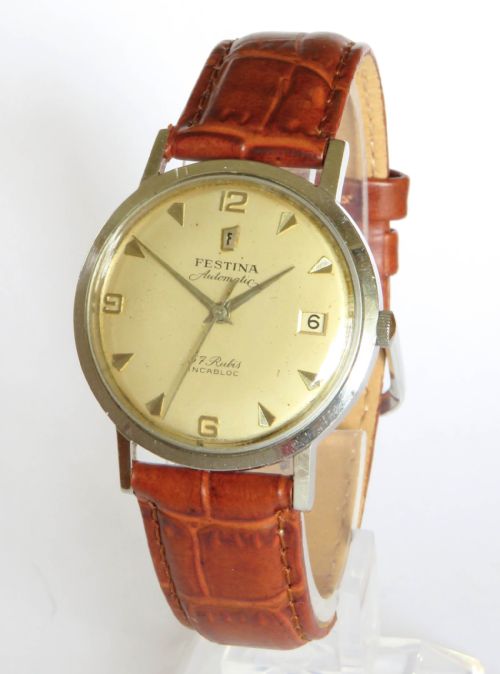
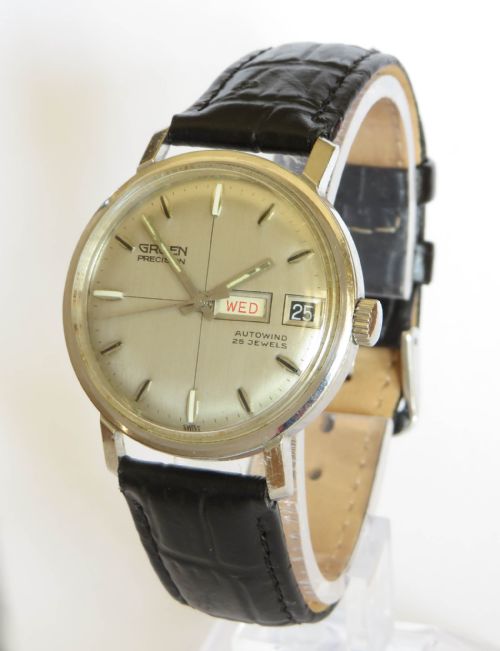
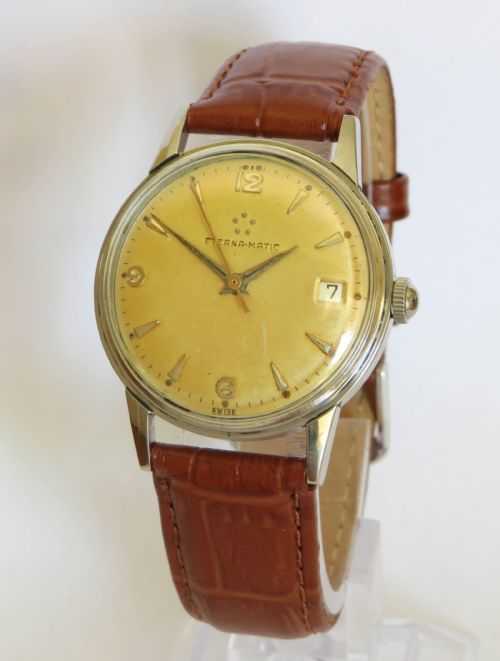
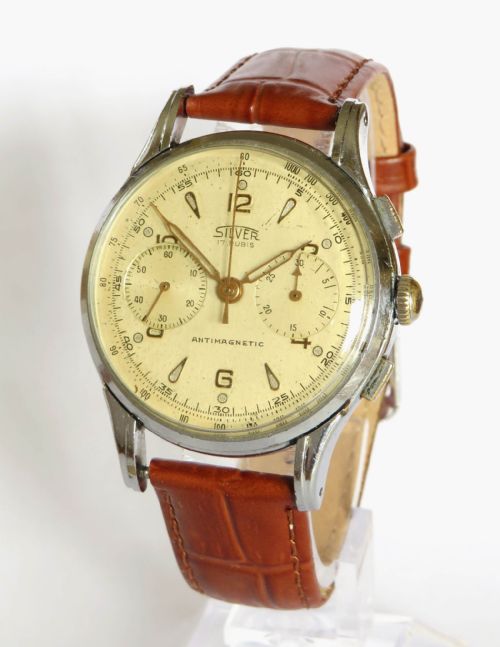
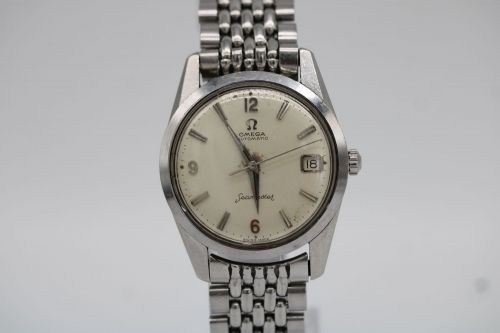
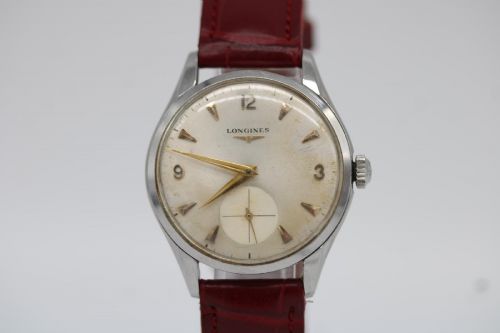
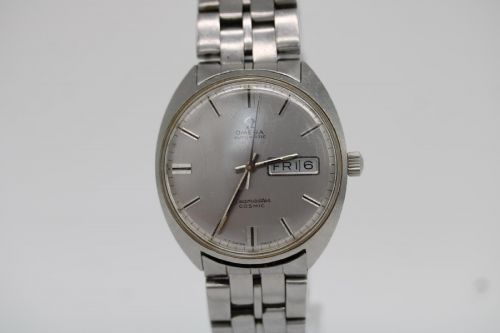
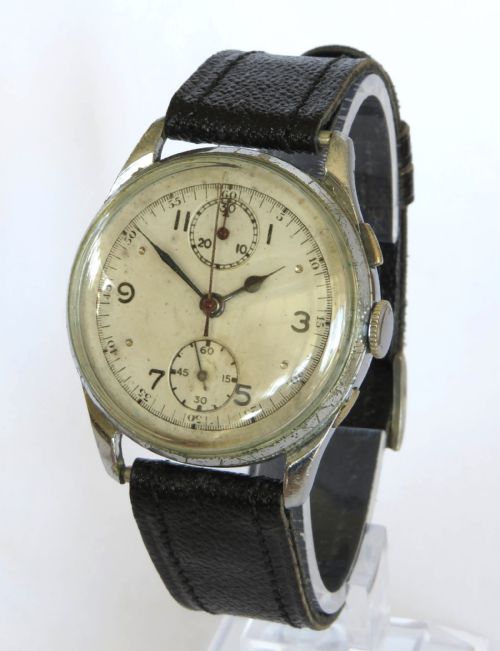
When you search for a stainless steel wrist watch, you encounter resilient metal timepieces spanning the 1930s through to the 1970s. These pieces include utilitarian military issues, oversized dress models, and automatic calendar pieces.
The most common versions on this page originate from the 1950s and 1960s, featuring classic round cases or distinctive jumbo proportions. Makers such as Omega and Longines dominate the surviving selection alongside specialised makers.
Mid-century modern and industrial design influences shape many of these wristwatches, reflecting a period when robust metal housings became standard for daily wear. Buyers frequently find automatic winding mechanisms and traditional leather straps accompanying the steel cases.
Materials and construction
Cases are formed from durable stainless steel, sometimes paired with components like rose gold or fitted with specialist materials such as Denisteel. Protective dial covers utilise either clear glass or resilient acrylic crystals.
Movements rely on intricate mechanical engineering, utilising jewel bearings and automatic winding systems to power the hands. Straps are predominantly fashioned from supple leather to secure the metal case to the wrist.
Retail Price Guide 2026
Typical UK retail prices for stainless steel wrist watch, calculated from the Sellingantiques database of over a million retail prices indexed since 2003. This retail price guide relies exclusively on Sellingantiques data; no external sources or auction records are used, so the figures do not describe the wider market.
Some watches recorded railway service history, keeping time precisely for Australian train guards back in nineteen sixty-eight.
Defining quality and refinement
The distinction between standard commercial models and top-tier pieces rests in movement complexity and historical provenance, such as official military or railway issue markings. Case proportions also dictate standing, with oversized jumbo formats commanding greater attention.
Refinement shows in the preservation of original dial typography, sharp case edges, and specialised calibres containing higher jewel counts. Lower tiers often feature generic movements or heavier case polishing that softens original lines.
Gruen Precision·Prisma·Omega·Timex·Universal Geneve·IWC·Longines·Hamilton·Zenith
The Stainless Steel Wrist Watch Glossary
- Automatic
- A self-winding mechanical movement that uses the natural motion of the wearer's arm to keep the mainspring wound. This system removes the need for daily manual winding.
- Jumbo Case
- An oversized watch case for its era, typically measuring larger than standard diameters. Collectors prize these larger proportions for a modern presence on the wrist.
- New Old Stock
- Unsold vintage inventory discovered in pristine condition decades after initial manufacture. These items retain their original factory state without previous everyday wear.
- Calibre
- The specific internal mechanical movement manufactured by a watchmaker. Different calibres denote distinct developmental generations and functional complexities.
- Acrylic
- A lightweight transparent plastic material used for vintage watch crystals. It offers flexibility and can be polished easily if scratched.
Frequently Asked Questions
How do I wind an automatic watch?
Automatic watches wind themselves through the natural movement of your wrist during daily wear. If the watch has stopped completely, give the crown a few gentle manual turns to kickstart the movement before putting it on.
Most automatic pieces also allow hand-winding to build an initial power reserve. Avoid over-winding by stopping as soon as you feel gentle resistance from the mainspring.
Are these watches waterproof?
Vintage stainless steel wristwatches were generally water-resistant for daily use rather than waterproof by modern standards. Gaskets and seals degrade over decades, making them vulnerable to moisture.
It is safest to keep vintage timepieces away from water, rain, and heavy humidity unless a watchmaker has recently pressure-tested the case.
How do I care for a leather strap?
Leather straps benefit from remaining dry and away from direct sunlight or excessive heat. Remove the watch before swimming, showering, or engaging in strenuous physical activity.
Applying a specialised leather conditioner periodically keeps the material supple. Replacement straps are easily fitted when the original leather eventually shows wear.
What is a military issue watch?
Military issue watches were commissioned by armed forces for personnel, featuring specific engravings, broad arrow marks, or government stock numbers on the case back. These timepieces prioritized legibility, accuracy, and rugged durability under harsh field conditions.
Collectors value them for their strict functional design and documented historical service. Examples include pieces issued to British forces or national railways.