
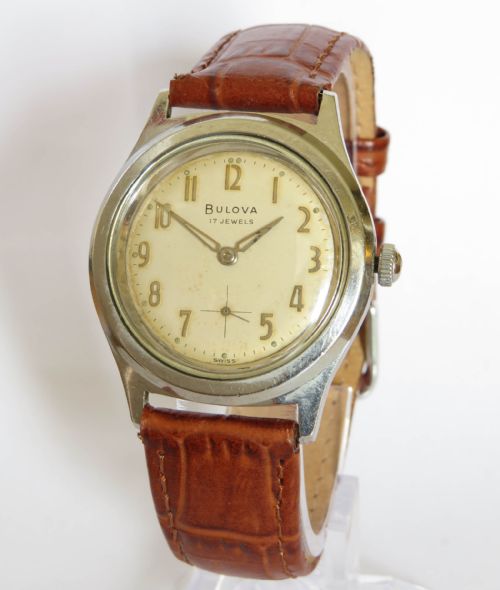
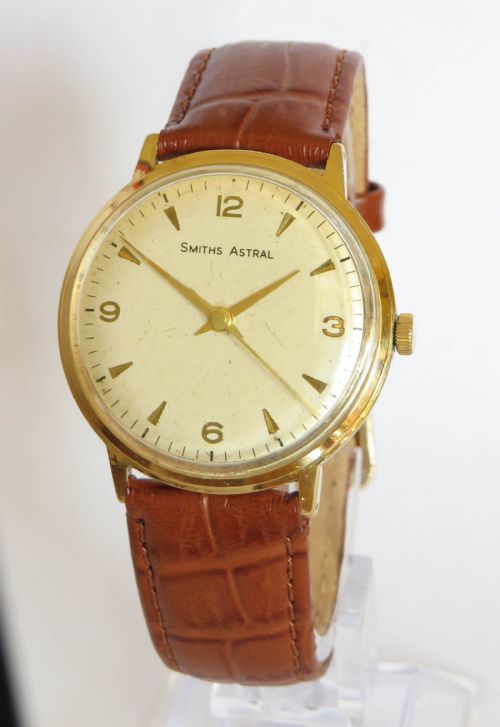


Vintage Analogue Watch
A vintage analogue watch brings mechanical timekeeping back to the wrist, offering dependable dials from the mid-century decades.
Vintage Analogue Watch
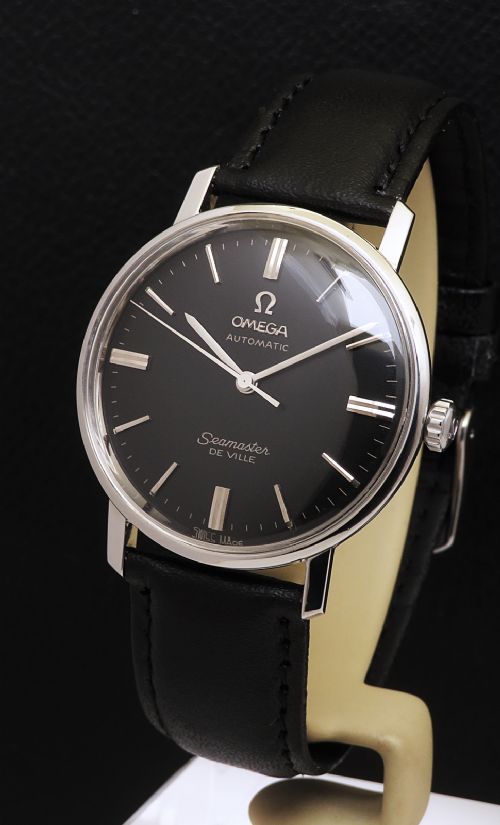
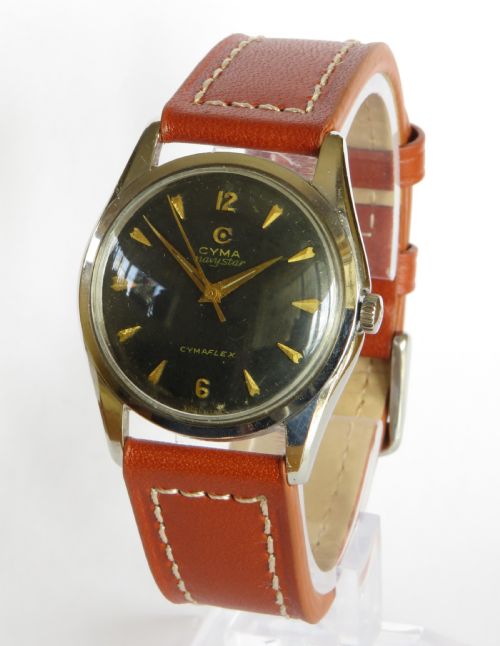
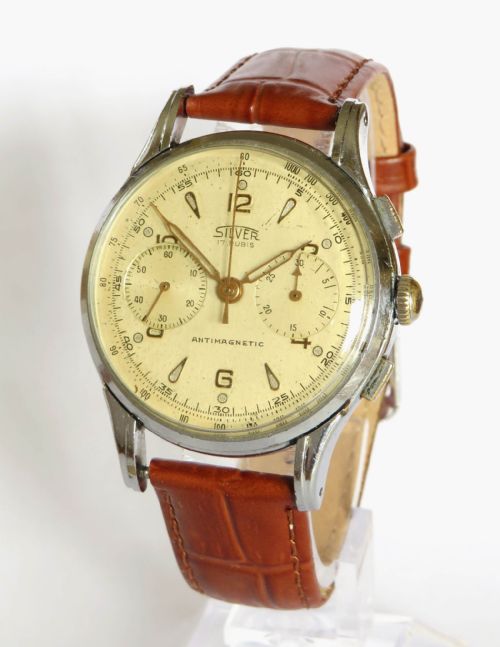
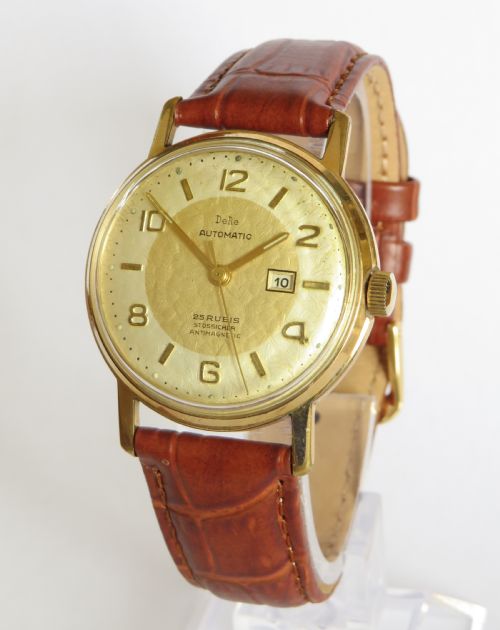
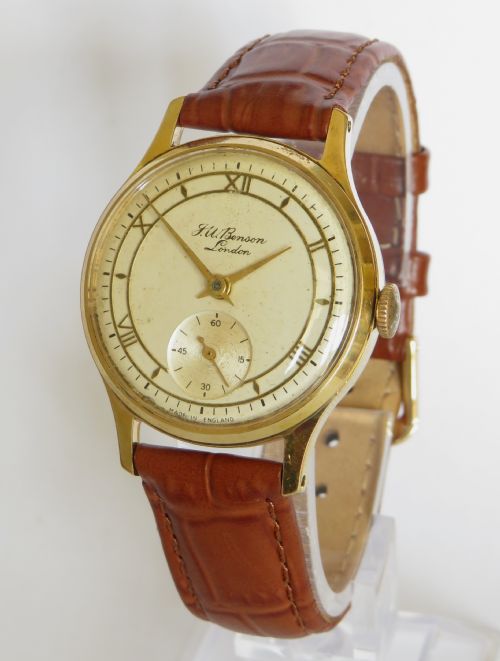
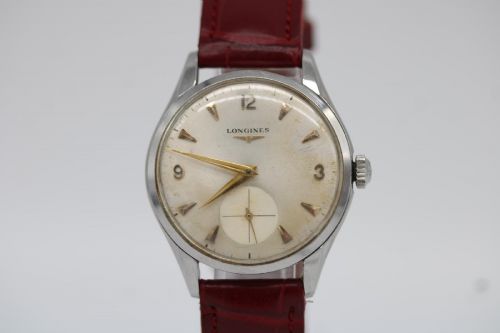
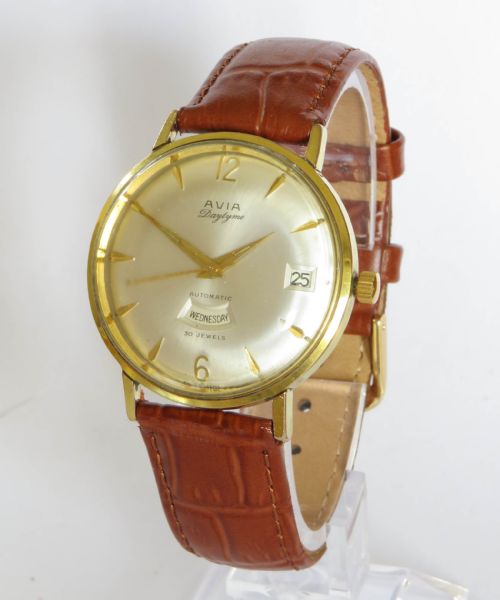
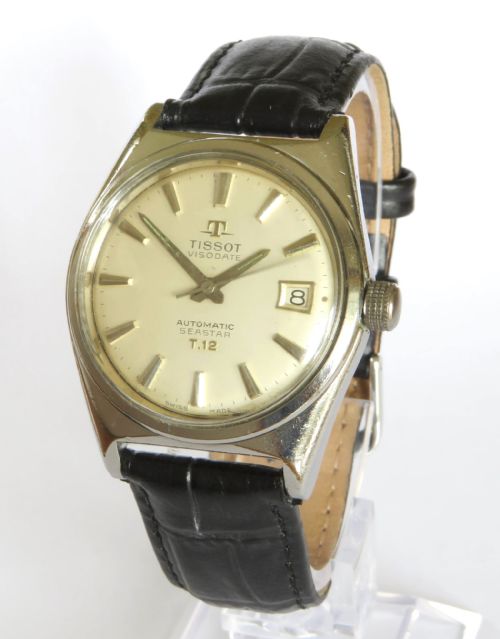
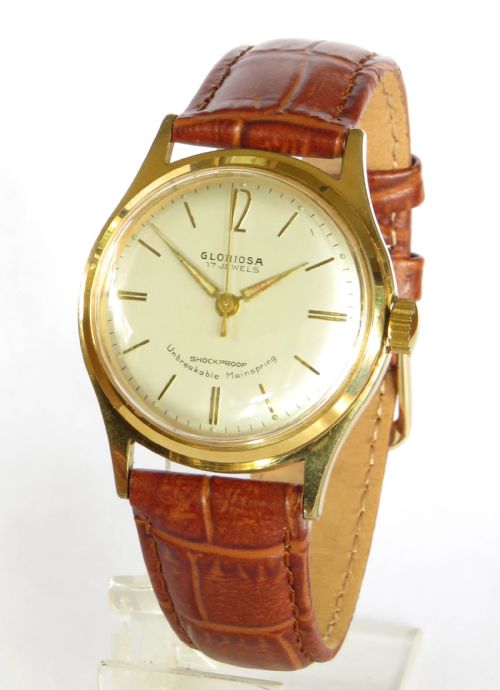
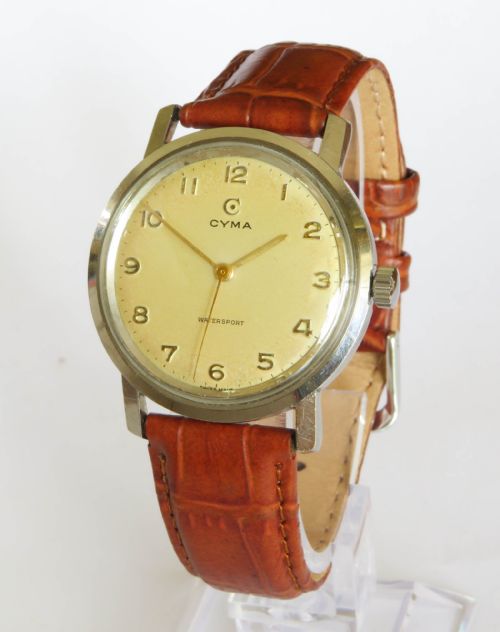
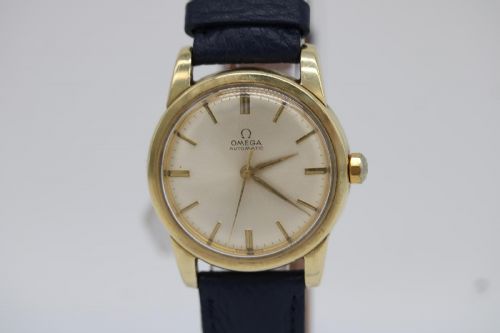
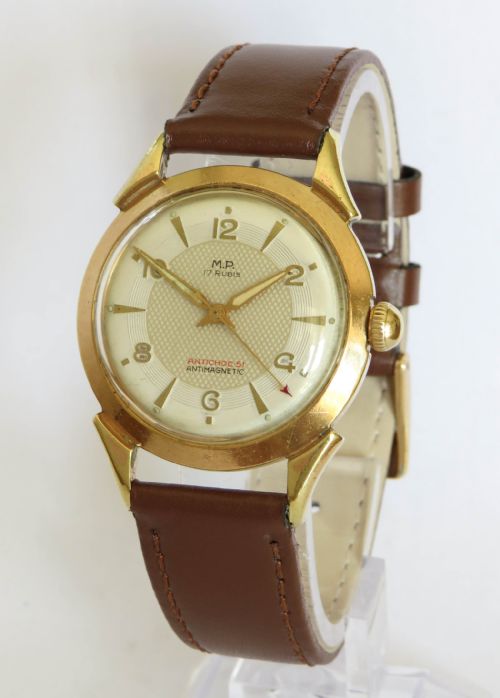
A vintage analogue watch represents mechanical timepieces primarily sourced from the 1940s, 1950s, and 1960s. These pieces span wristwatches and occasional table clocks, with wristwatches dominating the selection.
Most items reflect Mid-Century Modern and Art Deco sensibilities, featuring traditional hands and dials rather than digital displays. Buyers encounter automatic and manual wind mechanisms housed in steel, gold plate, or chrome cases.
How they were made
Cases combine metals such as stainless steel, chrome, and gold plate, paired with glass, acrylic, or acrylic glass crystals over the dial. Leather straps frequently complete the assembly.
Movements rely on manual wind or automatic calibres, often featuring jewelled bearings to reduce friction in the gear train. Swiss and British workshops utilised these traditional horological techniques.
Listings feature periods spanning the 19th Century, 1940s, 1950s, and 1960s, constructed from materials including stainless steel, leather, and gold plate.
What varies in quality
Quality differences lie in the refinement of the movement and the integrity of the case finishing. Finer calibres offer greater precision and proprietary engineering from established watchmakers.
The preservation of original dials, hands, and case proportions determines the desirability of an example. Unpolished cases and clean, signed dials distinguish superior pieces.
Omega·Cyma·Smiths·Longines·Tissot·Bulova·Eterna·Girard Perregaux
The Vintage Analogue Watch Glossary
- Automatic
- A self-winding mechanical movement that uses a weighted rotor to wind the mainspring through natural wrist movement.
- Manual wind
- A mechanical movement that requires the wearer to turn the crown by hand to tension the mainspring.
- Calibre
- The specific internal movement designation or model created by the watch manufacturer.
- Acrylic glass
- A lightweight, shatter-resistant plastic material commonly used for watch crystals during the mid-century period.
- Gold plate
- A base metal case coated with a thin layer of gold to give the appearance of solid precious metal.
Vintage Analogue Watch: Frequently Asked Questions
How do I wind a manual watch?
Turn the crown clockwise between your thumb and forefinger until you feel gentle resistance. Stop immediately to avoid over-winding and straining the mainspring.
Wind the watch at approximately the same time each day to maintain consistent tension and accurate timekeeping.
Are these watches waterproof?
Vintage pieces generally lack modern rubber gaskets and screw-down crowns. Exposure to moisture can easily damage the dial and rust the movement.
Keep the watch away from water, rain, and humidity unless a specialist has recently tested and sealed the case.
What is the difference between automatic and manual?
Manual watches rely entirely on daily hand-winding via the crown. Automatic versions include an internal weighted rotor that winds the spring as you move.
Both systems use traditional gears and springs rather than batteries or quartz crystals.
How do I date a vintage watch?
Examine the movement serial numbers, case hallmarks, and style cues like dial typography. Brand archives often match serial numbers to specific production years.
Stylistic elements such as lug shapes and font choices also point toward specific decades like the 1950s or 1960s.