


Mid Century Wristwatch
A mid century wristwatch offers clean dials and mechanical reliability, capturing the distinct design shifts of the 1950s and 1960s.
Mid Century Wristwatch
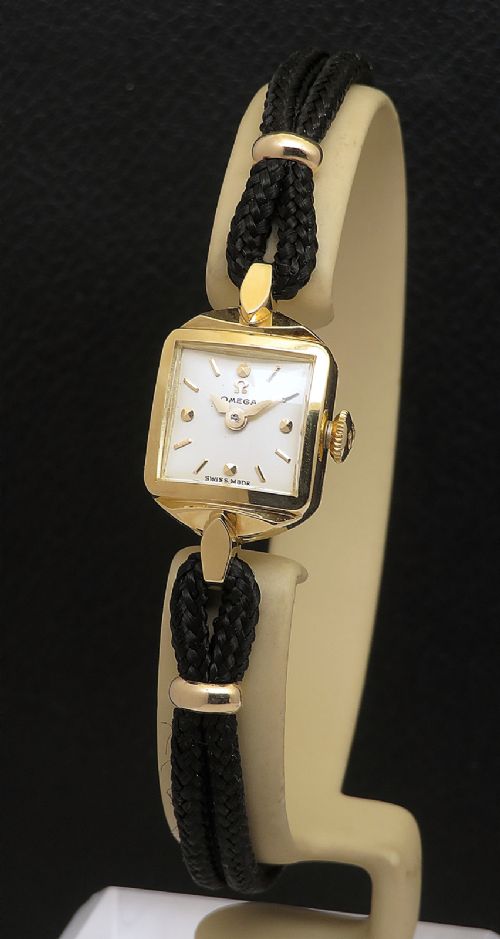
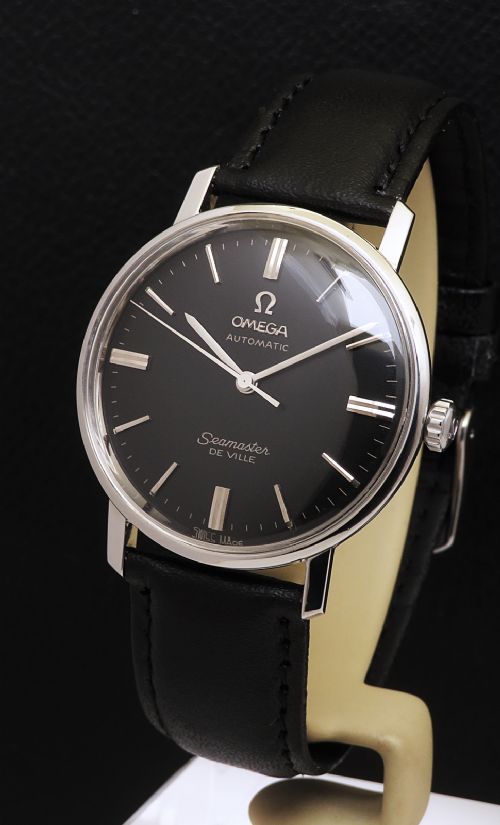
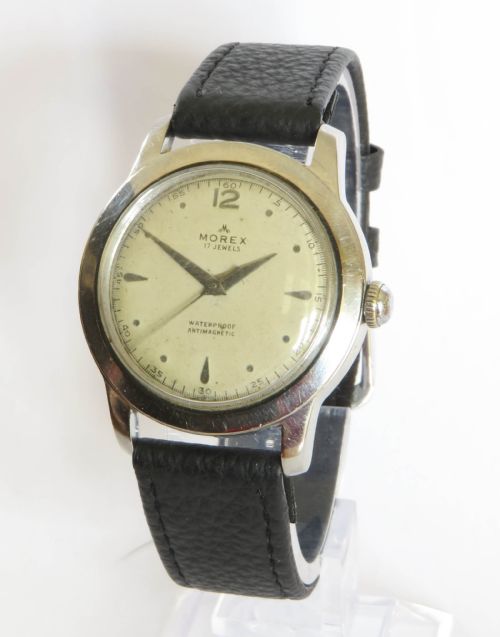
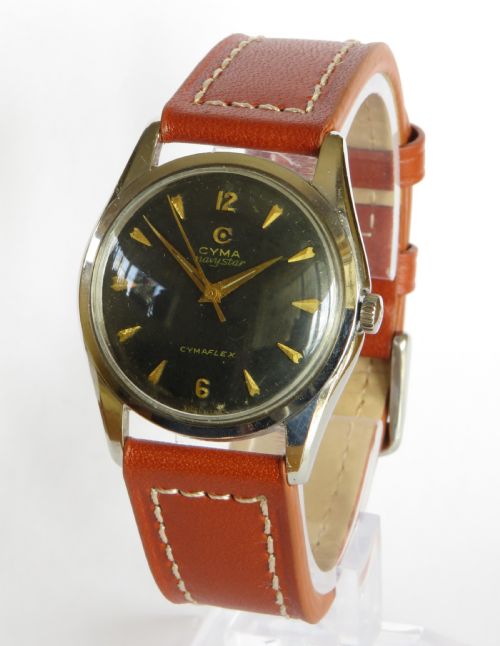
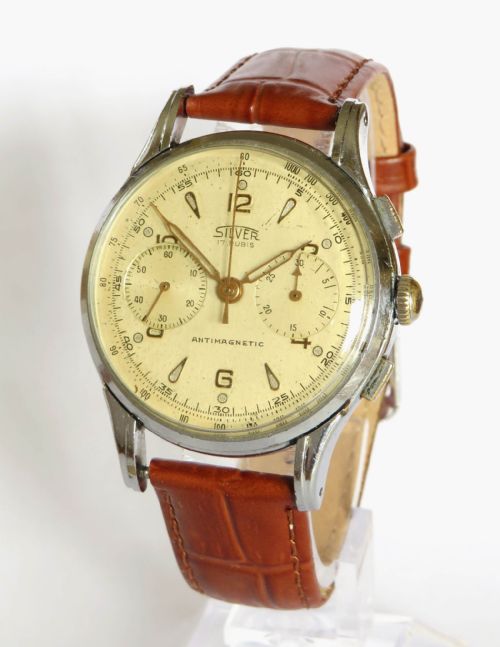
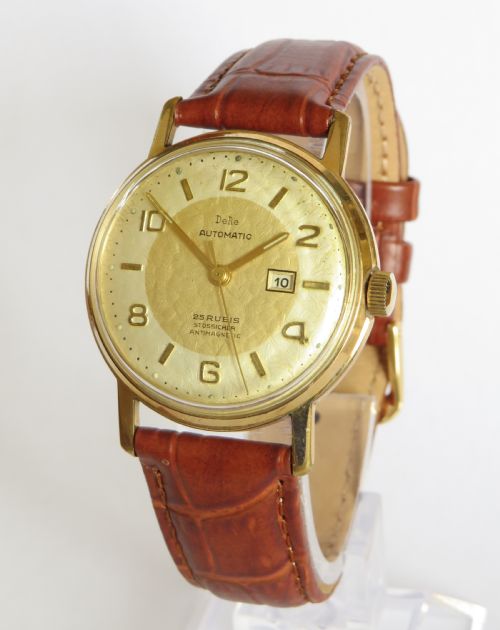
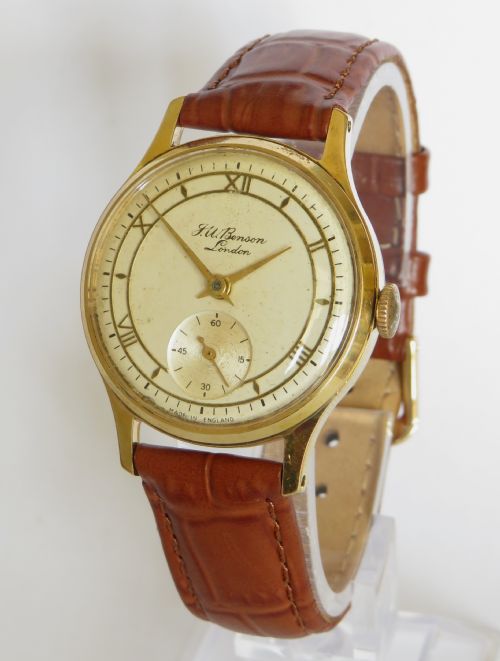
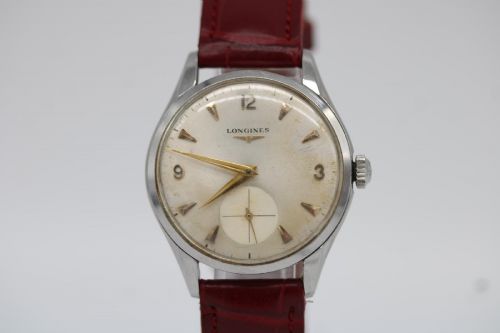
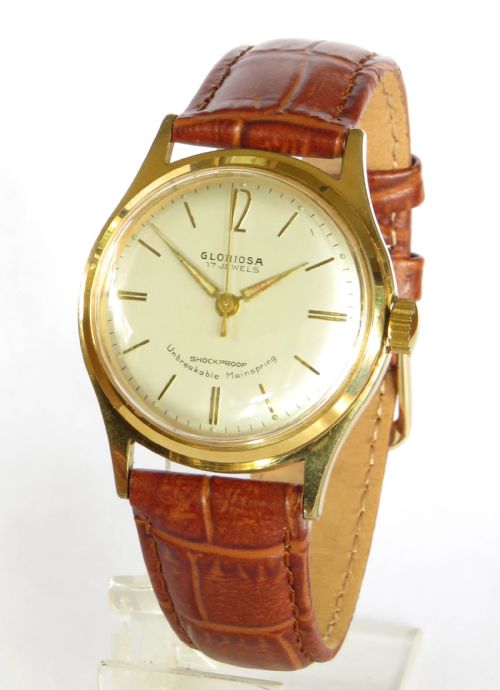
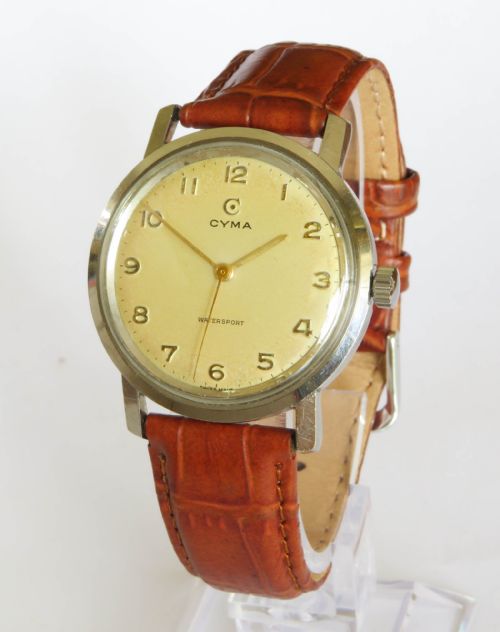
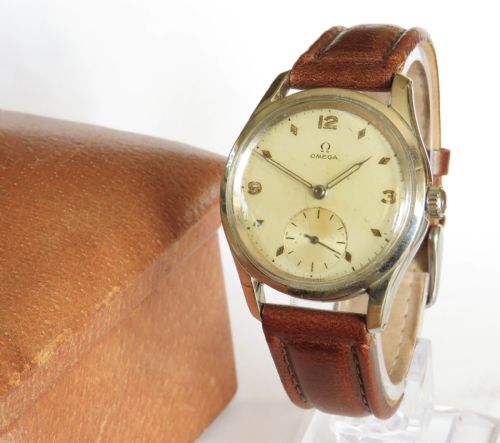
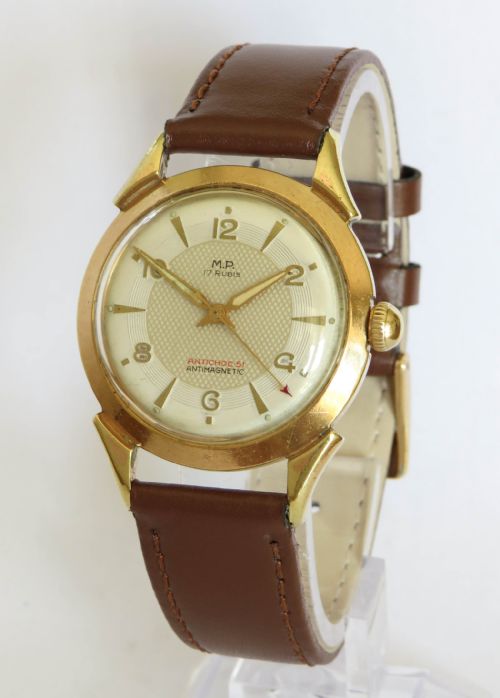
A mid century wristwatch encompasses both men's utility timepieces and ladies' dress models originating primarily from the 1950s and 1960s. These items range from straightforward manual wind daily wearers to automatic chronographs and jewel-set cocktail pieces.
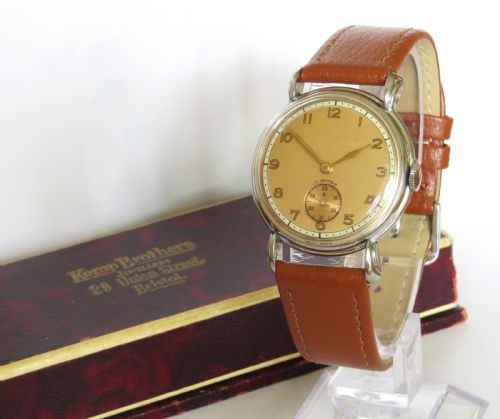
The pieces on this page lean heavily toward Swiss makers and British firms from the middle decades of the twentieth century, alongside occasional earlier examples from the 1920s and 1940s. Forms span from robust steel sports models to precious metal dress watches housed in leather straps.
Materials and construction
Cases combine stainless steel, chrome, gold plate, and solid gold variants such as 18ct white gold, paired with glass or acrylic crystals and leather straps. Several pieces incorporate diamonds into decorative cocktail watchbezels.
Movements rely on mechanical calibres, including manual wind systems, automatic winding mechanisms, and specialised movements like bumper automatics and chronographs. Assembly involves precise gearing and jewelled lever escapements housed within metal cases.
Mid Century Wristwatch Retail Price Guide 2026
Typical asking prices for mid century wristwatch among the pieces listed under this phrase on Sellingantiques today, from the lower quarter to the upper quarter. They describe what is for sale here now, not the wider market.
Some models hide their winding weight inside as a bouncing bumper, tapping softly against your wrist with every gesture.
What sets examples apart
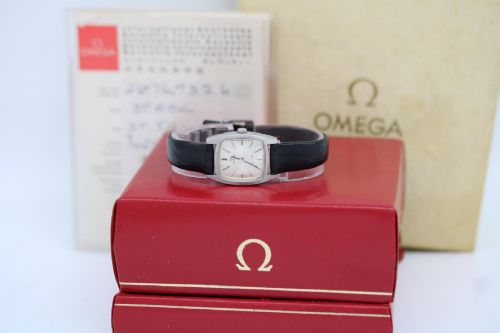
Quality rests on the original grade of the movement, the preciousness of the metal case, and the presence of original packaging like boxes and papers. Solid gold or diamond-set cocktail watches occupy the upper tier, while standard steel or chrome models form the everyday baseline.
Condition plays a major role, distinguishing completely original or fully restored pieces with untouched dials from those showing wear or replacement parts. The reputation of the maker, from volume manufacturers to specialist Swiss houses, further separates standard production from top-tier specimens.
Omega·Montilier·Antoremi·J W Benson·Longines·Seiko·Gloriosa·Cyma·Rolex Tudor·Bulova·Kered·Rotary·Lanco·Eterna Matic·Marvin·Smiths·Prisma·Dogma Prima·Certina·Consul·Fludo·Movado
The Mid Century Wristwatch Glossary
- Manual wind
- A watch that requires the wearer to turn the crown by hand to tension the mainspring. This traditional mechanism was standard for most mid-century dress watches.
- Automatic
- A self-winding movement that utilises a weighted rotor moved by the natural motion of the wrist to power the watch. These became widely adopted during the 1950s.
- Chronograph
- A watch equipped with a stopwatch function alongside the standard time-displaying hands. Such models often feature auxiliary sub-dials on the face.
- Cocktail watch
- A small, decorative ladies' timepiece often set with diamonds and precious metals meant for evening wear. These prioritize ornamentation over simple legibility.
- Bumper automatic
- An early form of automatic winding movement where the rotor swings back and forth against springs rather than rotating fully. This mechanical style is typical of the 1950s.
Mid Century Wristwatch: Frequently Asked Questions
How do I wind a manual watch?
Turn the crown clockwise gently between your thumb and forefinger until you feel firm resistance. Stop immediately to avoid damaging the mainspring.
Most mechanical watches require daily winding if worn regularly to maintain accurate timekeeping throughout the day.
Are these watches water resistant?
Vintage pieces generally lack modern seals and gaskets, meaning even models marked waterproof should be kept well away from water. Moisture can easily seep past the crown or crystal and rust the delicate internal movement.
Treat these items as strictly non-waterproof to preserve the vintage dial and mechanical components.
How accurate are vintage movements?
Mechanical watches from this era typically gain or lose a small number of seconds each day compared to modern quartz timepieces. Regular servicing by a watchmaker helps keep the movement running within its intended tolerance.
Variations in position and temperature can also influence the daily running rate of older mechanical calibres.
Can I replace the leather strap?
Straps are easily swapped using a spring bar tool to match your personal preference or to replace a worn band. Standard leather straps in various widths fit most mid-century watch lugs without issue.
Preserving original branded buckles or vintage straps can be desirable for collection value, but modern replacements offer better everyday wear.