
Leather Strap Watch
A leather strap watch combines practical timekeeping with enduring tactile charm, offering a versatile accessory that suits both casual and formal attire.
What a leather strap watch is
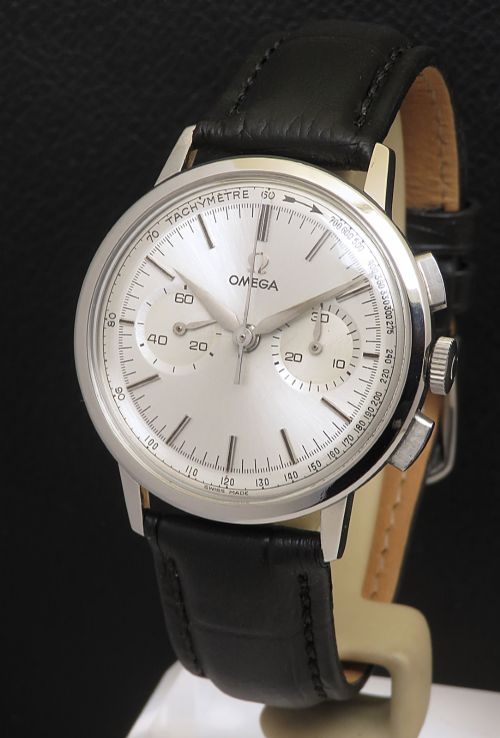
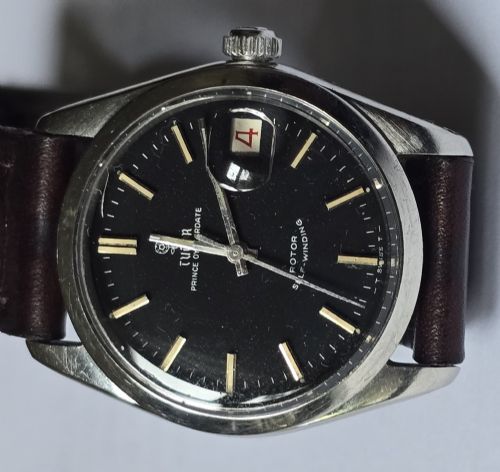
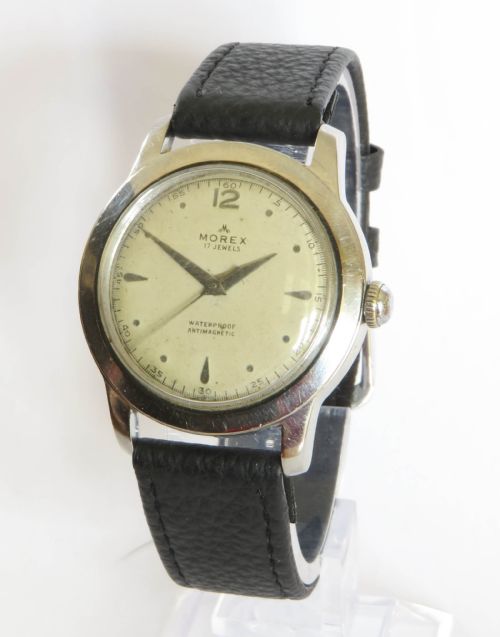
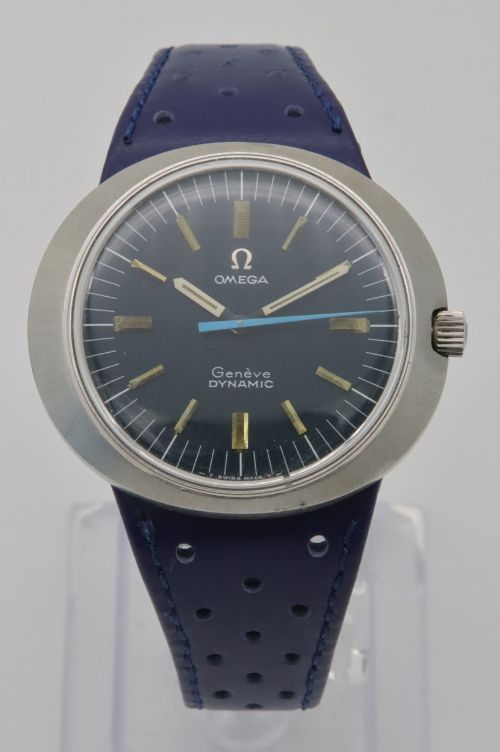
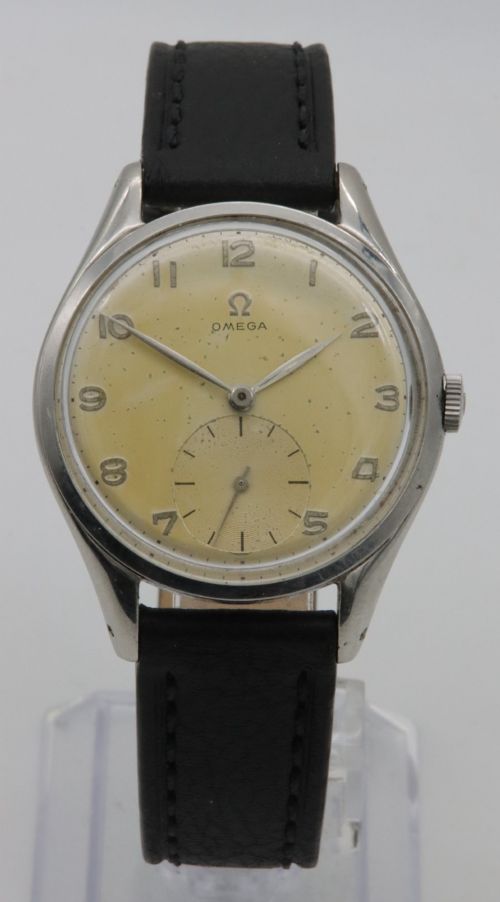
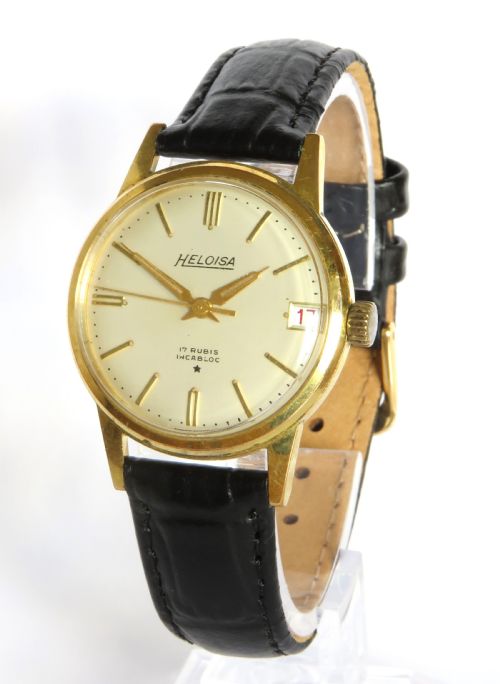
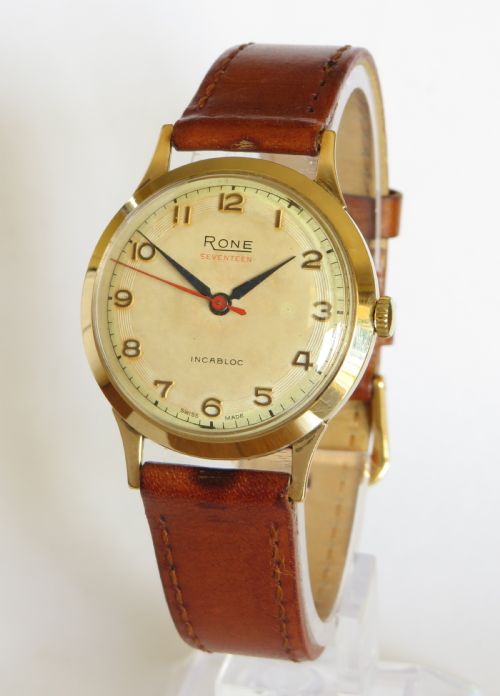
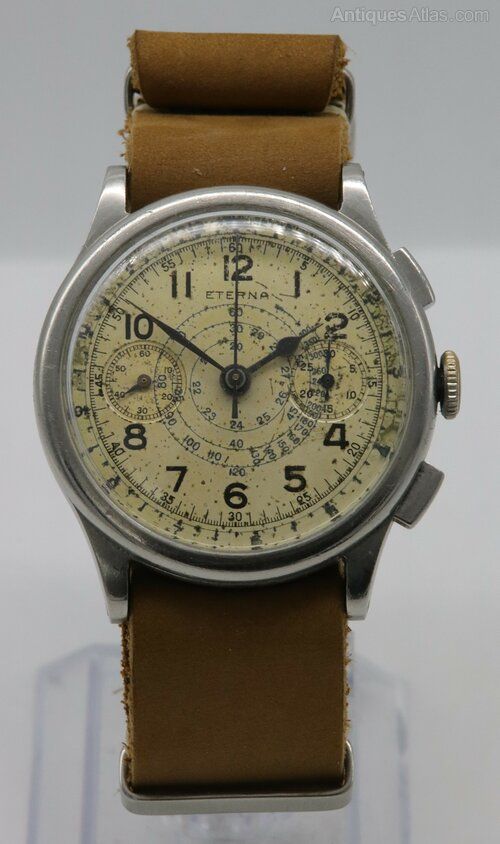
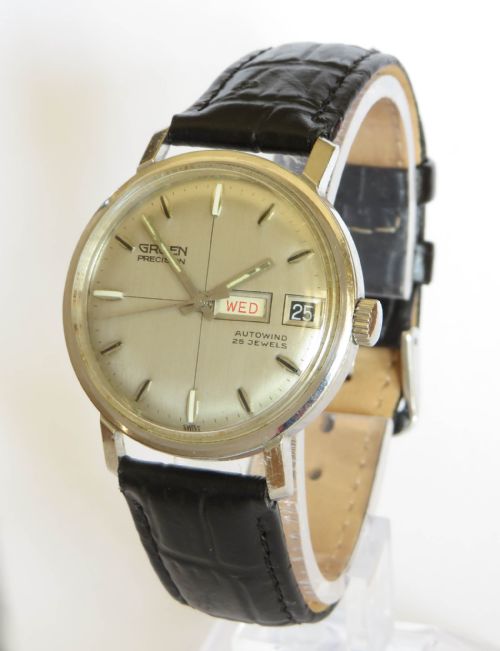
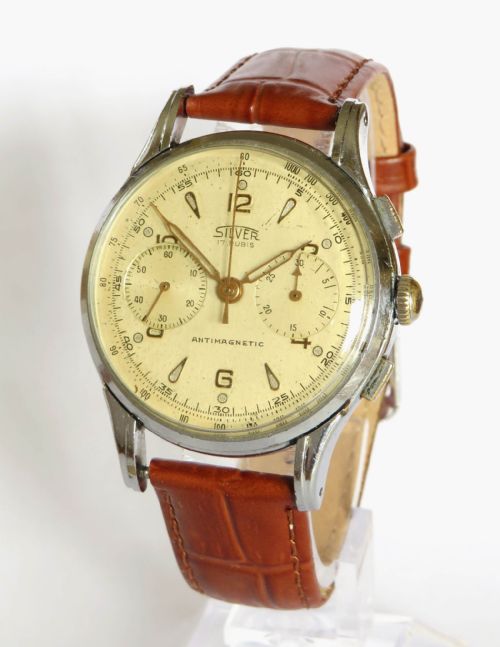
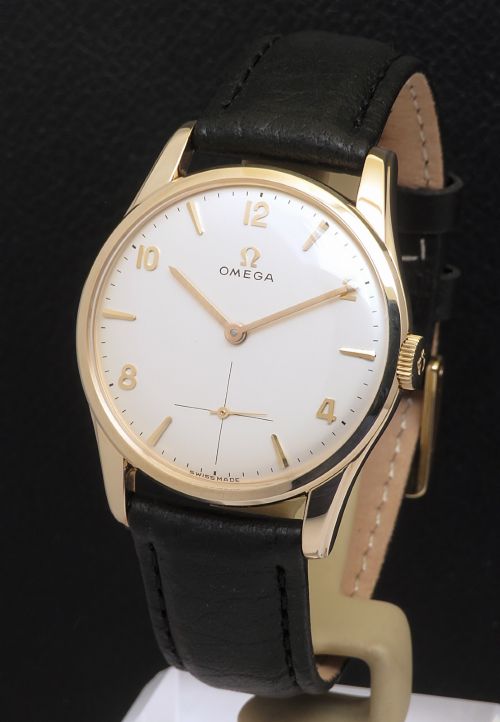
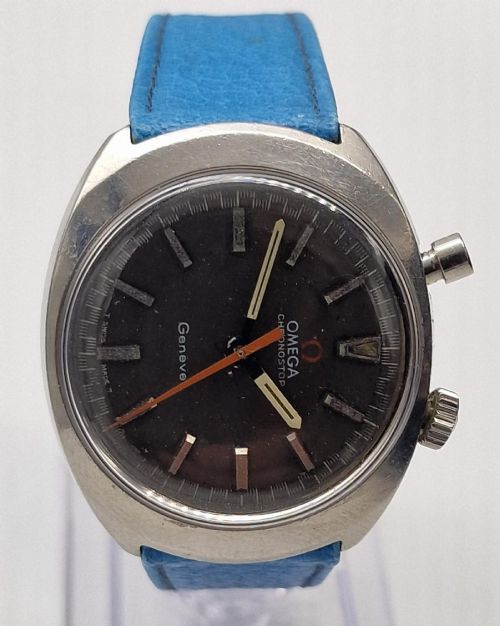
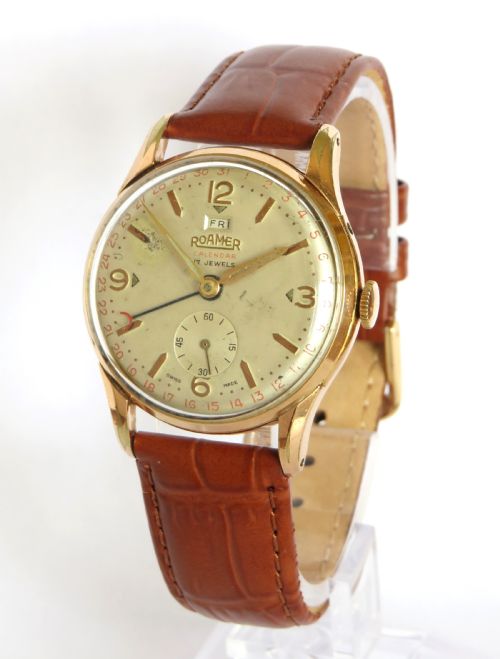
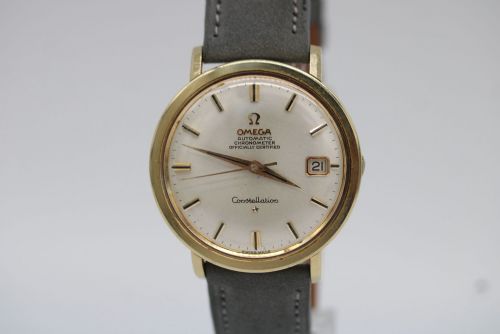
A leather strap watch represents a classic category of wristwatches defined by bands made from genuine hide paired with metal cases and traditional dial faces. When searching for a leather strap watch, buyers encounter pieces originating from the early twentieth century through to the middle decades of that hundred-year span.
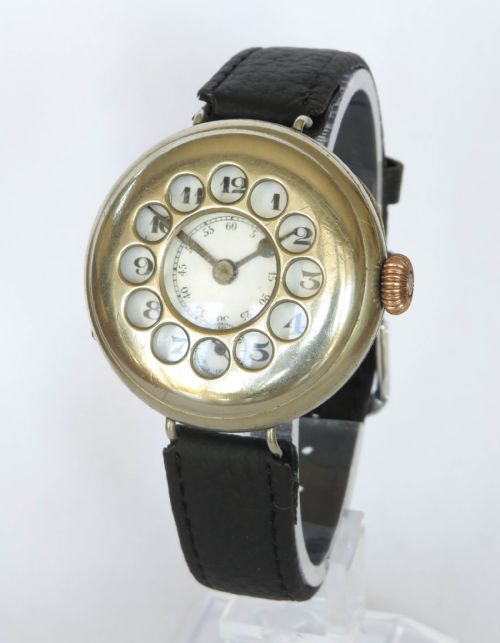
The selections available on this page include distinct wristwatches and converted fob watches from periods such as the nineteen-twenties, nineteen-fifties, and nineteen-sixties. These items reflect design movements including Mid-Century Modern and early twentieth-century aesthetics.
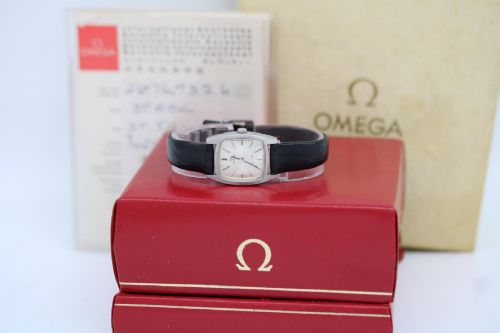
Makers and brands represented in this category include Omega, Longines, Eterna, and the West End Watch Co. Such pieces provide collectors with mechanical movements and historic character.
How they were made
These timepieces utilise durable metals for their cases, incorporating stainless steel, silver, and solid eighteen-carat gold. Dials frequently feature protective acrylic crystals and sometimes detailed enamel work.
Straps are constructed from supple leather, designed to secure the watch comfortably to the wrist. Movements rely on traditional manual wind and automatic mechanical calibres.
Retail Price Guide 2026
Typical UK retail prices for leather strap watch, calculated from the Sellingantiques database of over a million retail prices indexed since 2003. This retail price guide relies exclusively on Sellingantiques data; no external sources or auction records are used, so the figures do not describe the wider market.
Some early watches even brought their wartime leather straps along for the journey, surviving a century of ticks and tocks.
What varies in quality
Quality differences emerge in the choice of case materials, ranging from standard stainless steel up to heavy solid eighteen-carat gold. The sophistication of the internal movement calibre also distinguishes standard production pieces from more refined examples.
The historical preservation of the watch, including original straps from eras like the First World War and intact enamel dials, elevates the distinction of a piece within the market.
The Leather Strap Watch Glossary
- Manual wind
- A mechanical watch movement that requires the owner to turn the crown by hand to tension the mainspring. This traditional mechanism dispenses with the need for batteries.
- Automatic
- A self-winding mechanical movement that harnesses the natural motion of the wearer's arm to power the watch. A weighted rotor inside the case winds the mainspring continuously during wear.
- Fob watch
- A small pocket watch designed to be attached to a chain or strap. Some examples were historically adapted to be worn on the wrist with specialised leather straps.
- Calibre
- The specific internal mechanical movement manufactured by a watchmaker. Different calibres denote distinct design specifications and functional capabilities.
- Acrylic
- A lightweight, shatter-resistant plastic material used historically for watch crystals before the widespread adoption of synthetic sapphire.
Frequently Asked Questions
How do I care for a vintage leather strap?
Keep the leather dry and avoid exposing it to excessive moisture or direct sunlight. Conditioning the material periodically helps maintain its flexibility and appearance.
Store the watch in a stable environment away from extreme temperature fluctuations to preserve both the strap and the mechanical case.
Are these watches waterproof?
Vintage timepieces generally lack modern water resistance standards. Exposure to water can damage the internal mechanical movement and stain the leather strap.
Exercise caution during daily wear and remove the watch before swimming or washing hands.
What is the difference between manual and automatic?
Manual wind watches require regular hand-winding via the crown to store energy in the mainspring. Automatic watches wind themselves using an internal rotor that moves as the wearer walks.
Both systems offer mechanical charm without relying on electrical battery power.
How do I identify the period of a watch?
Examine the design style, typography on the dial, and case construction methods. Mid-century pieces often feature minimalist lines, while earlier examples display ornate detailing.
Internal movement serial numbers can also provide specific chronological reference points for the date of manufacture.