
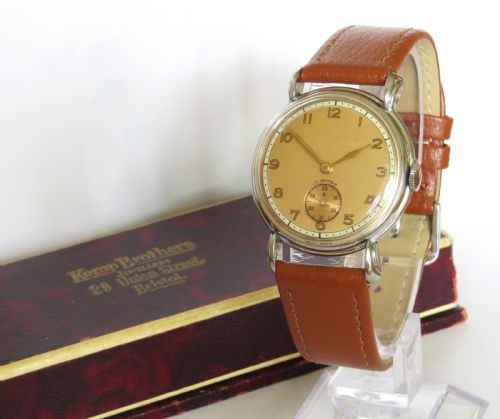
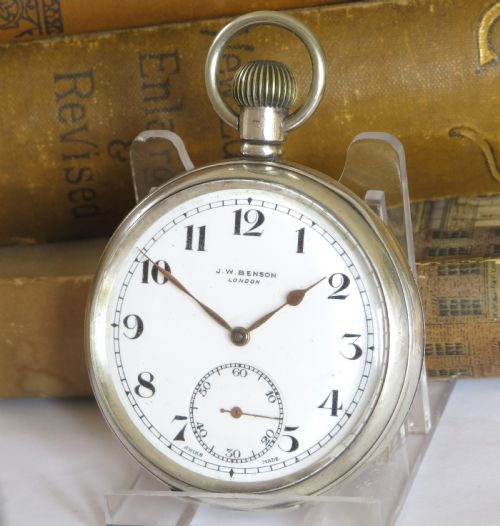
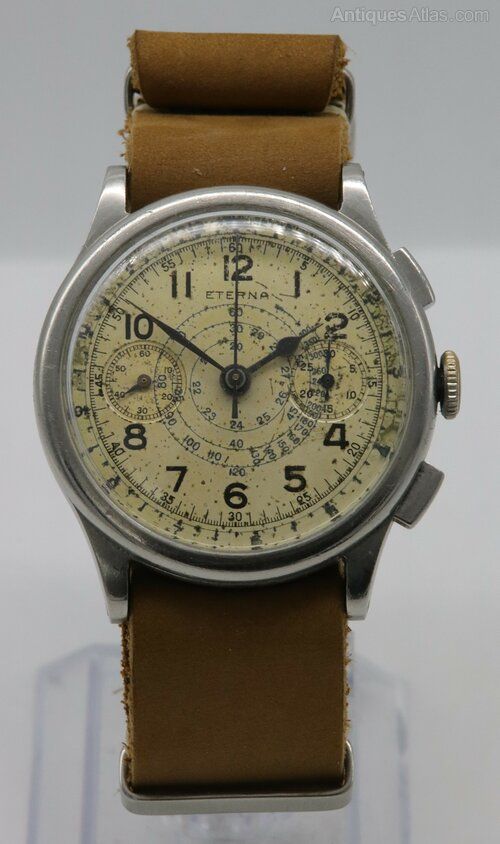
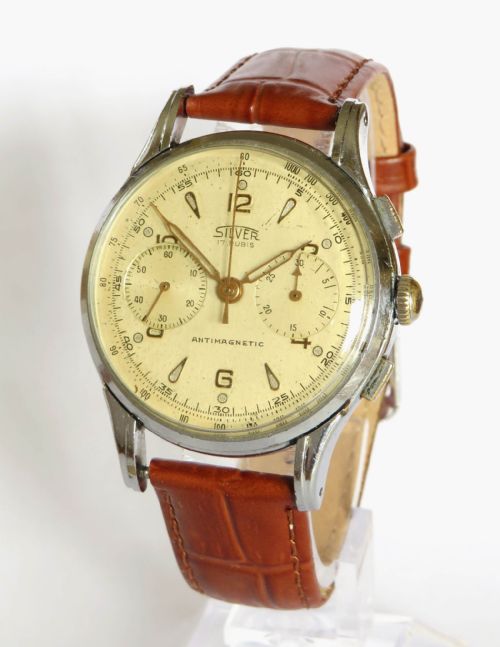
Manual Wind Watch
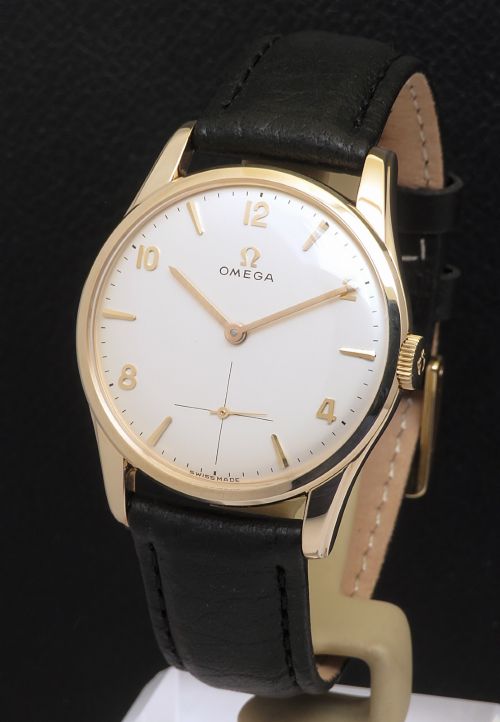
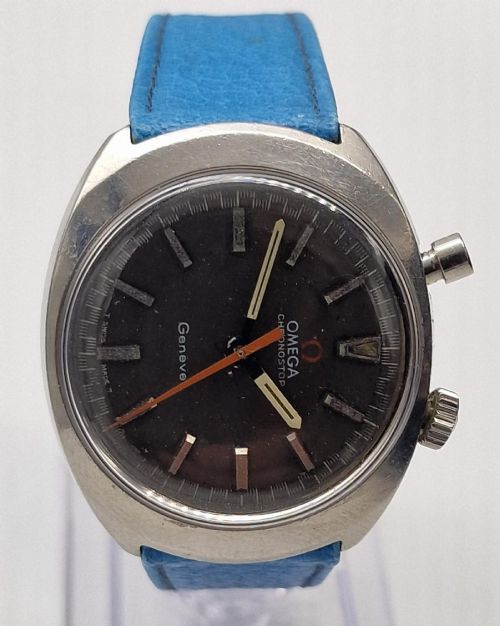
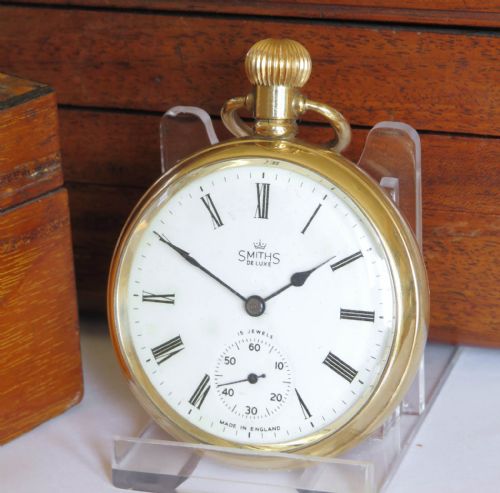
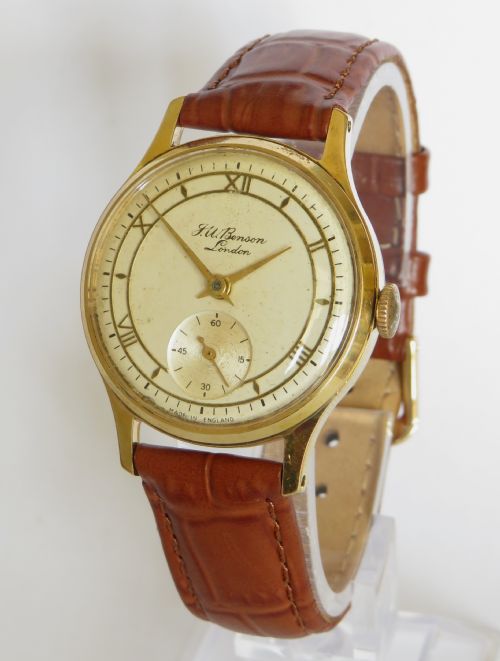
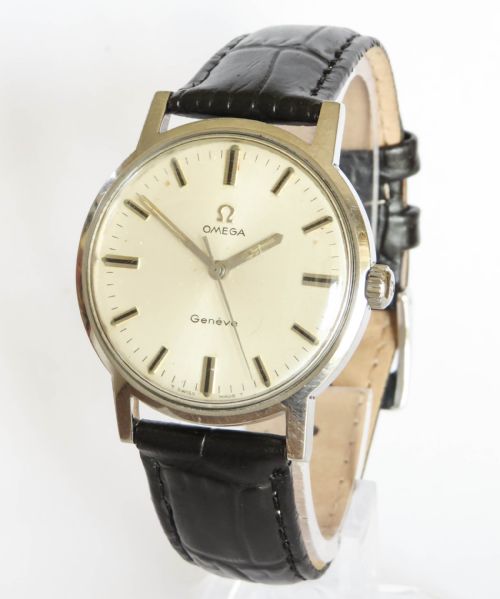
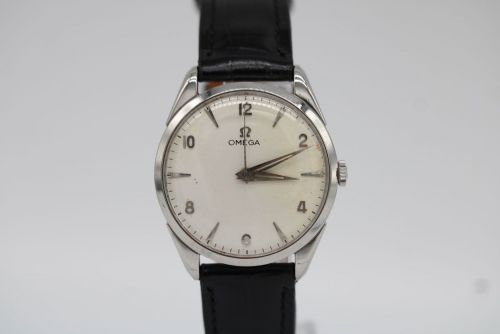
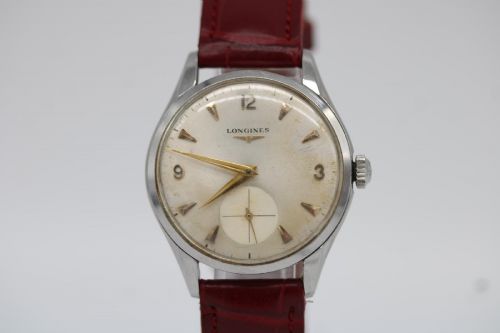
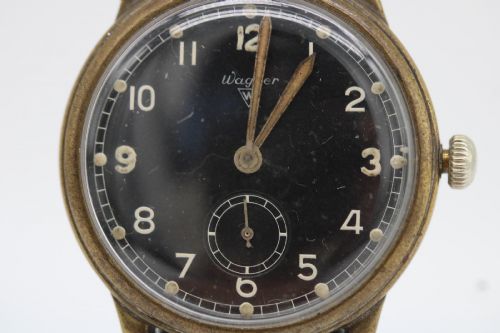
These manual wind watch examples bring together decades of traditional mechanical horology, offering tangible links to mid-century engineering and classic dress styles.
Manual Wind Watch
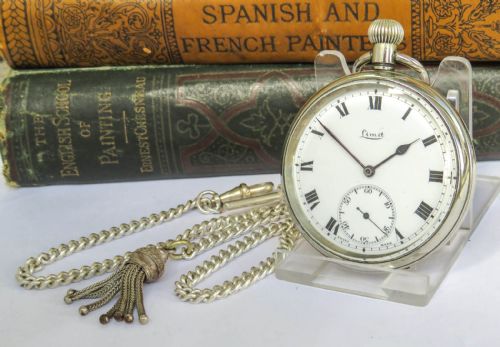
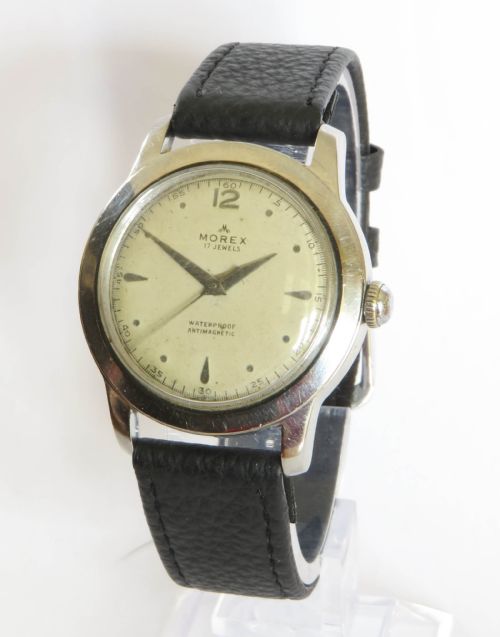
A manual wind watch represents a traditional category of mechanical timepieces that require regular hand-winding via the crown rather than relying on automatic self-winding rotors or batteries. Buyers searching this phrase encounter a rich mix of vintage wristwatches and pocket watches spanning from the early twentieth century through the late nineteen-sixties.
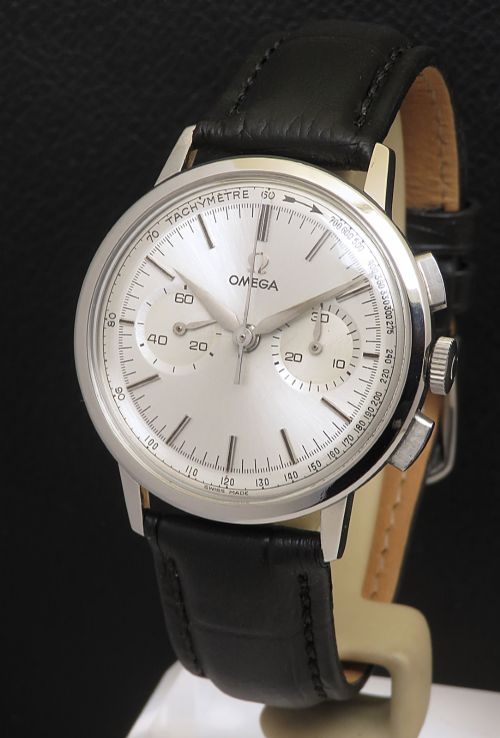
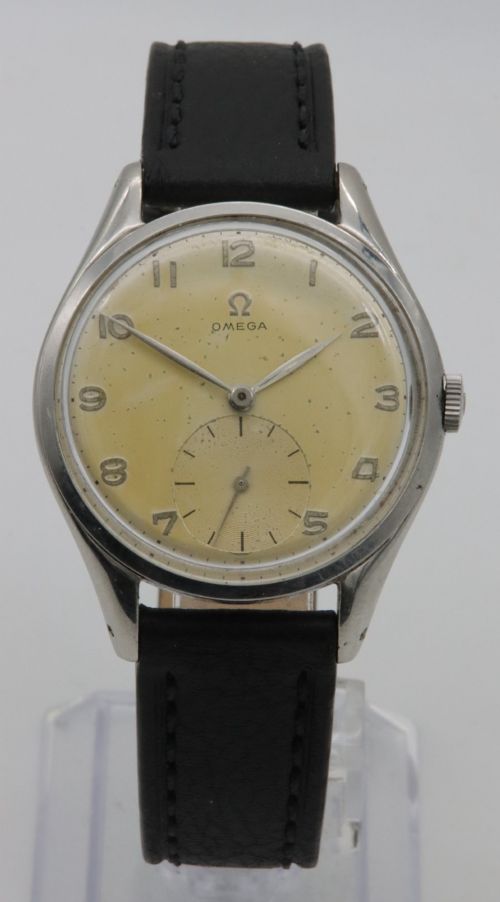
The selection ranges from robust military-issue models and complex chronographs to elegant gold dress pieces and everyday stainless steel timepieces. Examples from makers such as Omega, Longines, and Rolex dominate the offerings, usually housed in round cases measuring between thirty and thirty-six millimetres.
Most pieces date from the nineteen-forties to the nineteen-sixties, reflecting the peak era of mechanical wristwatch production before quartz movements transformed the industry. Buyers will find both men's and ladies' variations, often fitted with original leather straps or precious metal bracelets.
How They Were Made
Cases utilise a variety of durable metals, spanning solid nine-carat and eighteen-carat gold, gold plate, stainless steel, and silver. Crystals protecting the dials are typically formed from clear acrylic or traditional glass.
Intricate mechanical movements rely on hand-assembled brass gear trains, jewelled bearings, and steel springs built by specialist watchmakers. Dials feature applied metal markers or painted numerals, frequently paired with enamel details or textured finishes such as honeycomb and panda layouts.
Manual Wind Watch Retail Price Guide 2026
Typical asking prices for manual wind watch among the pieces listed under this phrase on Sellingantiques today, from the lower quarter to the upper quarter. They describe what is for sale here now, not the wider market.
Materials across the inventory include solid nine-carat and eighteen-carat gold, stainless steel, silver, gold plate, leather, and acrylic.
What Varies In Quality
Simpler dress models with plated cases or replaced components sit at the accessible end of the market. The survival of original presentation boxes and paperwork further elevates a piece within its specific period.
Omega·Longines·Rolex·Smiths·Breitling·Cyma·Eterna·Zenith·Tudor·Buren
The Manual Wind Watch Glossary
- Calibre
- The specific manufacturer's designation for a particular watch movement design. This number helps identify the exact internal mechanism powering the timepiece.
- Chronograph
- A watch equipped with a stopwatch function alongside standard timekeeping display dials. These pieces feature independent start, stop, and reset pushers.
- Crown
- The small winding button located on the outer edge of the case. Turning this component manually tensions the mainspring to store power.
- Mainspring
- The tightly wound coiled spring housed inside the barrel that stores mechanical energy. As the spring unwinds, it drives the gear train to move the hands.
Manual Wind Watch: Frequently Asked Questions
How often should I wind my watch?
A manual wind watch typically requires winding once every twenty-four to forty-eight hours, depending on its specific power reserve capacity.
It is best to wind the piece gently at the same time each day until you feel resistance, avoiding overwinding to protect the internal spring.
Are these watches waterproof?
Vintage manual wind timepieces should generally be treated as water-resistant at best, rather than truly waterproof. Age degrades the original rubber seals and gaskets, meaning moisture can easily enter the movement during everyday wear.
It is wise to keep these watches away from swimming, showers, and heavy rain to preserve the internal brass and steel components.
What is a chronograph function?
A chronograph is a specialised watch that combines standard timekeeping with an independent stopwatch mechanism. Side pushers allow the wearer to measure elapsed seconds, minutes, or hours on dedicated sub-dials.
This complication was widely utilised for military, industrial, and sporting timing before digital instruments became common.
How do I identify the production era?
The production period can often be determined by examining the styling cues, such as dial fonts, hand shapes, and case proportions. Many manufacturers also stamped serial numbers onto the movement or inside the case back, which reference factory production ledgers.
Comparing these numbers provides a reliable guide to the decade or specific year the watch left the workshop.