
Gold Wrist Watch
Discover a curated selection of vintage gold wrist watch designs, offering enduring mechanical craftsmanship and mid-century elegance for everyday wear.
Gold Wrist Watch
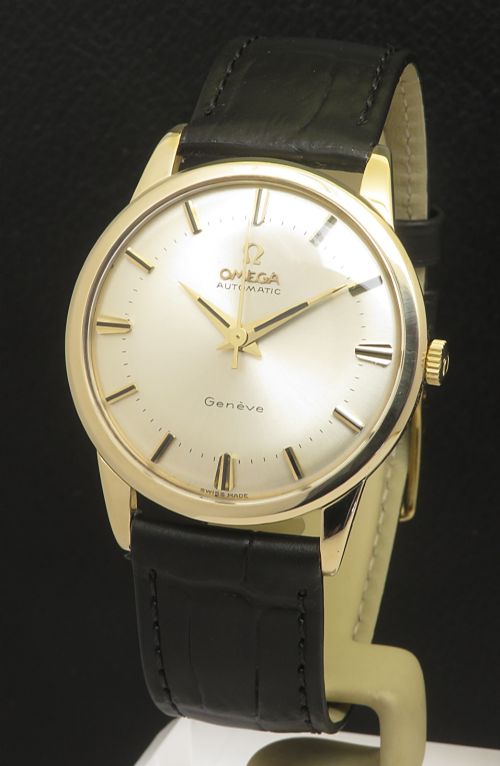
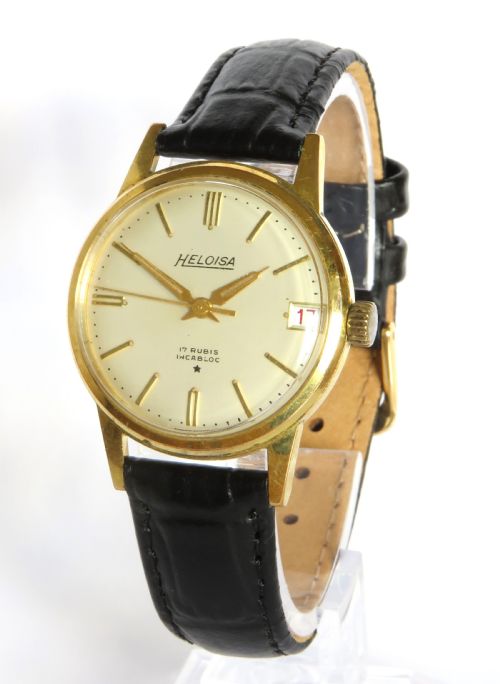
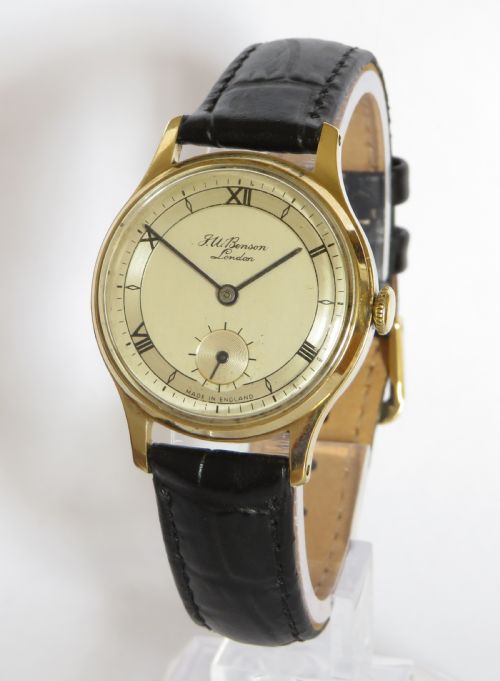
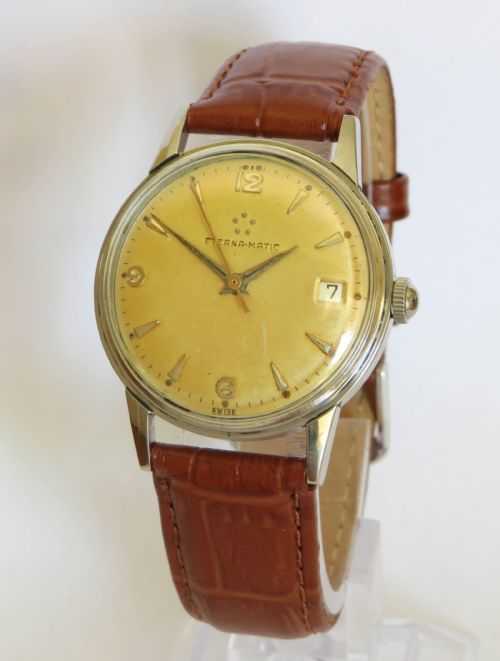
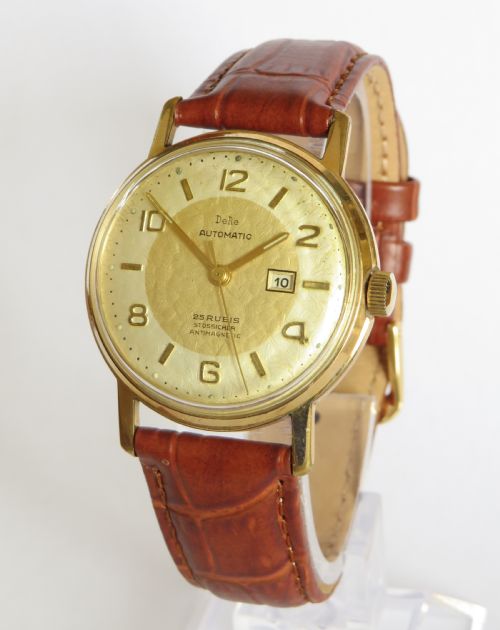
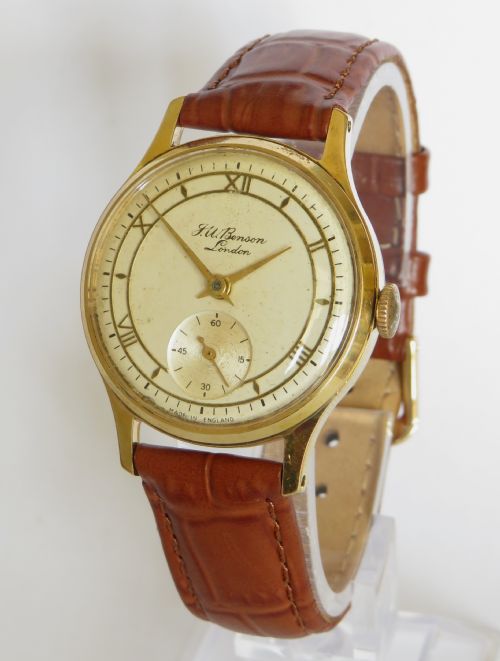
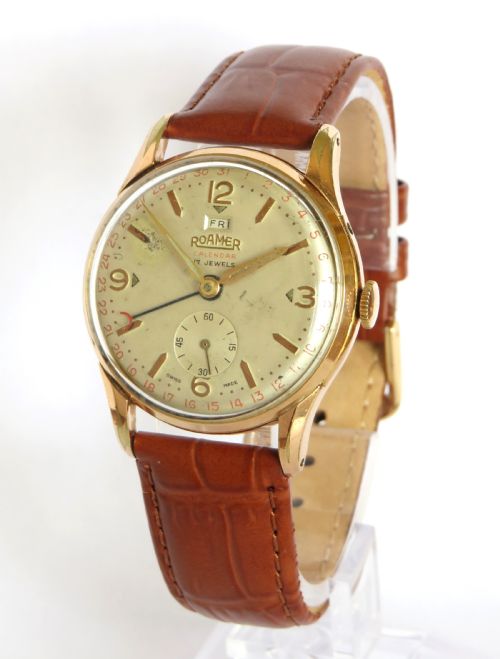
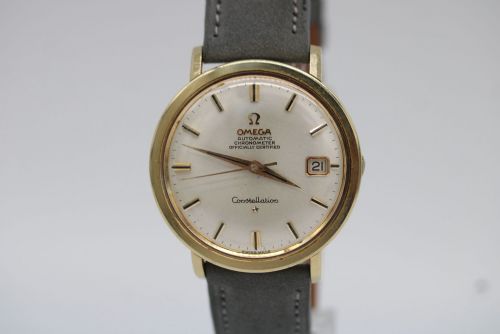
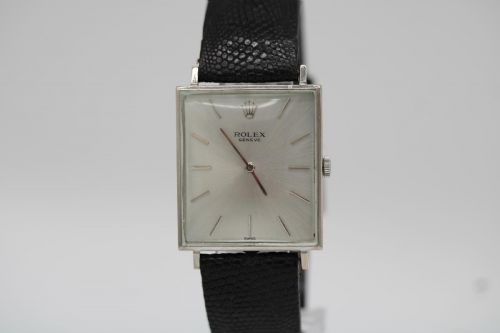
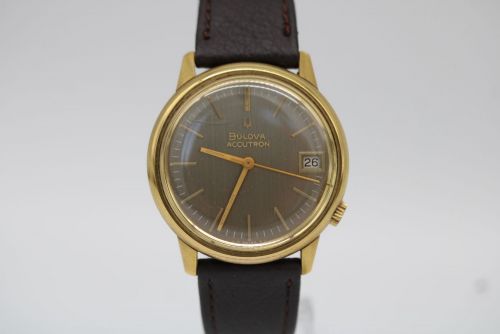
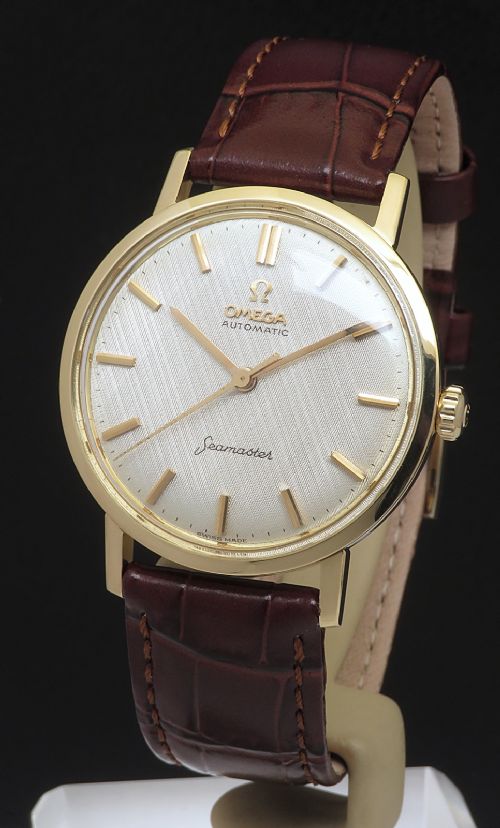
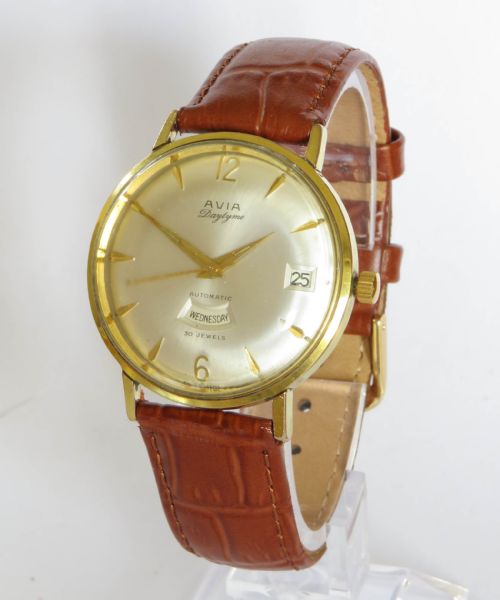
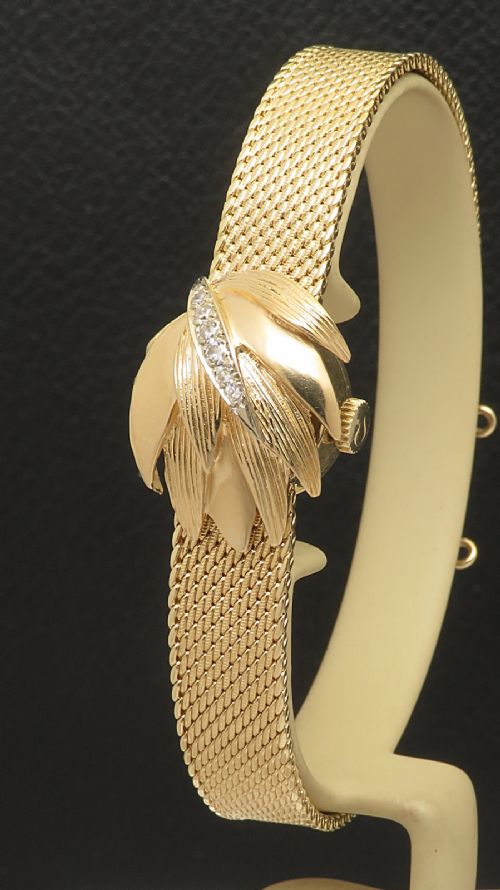
A gold wrist watch encompasses horological history from the early twentieth century through the late 1960s, spanning decades of significant mechanical development. These horological instruments range from simple manual wind dress pieces to automatic day-date calendars and specialised cocktail models.
The specimens encountered here frequently originate from Swiss and British workshops, reflecting mid-century design movements including Art Deco and Mid-Century Modern styles. Buyers often select these wearable antiques for their blend of precious metal composition and mechanical reliability.
Materials and Construction Techniques
Cases utilise solid 9ct gold, 14ct gold, 18ct yellow and white gold, alongside gold-plated and gold-filled alternatives over base metal cores. These precious metals are paired with components like stainless steel case backs, leather straps, glass, and acrylic crystals.
Dials and internal movements reflect traditional horological techniques, employing mechanical manual wind calibres and automatic winding systems such as bumper movements. Specialised cocktail versions integrate precious gemstones like diamonds into the case and bezel assembly.
Gold Wrist Watch Retail Price Guide 2026
Typical asking prices for gold wrist watch among the pieces listed under this phrase on Sellingantiques today, from the lower quarter to the upper quarter. They describe what is for sale here now, not the wider market.
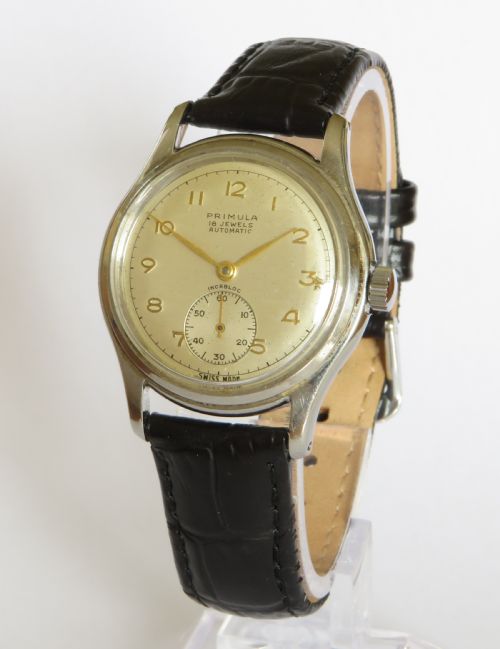
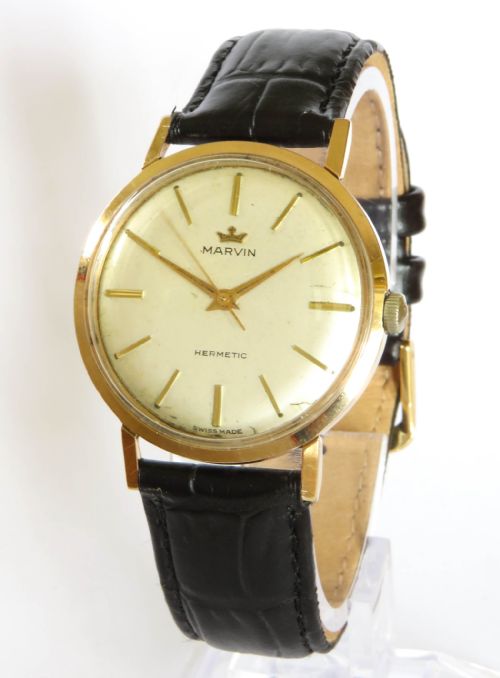
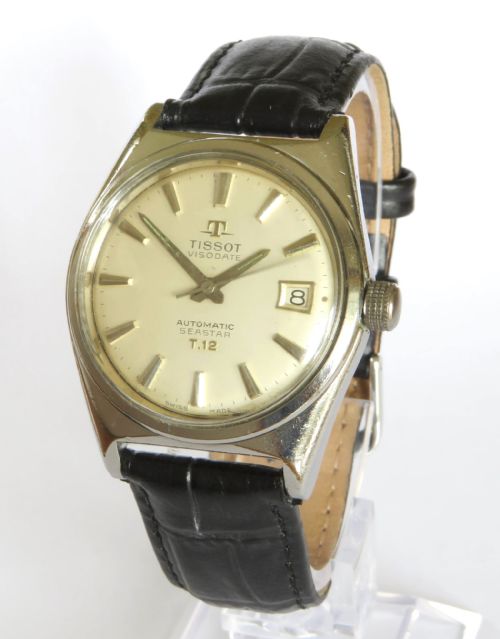
The listings demonstrate mechanical calibres ranging from manual wind movements to automatic systems encased in 9ct, 14ct, and 18ct gold.
Factors Defining Quality
The grade of a gold wrist watch depends upon the purity and weight of its metal casing, ranging from gold-plated brass to heavy solid 18ct gold. Higher quality pieces utilise robust mechanical movements with adjusted jewel counts and signed components from established makers.
Preservation of original factory condition significantly influences the standing of a watch, particularly when dials remain unrefinished and original markers, hands, and signed crowns are intact. The inclusion of matching boxes, original papers, and period-correct straps elevates a piece within its category.
Omega·Rolex·Longines·Smiths·Tudor·Zenith·Bulova·Eterna Matic
The Gold Wrist Watch Glossary
- Automatic
- A self-winding mechanical movement that uses a weighted rotor to tension the mainspring during normal wrist movement. This system removes the need for daily manual winding.
- Calibre
- The specific manufacturer's designation for a particular watch movement design and size. Collectors reference these numbers to identify the mechanical generation and internal architecture.
- Bumper Automatic
- An early form of automatic movement where the rotor swings back and forth against internal springs rather than rotating fully through three hundred and sixty degrees. The wearer can physically feel the subtle bump of the weight during movement.
- Gold-Filled
- A construction method involving a thick layer of solid gold mechanically bonded to a base metal core. This layer is substantially thicker than standard electroplate, offering greater wear resistance.
Gold Wrist Watch: Frequently Asked Questions
How do I wind a manual vintage watch?
Rotate the crown clockwise between your thumb and forefinger until slight resistance indicates the mainspring is fully tensioned. Avoid forcing the crown past this point to prevent breaking the internal spring.
Perform this action at roughly the same time each day to maintain consistent timekeeping performance. Automatic models require less frequent manual winding unless they have sat stationary for an extended period.
Can I wear my vintage watch daily?
These timepieces tolerate regular daily wear provided you observe basic precautions regarding moisture and physical impact. Most vintage pieces lack modern water resistance standards and should be kept away from swimming and heavy rain.
Pairing the watch with a suitable leather strap ensures comfort during everyday activities. Regular servicing by a qualified horologist keeps the internal gears functioning smoothly over time.
How do I determine the production decade?
Examine the interior case back and movement serial numbers, which often correspond to manufacturer production records and hallmark dates. Stylistic cues such as dial typography, hand shapes, and case geometry also provide clear indicators of the era.
Design elements shift noticeably between the geometric lines of the Art Deco period and the cleaner profiles of Mid-Century Modern aesthetics. Accompanying papers or original boxes can further verify the precise manufacturing window.
What is the difference between solid gold and gold plated?
Solid gold cases consist entirely of precious metal throughout the entire thickness of the component, such as 9ct or 18ct gold. These specimens retain their material composition permanently.
Gold-plated or gold-filled variants apply a thin exterior layer of gold over a substrate metal like brass or steel. Over decades of heavy friction, plated surfaces may thin at the sharpest edges to reveal the underlying metal.