
Retro Omega Watch
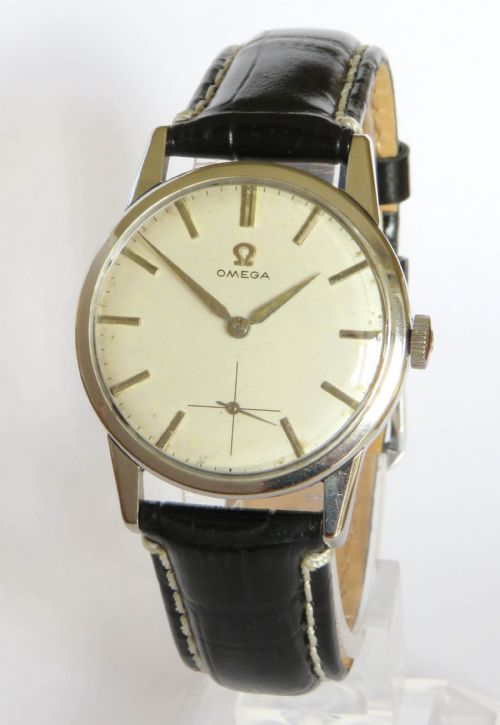
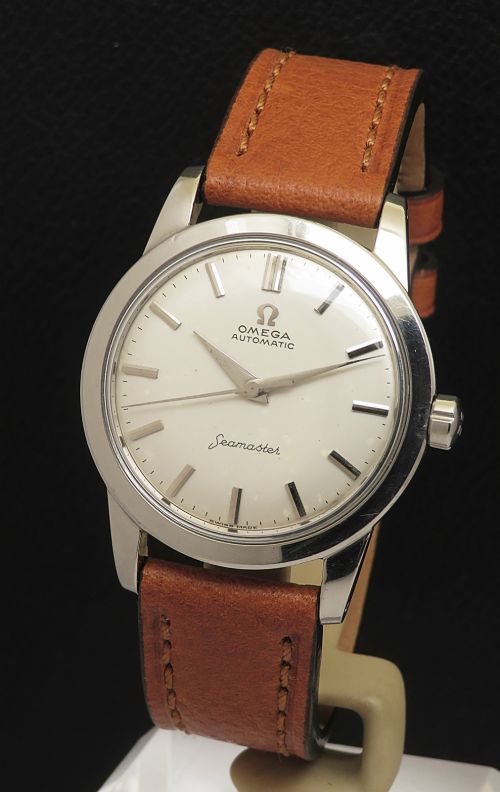
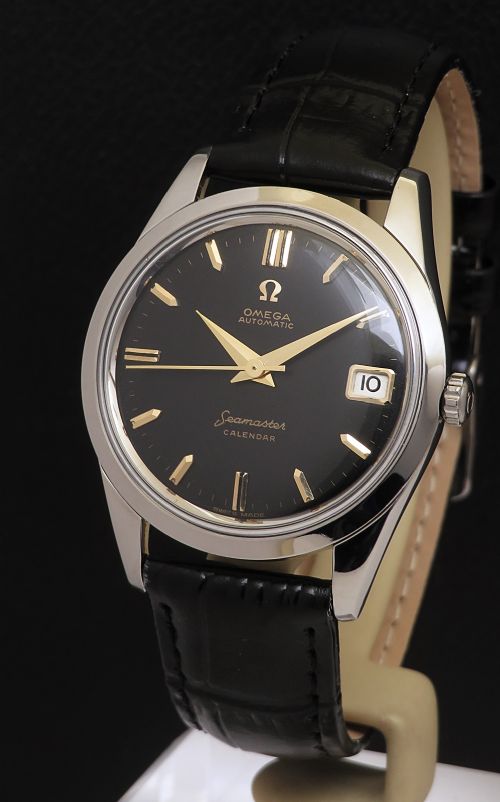
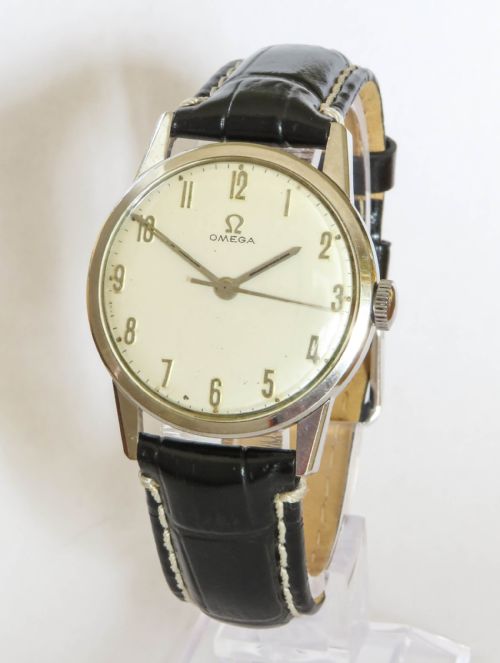
A retro omega watch brings mid-century horology to the wrist, offering dependable mechanical movements paired with distinct period design.
Retro Omega Watch
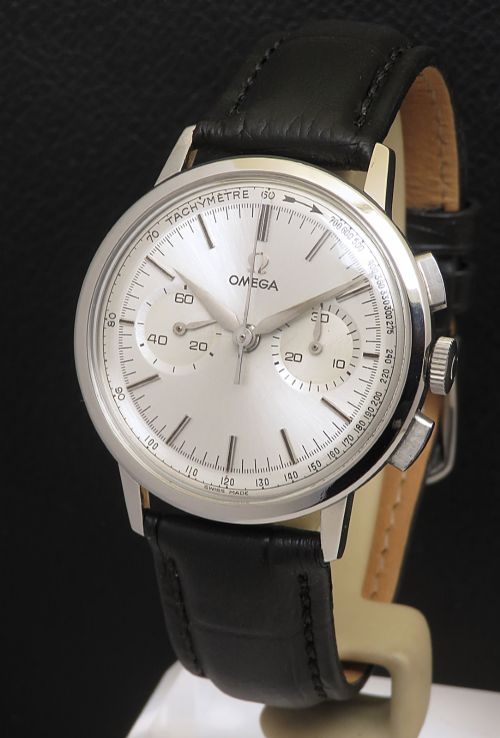
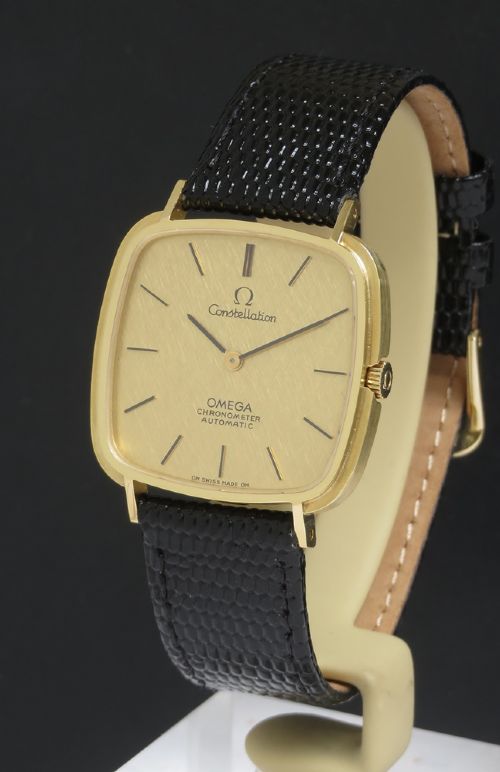
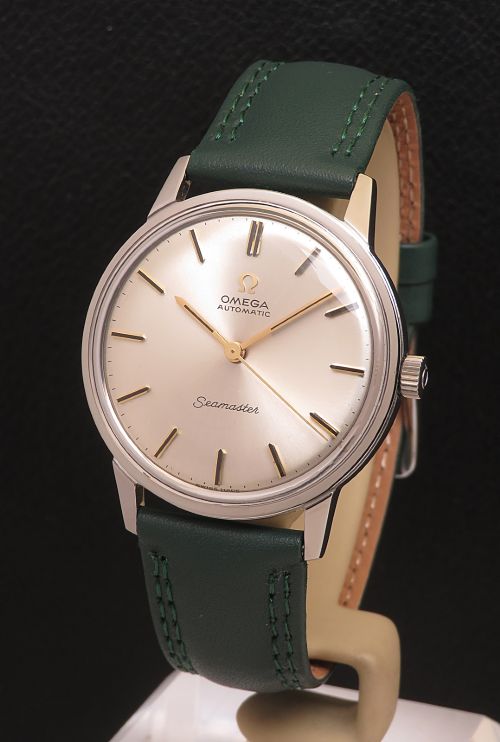
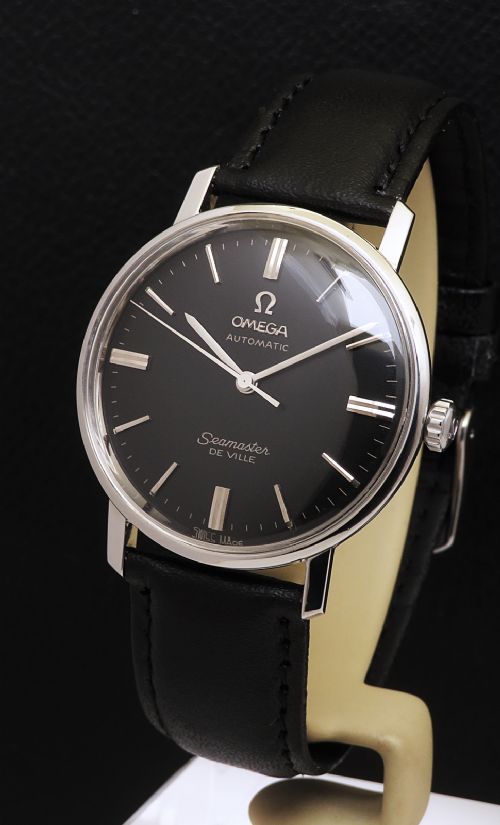
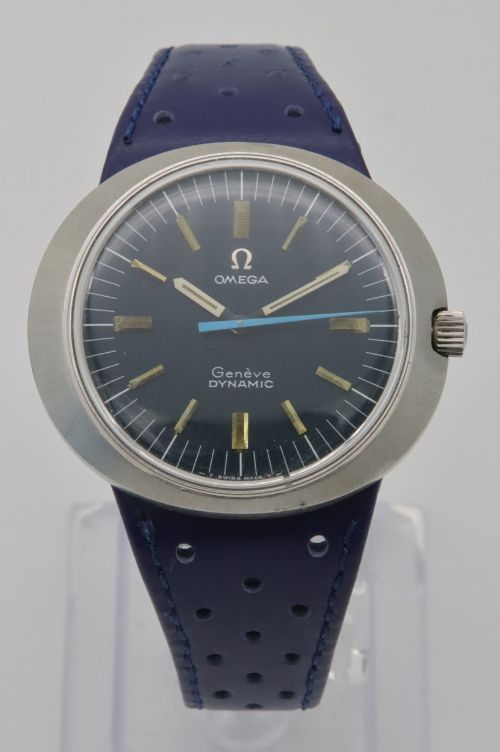
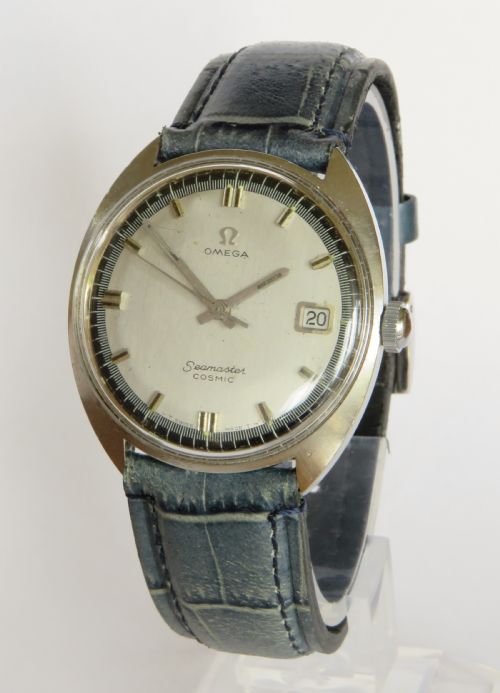
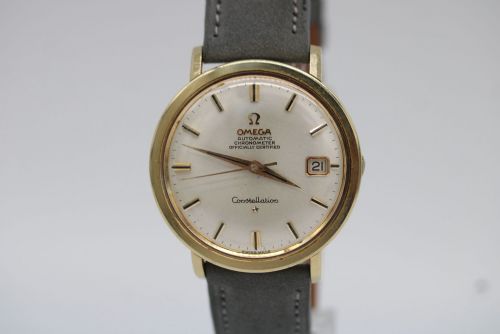
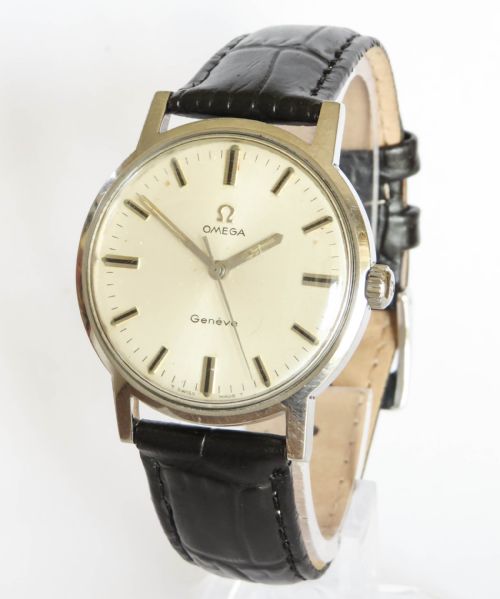
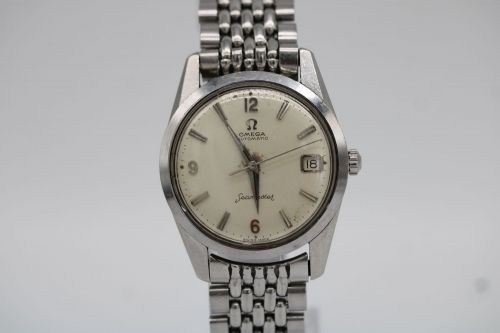
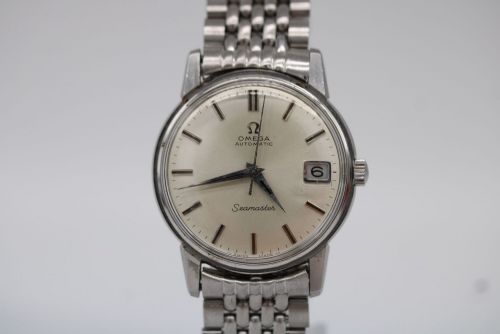
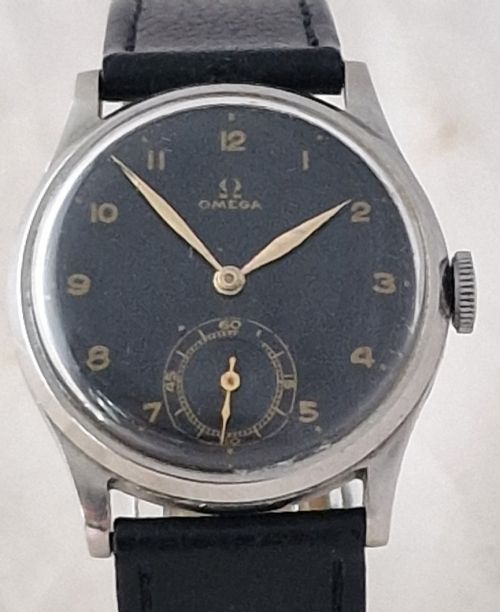
When searching for a retro omega watch, buyers encounter wristwatches and cocktail watches spanning the 1940s, 1950s, 1960s, and into the 1970s. The selection on this page leans heavily into mid-century modern styling, featuring iconic lines such as the Seamaster, Geneve, Constellation, and De Ville.
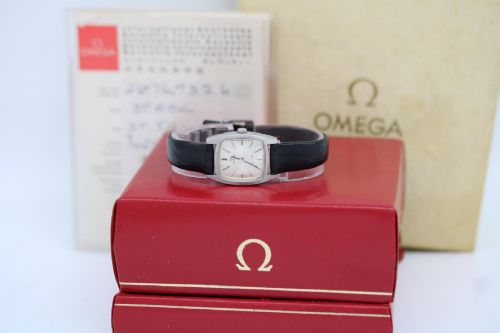
Forms range from robust automatic chronographs and calendar models to delicate ladies' cocktail watches set in gold or diamonds. These timepieces originate from a period when mechanical innovation matched sculptural case design, producing versatile pieces for daily wear or formal occasions.
How they were made
Cases utilise metals including stainless steel, gold plate, 9ct gold, 14ct gold, 18ct yellow gold, and 18ct white gold, often paired with leather straps or matching metal bracelets. Dials feature applied markers and textured finishes, protected by glass, acrylic, or acrylic glass crystals.
Movements rely on traditional mechanical craftsmanship, encompassing manual-wind calibres and automatic mechanisms such as bumper movements. Dial configurations vary from clean sunburst patterns to patinated surfaces and specialised chronographs.
Some ladies' watches cleverly conceal dials behind diamond-set hoods, turning timekeeping into a private affair.
What varies in quality
The standard of a retro omega watch rests upon the preservation of its original components, from signed crowns and dials to matching case proportions. Examples retaining original boxes, papers, and factory buckles command greater interest from collectors.
Mechanical integrity and the crispness of case hallmarks further divide the range. Clean dial legibility and precise movement execution separate standard everyday timepieces from collector-grade examples.
Omega
The Retro Omega Watch Glossary
- Calibre
- The specific internal mechanical movement manufactured and designated by the maker. This number identifies the exact engineering inside the case.
- Automatic
- A self-winding mechanical movement powered by the natural motion of the wearer's arm. It eliminates the need for daily manual winding.
- Chronometer
- A high-precision watch that has passed rigorous accuracy tests conducted by an official observatory. These movements represent peak functional reliability.
- Bumper
- An early type of automatic movement where the rotor swings back and forth against springs rather than rotating fully. This mechanical design is characteristic of mid-century pieces.
- Chronograph
- A watch equipped with a stopwatch function alongside standard timekeeping displays. These models include independent sub-dials for measuring elapsed intervals.
Retro Omega Watch: Frequently Asked Questions
What is a retro omega watch?
A retro omega watch is a mechanical timepiece produced by the Swiss manufacturer during the mid-century decades. These pieces include dress models, daily wearers, and specialised chronographs.
They reflect the evolution of horological design from classic post-war aesthetics through the bold geometry of the nineteen-sixties and seventies.
How do I identify the production year?
Production years are typically determined by matching the internal movement serial number against manufacturer production records. Reference numbers stamped inside the case back also help confirm the exact era.
Associated paperwork, when present, provides definitive documentation of the original retail date.
Are these watches mechanical or quartz?
Watches from this era rely entirely on mechanical engineering rather than battery-powered quartz technology. They operate via manual-wind movements or self-winding automatic mechanisms.
Gear trains, springs, and oscillating balances govern the timekeeping display.
How should I care for a vintage watch?
Regular servicing by a qualified horologist ensures mechanical longevity and maintains internal lubrication. Keeping the piece away from excessive moisture protects older crystal materials and case seals.
Manual and automatic movements benefit from gentle handling and regular wear to keep the oils distributed.