
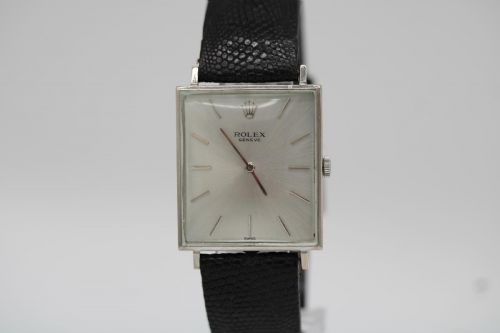
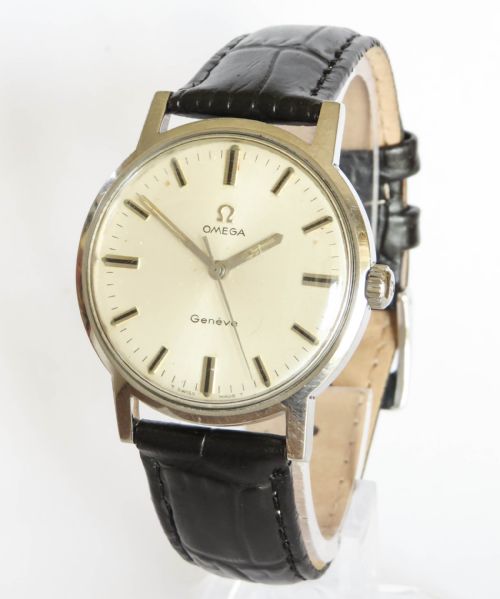
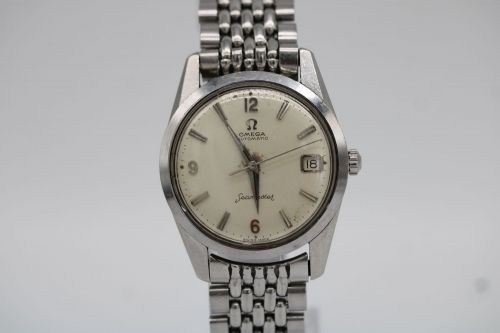
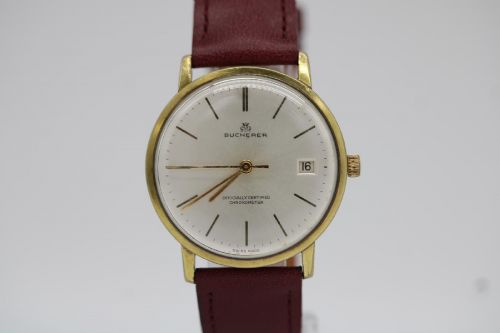
Classic Mechanical Wristwatch
A classic mechanical wristwatch brings daily mechanical engagement and mid-century design to the wrist through traditional manual and automatic movements.
Classic Mechanical Wristwatch
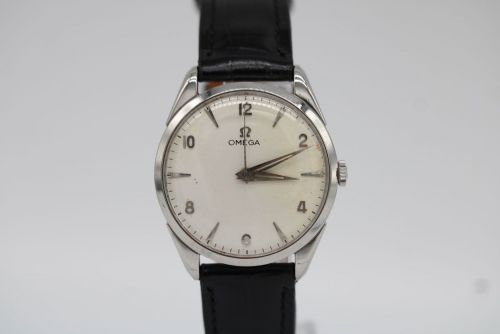
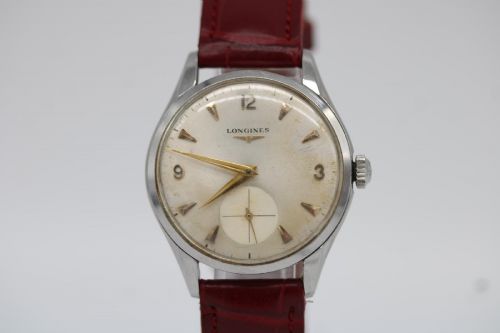
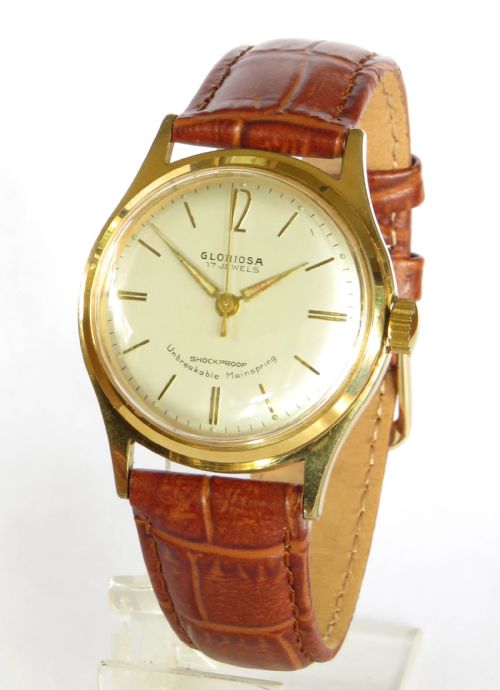
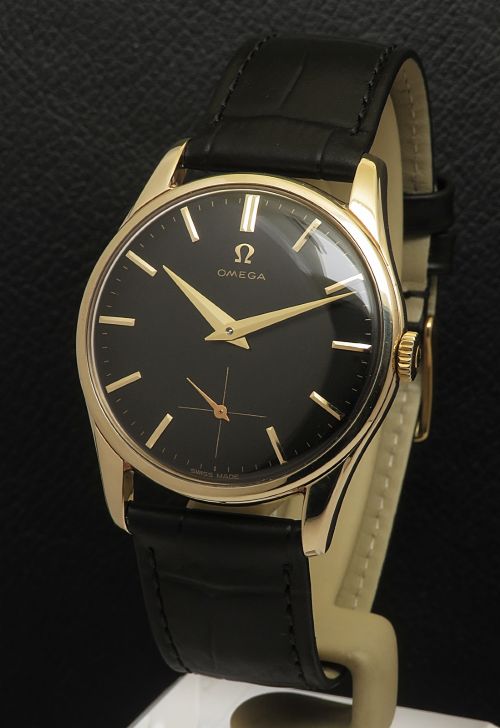
A classic mechanical wristwatch is a wearable timepiece powered by a mainspring rather than a battery, spanning decades of horological design. These instruments range from understated dress pieces to robust chronographs and utility models.
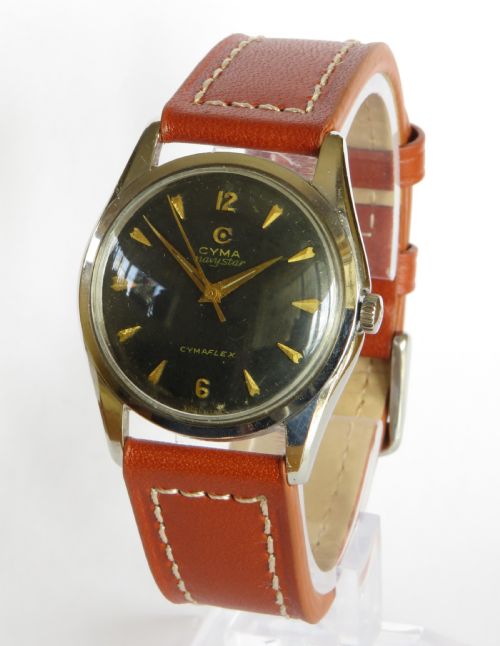
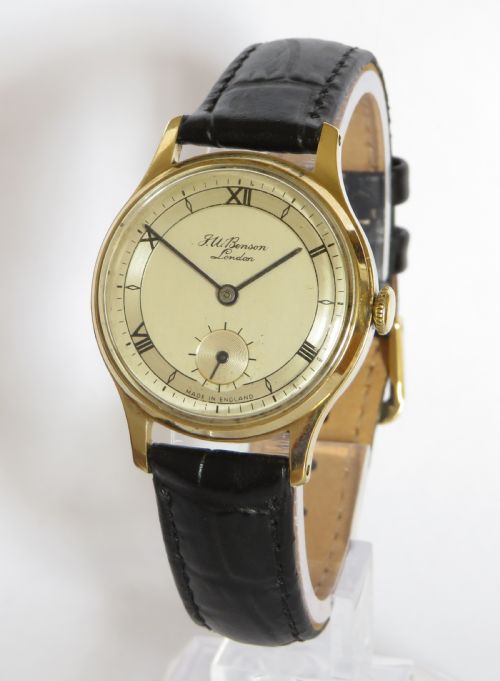
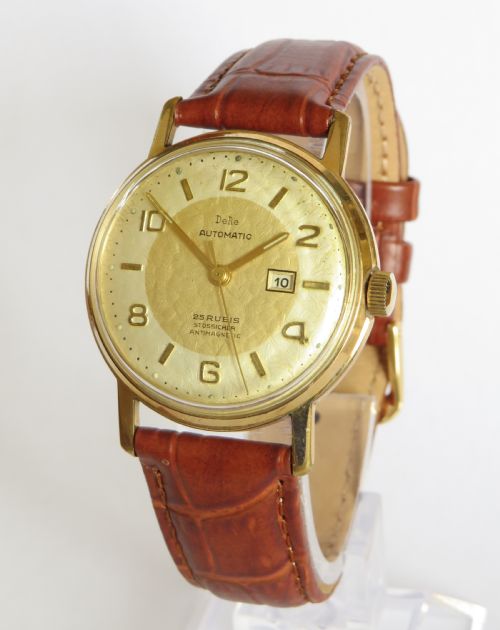
The versions most common on this page date primarily from the mid-twentieth century, encompassing periods from the 1930s through the 1960s. They appear in forms such as manual wind and automatic wristwatches housed in steel, gold, and plated metals.
How they were made
Cases utilise durable metals like stainless steel, chrome, and solid 9ct or white gold, paired with crystal or acrylic glass to protect the dial. Leather straps provide the standard mounting for daily wear.
Internal movements rely on intricate assemblies of gears and springs, wound either manually or via an automatic weighted rotor driven by wrist motion.
Classic Mechanical Wristwatch Retail Price Guide 2026
Typical asking prices for classic mechanical wristwatch among the pieces listed under this phrase on Sellingantiques today, from the lower quarter to the upper quarter. They describe what is for sale here now, not the wider market.
Listings span four distinct decades, stretching from the 1930s through to the 1960s.
What varies in quality
Distinctions in quality often rest on the grade and complexity of the movement, from standard three-hand calibres to chronometer-certified chronographs. The precision of regulation and the preservation of original dial components also dictate worth.
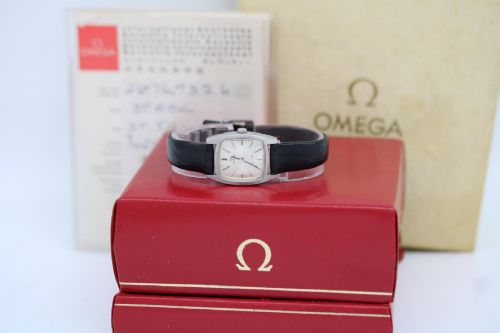
Case execution and material purity further separate standard models from solid gold or high-end branded productions. Restoration standards and the survival of original factory boxes and papers add significant depth to a piece.
Omega·Tudor·Montilier·Cyma·J W Benson·Rolex·Longines·Gloriosa·Smiths·Rotary·Baume·Ensign·Lanco·Eterna·Prisma·Girard Perregaux·Garrard
The Classic Mechanical Wristwatch Glossary
- Calibre
- The specific internal mechanical movement design created by a watch manufacturer. This designation identifies the exact series and technical specifications of the mechanism.
- Chronograph
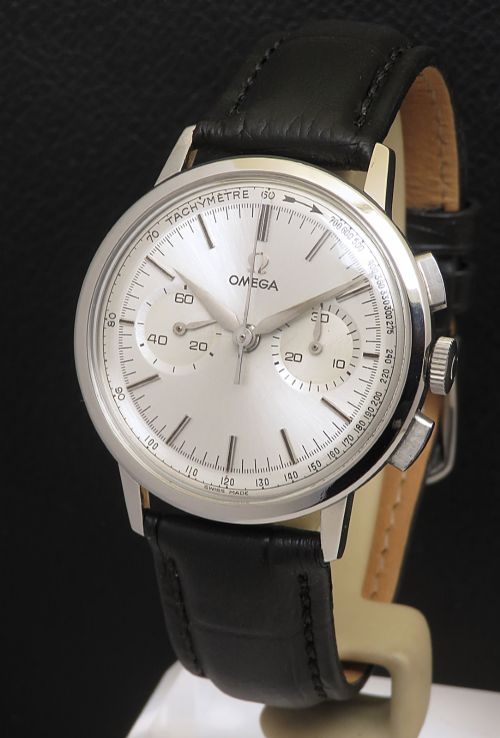
- A watch equipped with a secondary stopwatch function alongside the standard time display. It uses independent hands to measure elapsed intervals.
- Chronometer
- A high-precision watch that has passed rigorous accuracy tests conducted by an official rating organisation. These movements maintain superior timekeeping across various temperatures and positions.
- Manual Wind
- A mechanical movement requiring daily rotation of the crown to tension the mainspring manually. It lacks an automatic rotor.
- Automatic
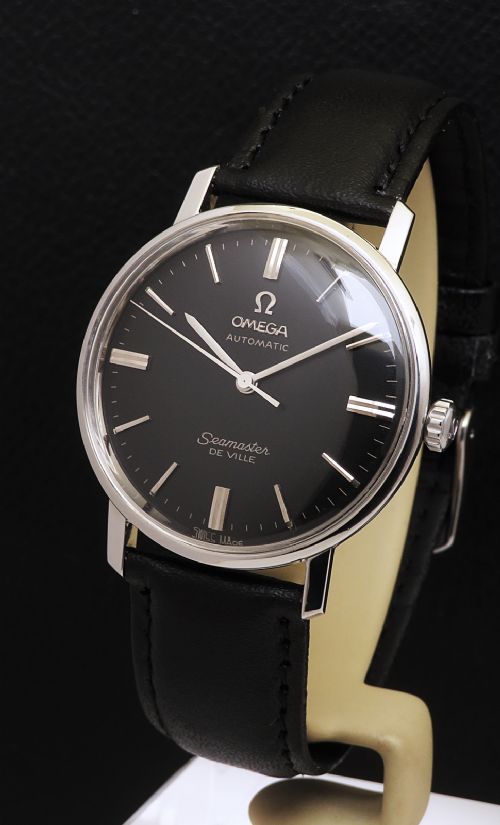
- A self-winding mechanical movement utilising an internal weighted rotor that pivots with natural arm motion. This mechanism continually tensions the mainspring while worn.
- Acrylic Glass
- A lightweight, shatter-resistant polymer material utilised for watch crystals during the mid-century period. It can be polished to remove surface scuffs.
Classic Mechanical Wristwatch: Frequently Asked Questions
How often should a vintage mechanical watch be serviced?
A mechanical movement typically requires professional servicing every few years to maintain proper lubrication and timekeeping accuracy. Watchmakers dismantle, clean, and re-oil the internal gears during this process.
Regular maintenance prevents premature wear on delicate metal components and ensures the longevity of the mainspring and escapement.
Can I wear my vintage watch while swimming?
Vintage mechanical wristwatches generally lack modern water resistance seals and gaskets. Submerging them in water often leads to moisture ingress and severe internal corrosion.
It is safest to keep these timepieces away from water, heavy rain, and high humidity unless a specialist has recently tested and verified the case seals.
How do I wind a manual watch properly?
Rotate the crown clockwise between your thumb and forefinger until you feel gentle resistance. Stop immediately at this point to avoid overwinding and straining the mainspring.
Wind the watch at roughly the same time each day to maintain consistent tension and stable timekeeping performance.
What does a patinated dial mean?
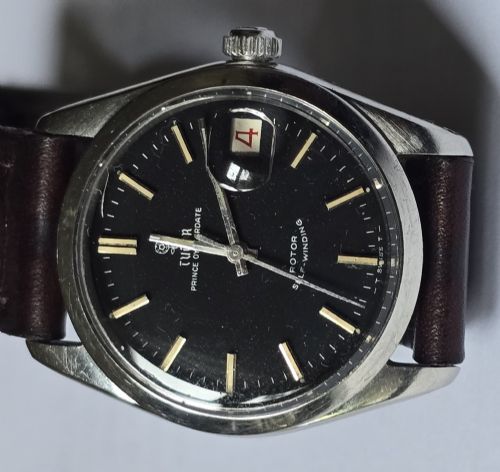
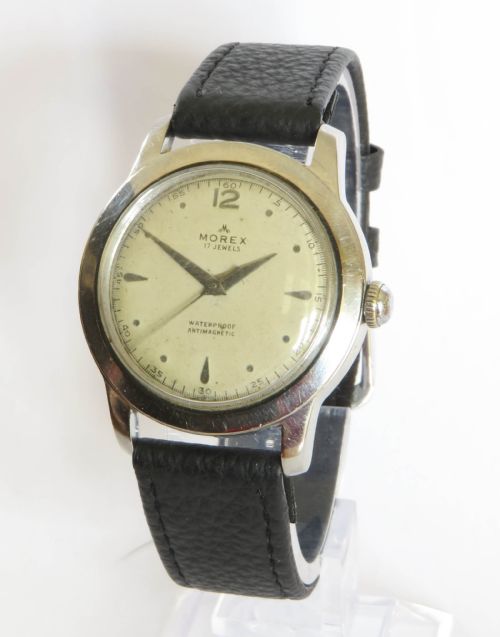
Patina refers to the natural ageing, discolouration, or spotting that occurs on a watch dial over many decades. Exposure to light and air causes these subtle changes in tone.
Many collectors prize original patinated dials because they confirm authenticity and untouched character, unlike modern replacement faces.