
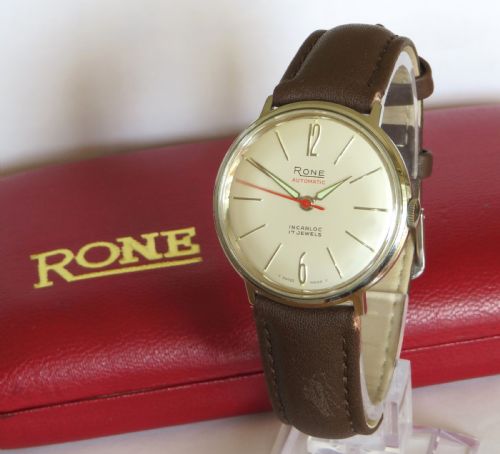
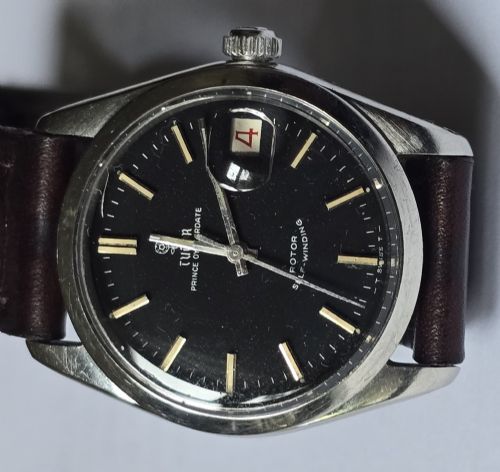
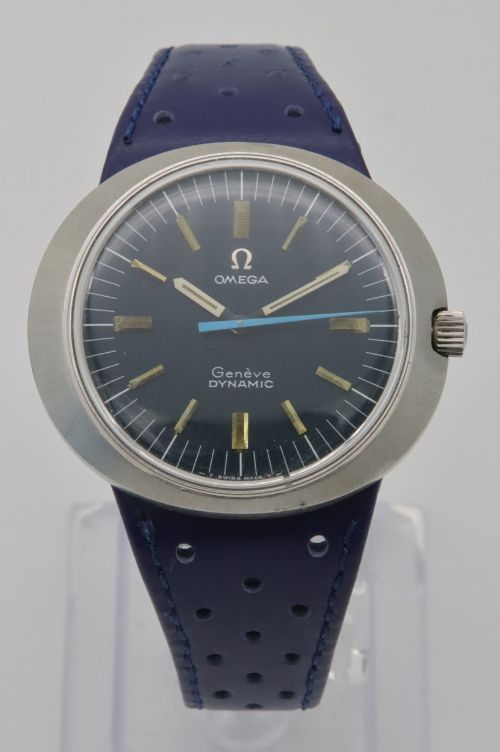
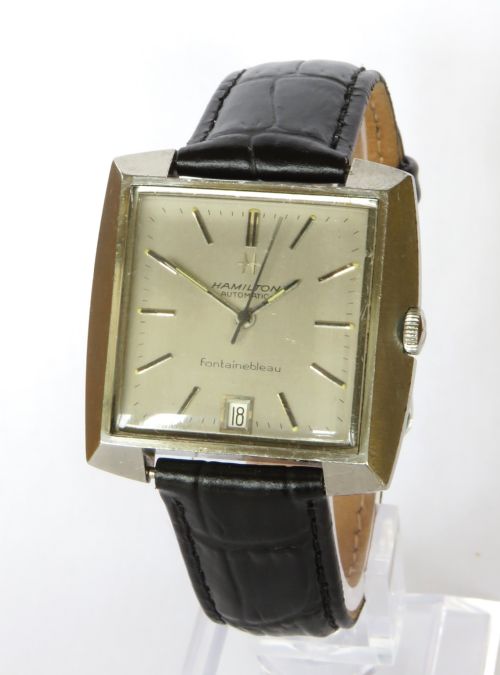
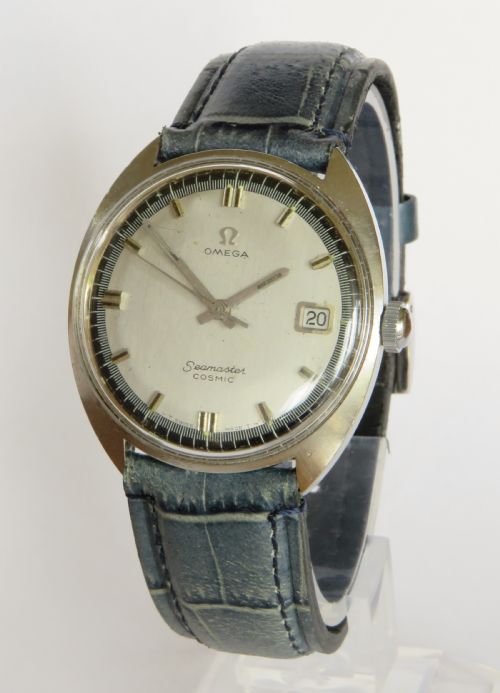
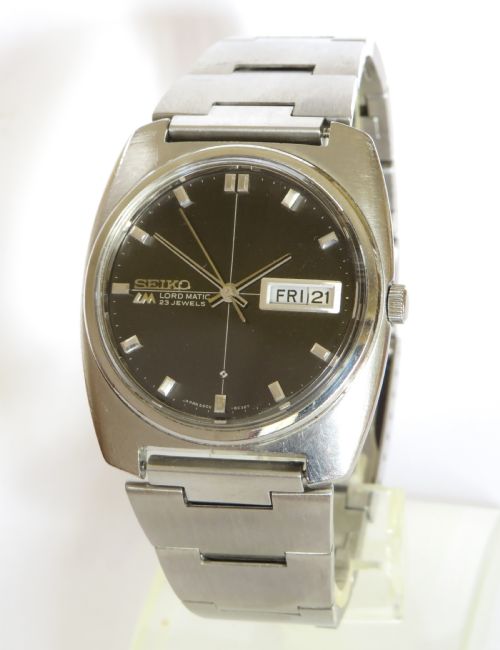
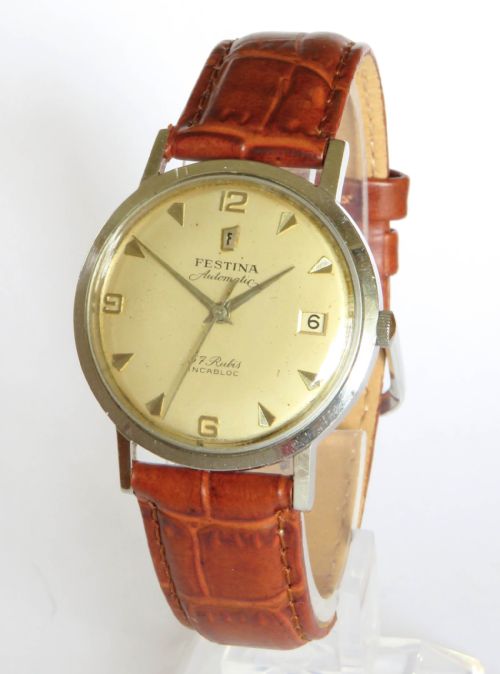
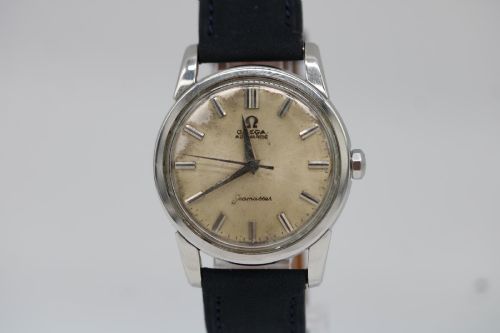
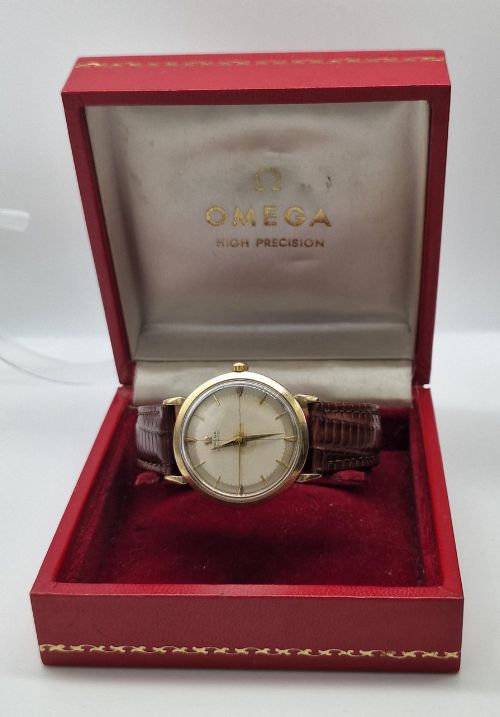
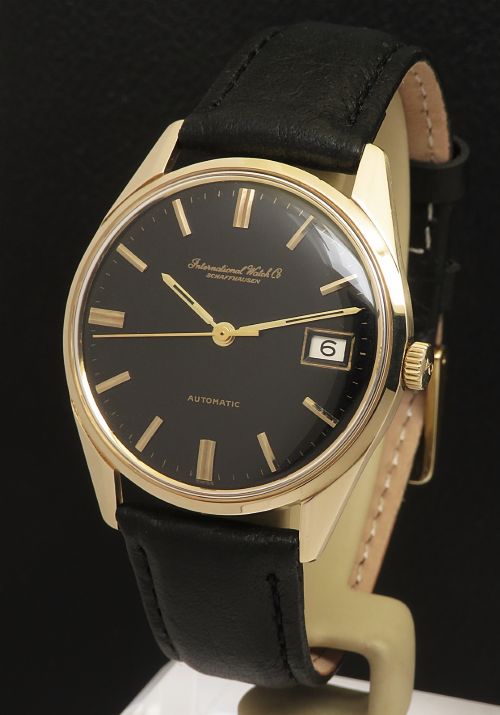
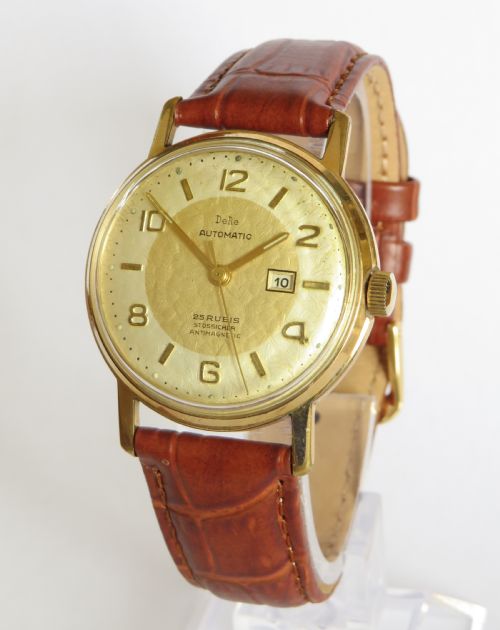
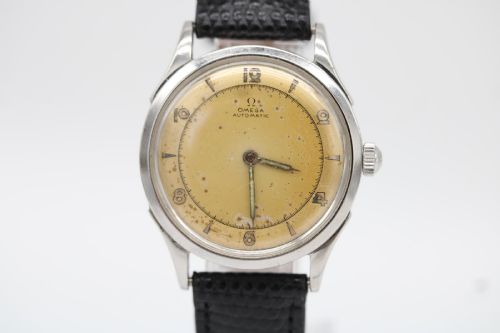
Vintage Automatic Wristwatch
A vintage automatic wristwatch offers mid-century mechanical charm powered by the natural movement of the wrist.
Defining the vintage automatic wristwatch
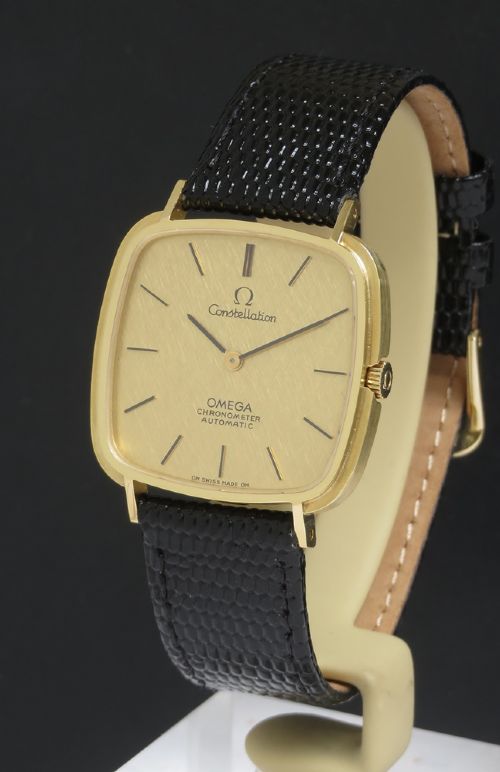
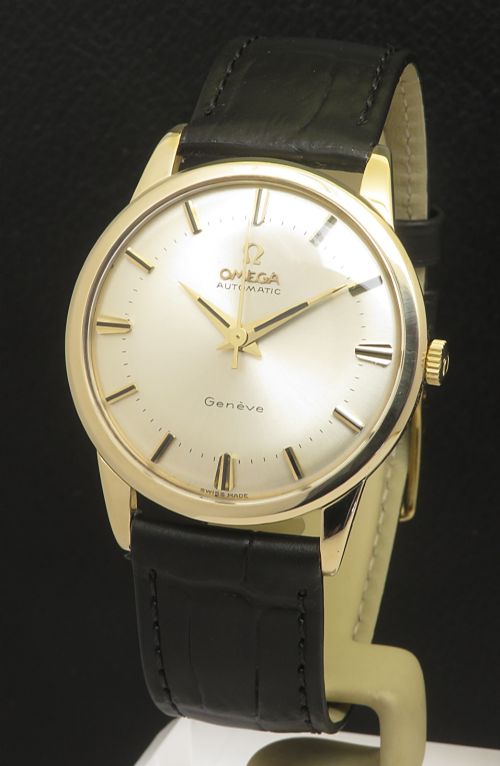
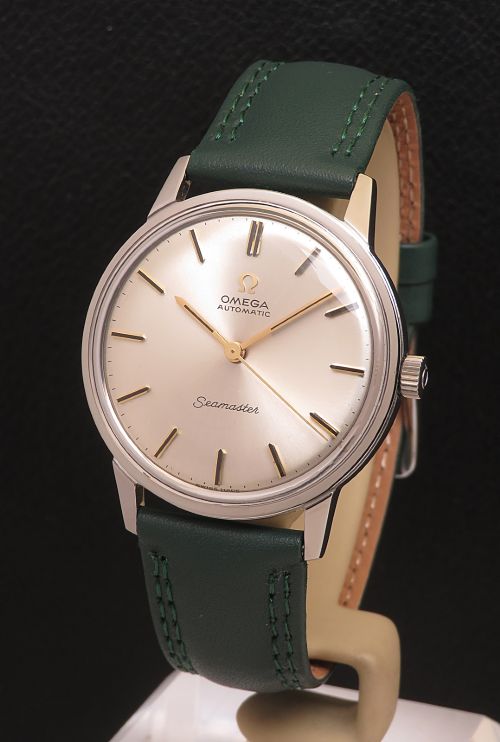
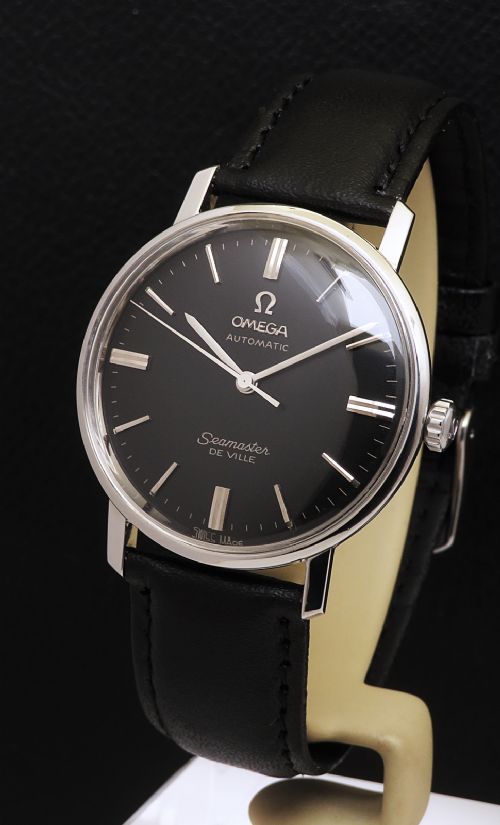
A vintage automatic wristwatch represents a mechanical timepiece driven by an internal rotor that winds with the wearer's motion, avoiding manual daily winding. You encounter these wristwatches primarily from the nineteen-fifties and nineteen-sixties periods in mid-century modern and mid-century luxury styles.
The selections span men's and ladies' forms manufactured by notable watchmakers, presented in stainless steel, gold plate, eighteen-carat gold, and solid nine-carat gold cases. These pieces frequently feature leather straps alongside materials like acrylic glass for the crystal.
Specific models capture distinct eras of horological design, ranging from robust daily wearers to slender dress pieces. Collectors find both standard automatic movements and specialised bumper automatic mechanisms within this category.
Construction and materials
Cases utilise durable stainless steel, precious solid nine-carat and eighteen-carat gold, or gold plating to house the delicate internal machinery. Dials are protected by clear acrylic or acrylic glass crystals, moulded to fit the contours of the case.
Movements rely on complex gear trains and automatic winding rotors, sometimes utilising bumper mechanisms in earlier pieces to tension the mainspring. Straps are predominantly fashioned from genuine leather to secure the watch securely to the wrist.
Retail Price Guide 2026
Typical UK retail prices for vintage automatic wristwatch, calculated from the Sellingantiques database of over a million retail prices indexed since 2003. This retail price guide relies exclusively on Sellingantiques data; no external sources or auction records are used, so the figures do not describe the wider market.
Listings feature mid-century periods from the nineteen-fifties and nineteen-sixties, utilising stainless steel, gold, and leather materials.
Distinctions in quality
The material composition of the case fundamentally separates gold and stainless steel models from gold-plated alternatives. Solid nine-carat or eighteen-carat gold housings represent the upper tier of luxury manufacturing.
Movement sophistication and pedigree elevate specific pieces, with chronometer-grade calibres and specialised thin profiles demonstrating superior horological engineering. The preservation of original dial details and case geometry further defines the finer examples.
Omega·Avia·Eterna-matic·Tudor·Juvenia·Daichi·Longines·Rolex Tudor
The Vintage Automatic Wristwatch Glossary
- Automatic
- A mechanical movement that winds itself using an internal weighted rotor which turns as the wearer moves their arm. This removes the need for daily manual winding.
- Bumper automatic
- An early form of self-winding movement where the rotor swings back and forth through a limited arc rather than a full circle, gently bumping against springs.
- Chronometer
- A high-precision watch movement that has been tested and certified to meet strict standards for accuracy over varying temperatures and positions.
- Acrylic glass
- A lightweight, shatter-resistant plastic material used for watch crystals during the mid-century period, easily polished if minor surface scuffs occur.
Frequently Asked Questions
What is a bumper automatic?
A bumper automatic utilises an early self-winding design where the internal weighted rotor swings back and forth within a restricted arc rather than rotating completely around the centre.
Wearers can often feel a distinct gentle tap or bumper sensation against the internal springs on the wrist as the rotor moves.
How do I wind an automatic watch?
While an automatic watch winds itself through daily wrist movement, you can manually jumpstart the mainspring by turning the crown clockwise several times when the watch has stopped.
Avoid overwinding, as vintage automatic movements possess internal slipping bridles designed to prevent the mainspring from snapping once fully tensioned.
Are these watches waterproof?
Vintage wristwatches generally lack the modern screw-down crown and heavy gasket systems required to guarantee reliable contemporary water resistance.
It is best to keep these mid-century pieces away from moisture, rain, and immersion entirely to protect the delicate paper dials and unsealed movements.
How do I date a vintage watch?
Dating involves examining the movement serial numbers against manufacturer production logs, or inspecting hallmarks stamped inside precious metal case backs.
Stylistic cues such as dial typography, hand shapes, and case geometry from the nineteen-fifties and sixties also offer clear chronological context.