
Vintage Gold Timepiece
A vintage gold timepiece brings steady mechanical grace to the wrist, pocket or mantel, offering enduring metalwork and reliable motion.
Vintage Gold Timepiece
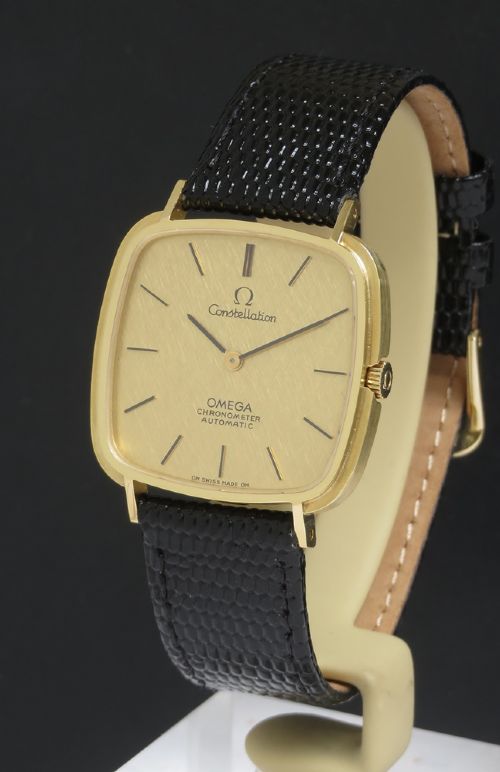
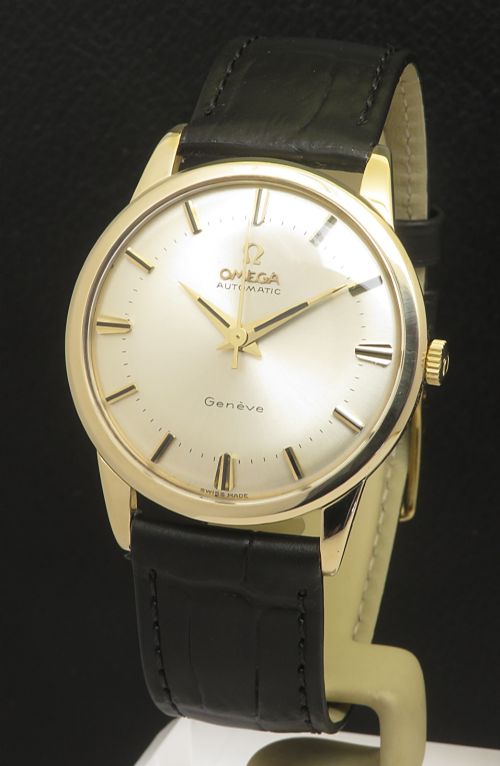
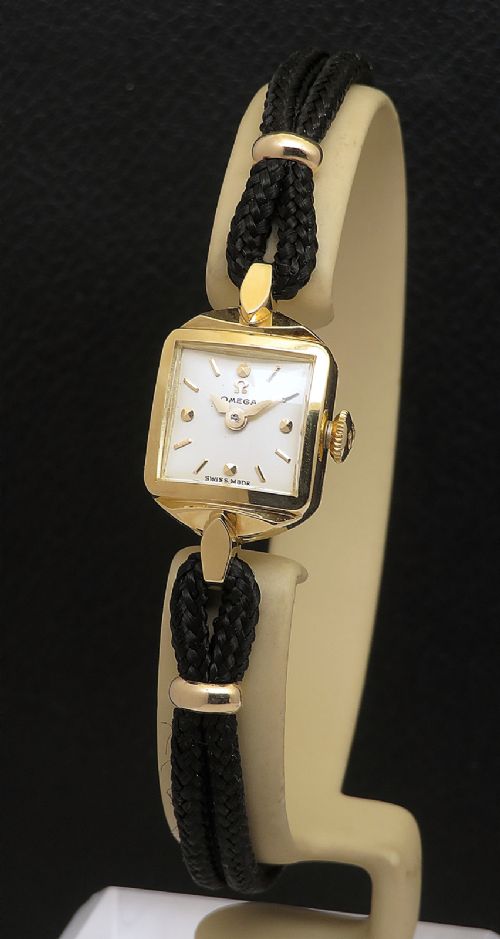
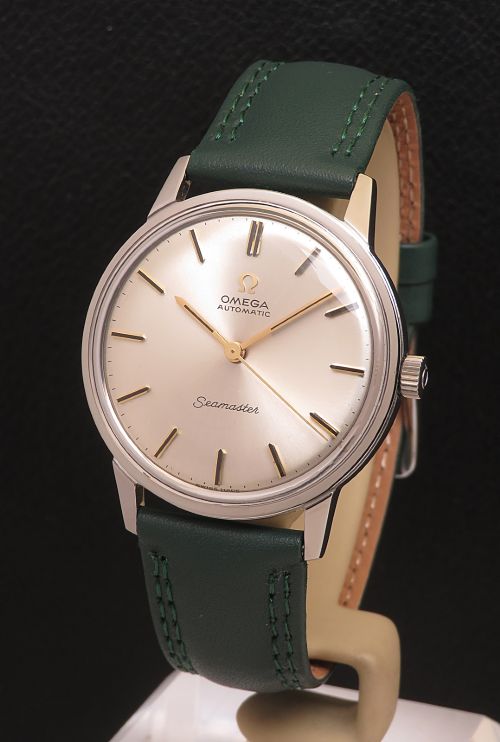
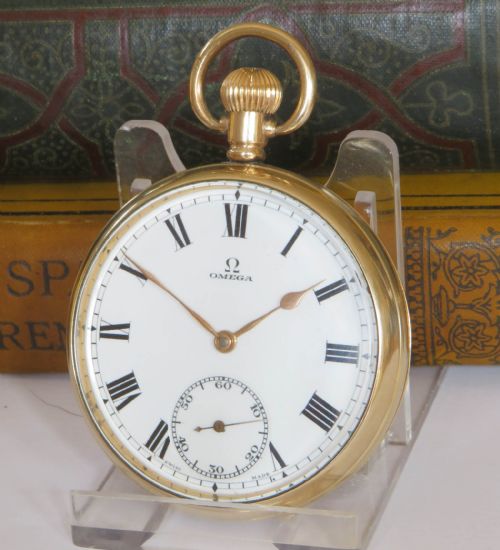
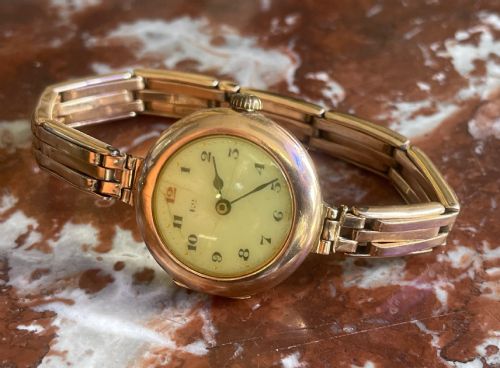
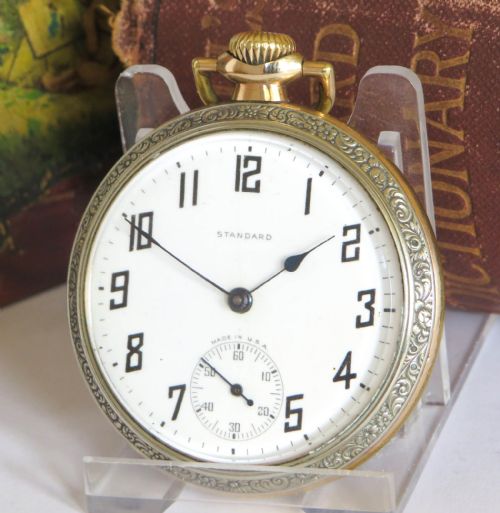
A vintage gold timepiece encompasses wristwatches, pocket watches, and mantel clocks originating from the nineteenth and twentieth centuries. These objects combine precision horology with precious metal casings.
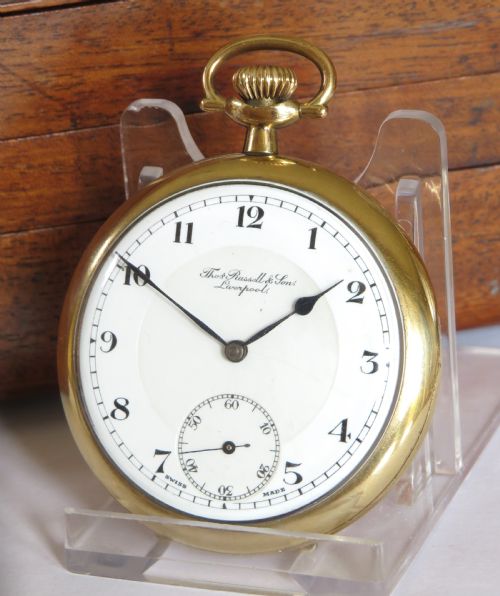
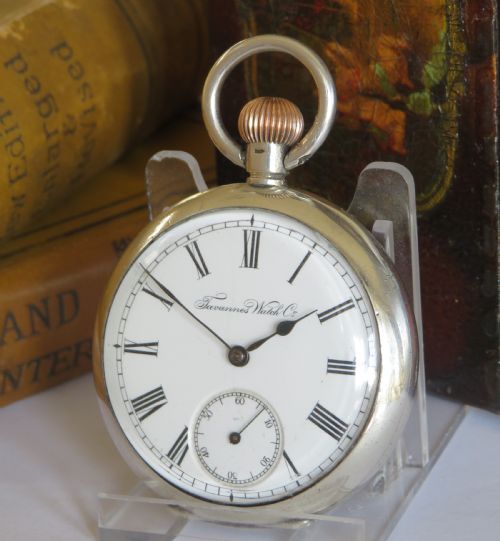
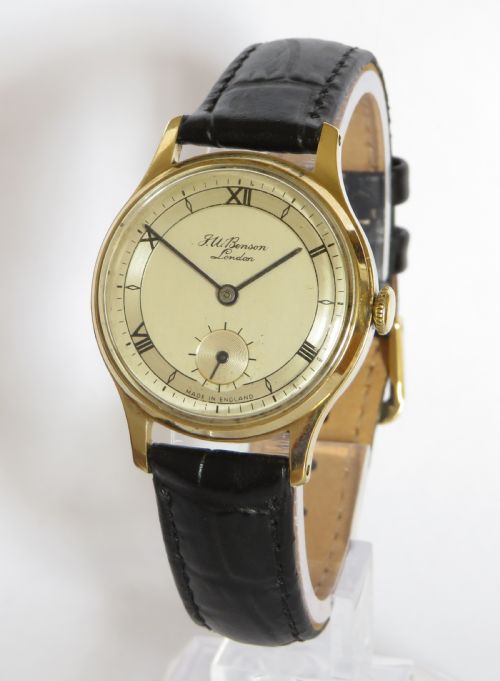
The most frequent examples found in this selection are mid-century wristwatches and pocket watches housed in solid gold or gold plate. Pieces span diverse stylistic movements from Victorian and Edwardian eras to Art Deco and Mid-Century Modern designs.
Buyers encounter everything from delicate ladies' cocktail watches to robust gentlemen's automatic chronometers and decorative carriage clocks. Each item reflects the mechanical standards and aesthetic priorities of its specific decade.
Materials and Construction
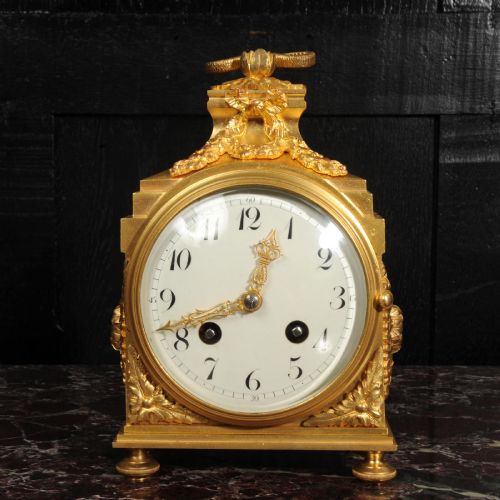
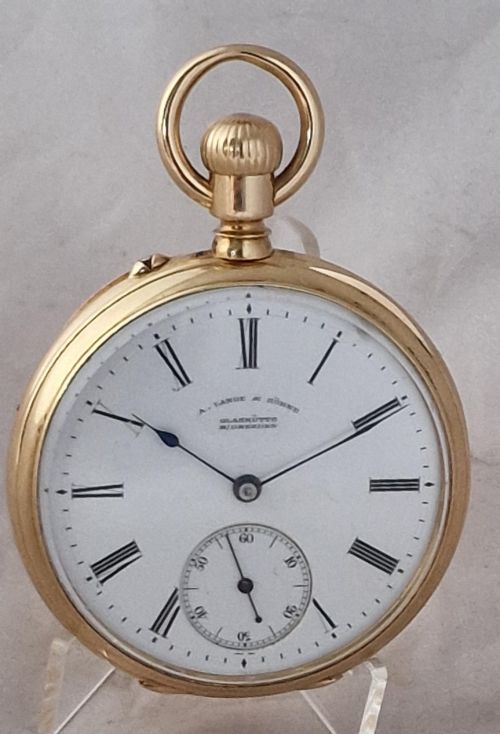
Cases utilise solid 9ct and 18ct gold alongside gold plate, brass, or ormolu, paired with protective glass crystals and enamel dials. Internal movements rely on intricate brass and steel gear trains assembled by skilled horologists.
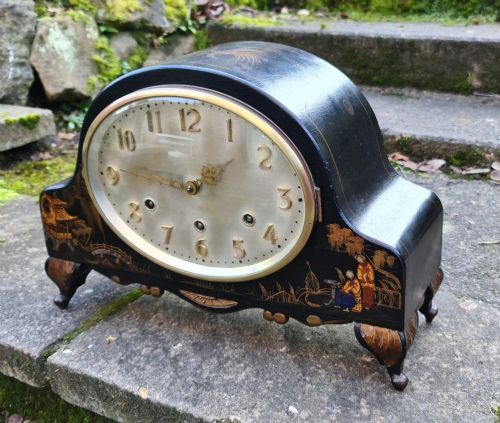
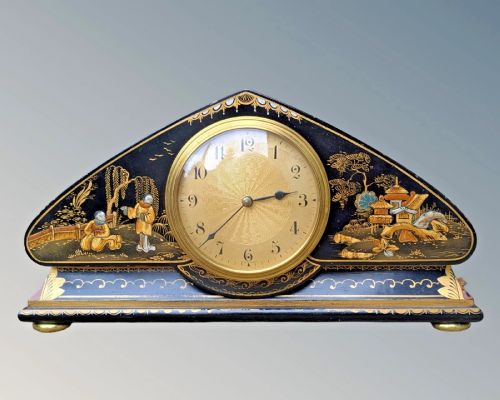
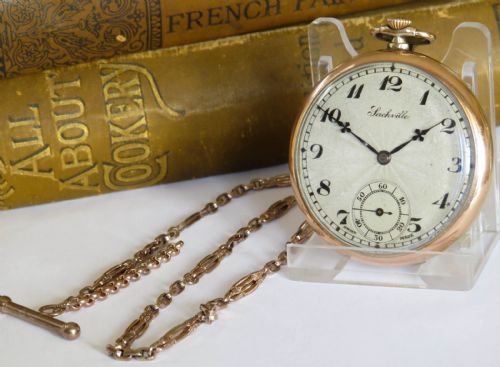
Leather straps and presentation boxes frequently accompany wristwatches, while pocket watches often include matching chains. Mantel clocks employ lacquered timber cases or domed glass covers to shelter delicate mechanisms.
Vintage Gold Timepiece Retail Price Guide 2026
Typical asking prices for vintage gold timepiece among the pieces listed under this phrase on Sellingantiques today, from the lower quarter to the upper quarter. They describe what is for sale here now, not the wider market.
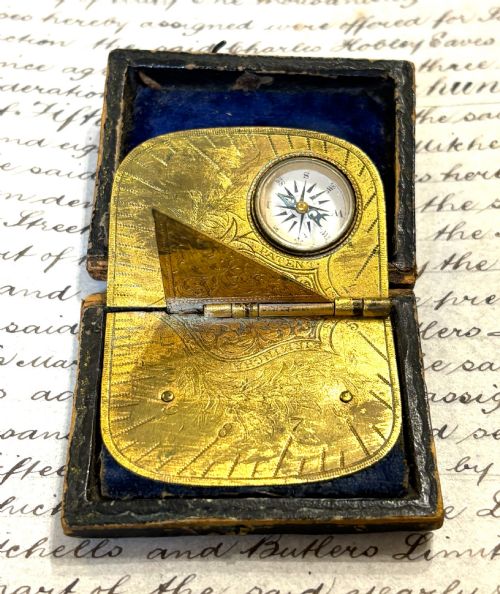
Object forms represented include wristwatches, pocket watches, carriage clocks, scientific instruments, and mantel clocks.
Factors of Distinction
Distinction rests upon the complexity and original grade of the mechanical movement housed within the metal case. High-tier examples feature certified chronometer status, specialised complication mechanisms, and well-preserved dials.
The integrity and weight of the gold housing, alongside the presence of original signed boxes, papers, and buckles, elevate certain pieces. Condition of the casework and precision of the internal gears ultimately define the standing of any horological item.
Omega·Rolex·Lange and Sohne·IWC·Mappin and Webb·Henri Jacot·Elgin·Smiths
The Vintage Gold Timepiece Glossary
- Chronometer
- A precision timepiece that has been tested and certified to meet high standards of accuracy over various temperatures and positions.
- Full hunter
- A pocket watch featuring a protective metal spring-cover that encloses the glass dial face.
- Ormolu
- A technique of applying finely ground, high-carat gold-mercury amalgam to an object of bronze, seen frequently on decorative nineteenth-century French clocks.
- Escapement
- The internal mechanical linkage that controls the release of power from the mainspring to the gear train, giving a clock or watch its rhythmic ticking action.
Vintage Gold Timepiece: Frequently Asked Questions
How do I wind a mechanical vintage watch?
Gently rotate the crown clockwise between your thumb and forefinger until you feel moderate resistance. Stop immediately upon feeling this tension to avoid over-winding and damaging the internal mainspring.
Allow the mechanism to run its natural course before winding it again at roughly the same time each day. Regular, careful winding maintains consistent tension and keeps the gear train moving accurately.
Are these timepieces suitable for daily wear?
Many models can handle regular daily use provided they receive proper care and routine professional servicing. Wristwatches from the mid-century period offer robust automatic movements suited to regular schedules.
Older pocket watches and delicate cocktail pieces require a gentler approach and protection from moisture and heavy impacts. Treat these older mechanisms with mindfulness regarding their age and historical construction.
What does gold plate mean on a watch?
Gold plate refers to a base metal core, such as brass or steel, bonded with a thin outer layer of real gold. This technique offered the rich appearance of solid precious metal at a more accessible production cost.
Inspect the edges and high-friction areas of the casing to assess the preservation of the plating layer over time. Proper maintenance ensures the exterior retains its warm metallic lustre for decades.
How do I care for a antique clock?
Position your clock on a stable, level surface away from direct sunlight, draughts, and sudden temperature fluctuations. Stability ensures the pendulum or balance wheel swings with consistent rhythm.
Consult a professional horologist every few years for cleaning and lubrication of the internal brass gears. Avoid using household polishes on delicate dial faces or exterior lacquer finishes.