
Vintage Gold Watch
A vintage gold watch brings the precision of past decades into daily wear, offering solid metal construction and enduring mechanical reliability.
Vintage Gold Watch
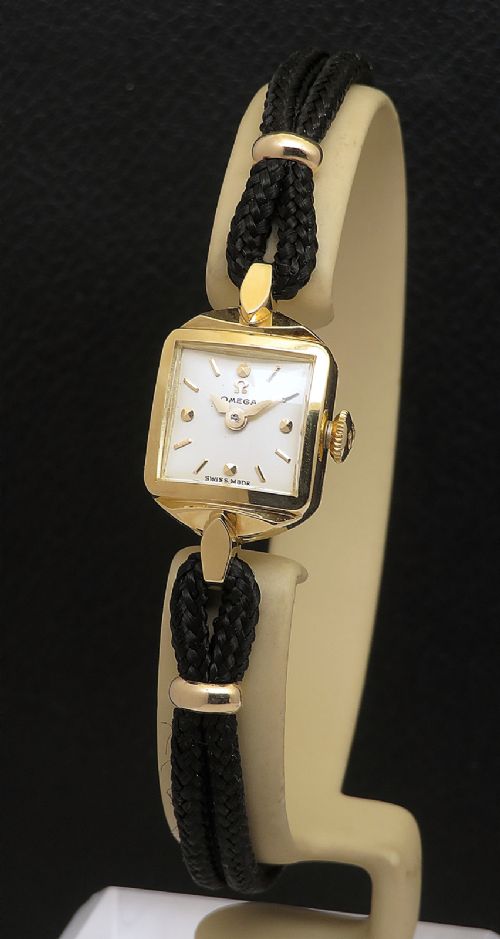
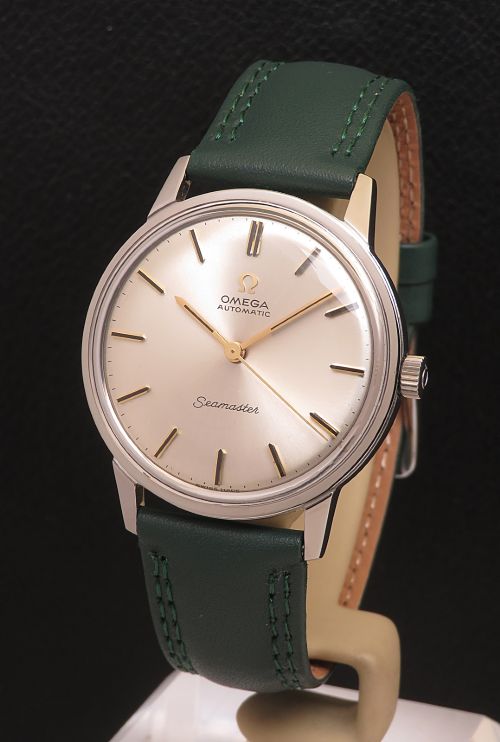
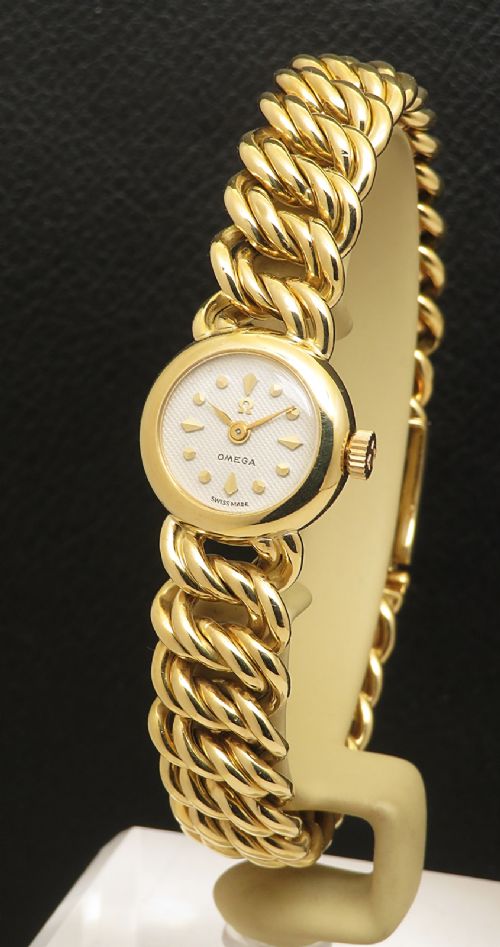
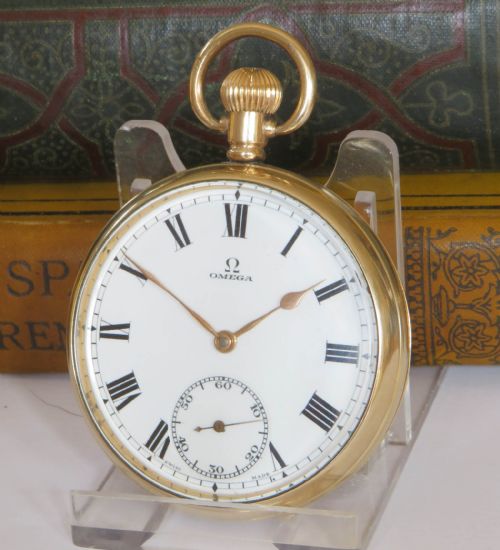
A vintage gold watch encompasses wristwatches, pocket watches, and cocktail pieces issued across the nineteenth and twentieth centuries. These items trace the evolution of personal timekeeping from pocket-bound mechanisms to wrist-worn accessories.
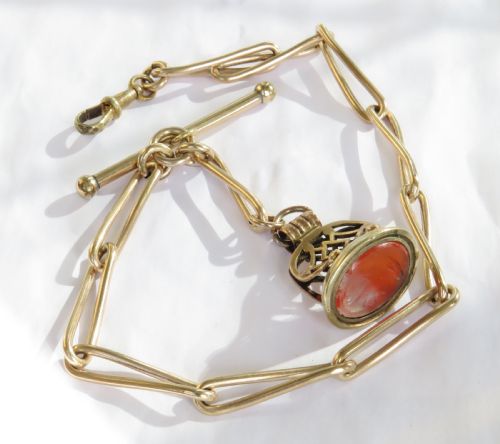
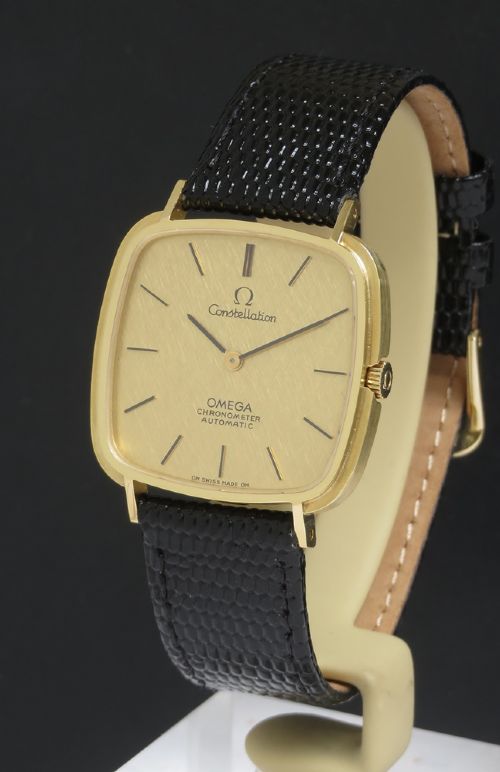
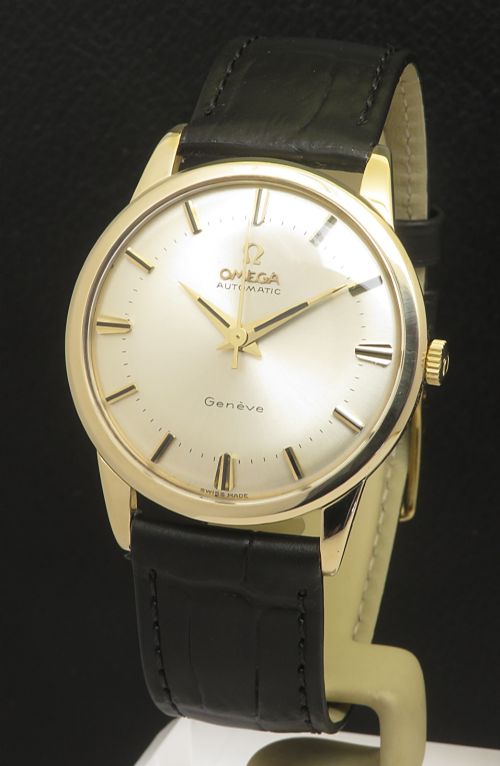
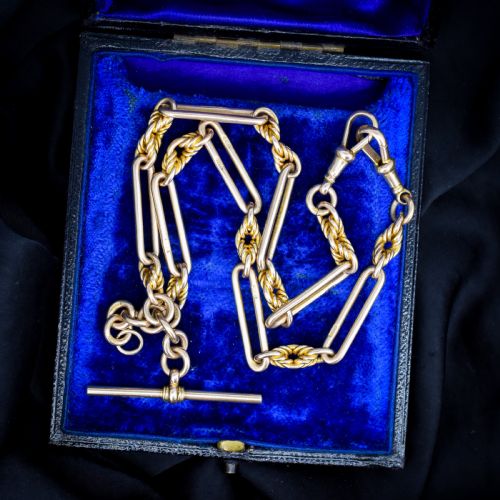
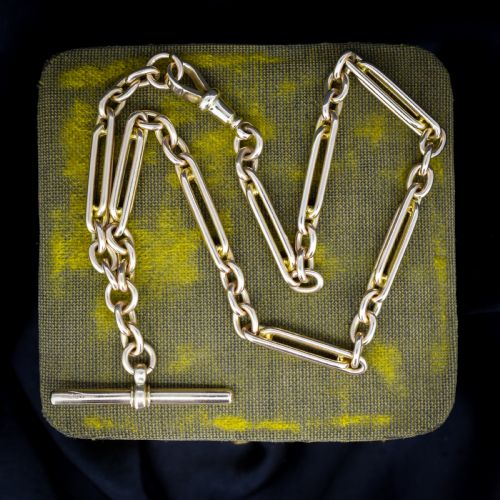
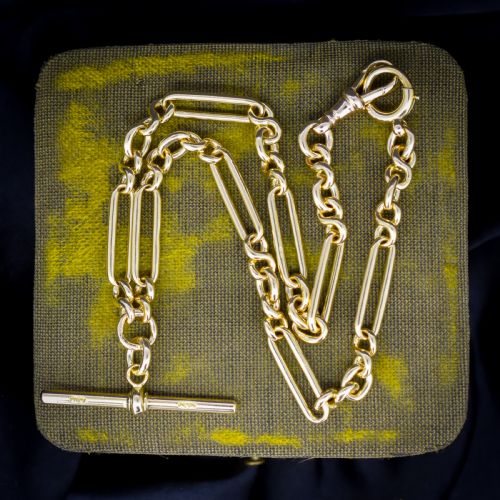
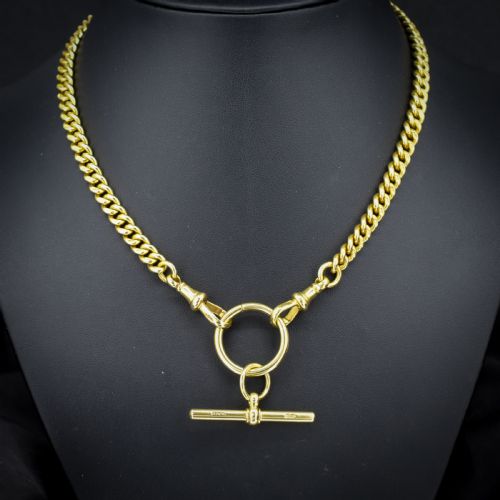
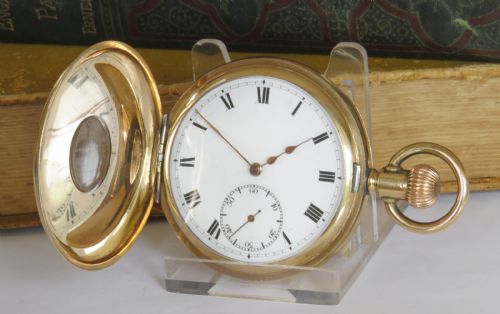
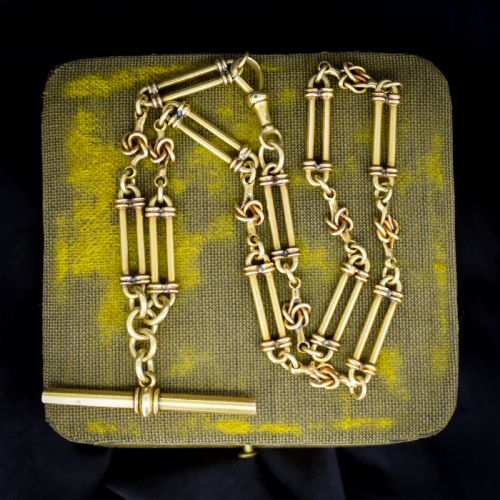
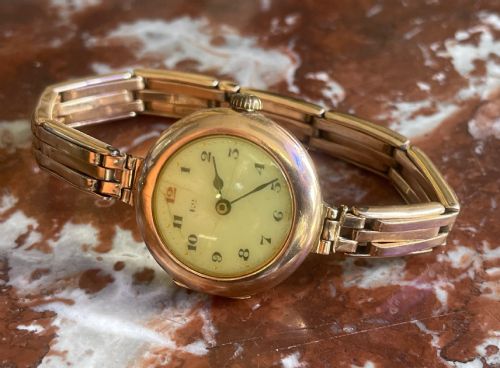
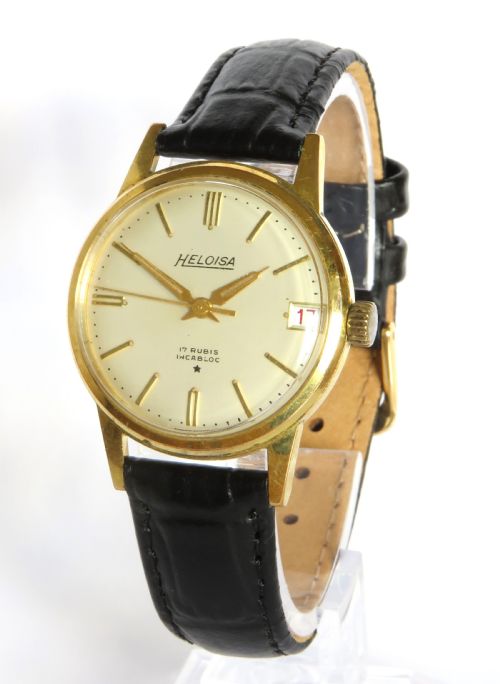
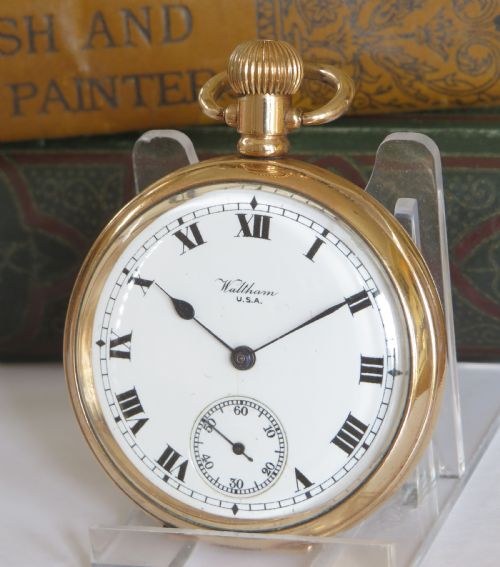
The selection ranges from early twentieth-century pocket watches and albert chains to mid-century automatic dress models. Buyers frequently encounter nineteenth-century curb chains alongside mechanical wristwatches from the nineteen-fifties and sixties.
Makers span Swiss houses, British retailers, and American manufacturers, utilising precious metals alongside plated options. Pieces often retain original components, ranging from movement calibres to fitted presentation boxes.
How they were made
Cases and chains utilise 9ct, 15ct, and 18ct yellow and rose gold, supplemented by gold plate and rolled gold techniques over base metals. Internal movements rely on steel components, brass plates, and jewelled bearings to reduce friction.
Enamel serves for traditional dial faces, while glass protects the delicate hands and markers. Leather straps frequently accompany wristwatches, alongside matching solid metal bracelets and linked albert chains.
Vintage Gold Watch Retail Price Guide 2026
Typical asking prices for vintage gold watch among the pieces listed under this phrase on Sellingantiques today, from the lower quarter to the upper quarter. They describe what is for sale here now, not the wider market.
Tennis racquet and horseshoe charms dangle from nineteenth-century chains, recording sporting triumphs and personal good luck long before wristwatches arrived.
What varies in quality
The purity of the gold alloy and the weight of the metal set the baseline for material standard. Heavier solid gold cases and dense curb or trombone link chains represent higher intrinsic value than plated alternatives.
Complexity and finishing of the internal movement distinguish standard calibres from chronometer-grade mechanisms. The presence of original packaging, historical papers, and untouched dials elevates the standing of an individual piece.
Omega·Rolex·Jaeger LeCoultre·Longines·Waltham·Elgin·IWC International Watch Company·Lange & Sohne·Breitling·Vacheron & Constantin·Tavannes·Eterna·Baume & Mercier·Universal Geneve·J W Benson·Zenith·Tudor
The Vintage Gold Watch Glossary
- Albert chain
- A short watch chain designed to secure a pocket watch to a waistcoat buttonhole or lapel. These links frequently incorporate decorative trombone patterns and T-bars.
- Calibre
- The specific manufacturer designation for a watch movement model. This internal number identifies the mechanical architecture driving the hands.
- Half hunter
- A pocket watch featuring a case with a glass-centred outer cover that allows time-reading without opening the lid. This style protects the dial while maintaining quick legibility.
- Chronometer
- A high-precision mechanical watch tested and certified to maintain accuracy under various temperatures and positions. These movements represent peak standards of historical horology.
- Manual wind
- A timepiece requiring the daily rotation of the crown to tension the mainspring manually. This traditional mechanism dispenses with automatic rotor weights.
Vintage Gold Watch: Frequently Asked Questions
How do I wind a mechanical watch?
Rotate the crown clockwise between your thumb and forefinger until you feel gentle resistance. Stop immediately to avoid damaging the mainspring.
Perform this action at a consistent time each day if the watch lacks automatic winding.
Are vintage watches waterproof?
Historical timepieces lack modern rubber gaskets and screw-down seals. Exposure to moisture or heavy rain will damage the internal movement.
Keep these items entirely away from water, swimming pools, and humid bathrooms.
How do I read gold hallmarks?
British assay marks stamped inside the case indicate the metal purity, such as nine carat or eighteen carat gold. Additional symbols reveal the specific city office and the year of manufacture.
Examining these tiny stamps requires a loupe to decipher the letters and pictorial shields.