

Mens Pocket Watch
A mens pocket watch delivers classic mechanical timekeeping alongside the tactile weight of sterling silver, solid gold, and polished enamel.
Mens Pocket Watch
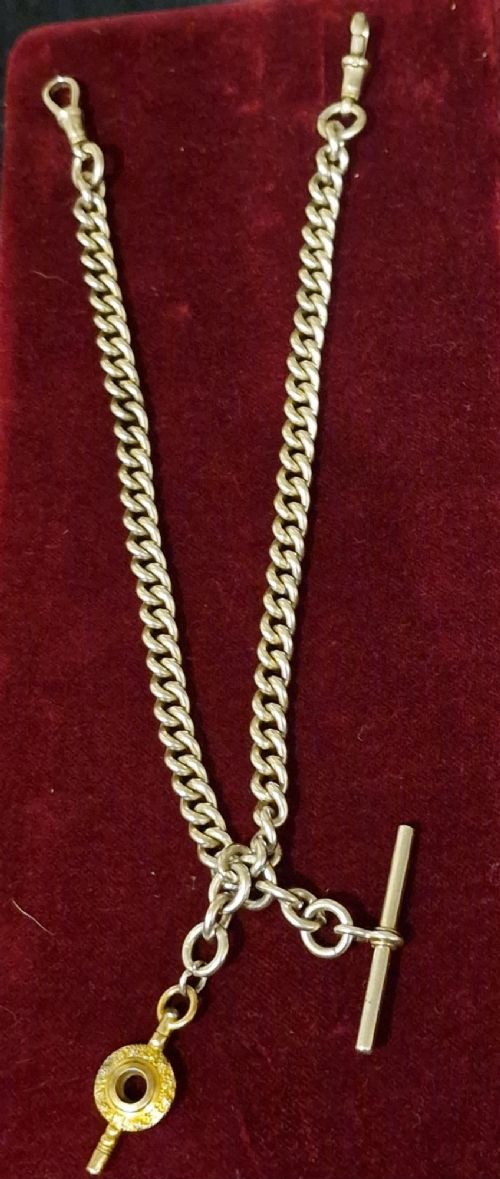
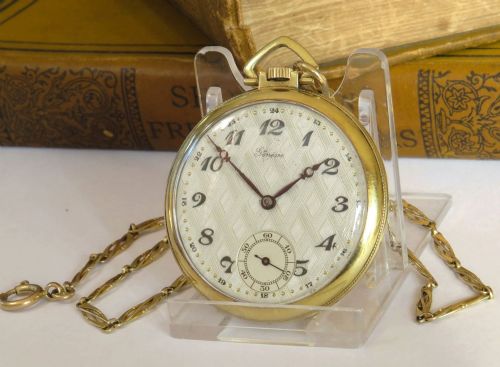
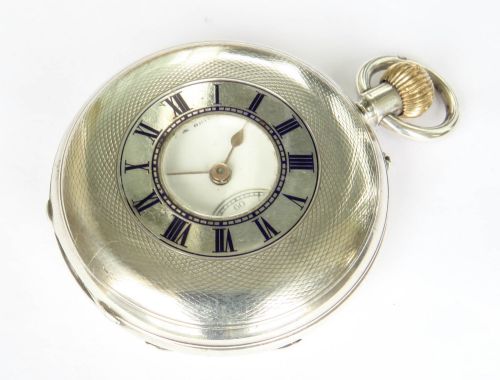
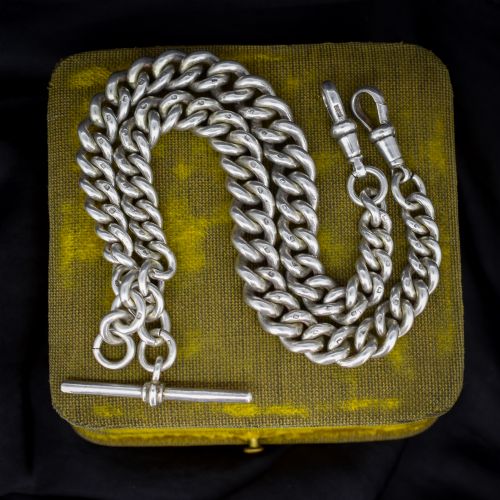
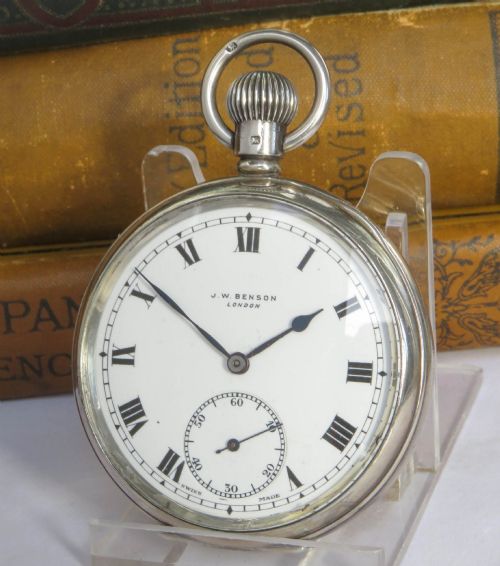
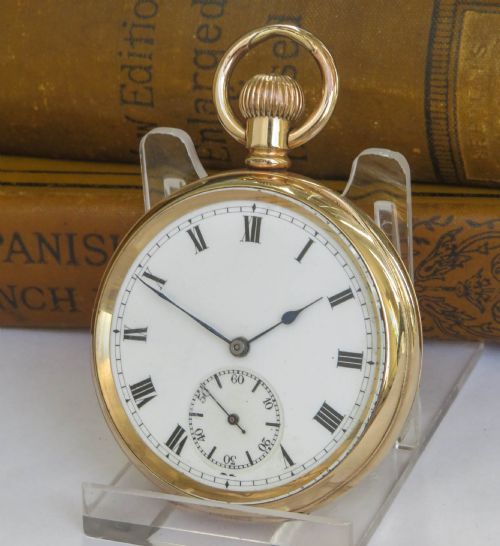
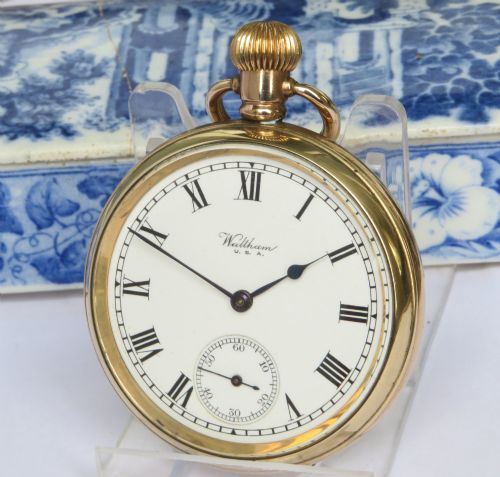
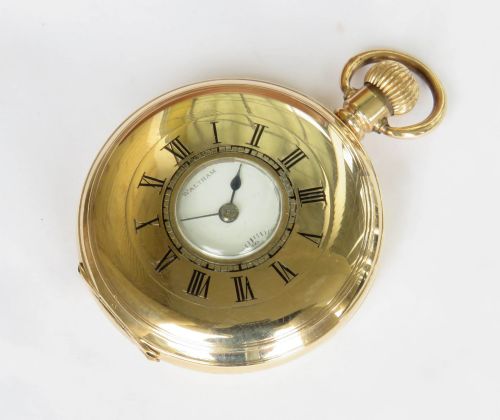
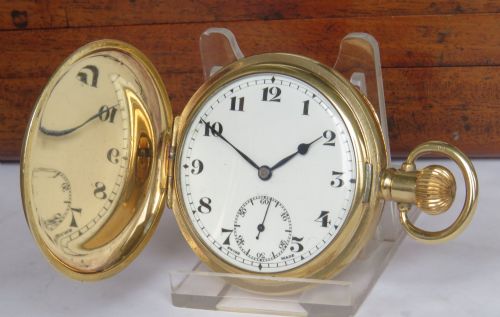
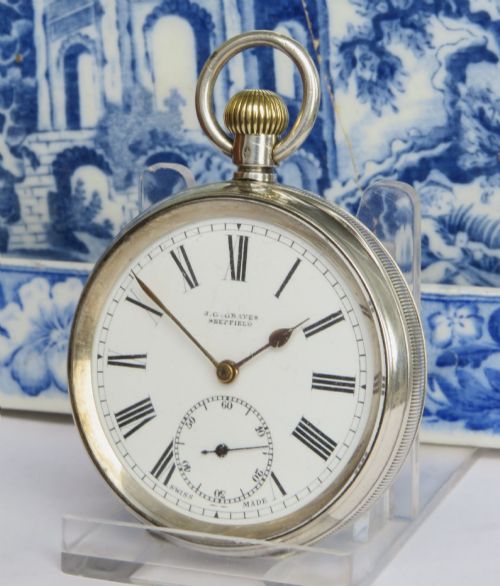
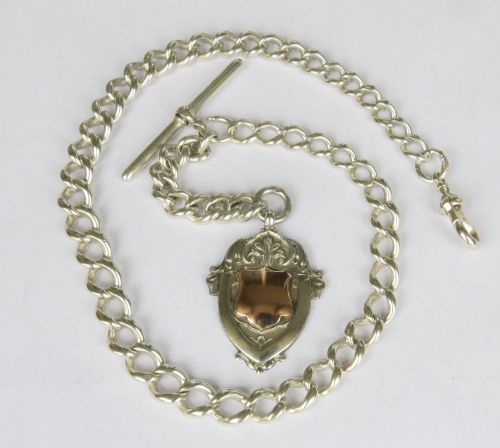
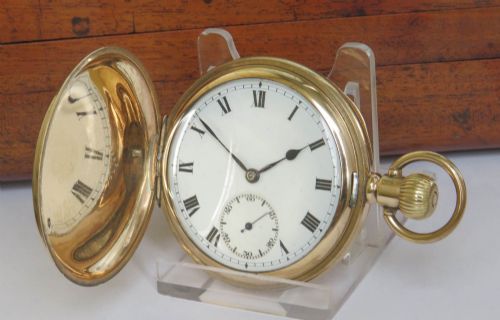
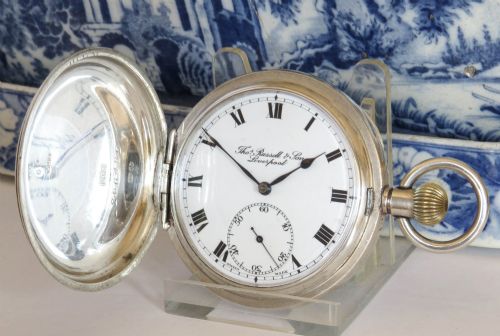
A mens pocket watch is a portable timepiece designed to be carried in a waistcoat or jacket pocket, frequently secured by an attached albert chain. These pieces span the Victorian era, the Edwardian period, and the Art Deco style of the 1920s and 1930s. The selection includes full hunter cases, half hunter designs with protective glass apertures, and fusee movements housed in English silver or gold.
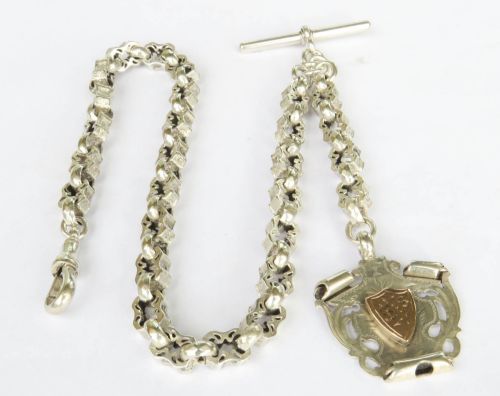
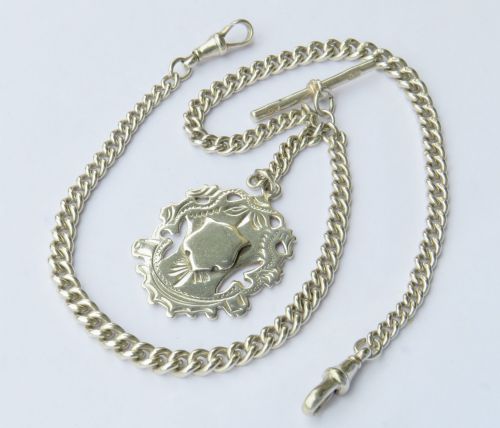
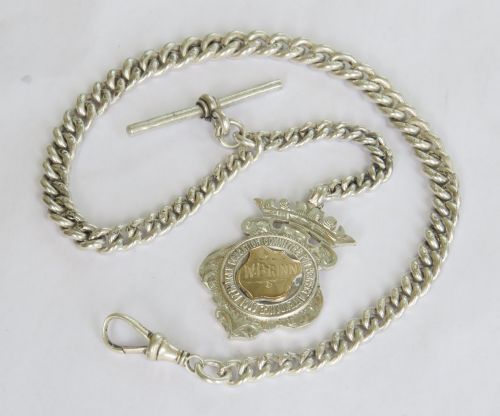
Most examples originate from British makers and Swiss workshops, alongside American production by firms like Waltham and Elgin. Alongside the watches themselves, collectors encounter watch chains, fobs, and necklaces fashioned from curb links, trombone links, and figaro patterns. These items reflect decades of personal timekeeping, presentation pieces, and everyday utility.
Materials and Construction
Cases utilise metals ranging from sterling silver and brass to 18 carat gold, rolled gold, and gold plate. Enamel dials feature painted numerals and subsidiary seconds tracks, protected by glass crystals fitted into hinged bezels.
Internal mechanisms combine steel components, brass plates, and jewelled bearings to regulate the movement. Chains and fobs employ solid silver or gold links fitted with swivel dog clips and T-bars for securing the watch.
Mens Pocket Watch Retail Price Guide 2026
Typical asking prices for mens pocket watch among the pieces listed under this phrase on Sellingantiques today, from the lower quarter to the upper quarter. They describe what is for sale here now, not the wider market.
Listings feature sterling silver, rolled gold, and 18 carat gold cases spanning the Victorian, Edwardian, and Art Deco eras.
Craftsmanship and Distinction
Quality rests in the precision of the movement, the weight of the precious metal case, and the clarity of the enamel dial. Finer examples display signed plates from established makers, multi-jewelled mechanisms, and crisp hallmarks confirming the metal standard and assay office.
Subtleties in engraving, the complexity of fusee or 8-day movements, and matching albert chains with original fob seals elevate specific pieces above standard production items.
Hamilton and Inches·George Edward Frodsham·Hinds London·J W Benson·Camerer Cuss·Thomas Russell and Son·Lange and Sohne·Garrard and Vertex Revue
The Mens Pocket Watch Glossary
- Hunter
- A pocket watch featuring a spring-loaded metal cover that protects the glass dial from scratches. Pressing the crown releases the lid to reveal the time.
- Half Hunter
- A case style featuring a small glass window or aperture in the outer cover, allowing the user to read the hands without opening the watch.
- Albert Chain
- A chain attached to a pocket watch, designed to pass through a waistcoat buttonhole and secure the timepiece. It often terminates in a T-bar and dog clip.
- Fusee
- An antique mechanical cone-and-chain device used in older watches to equalise the declining power of the mainspring as it unwinds. This mechanism improves timekeeping consistency.
- T-bar
- The crossbar attached to the end of a watch chain, designed to anchor the chain securely through a buttonhole. It represents a characteristic feature of Victorian and Edwardian watchwear.
Mens Pocket Watch: Frequently Asked Questions
How do I wind a mechanical pocket watch?
Winding is performed by turning the crown at the top of the case until gentle resistance is felt. Care should be taken not to overwind the mainspring.
Most vintage pieces require daily winding to maintain accurate operation throughout the day.
How do I wear a pocket watch with modern clothing?
The watch sits securely in a trouser or waistcoat pocket, with the attached albert chain secured through a buttonhole or pocket edge using the T-bar.
Shorter chains can also be adapted to function as necklaces or bracelet lengths depending on personal preference.
How do I identify the date of a silver pocket watch?
British silver cases carry hallmark stamps issued by assay offices in cities like London, Birmingham, and Chester. These marks include date letters that correspond to specific years of manufacture.
Makers' marks alongside these assay stamps provide further evidence of origin and period.